Among the many extreme phenomena that fire can produce, few are as visually stunning or as genuinely terrifying as the fire tornado. Known variously as a fire devil, firenado, fire whirl, or fire twister, this rare convergence of intense heat and atmospheric turbulence creates one of nature’s most spectacular and destructive displays. While most people will never encounter one directly, understanding how fire tornadoes form, what makes them so dangerous, and how they connect to broader fire safety principles is both fascinating and instructive.
How Fire Tornadoes Form
A fire tornado is not simply a tornado that happens to pass over a fire — it is a distinct meteorological and combustion phenomenon that emerges from the interaction between intense upward-moving heat and the rotational dynamics of wind. When a large fire generates sufficient heat to create a powerful thermal column of rising air, and that column encounters specific crosswind conditions, the rising column can begin to rotate. The rotation tightens as it intensifies, in the same way that a figure skater spins faster when drawing their arms inward, forming a vertical vortex of swirling flame.
The core of an established fire tornado is composed of burning gases — primarily carbon-rich compounds released by combusting vegetation or other organic material. These gases are drawn upward into the rotating column where heated oxygen is sufficient to sustain ignition, feeding the vortex continuously as long as fuel and favorable wind conditions persist. Surrounding the burning core is an outer sheath of rotating air that may not be visibly on fire but is superheated and capable of igniting materials it contacts.
Fire tornadoes can reach temperatures of 2,000 degrees Fahrenheit (approximately 1,090 degrees Celsius) at their cores, generating winds exceeding 100 miles per hour in larger examples. Those winds are strong enough to uproot mature trees, hurl burning debris over considerable distances, and spread fire in directions that firefighters find impossible to predict. Unlike conventional fires, which can sometimes be managed through controlled burns or water application, an active fire tornado cannot be directly extinguished — it must be allowed to dissipate as fuel is exhausted or wind conditions change.
The Three Types of Fire Tornadoes
Fire science classifies these phenomena into three broad categories based on their location relative to the fire and their behavior over time. The first type is a stable vortex centered directly over the burning area, drawing fuel and heat from the fire below. The second type, either stable or transient in duration, forms downwind of the burning area, fed by gases and embers carried on the wind from the primary fire. The third type is the most unpredictable — a steady or transient vortex centered over an open area adjacent to an uneven burning zone, where variable terrain and wind interact to create rotational conditions.
Understanding these distinctions matters primarily for fire behavior analysts and incident commanders, who use them to predict how a fire tornado may move and how long it is likely to persist. From a public safety perspective, the key message is simpler: any fire tornado, regardless of classification, represents an immediate life-threatening hazard from which the only appropriate response is rapid movement in the opposite direction.
Historical Events: The Scale of the Danger
The devastating potential of fire tornadoes is not theoretical. During the Great Kanto Earthquake that struck Japan in September 1923, the resulting firestorm generated a city-scale fire tornado that is believed to have killed approximately 38,000 people in the space of fifteen minutes. The victims were sheltering in an open field they believed would be safe from the surrounding fires — a tragically incorrect assessment. The fire whirl, classified as a Type 3 event, swept across the field with extraordinary speed and lethal heat, making it one of the deadliest fire-related events in recorded history.
More recently, large wildfires in California, Australia, and Europe have produced fire whirls that astonished even experienced firefighters with their size and destructive capacity. Some have reached heights exceeding half a mile, persisted for more than twenty minutes, and generated enough rotational energy to throw burning material for thousands of meters. The relationship between large wildfires and fire tornado formation is one of the reasons that wildfire safety planning has grown significantly more sophisticated in recent decades. Reviewing the world’s worst wildfires provides crucial context for how extreme fire behavior shapes emergency planning.
Fire Tornadoes and the Broader Lesson of Fire Unpredictability
The fire tornado is an extreme example of a principle that applies across all scales of fire behavior: fire does not behave predictably, and assumptions about what fire will or will not do in a given situation are frequently wrong. A fire that appears contained can explode into a flashover. A stairwell that appears clear can fill with smoke in seconds. A fire on a lower floor can produce life-threatening conditions on upper floors through smoke and heat transmission before the flames themselves come anywhere near. For a broader understanding of these dynamics, the detailed guide to how fires spread in high-rise buildings provides essential context for urban residents.
This unpredictability is precisely why fire safety experts consistently emphasize preparation over reaction. The worst time to formulate a fire escape plan is during an emergency. The worst time to locate your escape equipment is when smoke is already filling your hallway. The residents who survive high-rise fires at higher rates than the general population are those who have done the preparation work in advance — identified their routes, practiced their responses, and equipped themselves with tools that work when conventional exits fail. Understanding how fast fire actually spreads underscores why this advance preparation is so important.
Preparing for Fire’s Extreme Potential
While fire tornadoes represent the far extreme of fire behavior, the principles they illustrate — speed, unpredictability, and the rapid exhaustion of safe escape options — are present in every serious fire emergency. High-rise residents face a compressed version of these dynamics whenever fire strikes their building: routes close quickly, conditions deteriorate faster than expected, and the window for safe self-evacuation is narrow.
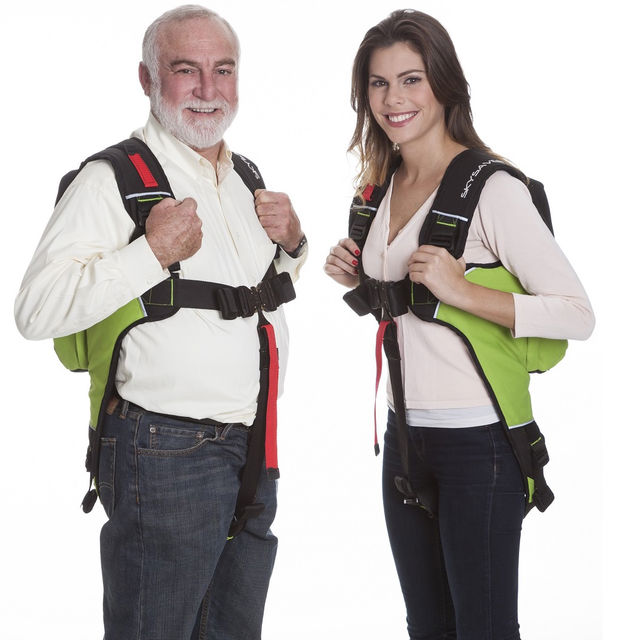
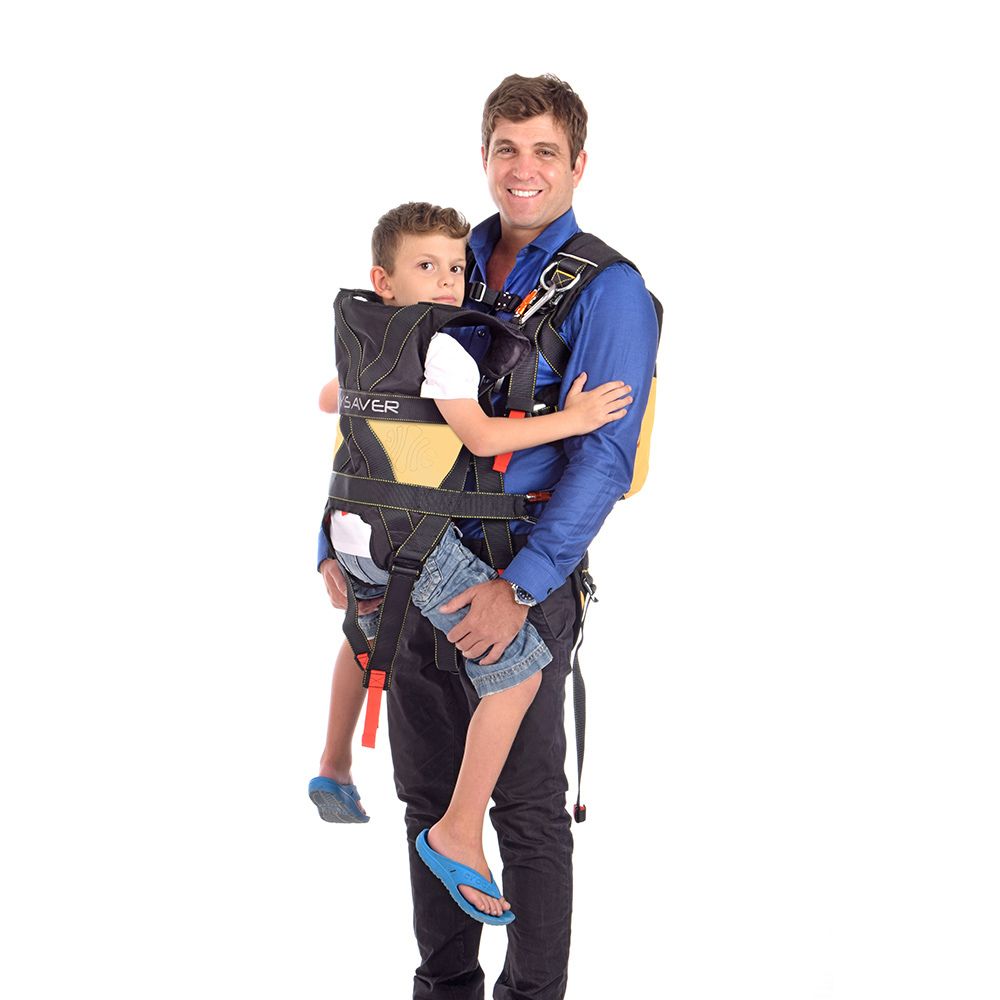
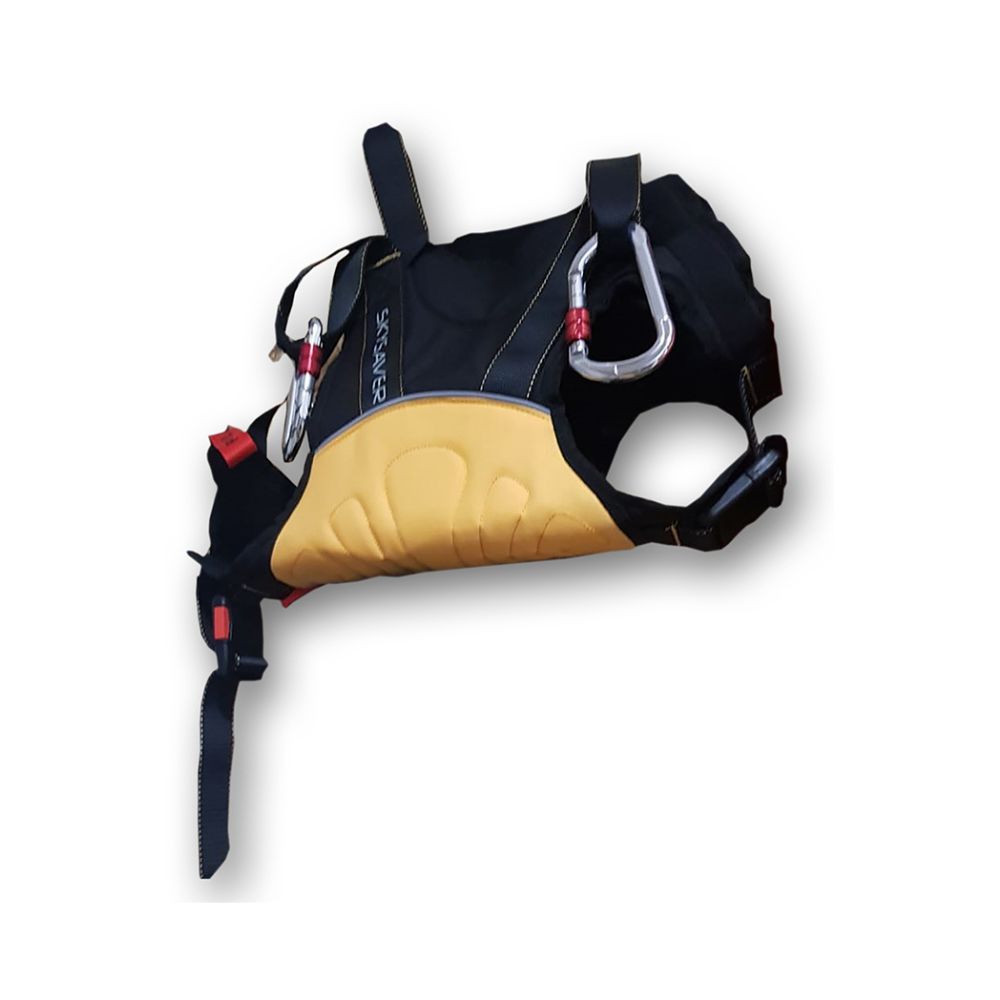
The SkySaver rescue backpack was designed precisely for this compressed emergency window. When smoke fills stairwells and waiting for rescue is not a viable option, SkySaver provides a controlled, independent descent path from any window above ground level. The device requires no prior training, no physical strength, and no complex procedure — three steps and you are descending safely. It is the kind of equipment that transforms an apparently impossible situation into a manageable one.
Nature’s most extreme fire phenomena serve as a powerful reminder of what fire is capable of when conditions allow it to develop unchecked. Take that reminder seriously and make sure your family has the equipment and the plan to respond when it matters most. Explore SkySaver products today and take fire preparedness from intention to action.