Television has long been one of the primary ways that people form their understanding of dangerous situations they have never personally experienced — including fires. From police procedurals to medical dramas to action series, fires appear on screen regularly, and the way they are depicted varies enormously in accuracy. Some shows capture the terror and speed of real fires with reasonable fidelity. Others present fire behavior that is not just inaccurate but actively misleading — creating impressions of safety margins and escape opportunities that simply do not exist in reality.
What Television Gets Wrong About Fire
The most pervasive misconception propagated by television is about time. In dramatic fire scenes, characters typically have several minutes — sometimes much longer — to make decisions, retrieve important items, search for pets, and navigate through burning buildings before the danger becomes truly critical. In reality, a residential fire can become unsurvivable within two to three minutes of ignition. The smoke alone — which television tends to underemphasise in favor of visually dramatic flames — can render a room incapacitating within sixty seconds.
Television fires also tend to spread in visually logical ways — moving along walls, following clear paths that allow characters to calculate safe routes. Real fires are far less predictable. The phenomenon of flashover — where every combustible surface in a room simultaneously reaches ignition temperature and explodes into flames — can transform a room from dangerous to instantly lethal in a fraction of a second. As our detailed article on rollovers, flashovers, and backdrafts explains, these events are real, they happen fast, and they are not telegraphed with dramatic musical cues.
The Smoke Problem
If there is one area where television most consistently misleads viewers, it is in the depiction of smoke. On screen, characters frequently run through smoke-filled corridors and burning buildings with minimal effect on their breathing, vision, or cognitive function. In reality, fire smoke is a toxic mixture of carbon monoxide, hydrogen cyanide, and fine particulates that can cause disorientation, loss of consciousness, and death within minutes of heavy exposure. A person who cannot see clearly and cannot think clearly cannot evacuate effectively — and television almost never shows this reality.
The practical implication is important: real fire survival is often about avoiding smoke exposure, not navigating through it. Staying low — where smoke concentrations are lower and air quality is somewhat better — is a genuine and effective strategy. Covering the mouth and nose with a dampened cloth can provide minimal filtration. Moving quickly and decisively toward the nearest exit, rather than searching for clearer paths, is typically the right call. None of this looks as dramatic as a TV hero running through a burning building, but it is far more aligned with what actually keeps people alive.
What TV Shows Get Right
It would be unfair to suggest that television always misleads. Some productions have made genuine efforts to portray fire accurately, particularly in documentary and procedural formats. The message that cooking fires should never be fought with water — that water on a grease fire causes a violent, explosive reaction — has been helpfully reinforced by several shows. The advice to get low and go has been repeated enough times in entertainment contexts that it has reached many people who might not otherwise have encountered it through formal education.
The broader message that fires are dangerous and require immediate, decisive action is also generally communicated accurately by television — even if the specifics are often wrong. The emotional impact of watching a fire scene on screen can motivate people to think about their own preparedness, and that motivation, channeled productively, is valuable. Turning the awareness raised by a dramatic fire scene into a real conversation about your household’s emergency action plan is exactly the kind of productive outcome that fire safety advocates hope for.
Applying Real Lessons to Your Preparedness
The most important takeaway from examining how fire is portrayed on television is this: if your mental model of what a fire looks like and how much time you would have comes primarily from what you have seen on screen, it is likely dangerously inaccurate. Real fires are faster, smokier, more disorienting, and less navigable than their fictional counterparts.
Understanding how to behave during a real fire — based on actual fire science rather than dramatic convention — is one of the most valuable investments in personal safety you can make. This includes knowing your primary and secondary exit routes in advance, understanding how smoke behavior differs from flame behavior, and having the right equipment for your specific living situation.
SkySaver: Real-World Protection, Not Drama
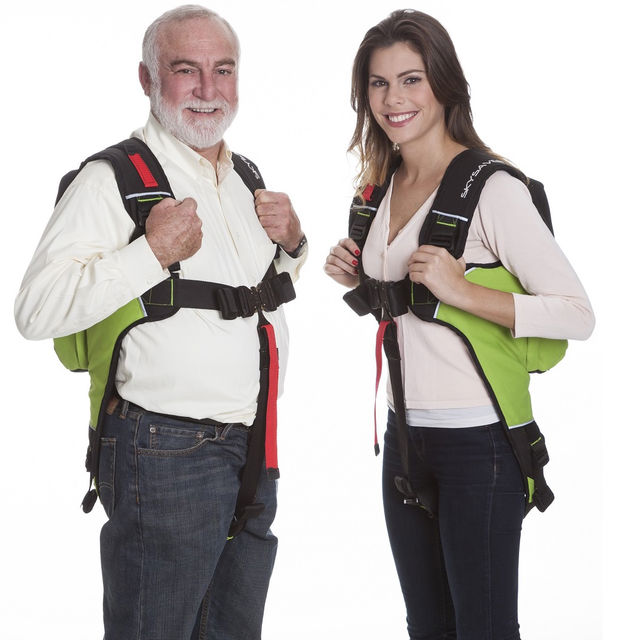
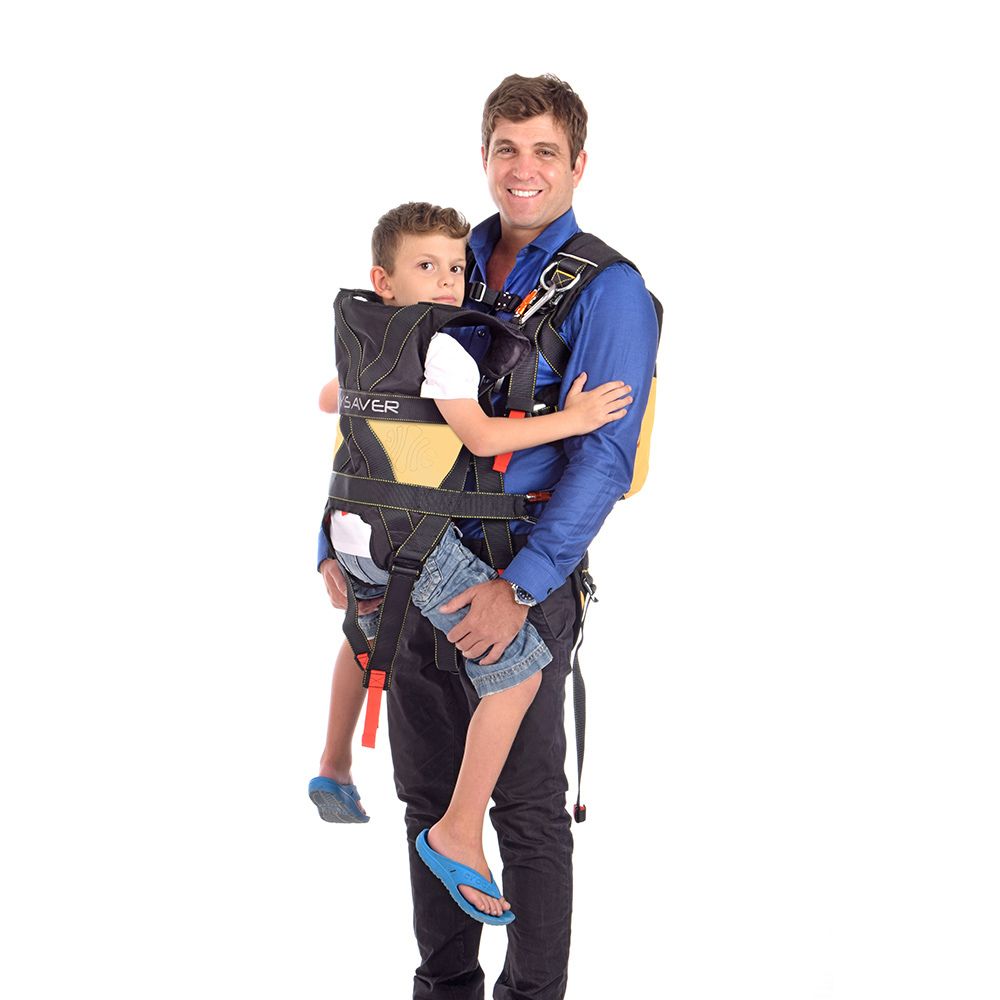
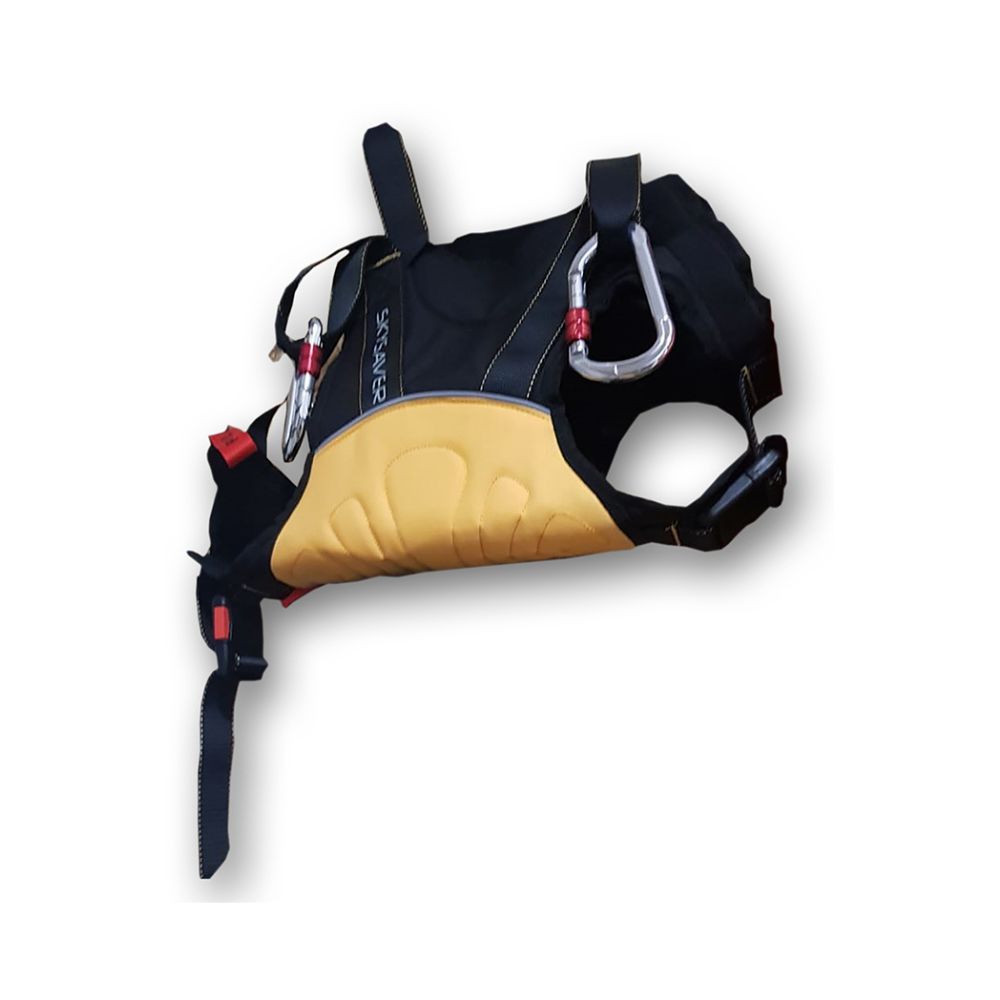
Unlike the improvised escapes that populate fire scenes on television, genuine high-rise emergency escape requires a real device with certified safety performance. SkySaver‘s Controlled Descent Device was developed, tested, and certified to handle the actual physics of high-rise escape — not the Hollywood version. It works at heights up to 25 stories, requires no training, and lowers occupants at a controlled, safe speed using an automatic braking mechanism.
Real fire safety is not dramatic, and it should not be. It is calm, prepared, and practical. Explore SkySaver’s personal escape solutions and build the kind of preparedness that actually works when the cameras are not rolling.