The idea of extinguishing a fire with sound might seem like something from a science fiction novel, but it is a genuine area of scientific research that has produced working prototypes and promising results. Acoustic fire suppression — the use of sound waves to disrupt and extinguish flames — represents one of the more unusual frontiers in fire safety technology, and understanding how it works illuminates important principles about the nature of fire itself.
The Science of Acoustic Fire Suppression
Fire requires three things to sustain itself: fuel, heat, and oxygen. Remove any one of these elements and the fire cannot continue to burn. Traditional fire suppression methods — water, foam, carbon dioxide — work by removing heat or oxygen. Acoustic fire suppression works differently: it uses low-frequency sound waves to disrupt the boundary layer of air surrounding a flame, essentially separating the fuel from the oxygen supply and causing the fire to extinguish.
The physics behind this phenomenon are related to the behavior of air at specific frequencies. Low-frequency sound waves create pressure variations in the surrounding air that cause it to move in ways that disrupt the thin layer of vaporized fuel at the surface of a flame. When this boundary layer is sufficiently disrupted, the combustion process can no longer be sustained and the flame goes out. Researchers at George Mason University demonstrated this principle with a working prototype that successfully extinguished small fires using sound alone, generating significant media attention and scientific interest.
Current Capabilities and Limitations
The technology, while genuinely exciting, remains in relatively early stages of development for practical applications. The prototype systems demonstrated by researchers were effective on small, controlled flames — candles and similar small fire sources — under laboratory conditions. Scaling the approach to handle larger fires, and doing so in a way that is practical for real-world deployment, presents significant engineering challenges that have not yet been fully solved.
One of the key limitations is the directional nature of acoustic suppression — the sound waves need to be focused on the flame in a specific way, making the technology less straightforward to apply to fires that are spreading across multiple surfaces or locations simultaneously. The power requirements for generating sound waves of sufficient intensity to suppress larger fires also present practical challenges for portable or building-installed systems.
What This Tells Us About Fire
Beyond the specific technology, the concept of acoustic fire suppression reinforces something important about how fire works: it is a chemical process that depends on very specific physical conditions. Disrupt those conditions — regardless of the method — and the fire cannot sustain itself. This is why understanding what fire actually is at a scientific level is useful context for anyone interested in fire safety and suppression.
It also illustrates why the field of fire safety research is broader and more innovative than most people realize. From advanced sprinkler systems and smart detectors to acoustic suppression and chemical agents derived from space program research, fire safety technology is continuously evolving. The standard fire extinguisher in your kitchen is, in historical terms, relatively primitive — and the technologies that may replace or supplement it over the coming decades could be remarkably different from anything in widespread use today.
Practical Fire Safety While Technology Advances
While acoustic fire suppression remains a technology of the future rather than the present, the practical fire safety tools available today are effective and accessible. Working smoke alarms, properly maintained fire extinguishers appropriate for your kitchen and living areas, clearly planned escape routes, and personal emergency equipment for high-rise residents represent the core of practical household fire safety that does not require waiting for the next generation of technology.
Understanding how today’s fire safety and rescue items compare to each other is a useful exercise for any household. Not all fire safety equipment is equally relevant to every living situation — a campfire extinguisher is not the same as what you need in a high-rise apartment, and a standard fire escape ladder is not an appropriate solution for someone living on the 15th floor.
SkySaver: Proven Technology for Today’s High-Rise Escape Challenge
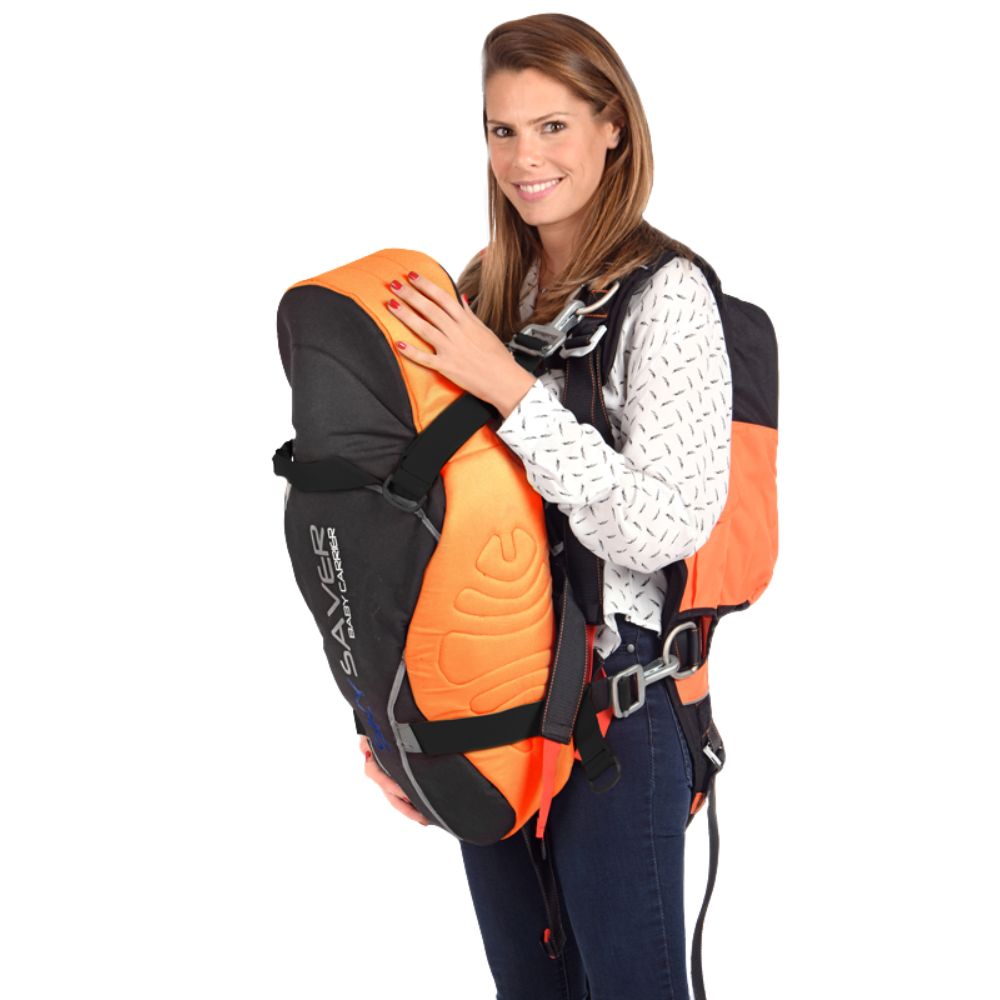
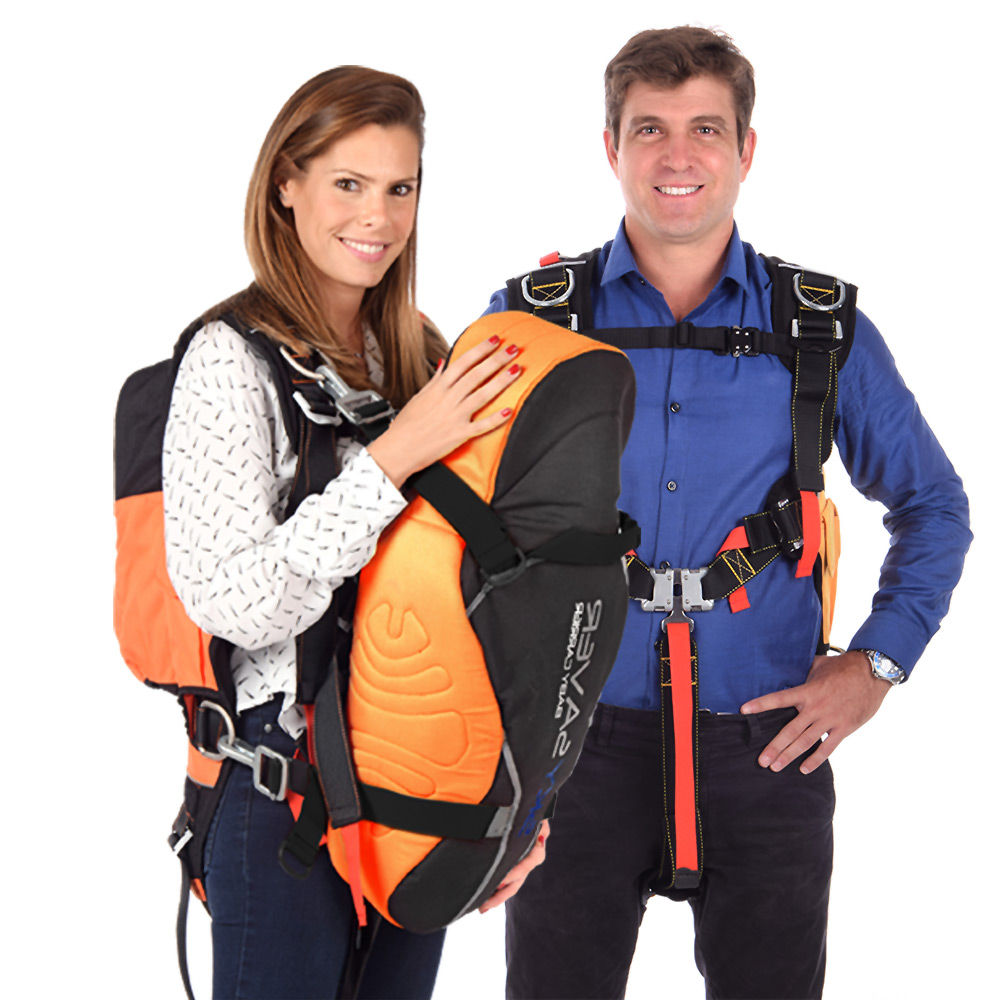
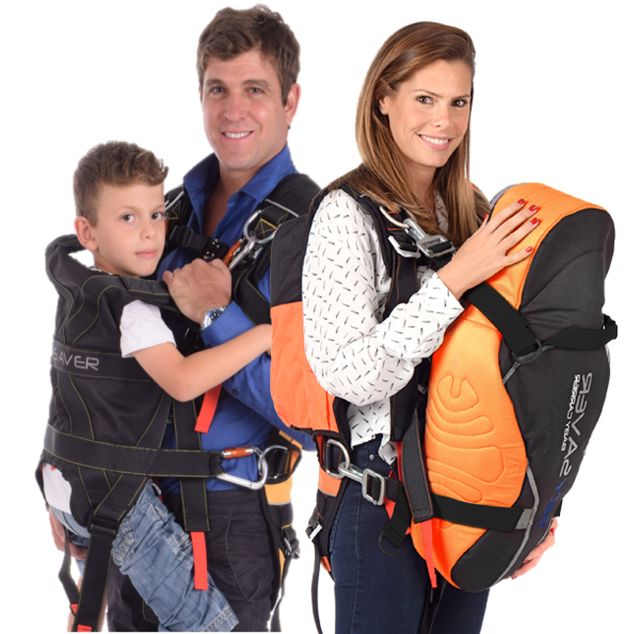
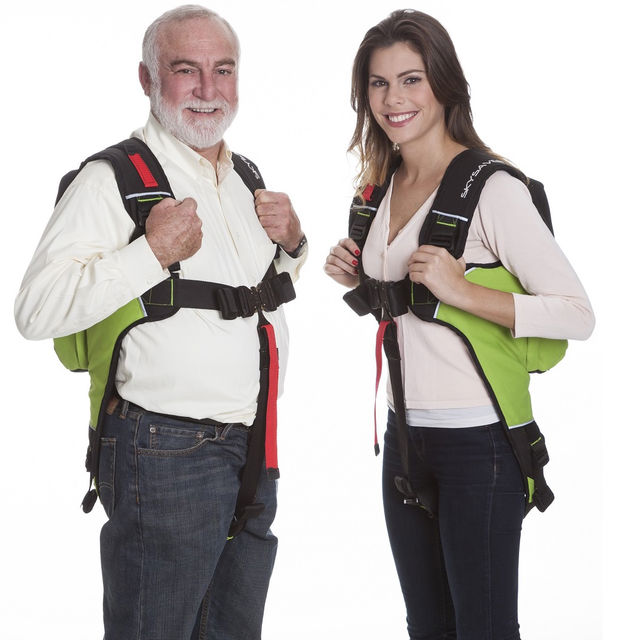
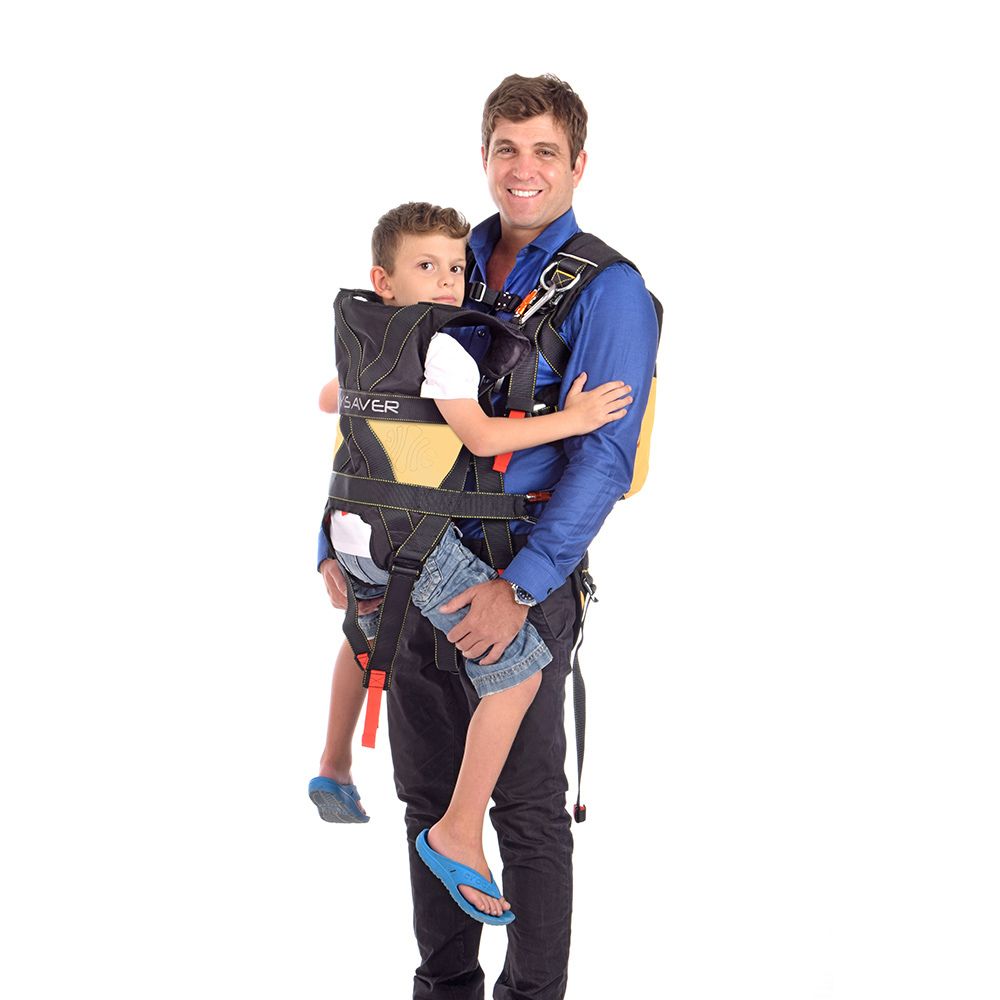
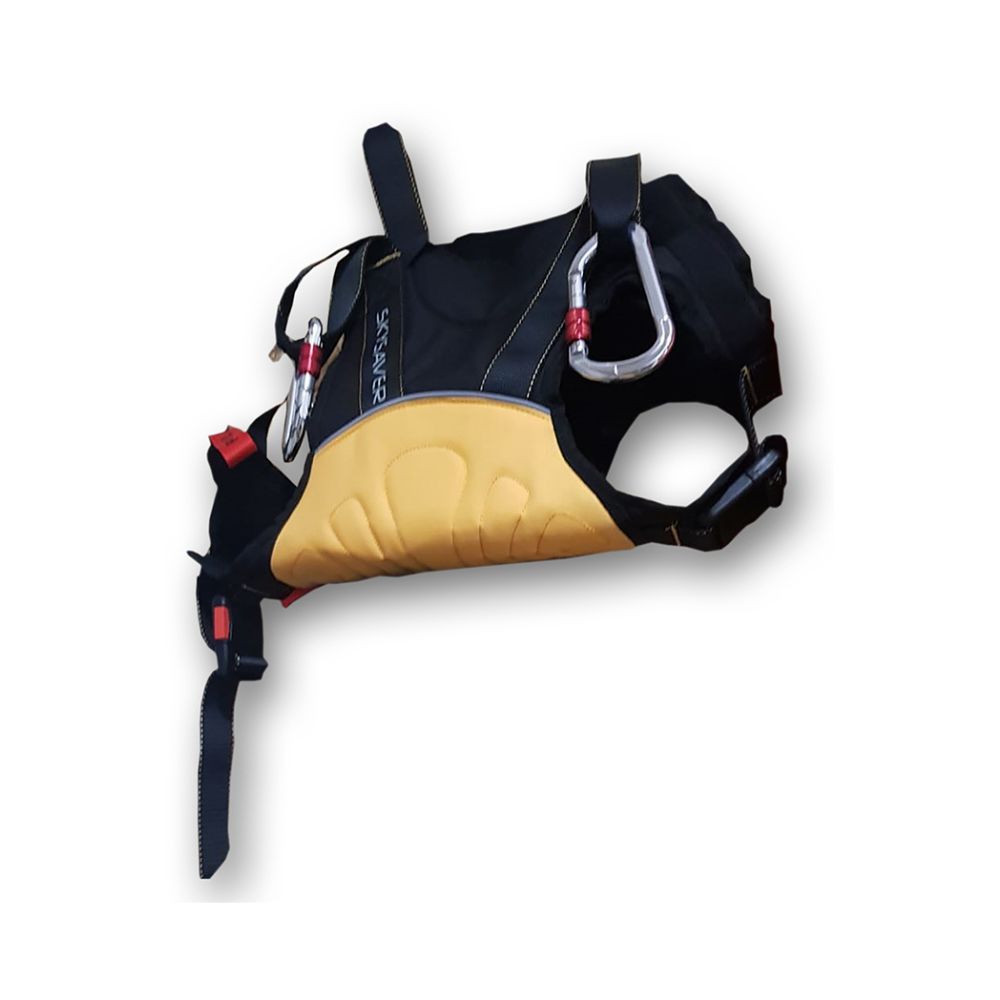
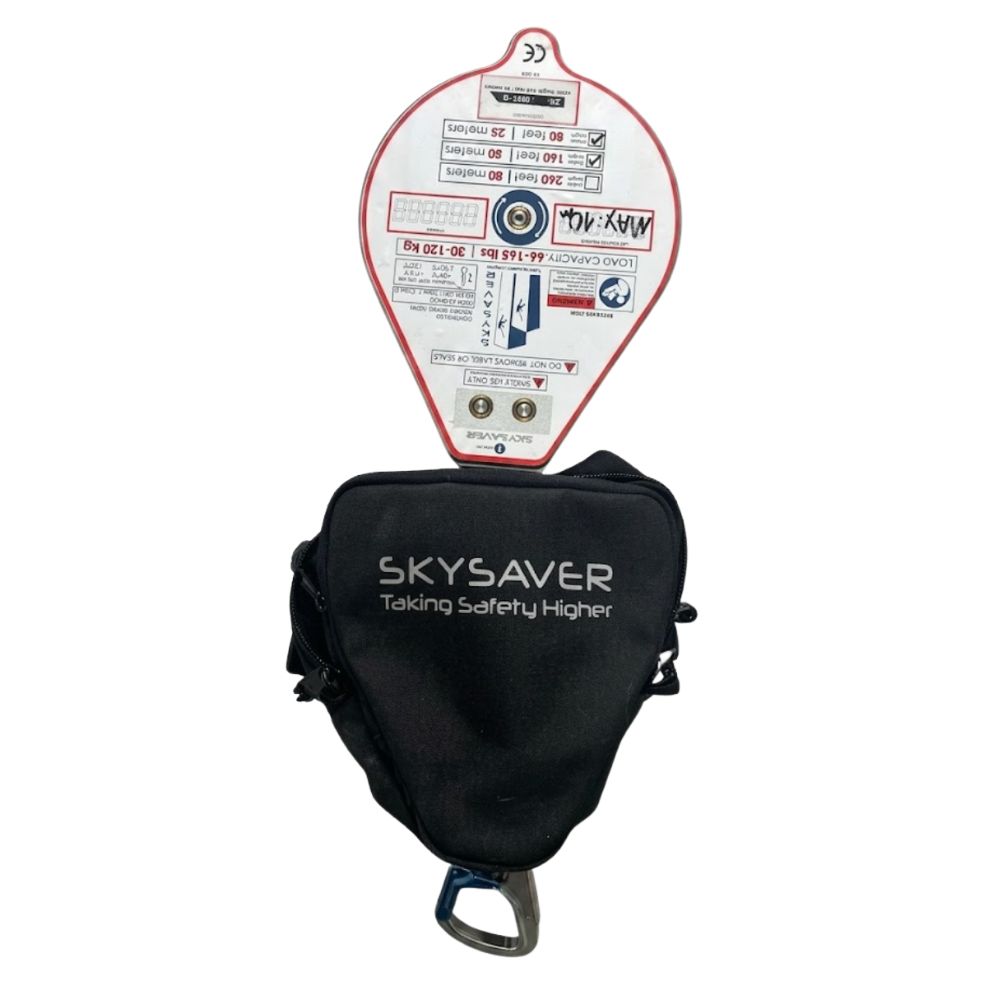
While researchers continue to develop innovative fire suppression technologies, the challenge of high-rise escape in a fire emergency is one that SkySaver has solved with proven, certified technology available today. The Controlled Descent Device uses well-understood mechanical engineering principles — controlled friction braking — to lower residents safely from windows at heights up to 25 stories. It requires no power source, no training, and no specialized knowledge to operate.
Novel technologies capture the imagination, but the most important fire safety tools are the ones that work reliably when they are needed. Explore SkySaver’s proven escape solutions and invest in preparedness that is available right now, not just on the horizon.