The iron fire escape — bolted to the exterior of urban apartment buildings, descending in zigzag flights from the upper floors to street level — is one of the most recognizable features of older city architecture. For more than a century, these external metal staircases represented the primary emergency exit option for millions of urban residents. Today, their role is contested, their condition is frequently criticized, and new buildings rarely include them at all. The question of whether buildings should still be constructed with fire escapes touches on architectural design, fire safety science, regulatory policy, and the real-world effectiveness of alternative systems.
The History and Evolution of Fire Escapes
The external fire escape became a mandatory feature of many urban apartment buildings following a series of catastrophic fires in the late 19th and early 20th centuries, when residential fires in densely populated tenement buildings killed hundreds of people who had no viable exit from upper floors. The logic was straightforward: if interior stairwells filled with smoke and fire, an external metal staircase provided an alternative route that was, in theory, protected from interior conditions.
For much of the 20th century, this approach served its intended purpose — imperfectly and with significant limitations, but as a meaningful layer of fire safety that saved lives. The limitations became increasingly apparent over time. External fire escapes require regular maintenance to remain structurally sound, and the track record of maintenance compliance in older rental buildings is uneven at best. They are also limited in the heights they can practically serve, become dangerously icy in winter conditions, and can only evacuate a limited number of people simultaneously.
Why Modern Building Codes Have Largely Moved On
Contemporary building codes in most developed countries have largely replaced the traditional external fire escape with interior requirements that address the same need more reliably. These include fire-rated interior stairwells that maintain structural integrity and air quality for significantly longer than unprotected external stairs; pressurized stairwells that resist smoke infiltration; automatic sprinkler systems that suppress fires before they can compromise evacuation routes; and fire-rated doors and compartmentalization that contain fire and smoke to specific areas of the building.
Taken together, these systems provide fire safety performance that in most scenarios exceeds what a traditional external fire escape can offer. A well-designed modern building with compliant interior fire safety systems is generally safer than an older building relying on external escapes — not because external escapes are useless, but because the integrated, multi-layer approach of modern fire safety design addresses a wider range of failure scenarios more reliably.
The Case for External Escapes in Certain Contexts
Despite the advances in interior fire safety design, there are contexts in which the argument for external escape routes retains force. Older buildings that cannot practically be retrofitted to fully modern interior standards may benefit from maintained external escapes as a supplementary evacuation option. Buildings in regions with specific risk profiles — earthquake-prone areas, for example, where interior stairwells may be compromised by structural damage — may benefit from redundant external routes that are structurally independent of the main building.
The broader point is that fire safety is most effective when it is layered — when multiple systems and options are available, each capable of compensating for the failure of another. As explored in our article on whether fire escapes are actually safe, the condition and reliability of existing external escapes varies enormously, and residents should not assume that a visible external escape represents a reliable option without verifying its condition and compliance.
Personal Escape Options as a Supplement to Building Systems
The debate about building-level fire escape design highlights a broader principle that applies to all high-rise residents: building systems — however well-designed — do not guarantee personal safety in every scenario. A modern building with excellent interior fire safety design can still experience scenarios in which primary stairwells are inaccessible, in which sprinklers fail to suppress a rapidly spreading fire, or in which the time required for emergency services to reach upper floors exceeds the time available to occupants.
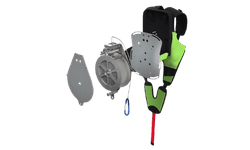
This is the gap that personal escape devices address. Whether a building has traditional fire escapes, modern pressurized stairwells, or some combination of both, a personal controlled-descent device provides an option that is entirely under the control of the individual resident — not dependent on building maintenance schedules, regulatory compliance, or the availability of emergency services. For residents above the third floor, this personal option is a meaningful addition to whatever building-level systems exist.
SkySaver: Your Personal Fire Escape
SkySaver‘s Controlled Descent Device is, in a meaningful sense, a personal fire escape — one that does not depend on a building’s exterior design, maintenance record, or structural integrity. It attaches to any fixed anchor point near a window, supports safe descent from heights up to 25 stories, and requires no training or physical strength to operate. Whether your building has external fire escapes, modern interior systems, or some combination of both, SkySaver gives you a personal option that you control.
Building codes and regulatory frameworks evolve slowly. Personal preparedness can happen now. Explore SkySaver’s personal escape solutions and ensure your safety plan does not depend entirely on systems you cannot inspect or control.
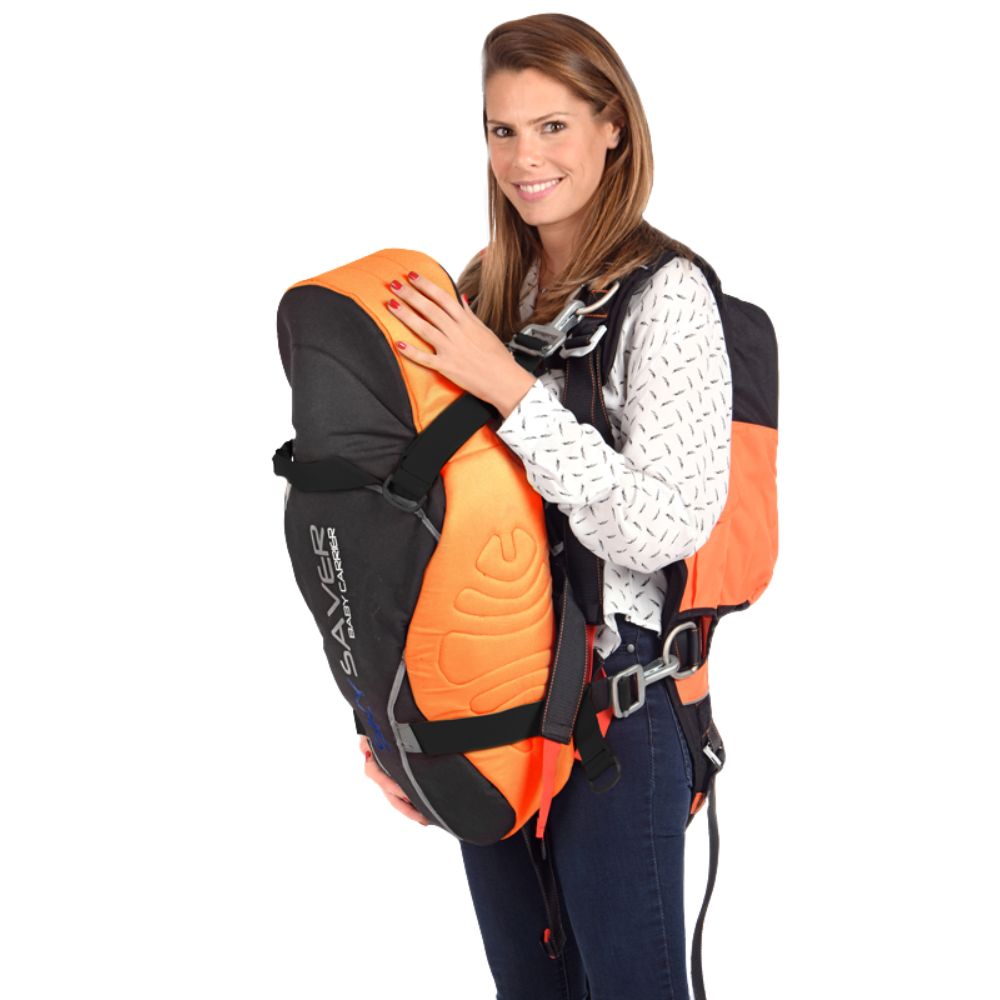
Attachable Baby Harness
Lightweight safety harness for fast and secure infant evacuation in high-rise emergencies.
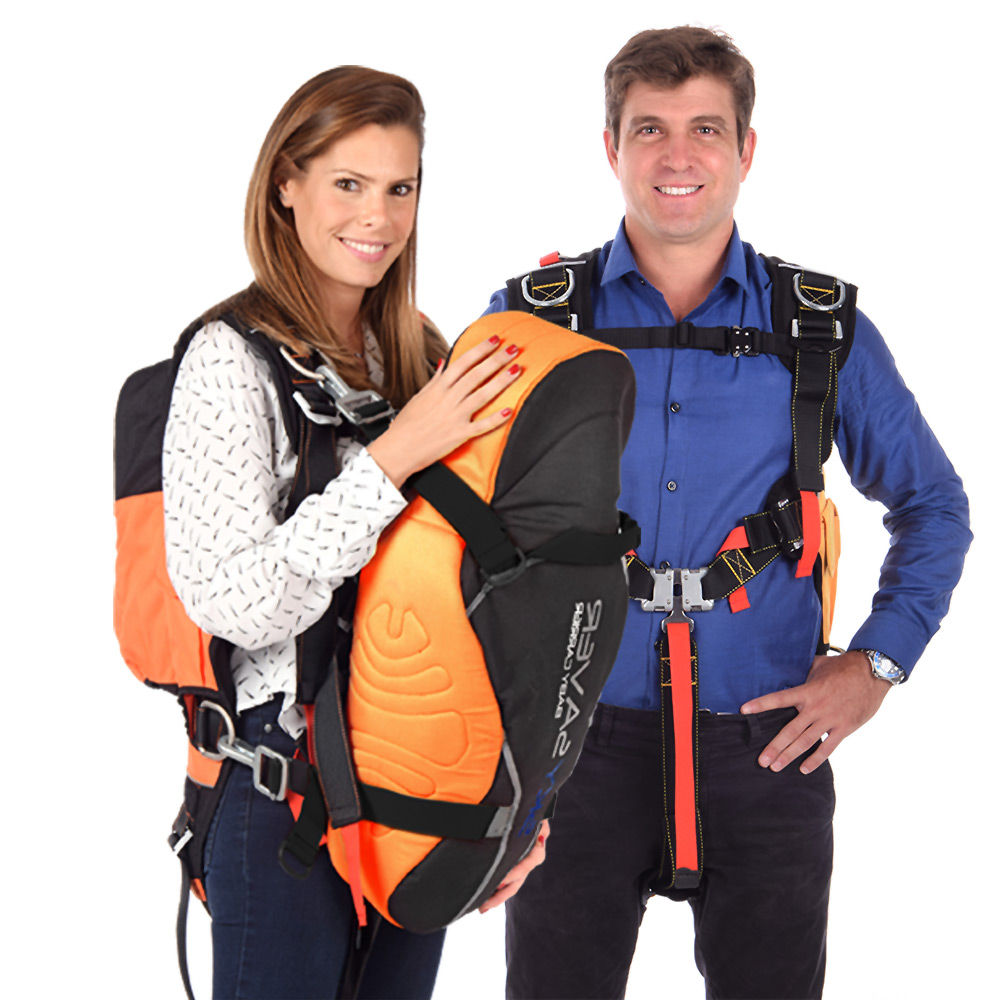
Parent Package
Complete emergency evacuation kit for the parent and dependant. Fast, safe descent from high-rise buildings.
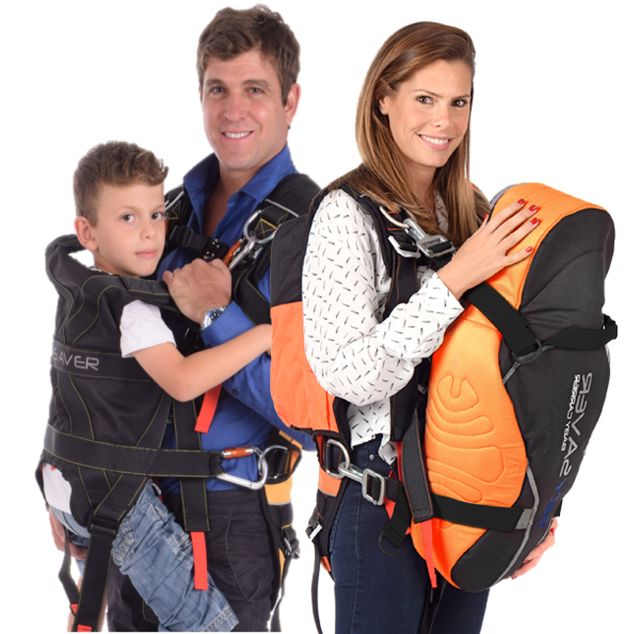
Parent Edition
Complete high-rise evacuation solution for a parent, maximum safety and fast deployment.
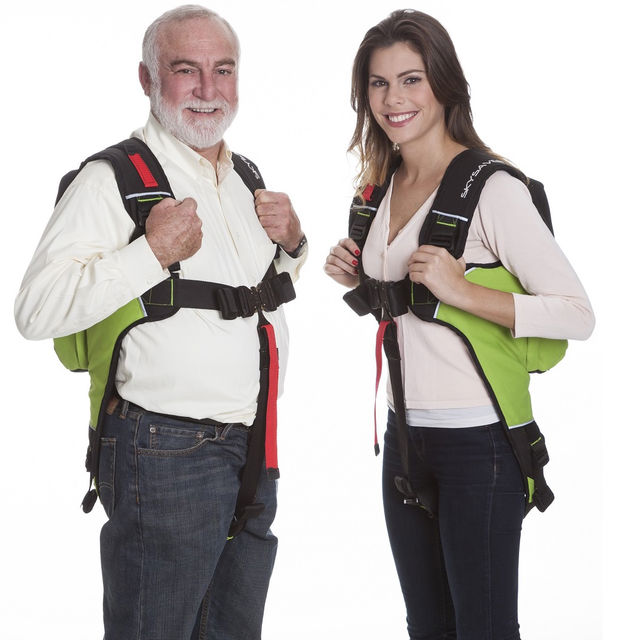
Single Self-Rescue Kit
Complete emergency evacuation kit for high-rise fast, safe descent during critical emergencies.
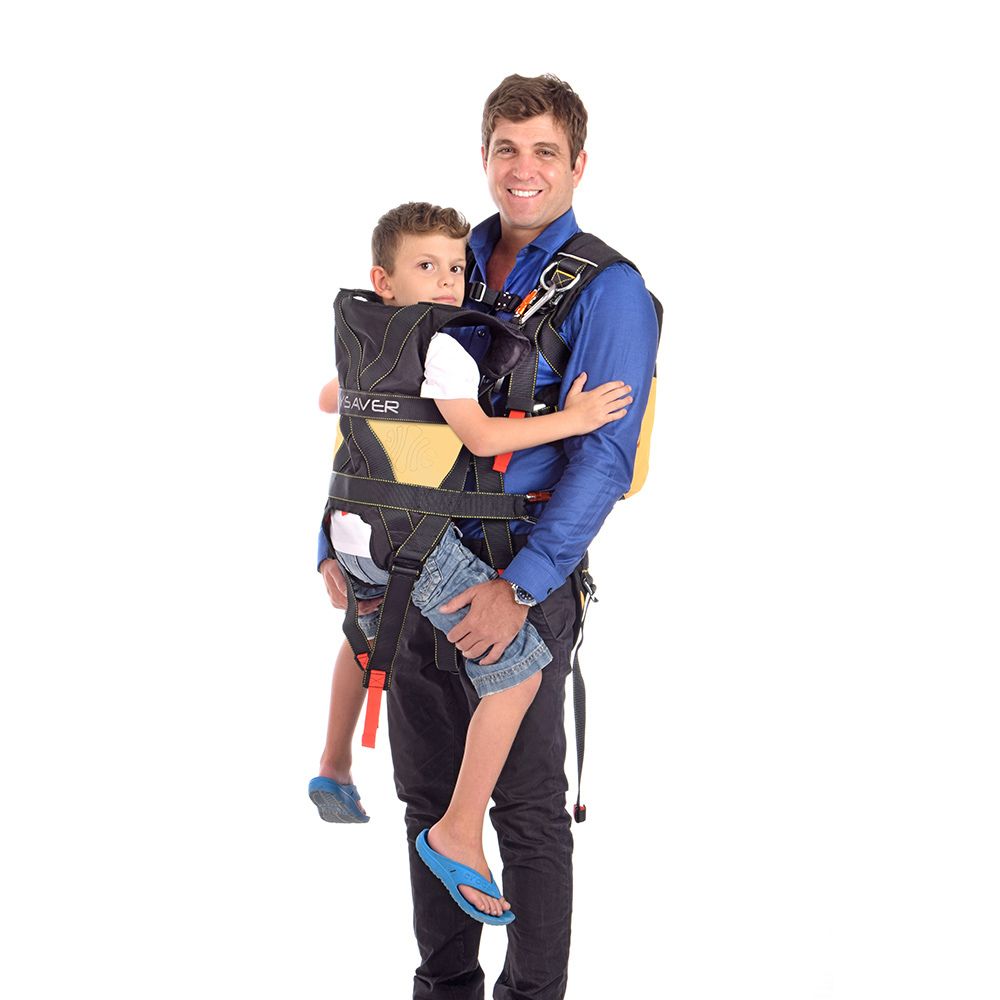
Attachable Child Harness
Lightweight child safety harness designed for secure, controlled evacuation from high-rise buildings.
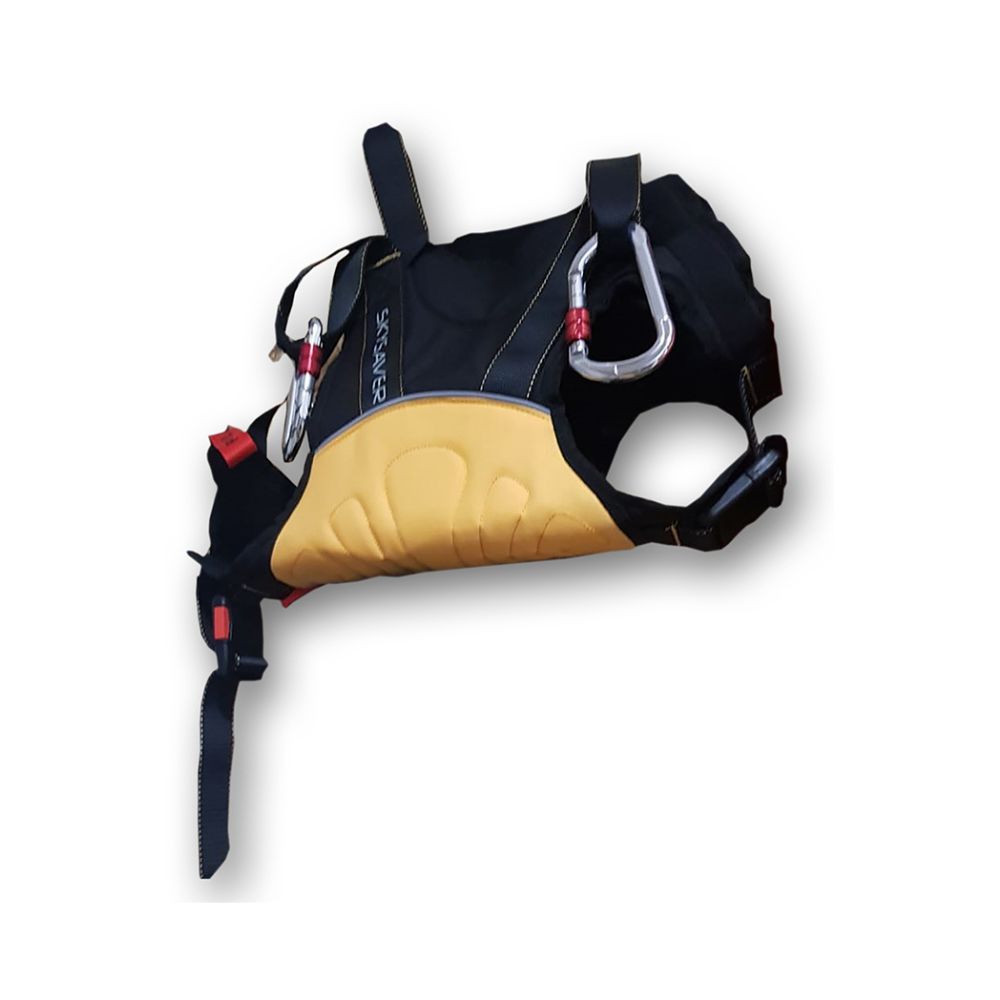
Attachable Pet Harnesses
Secure, lightweight safety harness designed for fast and controlled pet evacuation from high-rise buildings.

single Self-Rescue Harnesseses
Professional external safety harness for secure personal evacuation from high-rise buildings.
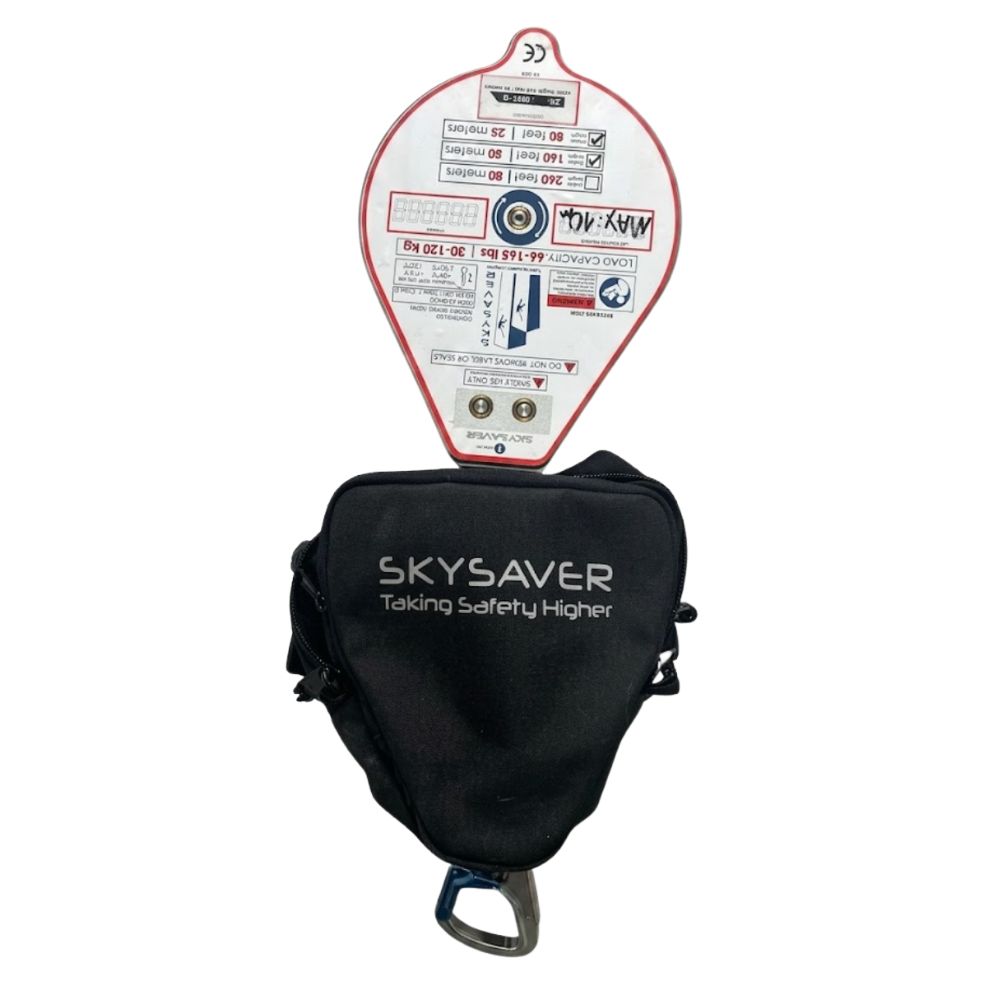
Controlled Descent Device (CDD)
External CDD unit for safe, controlled descent during high-rise emergency evacuation.