The instinct to get out of a burning building as quickly as possible is deeply ingrained — and in most residential fire scenarios, it is the right instinct. But in a high-rise building, the relationship between evacuation and safety is more complex than the fundamental rule suggests. The question of whether every occupant should evacuate during a high-rise fire is one that fire safety professionals, building managers, and emergency services have grappled with for decades, and the answer is nuanced in ways that every high-rise resident should understand before an emergency occurs.
The Shelter-in-Place Principle
Modern high-rise fire safety design is built around a concept called compartmentalization — the idea that a well-constructed high-rise building can contain a fire within a limited area for a sufficient period to allow targeted evacuation and firefighting operations. Fire-rated floor assemblies, fire-rated corridor walls, and fire-rated doors are all designed to prevent a fire from spreading beyond its floor of origin for a defined period, typically one to two hours in well-maintained modern buildings.
If this compartmentalization is effective, then the safest course of action for residents on floors remote from the fire may actually be to remain in place rather than descend through stairwells that may become congested, smoke-affected, or physically dangerous as hundreds of residents attempt simultaneous evacuation. This is the shelter-in-place principle: in the right circumstances, staying put is safer than moving through a building in which conditions are evolving rapidly and unpredictably.
When Shelter-in-Place Is the Wrong Choice
The shelter-in-place principle does not apply universally, and misapplying it can be as dangerous as unnecessary mass evacuation. If smoke is visible in your unit or in the corridor outside your door, the compartmentalization has already been breached and the situation on your floor is already serious. If you can smell smoke — not just a faint trace but the pervasive, acrid smell of active combustion — the conditions around you are deteriorating and immediate action is warranted.
If the fire is on your floor or in a directly adjacent unit, the calculus changes entirely. In this scenario, evacuation is urgent and should happen immediately, via the least smoke-affected route available. Understanding the specific protocols for evacuating high-rise fires helps clarify when movement is necessary and how to execute it most safely.

The Role of Building-Wide Communication
One of the most important factors in high-rise fire response is building-wide communication — the ability of building management and emergency services to convey accurate, real-time information about which floors are affected and what action is recommended for each area. Modern high-rise buildings are increasingly equipped with voice alarm systems that can deliver floor-specific instructions rather than a single alarm tone that everyone responds to identically, regardless of their proximity to the fire.
When this communication works effectively, it allows for a staged, managed evacuation in which the most at-risk floors are prioritized and other floors receive accurate guidance about whether evacuation or shelter-in-place is appropriate. When it fails — or when residents ignore or misinterpret the instructions — the result can be mass confusion, stairwells overwhelmed with evacuating residents, and emergency services unable to move efficiently through the building to fight the fire and rescue those who genuinely need assistance.
What You Should Decide Now, Not During the Emergency
The worst time to work through the decision framework of shelter-in-place versus evacuation is in the middle of the emergency itself. The cognitive effects of stress and the sensory disruption of alarms, smoke, and shouting neighbors dramatically reduce the quality of in-the-moment decision-making. The time to understand this framework is now, when you can think clearly and consult the guidance provided by your building’s management team.
Review your building’s fire emergency procedures. Understand what the fire alarm system in your building is designed to communicate. Know the location of both stairwells relative to your unit. Know what the indicators of a serious local threat look like versus a fire on a distant floor. And have a plan that accounts for both scenarios — including what you will do if stairwells are inaccessible and shelter-in-place is also not viable. Creating a comprehensive emergency plan that covers these scenarios is the most productive preparedness step you can take.
SkySaver: Your Option When Neither Plan Works
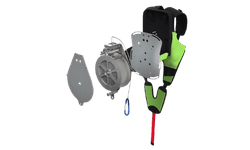
The scenario that both evacuation and shelter-in-place cannot address is the one where your floor is directly threatened and stairwells are inaccessible. This is the scenario for which SkySaver‘s Controlled Descent Device exists. When every conventional option has been exhausted, the window becomes the exit — and SkySaver provides the equipment to make window-based descent safe, controlled, and survivable at heights up to 25 stories.
Preparedness means having an answer to every scenario, not just the most common ones. Explore SkySaver’s personal escape solutions and ensure that your emergency plan has an answer even for the worst-case scenario.
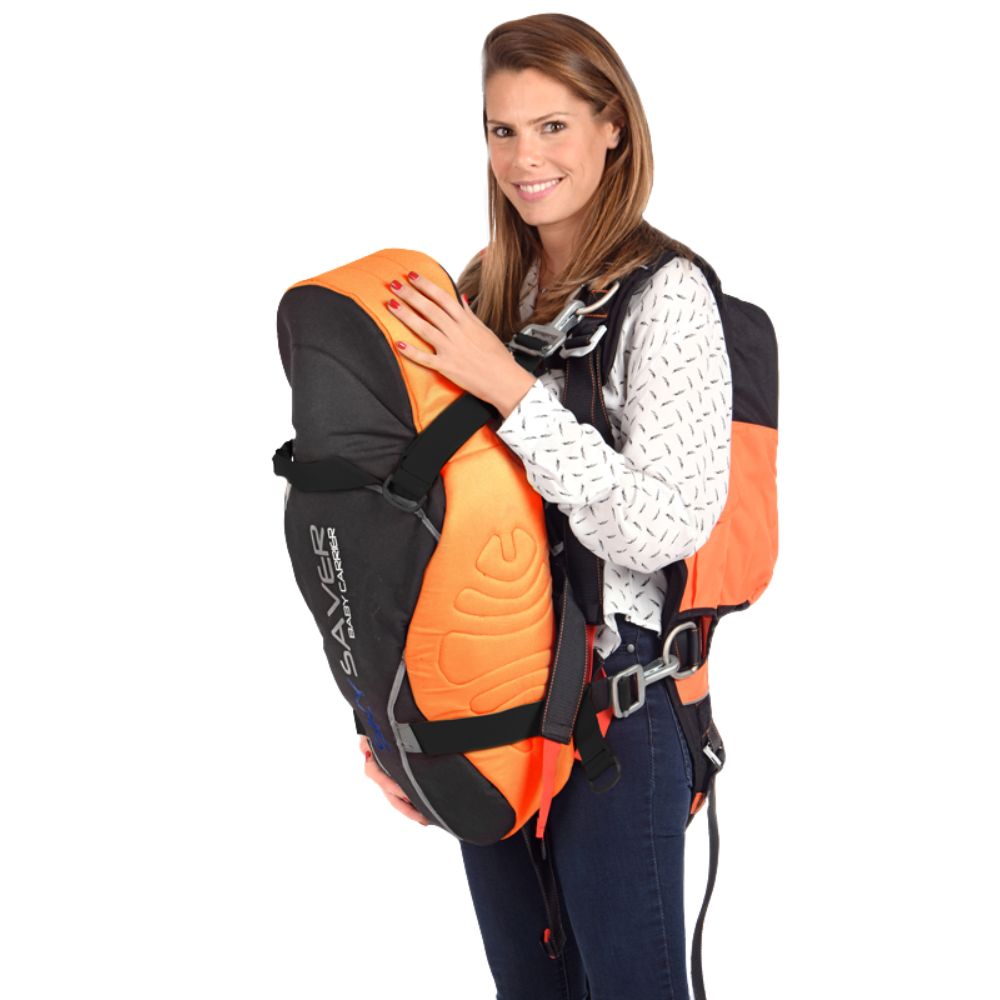
Attachable Baby Harness
Lightweight safety harness for fast and secure infant evacuation in high-rise emergencies.
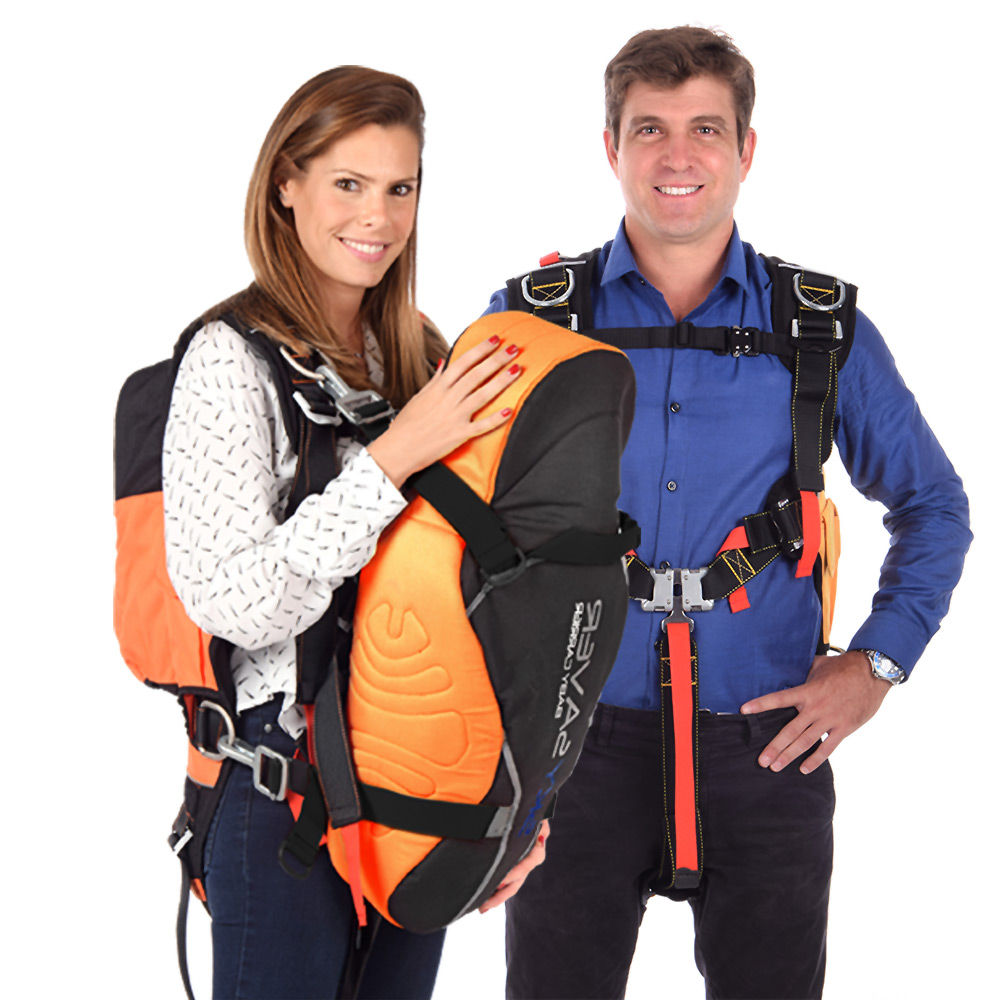
Parent Package
Complete emergency evacuation kit for the parent and dependant. Fast, safe descent from high-rise buildings.
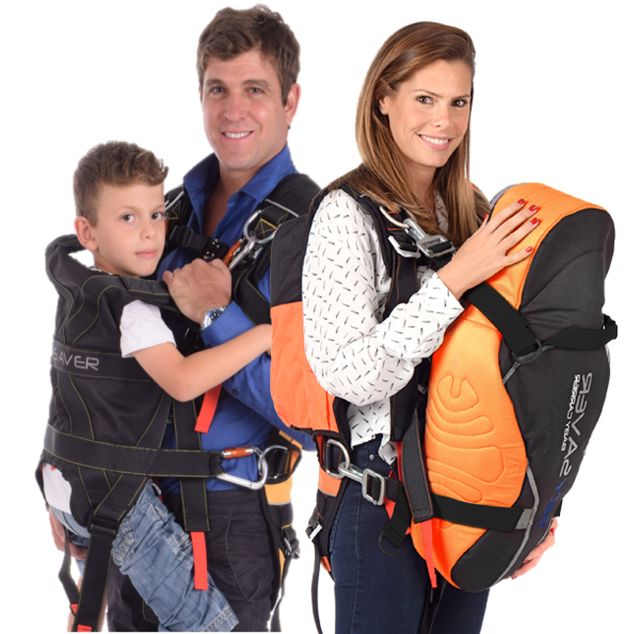
Parent Edition
Complete high-rise evacuation solution for a parent, maximum safety and fast deployment.
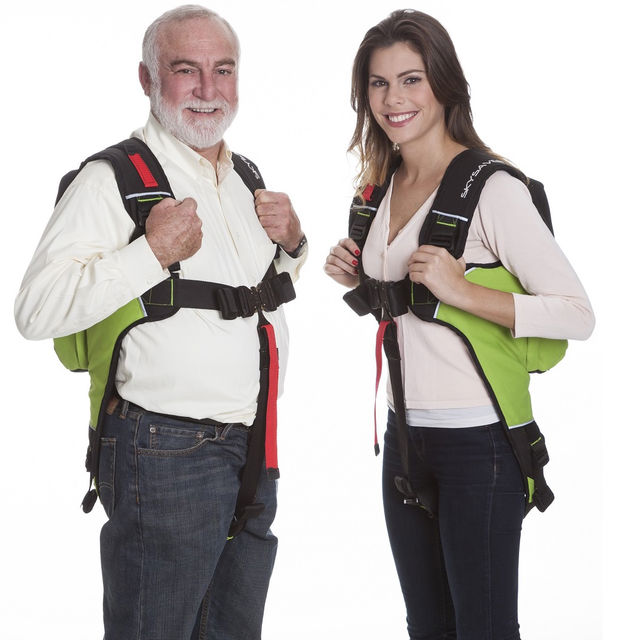
Single Self-Rescue Kit
Complete emergency evacuation kit for high-rise fast, safe descent during critical emergencies.
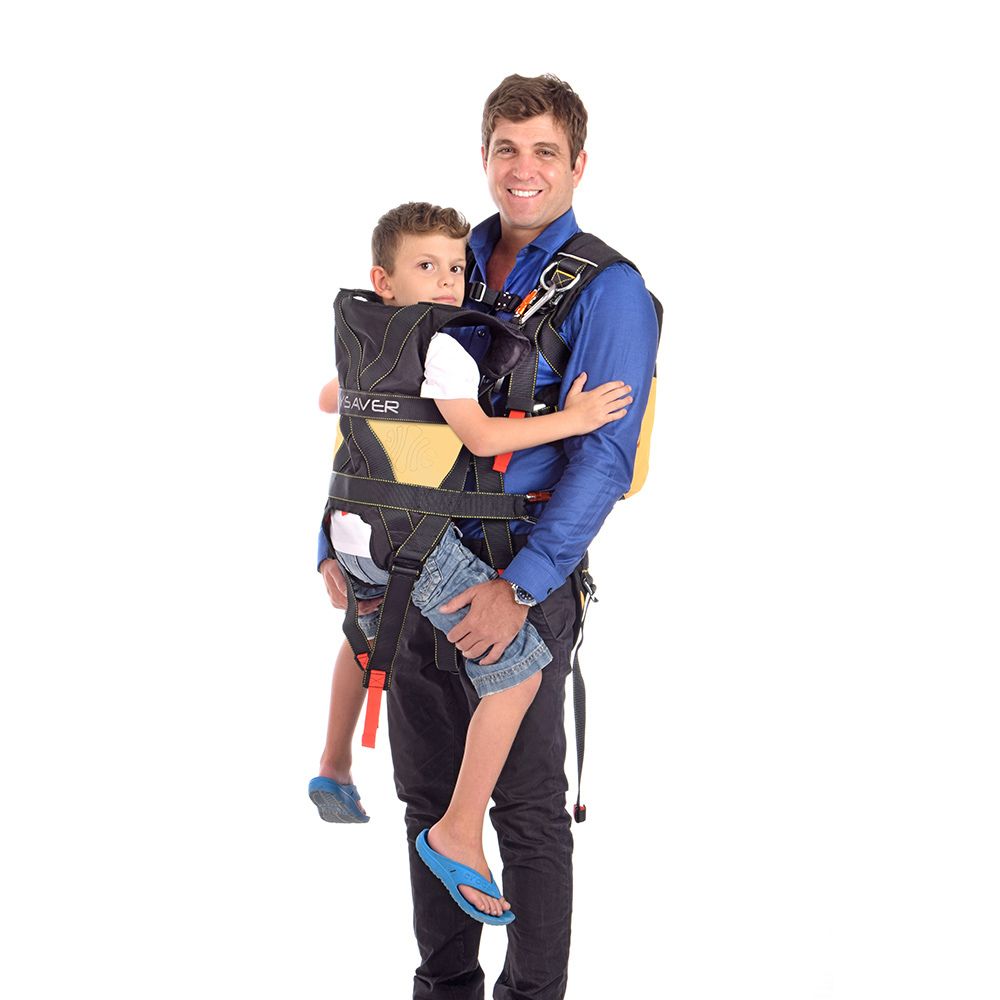
Attachable Child Harness
Lightweight child safety harness designed for secure, controlled evacuation from high-rise buildings.
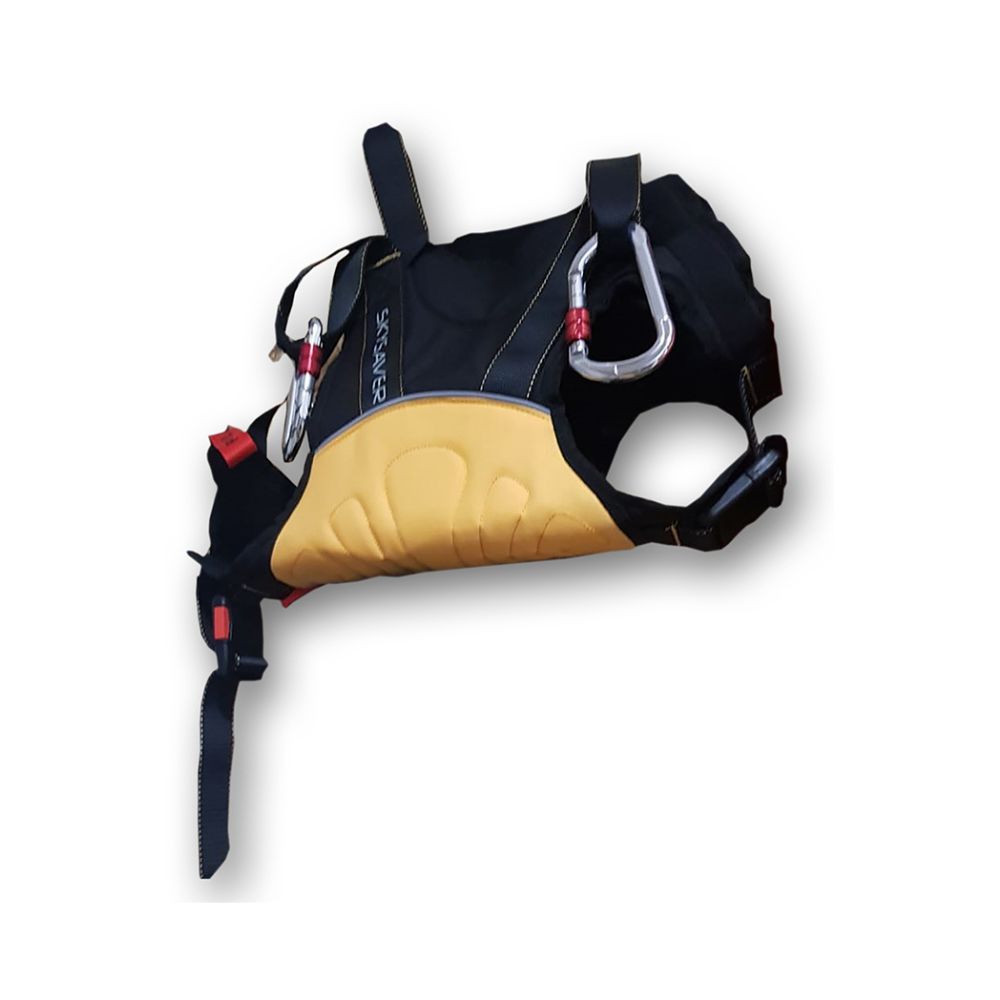
Attachable Pet Harnesses
Secure, lightweight safety harness designed for fast and controlled pet evacuation from high-rise buildings.

single Self-Rescue Harnesseses
Professional external safety harness for secure personal evacuation from high-rise buildings.
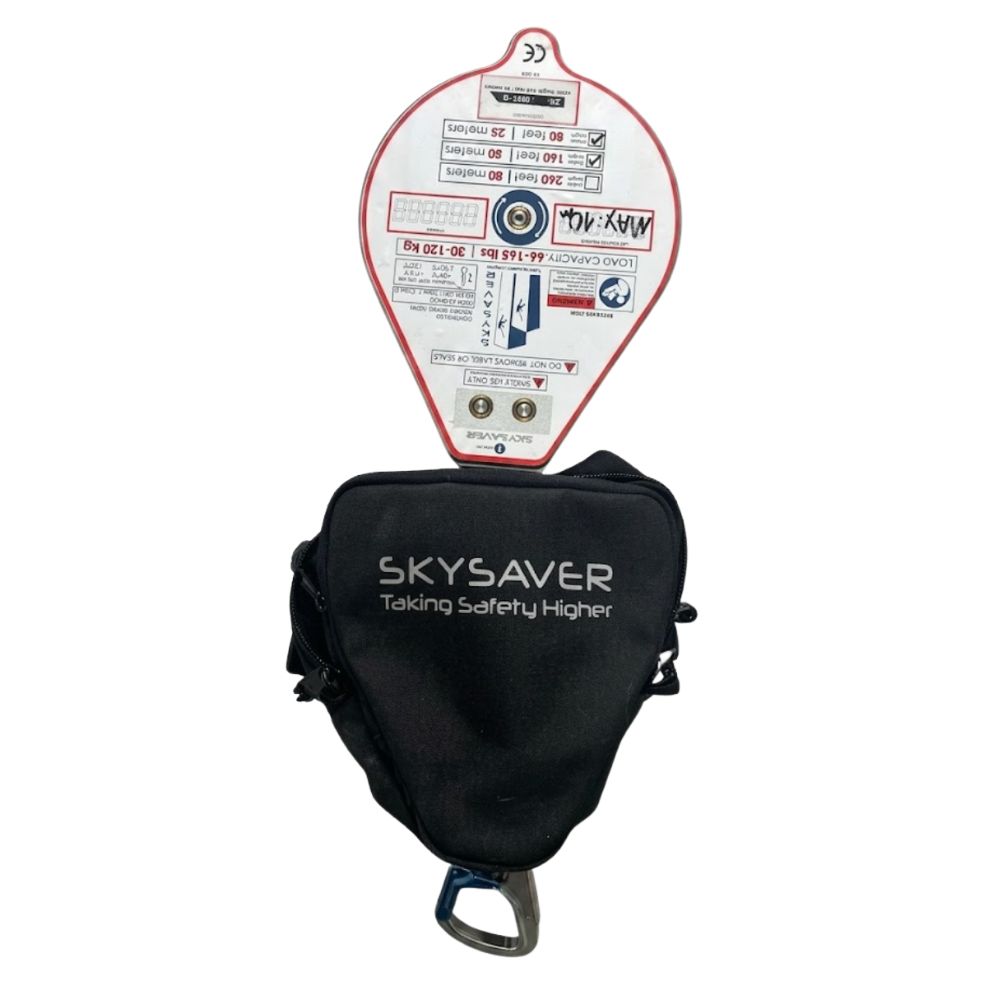
Controlled Descent Device (CDD)
External CDD unit for safe, controlled descent during high-rise emergency evacuation.