Fire has been a dramatic staple of cinema since the earliest days of the medium. From the burning of Atlanta in Gone With the Wind to the climactic infernos of modern action blockbusters, fire on screen is spectacular, emotionally resonant, and almost invariably inaccurate. The ways in which movies portray fire behavior, fire survival, and fire safety carry real consequences — they shape the intuitions and expectations of audiences who have little other basis for understanding what a real fire emergency looks and feels like. Examining what films get right and what they get spectacularly wrong is a genuinely useful exercise in fire safety education.
The Hollywood Fire: Spectacular But Misleading
The most fundamental distortion that movies introduce is temporal. Film fires burn dramatically and visually in a way that real fires rarely do, and they do so over extended periods during which characters make decisions, deliver dialogue, search for loved ones, and generally behave as though time is not a critical constraint. Real residential fires can render a room unsurvivable in two to three minutes. The action film hero who calmly navigates burning corridors, exchanges meaningful conversation, and ultimately carries an unconscious victim to safety is operating in a fire timeline that does not exist outside of fiction.
This distortion is not just aesthetically inaccurate — it is actively dangerous if it shapes viewers’ expectations of how much time they would have in a real fire emergency. The correct mental model is the opposite of what movies suggest: assume you have almost no time, that the situation will worsen faster than you expect, and that every second of hesitation costs you options that will not be available moments later. Understanding the actual speed at which fire spreads provides the right calibration for this mental model.
What Movies Get Right
It would be unfair to suggest that cinema has no useful fire safety content. A handful of films have treated fire with meaningful accuracy and have communicated real safety lessons effectively. Backdraft, the 1991 Ron Howard film about Chicago firefighters, is notable for its authentic portrayal of fire behavior — including the backdraft phenomenon (where a fire starved of oxygen explodes violently when fresh air is introduced) and the physical demands placed on firefighters in structural fires. The film’s technical consultation with real firefighters produced a more accurate depiction of fire dynamics than most entertainment productions.
More broadly, films that portray fire as fast, unpredictable, and deadly — rather than as a navigable obstacle — are performing a genuine public service by correcting the cognitive bias toward underestimating fire risk. The emotional impact of a well-crafted fire scene can motivate preparedness in ways that dry statistics cannot, and this motivational effect is valuable even when the specific details are not entirely accurate.
The Smoke Problem in Cinema
Perhaps the most consistently inaccurate element of movie fires is the depiction of smoke. On screen, characters routinely move through smoke-filled environments with minimal apparent effect on their breathing, vision, or cognitive function. In reality, the toxic byproducts of combustion — carbon monoxide, hydrogen cyanide, and fine particulates — can cause rapid incapacitation. A person exposed to heavy smoke in a real fire may lose the ability to navigate effectively within a minute or two, regardless of how calm and determined they are.
This misrepresentation has practical implications. People who have internalized the movie model of fire survival may plan to navigate through smoke to reach an exit, not understanding that this plan depends on a level of cognitive and physical function that smoke exposure may have already compromised. The correct approach is to avoid smoke exposure wherever possible — to seal gaps under doors, find the cleanest available air, and move quickly through any smoke-filled areas rather than taking a deliberate path through them.
High-Rise Fires and the Action Movie Fantasy
High-rise fire scenes in action movies — characters rappelling down building exteriors, leaping between floors, smashing through windows — are almost entirely divorced from the real physics and logistics of high-rise fire escape. The improvised rope descents that populate action cinema are not survivable in reality; the strength required to control a descent by hand over multiple stories exceeds what most people can maintain, and the rope materials typically shown would not support the load.
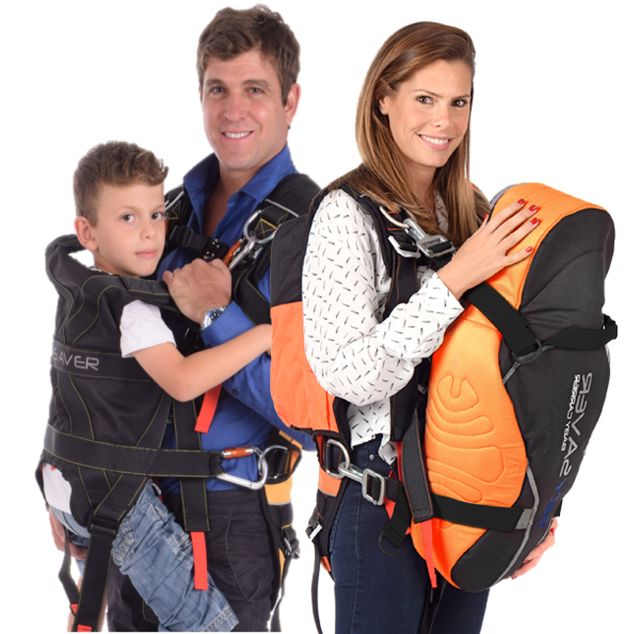
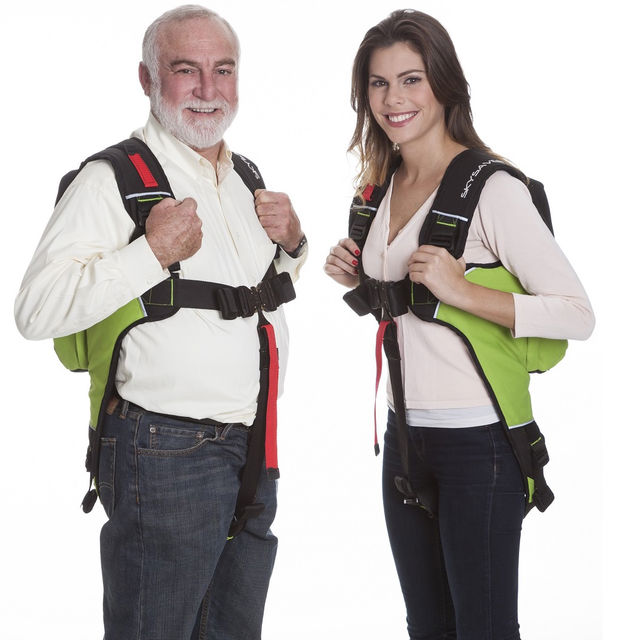
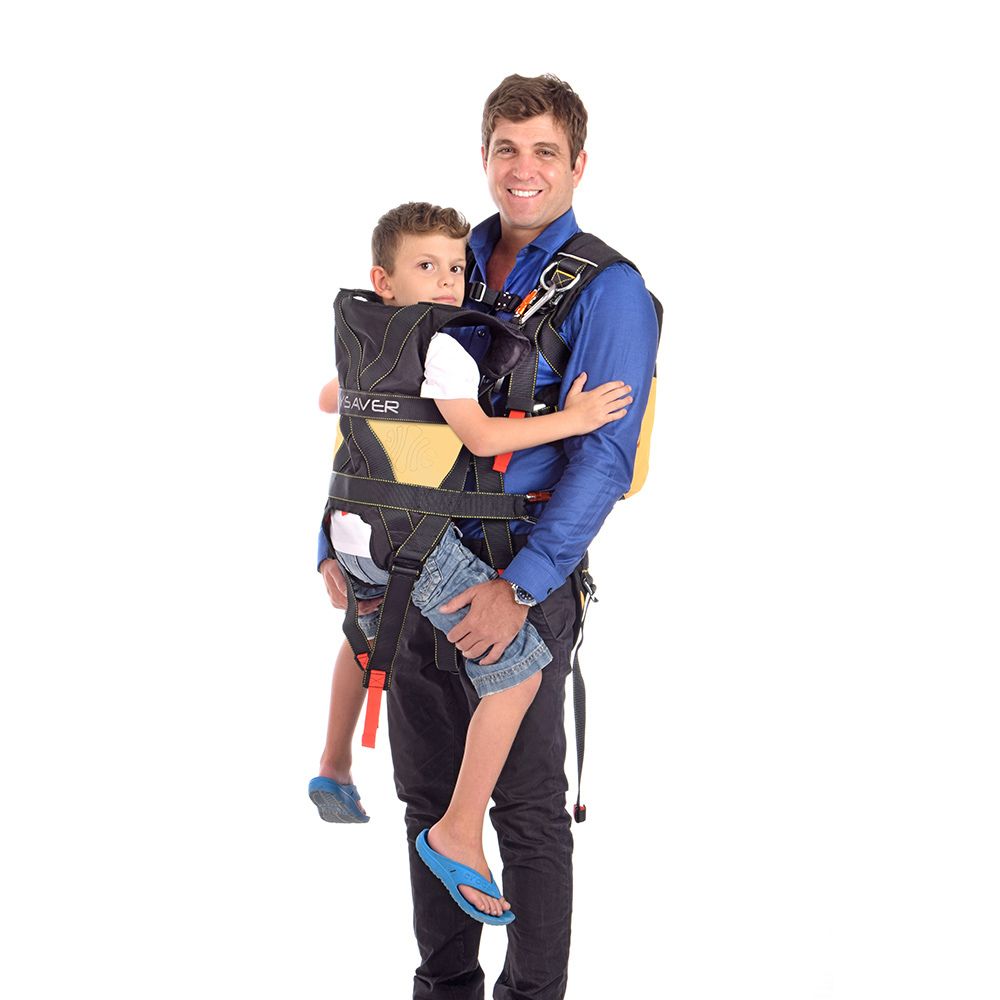
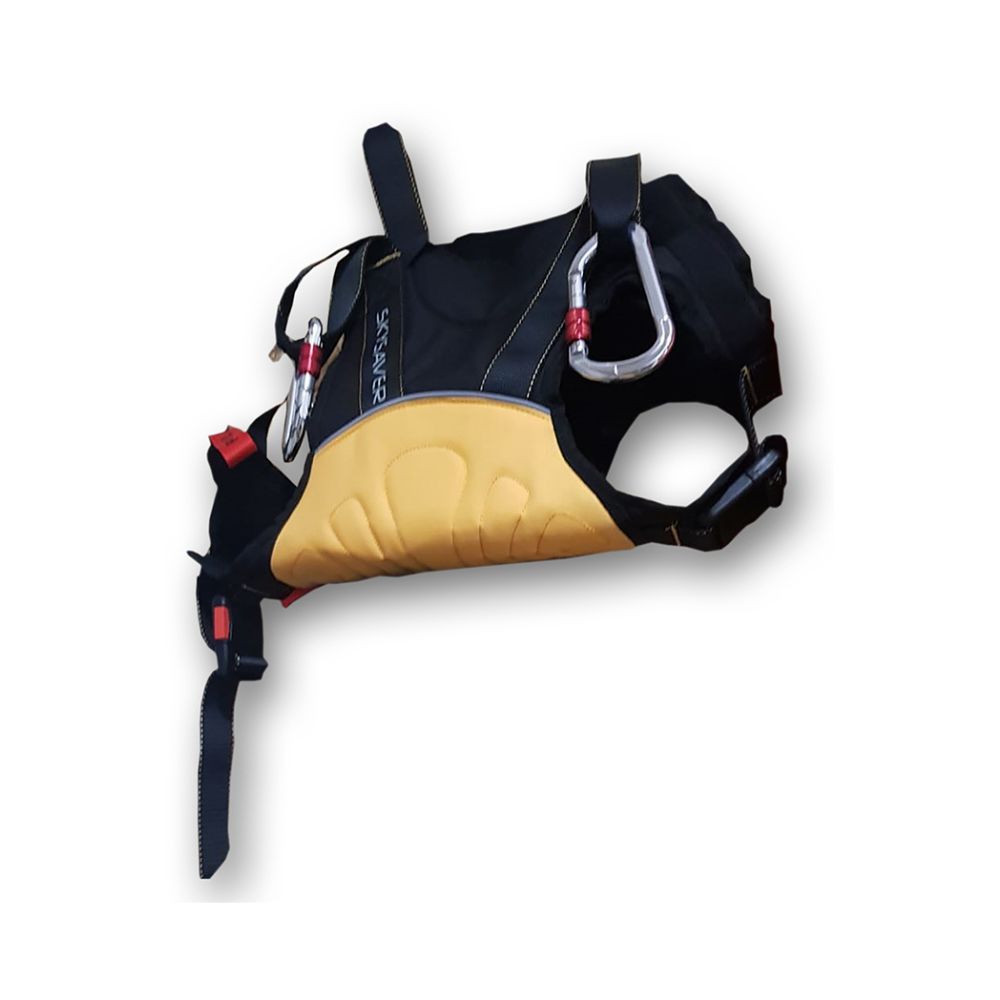
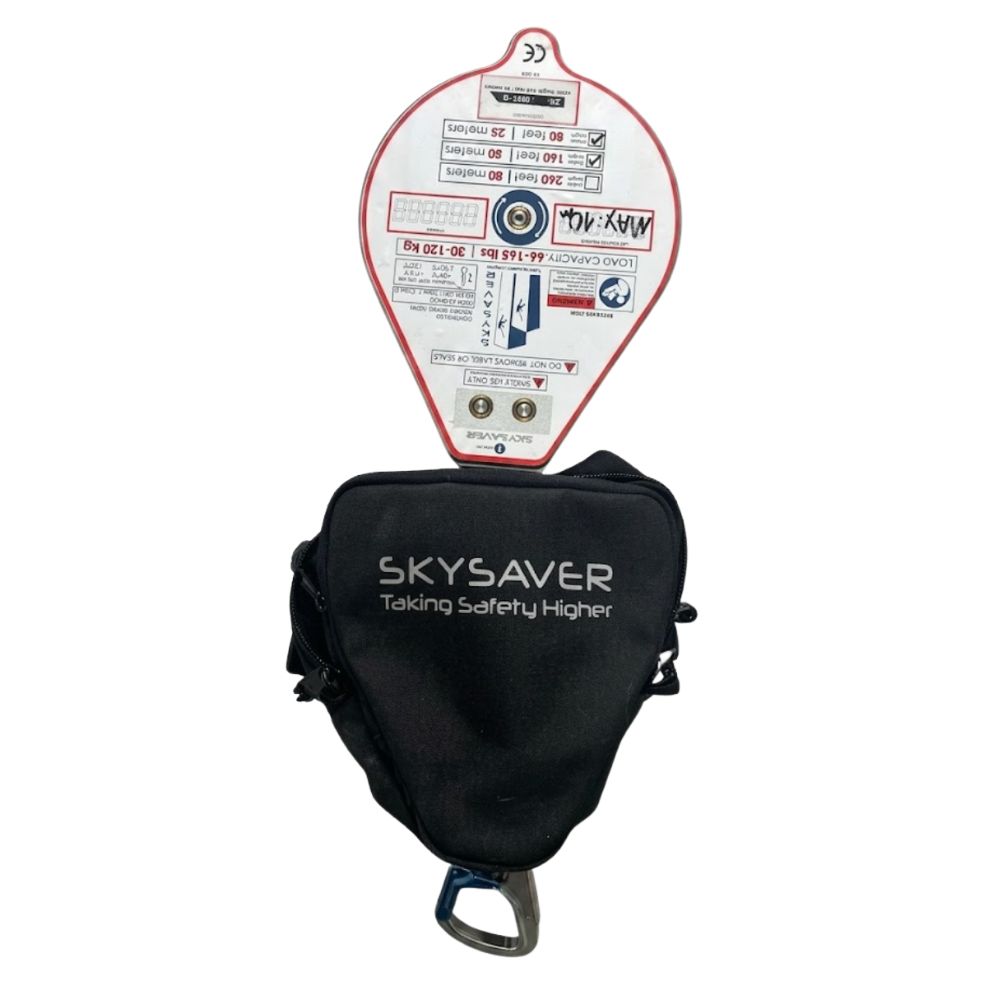
The practical reality of high-rise fire evacuation is far less cinematic and far more survivable when approached with proper equipment. A controlled-descent device does not require the physical feat portrayed in action movies — it manages the descent automatically, requiring only that the user put on a harness and step through a window.
SkySaver: Escape That Works in Reality, Not Just on Screen
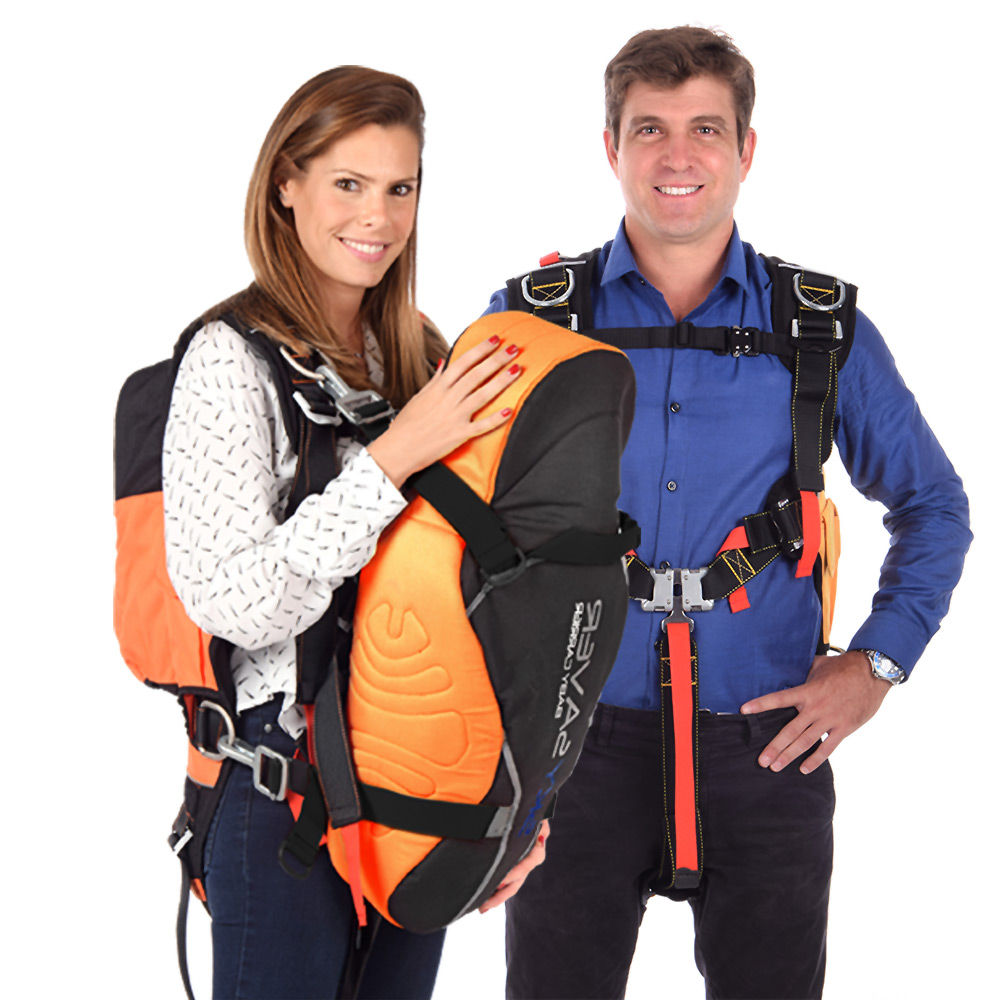
At SkySaver, we design for real people in real emergencies — not for the fictional fire scenarios of Hollywood. Our Controlled Descent Device provides a window-based escape option that works within the actual physics and time constraints of a high-rise fire emergency. No superhuman strength required. No improvised rope. Just a certified, tested device that lowers you safely from your window to the ground.
Real fire safety is not dramatic — but it works. Explore SkySaver’s personal escape solutions and build your preparedness on facts rather than film.