Fire investigators and fire safety organizations have tracked the causes of residential fires for decades, and the data reveals a clear and consistent pattern: the overwhelming majority of home fires share the same handful of causes. While fires can start in unexpected ways, four categories account for the large majority of residential fire incidents in the United States and in most developed countries around the world. Understanding these causes — and more importantly, the specific behaviors and conditions that enable them — is the foundation of effective fire prevention.

Cooking: The Leading Cause of Residential Fires
Cooking equipment — stoves, ovens, toasters, and microwaves — is responsible for the largest proportion of residential fires in the United States, accounting for roughly half of all reported home fires each year. The specific mechanism is almost always the same: unattended cooking. A pot of oil left on a high flame. A forgotten item in the oven. A dish left warming on the stovetop while the cook steps away briefly. In each case, the fire begins because no one is watching the heat source and available to intervene before the situation escalates.
The solution is straightforward but requires discipline: never leave cooking unattended, particularly when using significant heat or oil. When you must step away from the stove, turn off the burner. Keep the cooking area clear of flammable materials — dish towels, paper bags, cardboard packaging — that can ignite from splatter or proximity to heat. And keep a working fire extinguisher rated for kitchen use within easy reach. Grease fires in particular are not intuitive to extinguish — water makes them dramatically worse, causing a violent explosion of burning oil. A class K extinguisher or a close-fitting lid on the pan are the correct responses.
Heating Equipment: The Winter Risk
Heating equipment — space heaters, fireplaces, wood stoves, and central heating systems — is the second most significant cause of residential fires, with incidents peaking sharply during the colder months of the year. Portable space heaters are particularly associated with fire risk: placed too close to flammable materials, left on while occupants sleep, or used in spaces with inadequate ventilation, they are responsible for a significant proportion of heating-related fire deaths every year.
The three-foot rule — maintaining a minimum three-foot clearance between any heating equipment and any flammable material — dramatically reduces the risk from space heaters. Fireplaces and wood stoves require regular cleaning to prevent the buildup of creosote, a highly flammable byproduct of wood combustion that can ignite within the chimney and cause a chimney fire. Central heating systems should be inspected annually by qualified technicians. These maintenance habits are not glamorous — but they are effective.

Electrical Faults: The Hidden Risk
Electrical fires are among the most insidious in the residential context because they often begin in walls, ceilings, or other concealed spaces where they can develop undetected for some time before becoming apparent. The root causes include aged or damaged wiring, overloaded circuits, faulty appliances, and improper use of extension cords and power strips. Homes built before modern electrical codes came into effect may have wiring that is not rated for the electrical loads of contemporary appliance and electronics use, creating a structural risk that is not addressed by vigilant behavior alone.
Signs of electrical problems — outlets or switches that feel warm to the touch, frequent circuit breaker trips, flickering lights, or burning smells from electrical equipment — should be taken seriously and investigated by a licensed electrician. Daisy-chaining extension cords, using high-draw appliances on extension cords rather than direct outlets, and overloading power strips are all common behaviors that significantly increase electrical fire risk. Understanding what causes electrical fires in detail is valuable for any homeowner or renter.
Smoking Materials: A Declining But Still Significant Risk
While smoking rates have declined significantly in most developed countries over the past several decades, smoking materials remain a leading cause of residential fire fatalities. The particular danger of smoking-related fires is that they frequently start when a smoker has fallen asleep — with a lit cigarette that falls onto bedding, upholstered furniture, or carpet. These fires can smolder for extended periods before igniting into full flame, sometimes allowing smoke to accumulate to dangerous levels before the fire itself becomes visible.
The risks are dramatically reduced by never smoking in bed or while fatigued, using large, stable ashtrays that do not tip easily, extinguishing cigarette butts completely — not simply pressing them out but ensuring they are fully cold — and keeping smoking materials well away from flammable materials. The combination of smoldering ignition, sleeping occupants, and delayed detection makes smoking-related fires disproportionately deadly relative to their frequency.
Preparedness Beyond Prevention
Understanding and addressing these four primary causes of residential fire significantly reduces risk — but does not eliminate it. Fires can start from causes that no amount of prevention could anticipate, and the consequences of a fire that does start depend heavily on how prepared occupants are to respond. Early detection via functioning smoke alarms, clear escape routes, and for those in high-rise buildings, personal escape equipment appropriate for the height of their floor all contribute to survivability when prevention alone is not enough.
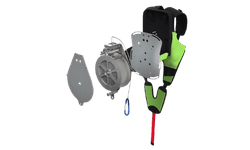
SkySaver‘s Controlled Descent Device addresses the high-rise escape challenge specifically — providing a window-based exit option when conventional routes are compromised, regardless of the cause of the fire. Explore SkySaver’s personal escape solutions and complete your fire safety strategy with both prevention and preparedness working together.

Attachable Baby Harness
Lightweight safety harness for fast and secure infant evacuation in high-rise emergencies.

Parent Package
Complete emergency evacuation kit for the parent and dependant. Fast, safe descent from high-rise buildings.

Parent Edition
Complete high-rise evacuation solution for a parent, maximum safety and fast deployment.

Single Self-Rescue Kit
Complete emergency evacuation kit for high-rise fast, safe descent during critical emergencies.
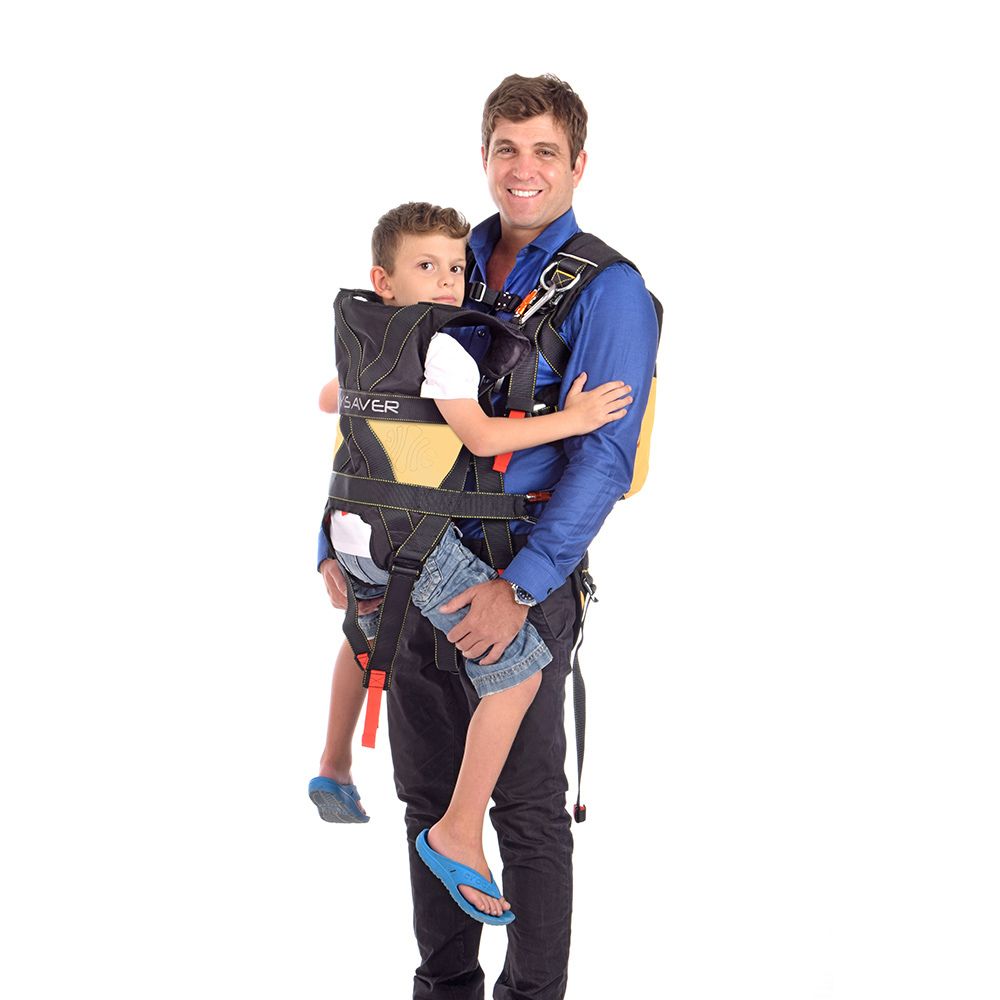
Attachable Child Harness
Lightweight child safety harness designed for secure, controlled evacuation from high-rise buildings.
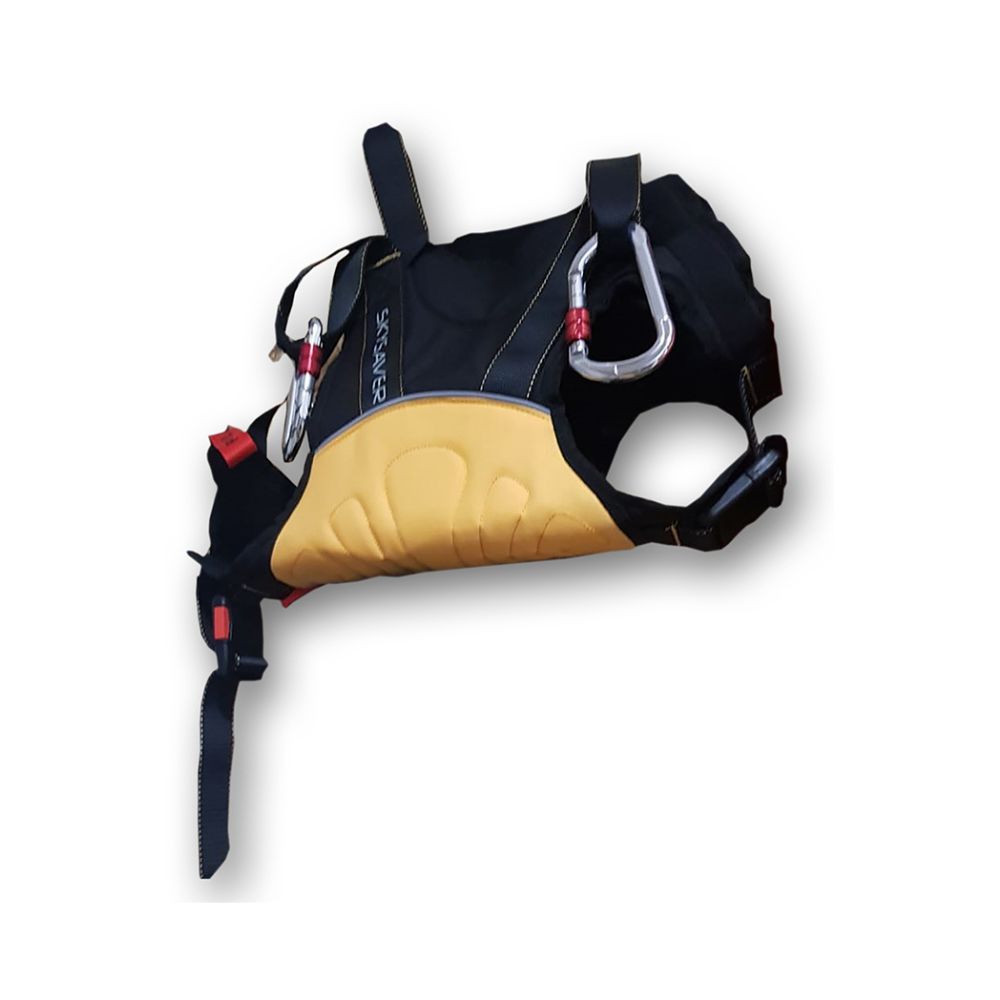
Attachable Pet Harnesses
Secure, lightweight safety harness designed for fast and controlled pet evacuation from high-rise buildings.

single Self-Rescue Harnesseses
Professional external safety harness for secure personal evacuation from high-rise buildings.
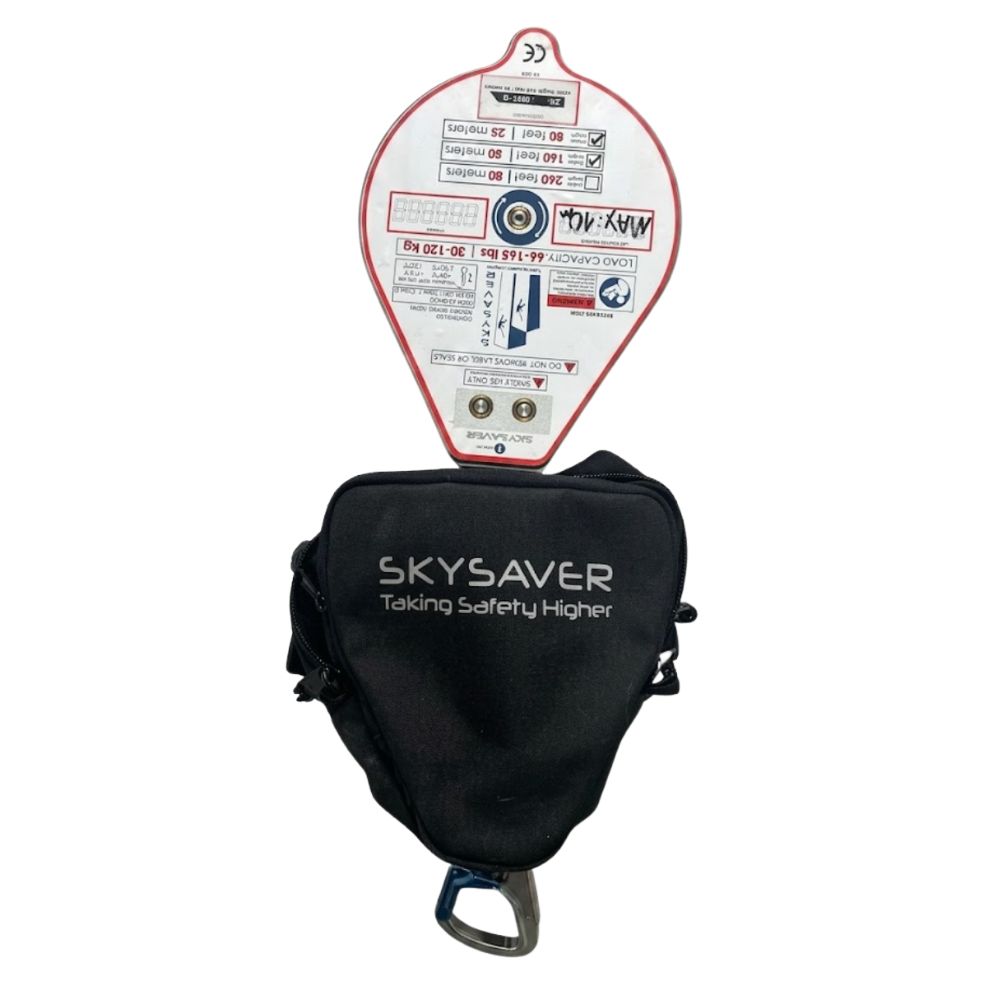
Controlled Descent Device (CDD)
External CDD unit for safe, controlled descent during high-rise emergency evacuation.