From the moment children are old enough to understand danger, they are taught to stay away from fire. The warning is instinctive and correct — but it is rarely accompanied by an explanation of what fire actually is, how it behaves, and why it demands such respect. Understanding fire at a fundamental level transforms it from a vague, mysterious danger into a comprehensible phenomenon whose risks can be assessed, managed, and responded to with intelligence rather than just fear.
Fire has shaped human civilization. It has cooked food, driven engines, heated homes, and forged metals. It has also destroyed cities, claimed lives, and reshaped landscapes. The same chemical process underlies all of these outcomes. Understanding that process is the foundation of genuine fire safety literacy.

The Fire Triangle: Heat, Fuel, and Oxygen
Fire is not a substance — it is a process. Specifically, it is a self-sustaining chemical reaction known as combustion. Three elements are required for combustion to occur and continue: heat, fuel, and oxygen. These three are often represented as the “fire triangle,” and the model is a powerful conceptual tool because it makes fire’s vulnerabilities immediately obvious. Remove any one side of the triangle and the fire cannot persist. This is the underlying logic behind every firefighting method ever devised — whether dousing with water (which removes heat), smothering with foam or sand (which removes oxygen), or removing combustible materials from a fire’s path (which removes fuel).
Each element of the triangle plays a distinct and essential role. Together they create conditions in which the combustion reaction not only occurs but sustains itself — generating more heat, consuming more fuel, drawing in more oxygen — until one of the three elements is exhausted or removed.
Heat: The Engine of Fire

Heat is both the trigger and the product of fire. A fire must first be supplied with sufficient heat to raise a fuel source to its ignition temperature — the point at which the fuel begins to release flammable gases that can react with oxygen. Once combustion begins, the reaction itself generates heat, which sustains further combustion and raises surrounding materials toward their own ignition temperatures. This self-reinforcing cycle is what gives fire its exponential growth potential.
Heat moves through three distinct mechanisms. Convection transfers heat through the movement of gases or liquids — hot air rises, carrying thermal energy upward and outward, which is why fires in multi-story buildings can extend to floors far above the point of origin. Radiation transmits heat as electromagnetic energy through space, without requiring any medium — this is how the sun warms the earth, and how a fire can ignite materials across a room without direct contact. Conduction transfers heat between objects in physical contact — a metal door handle heats up as fire approaches from the other side, which is why touching doors before opening them is a fundamental evacuation safety rule.
Understanding heat transfer mechanisms has direct practical implications. For residents of high-rise buildings, the convective rise of hot gases through elevator shafts, stairwells, and HVAC systems explains why fires spread so rapidly in tall buildings — heat and smoke travel upward with extraordinary efficiency through these vertical channels.
Fuel: What Fire Consumes

Fuel is any material capable of undergoing combustion — any substance that the fire can chemically oxidize while releasing energy. In practical terms, this encompasses an enormous range of materials: wood, paper, fabric, plastics, oils, natural gas, and virtually all organic substances. Even metals can burn under the right conditions, though most require temperatures far higher than a typical structure fire to ignite.
The moisture content of a fuel is a critical variable in how readily and rapidly it burns. Dry materials ignite more easily and burn more intensely than wet ones because water absorbs heat without contributing to the combustion reaction. This is why wildfires accelerate dramatically during droughts — vegetation that has lost its moisture through prolonged heat and low humidity becomes extraordinarily combustible. Fine fuels like dry grass and leaves ignite quickly and burn fast, while heavier fuels like logs and structural timbers take longer to reach ignition temperature but sustain combustion longer once burning.
In building fires, the fuel load — the total quantity and distribution of combustible materials in a structure — determines how severe and fast-moving the fire will be. Modern buildings and furnishings often contain large quantities of synthetic materials that ignite readily and burn at high temperatures, generating toxic smoke in the process. This is a significant reason why residential fires today develop more quickly than fires in older structures built with more traditional materials.
Oxygen: The Invisible Accelerant

Combustion requires a minimum oxygen concentration to sustain itself — generally around 16% by volume, compared to the 21% oxygen concentration found in normal air. As fire burns, it consumes oxygen from the surrounding air and produces carbon dioxide and water vapor in its place. In a sealed or poorly ventilated space, oxygen levels can drop to the point where combustion slows or stops — but the same conditions mean a buildup of toxic gases and the risk of a backdraft explosion if fresh air is suddenly introduced.
In open or well-ventilated environments, fire has access to a continuous oxygen supply, which allows it to grow without constraint. Wind dramatically accelerates this process by continuously supplying fresh oxygen to the combustion zone, which is why wildfires in windy conditions are so dangerous and why indoor fires near open windows grow rapidly.
Combustion: The Chemical Reality of Fire

Combustion is the chemical process that produces fire. It is an oxidation reaction in which a fuel reacts with oxygen to release energy in the form of heat and light. During this reaction, the carbon and hydrogen atoms in organic fuel molecules combine with oxygen to form carbon dioxide and water vapor. The light emitted — the visible flame — is produced by excited gas molecules releasing energy as photons. The color and character of flames varies depending on the fuel, temperature, and completeness of combustion.
Smoke is a byproduct of incomplete combustion — it consists of water vapor, carbon dioxide, unburned fuel particles, and a range of toxic chemical compounds depending on what is burning. The toxicity of smoke is one of the most underappreciated aspects of fire danger. In most residential fire fatalities, smoke inhalation rather than direct flame contact is the cause of death. Understanding this changes how one should think about evacuation — getting away from smoke quickly is every bit as urgent as getting away from flames.
Fire Spread and What It Means for Evacuation
Fire spreads through the same three mechanisms by which heat travels: conduction, convection, and radiation. With the right fuel conditions and adequate oxygen, a small flame can become a room-engulfing fire in thirty seconds or less. Flashover — the point at which radiant heat in a room causes every combustible surface to ignite simultaneously — can occur in as little as three to four minutes in a furnished residential room. Once flashover occurs, survival inside the room is essentially impossible.
This timeline has profound implications for evacuation behavior. There is no margin for delay when a fire alarm sounds. Every second spent gathering belongings, investigating the source of an alarm, or waiting to see if conditions worsen is a second not spent moving toward safety. For a detailed look at fire growth rates and their practical implications, the SkySaver blog on how fast fire spreads is essential reading for anyone who wants to calibrate their response to the reality of fire behavior.
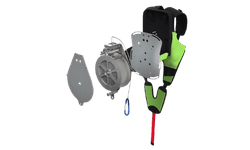
For residents of high-rise buildings, the challenge is compounded by height. When stairwells fill with smoke and elevators are inoperable, conventional evacuation routes can be blocked entirely. The SkySaver rescue backpack was designed to address exactly this scenario — enabling controlled descent from high-rise windows when no other safe exit exists. Paired with sound knowledge of fire behavior and a practiced evacuation plan, it gives high-rise residents a comprehensive framework for self-rescue.
Understanding what fire is — truly understanding it, at the level of chemistry and physics — transforms how you think about fire safety. It replaces vague fear with specific, actionable knowledge. And that knowledge, practiced and prepared for, is what saves lives. Explore SkySaver’s range of escape solutions and take the next step in building a preparedness strategy grounded in how fire actually behaves.

Attachable Baby Harness
Lightweight safety harness for fast and secure infant evacuation in high-rise emergencies.

Parent Package
Complete emergency evacuation kit for the parent and dependant. Fast, safe descent from high-rise buildings.

Parent Edition
Complete high-rise evacuation solution for a parent, maximum safety and fast deployment.

Single Self-Rescue Kit
Complete emergency evacuation kit for high-rise fast, safe descent during critical emergencies.
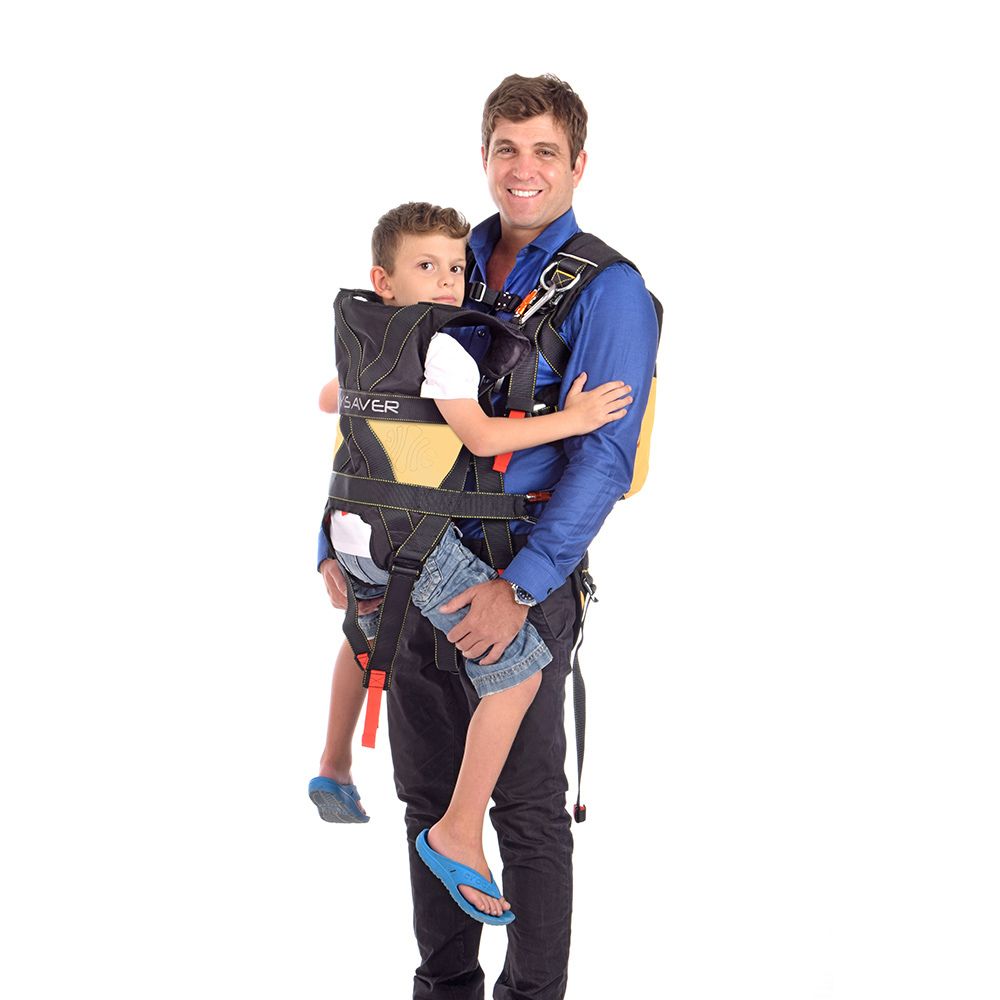
Attachable Child Harness
Lightweight child safety harness designed for secure, controlled evacuation from high-rise buildings.
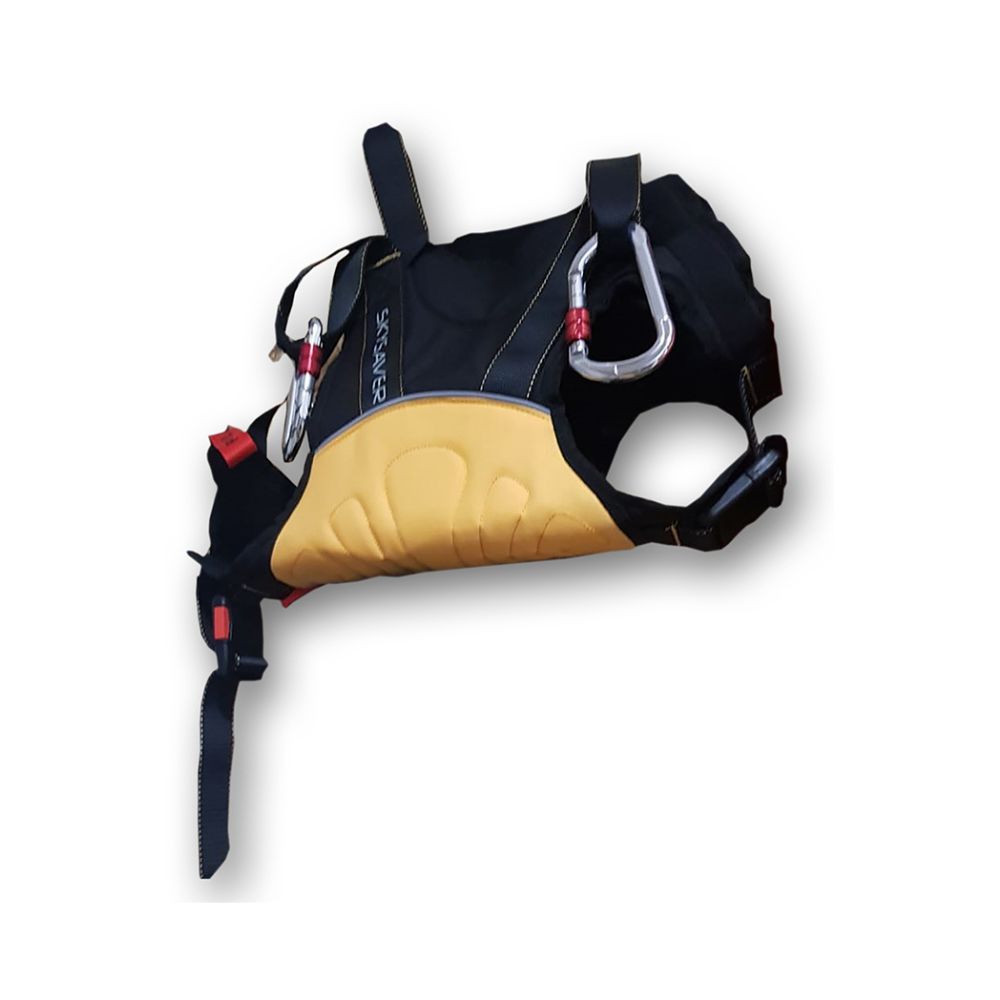
Attachable Pet Harnesses
Secure, lightweight safety harness designed for fast and controlled pet evacuation from high-rise buildings.

single Self-Rescue Harnesseses
Professional external safety harness for secure personal evacuation from high-rise buildings.

Controlled Descent Device (CDD)
External CDD unit for safe, controlled descent during high-rise emergency evacuation.