Escape chute systems represent a specialized branch of building evacuation engineering that has been refined over decades of industrial use. From offshore oil platforms to military installations, engineered chute systems have proven their value in environments where rapid mass evacuation is a critical safety requirement. This article examines the engineering principles behind escape chute systems, their design variations, and how they fit into the broader landscape of high-rise evacuation technology.
Engineering Principles of Escape Chutes
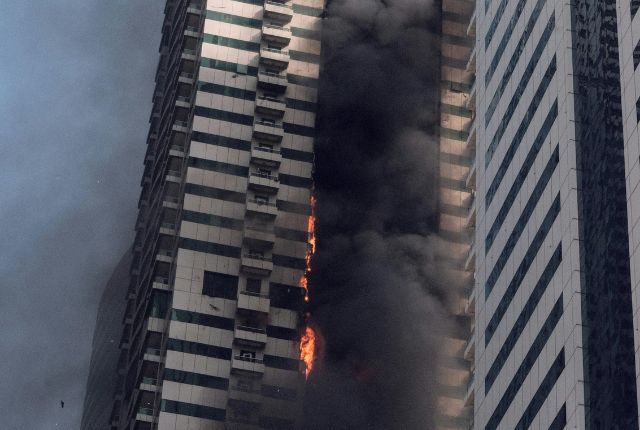
Escape chute systems are engineered around a fundamental physics challenge: how to allow a person to descend rapidly under gravity while preventing dangerous acceleration. The solution involves managing friction — the interface between the person’s body and the chute surface must generate enough resistance to control speed without generating excessive heat or causing discomfort.
Engineers achieve this through material selection, geometry design, and surface treatment. Chute fabrics use specialized coatings that provide consistent friction coefficients across temperature and humidity ranges. Tube diameters are calculated to create body-to-wall contact that generates the correct amount of deceleration for the expected weight range of users. Cross-sectional shapes may be circular, oval, or keyhole-shaped, each optimizing for different aspects of speed control and user comfort.
Design Variations
Permanent escape chutes are constructed from durable, weather-resistant materials and mounted on building exteriors with structural supports at regular intervals. These systems are always ready for use and require periodic maintenance to ensure surface integrity and structural soundness. Deployable chute systems store in compact housings and deploy when activated through mechanical or pneumatic mechanisms. These save space and reduce weather exposure but add complexity and potential failure points.
Multi-entry chutes serve multiple floors through a single tube, with entry points at each floor that merge into the main descent path. Single-entry chutes serve one floor each, eliminating merger-point bottlenecks but requiring more tubes for full-building coverage.
Why Personal Devices Complement Chute Systems
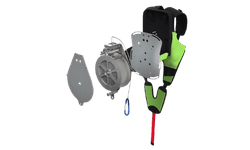
Even in buildings equipped with escape chutes, personal controlled descent devices provide a valuable safety layer. Chutes can become blocked, damaged, or inaccessible during certain fire scenarios. The SkySaver CDD provides each resident with an independent escape route that works from their own window, regardless of chute availability. The Single Self-Rescue Kit deploys in under sixty seconds, and the Family Edition accommodates families with children. Visit the SkySaver shop to add personal evacuation capability to any building’s safety system.
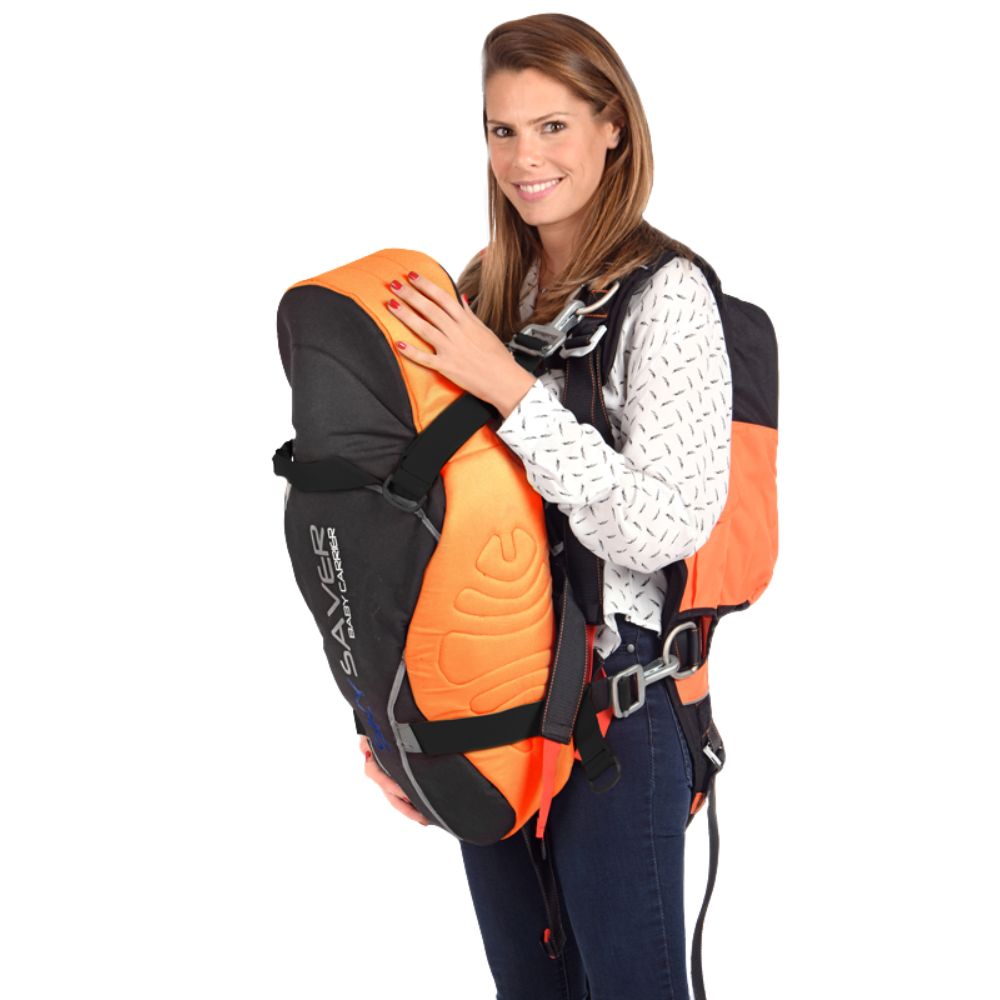
Attachable Baby Harness
Lightweight safety harness for fast and secure infant evacuation in high-rise emergencies.
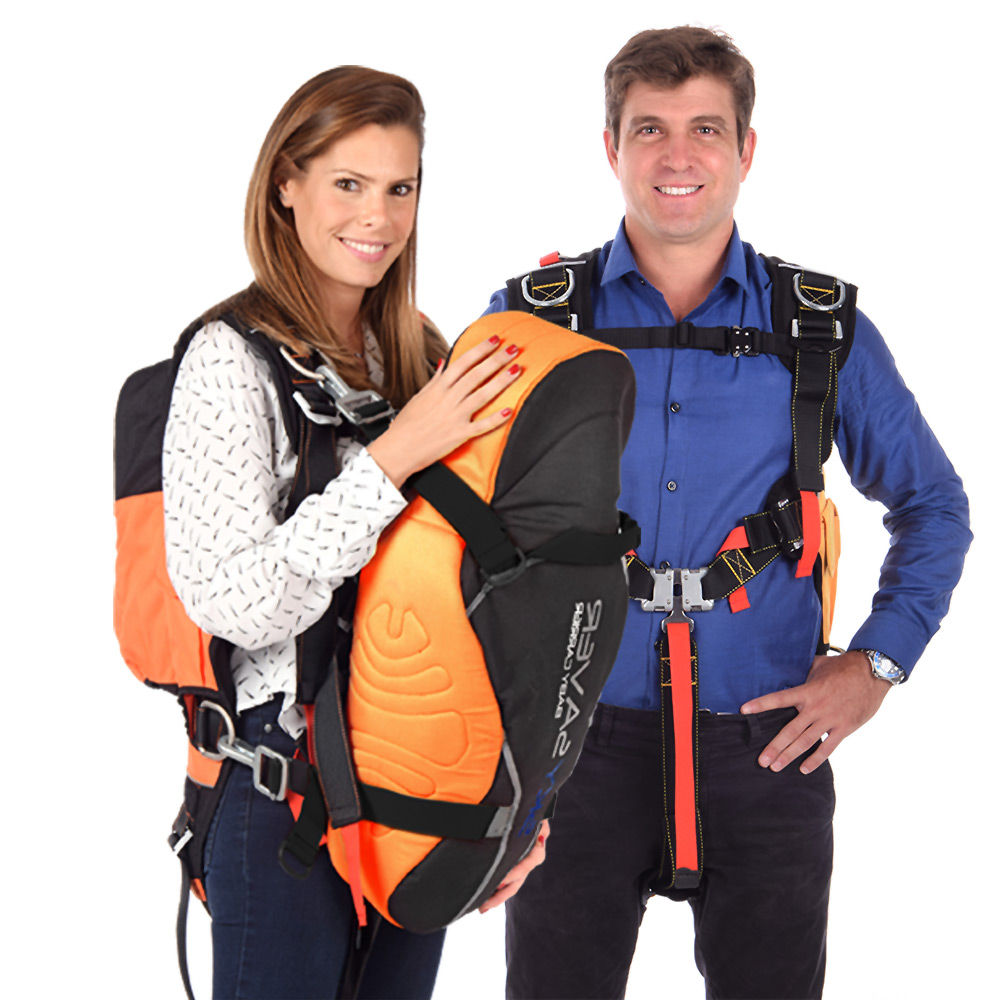
Parent Package
Complete emergency evacuation kit for the parent and dependant. Fast, safe descent from high-rise buildings.
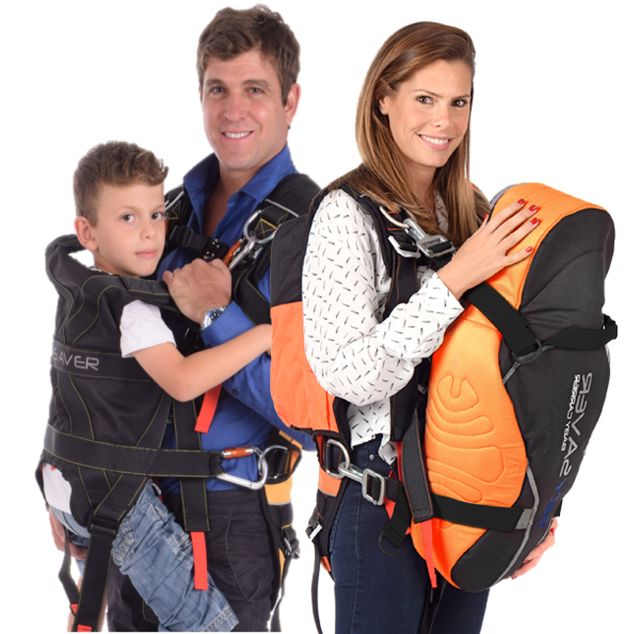
Parent Edition
Complete high-rise evacuation solution for a parent, maximum safety and fast deployment.
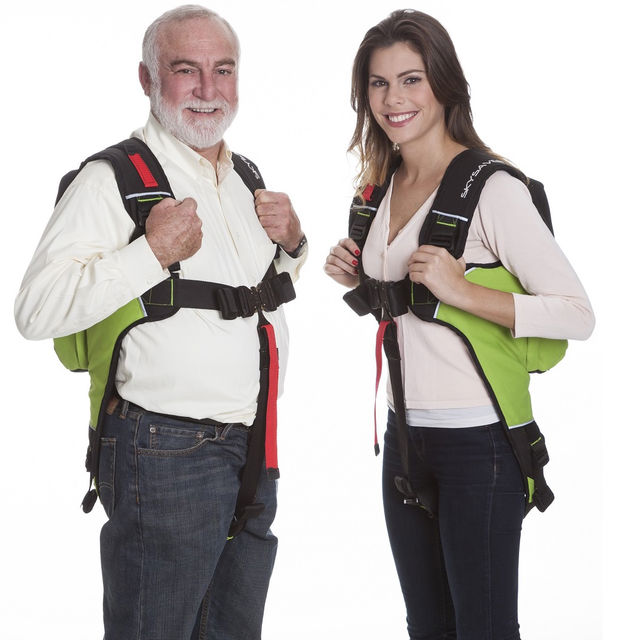
Single Self-Rescue Kit
Complete emergency evacuation kit for high-rise fast, safe descent during critical emergencies.
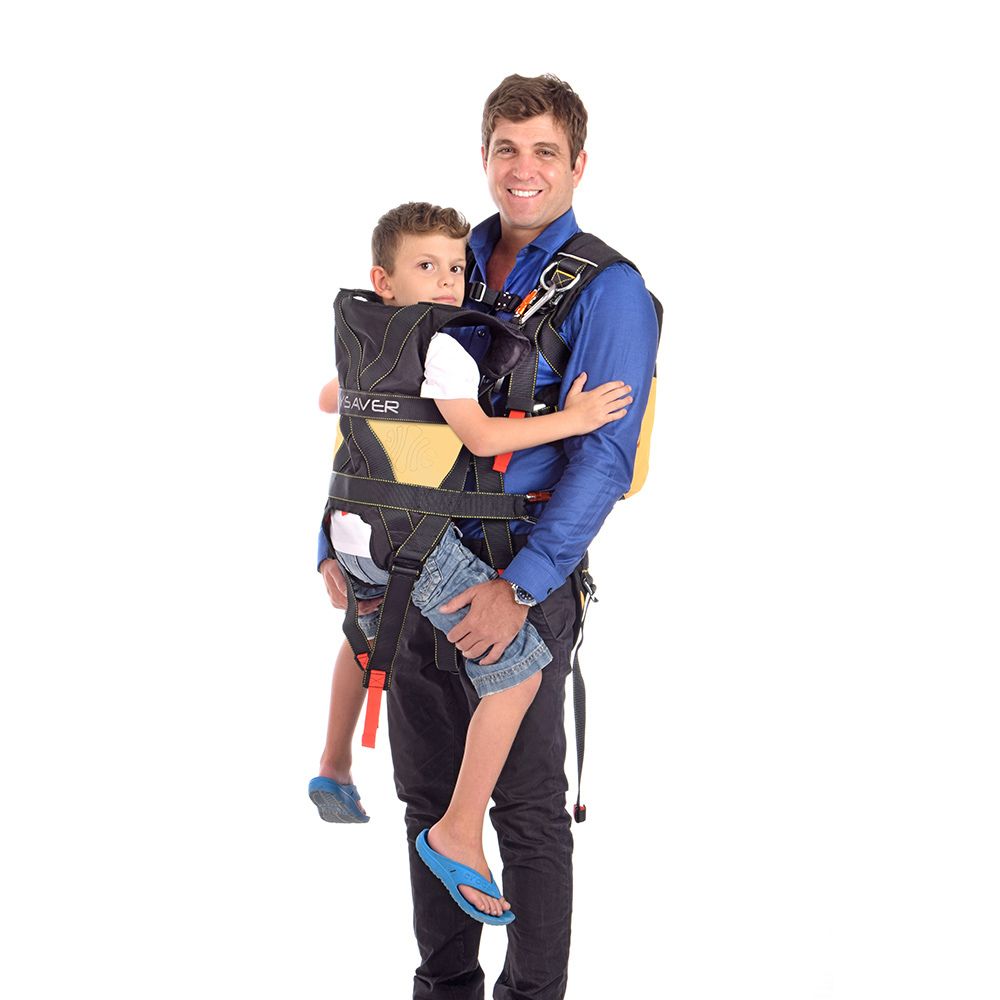
Attachable Child Harness
Lightweight child safety harness designed for secure, controlled evacuation from high-rise buildings.
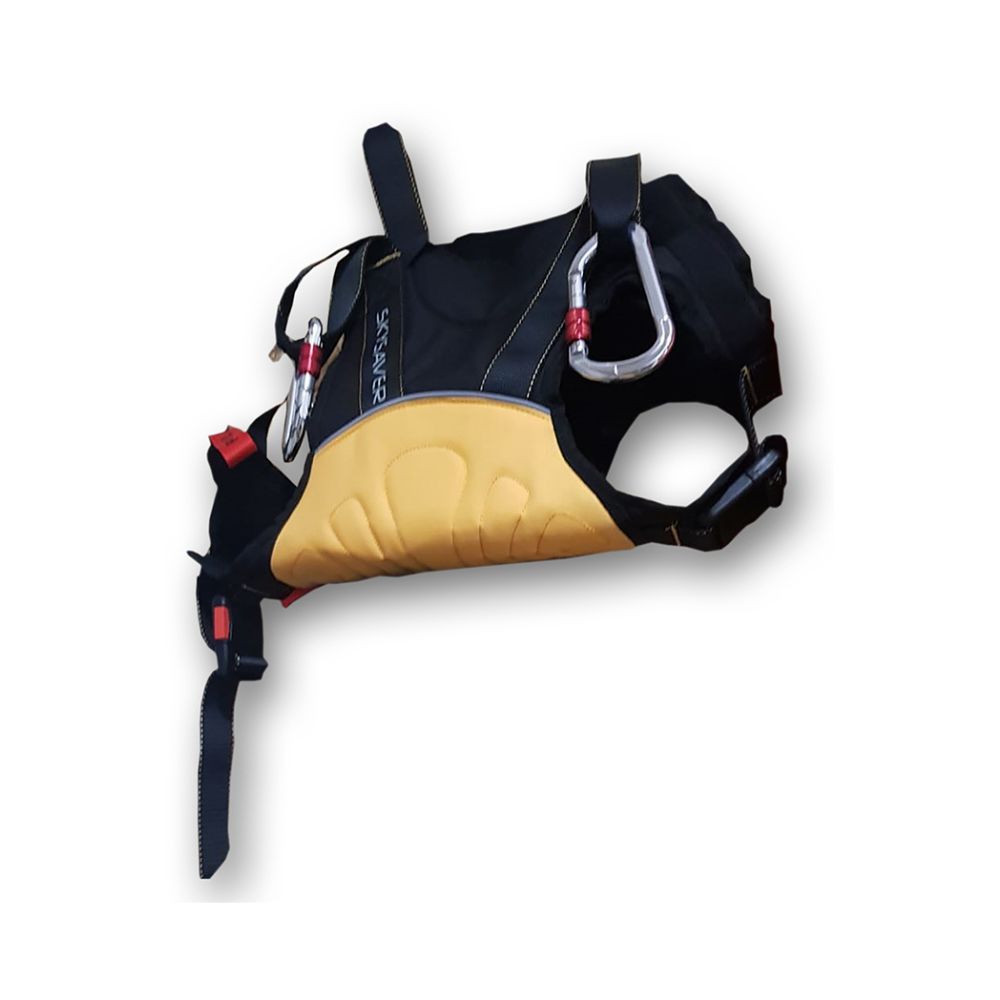
Attachable Pet Harnesses
Secure, lightweight safety harness designed for fast and controlled pet evacuation from high-rise buildings.

single Self-Rescue Harnesseses
Professional external safety harness for secure personal evacuation from high-rise buildings.
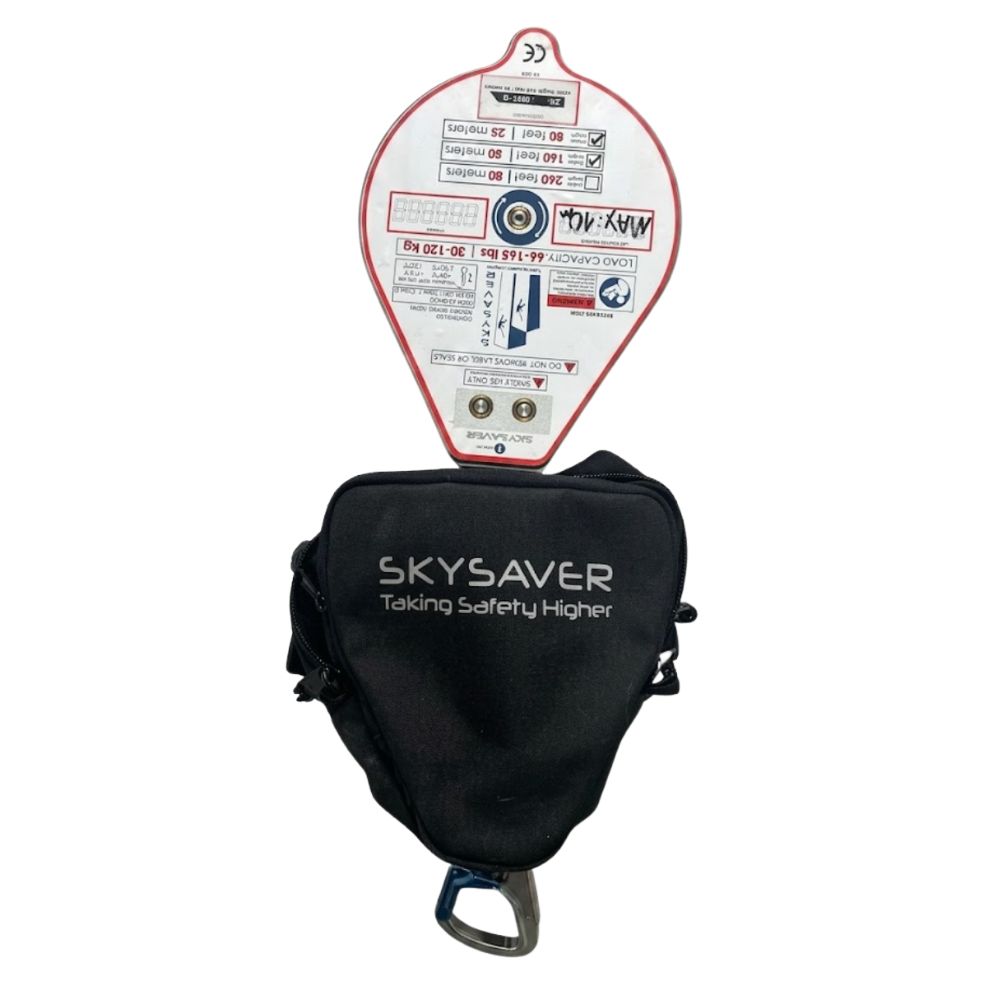
Controlled Descent Device (CDD)
External CDD unit for safe, controlled descent during high-rise emergency evacuation.