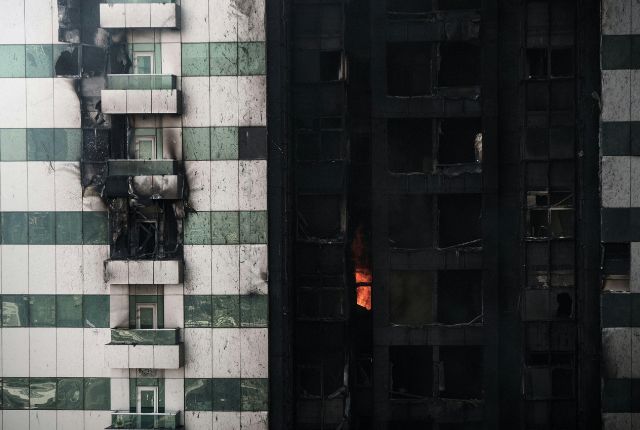
The concept of a parachute safety system for buildings has fascinated engineers, inventors, and the general public since the earliest days of skyscraper construction. The appeal is obvious: if a parachute can save a pilot from a crashing aircraft, why cannot the same principle save a resident from a burning building? While the idea has inspired dozens of patents and concept designs, the reality of building-based parachute safety systems reveals fundamental challenges that have prevented any such system from achieving widespread adoption or safety certification for civilian building use.
The Physics Problem
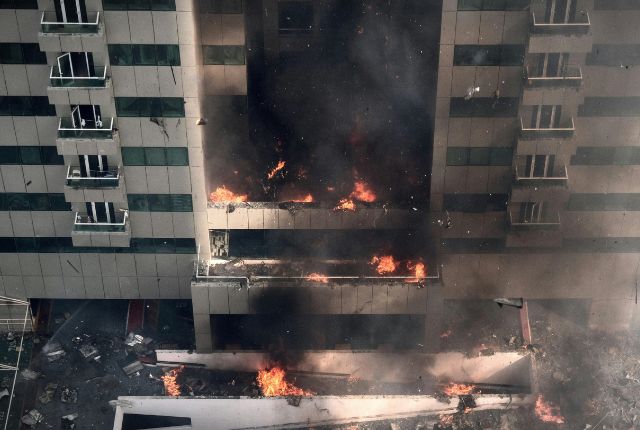
Parachute systems designed for buildings face a physics challenge that aircraft parachutes do not: insufficient altitude for reliable deployment. A standard round parachute requires approximately 60-100 meters of freefall to fully deploy and begin generating enough drag to slow a person to a safe landing speed. Even from a thirty-story building — approximately 100 meters — the margin for deployment is razor thin. Any delay in canopy inflation, any partial malfunction, or any adverse wind condition during deployment could result in a fatal impact.
Urban wind patterns around tall buildings create unpredictable turbulence that can collapse a deploying canopy, slam the user into the building facade, or drive them into neighboring structures. Unlike skydivers who jump in open air away from obstacles, a person exiting a building window enters a complex aerodynamic environment of updrafts, downdrafts, and crosswinds that change with every floor level.
Current Parachute System Concepts
Several types of parachute safety systems have been proposed or prototyped. Ballistic deployment systems use compressed gas or explosive charges to rapidly inflate a canopy, reducing the altitude needed for full deployment. Ram-air parafoil designs offer better glide and steering capability than round canopies, theoretically allowing users to navigate away from the building. Base-jump style systems attempt to apply recreational BASE jumping technology to emergency building evacuation.
Despite these innovations, no building parachute safety system has achieved mainstream safety certification from international standards bodies. The combination of deployment uncertainty, urban wind hazards, landing zone constraints, and the extreme stress conditions under which the system would be used creates a risk profile that certification bodies have not been willing to approve for untrained civilian use.
Controlled Descent: The Certified Alternative
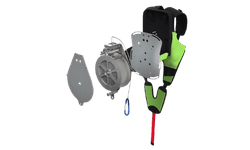
Where parachute systems attempt to solve high-rise evacuation through aerodynamics, controlled descent devices solve it through mechanical engineering. The SkySaver CDD uses a friction-braked cable that provides predictable, controlled descent at a safe speed regardless of height, wind, or user weight. There is no deployment phase, no freefall, no canopy to manage, and no wind sensitivity. The user clips to an anchor and the device does everything else.
The SkySaver Single Self-Rescue Kit is certified to international safety standards, commercially available, and deployed in buildings worldwide. For families, the Family Edition provides child harnesses for complete family evacuation. Visit the SkySaver shop to invest in proven evacuation technology rather than unproven parachute concepts.
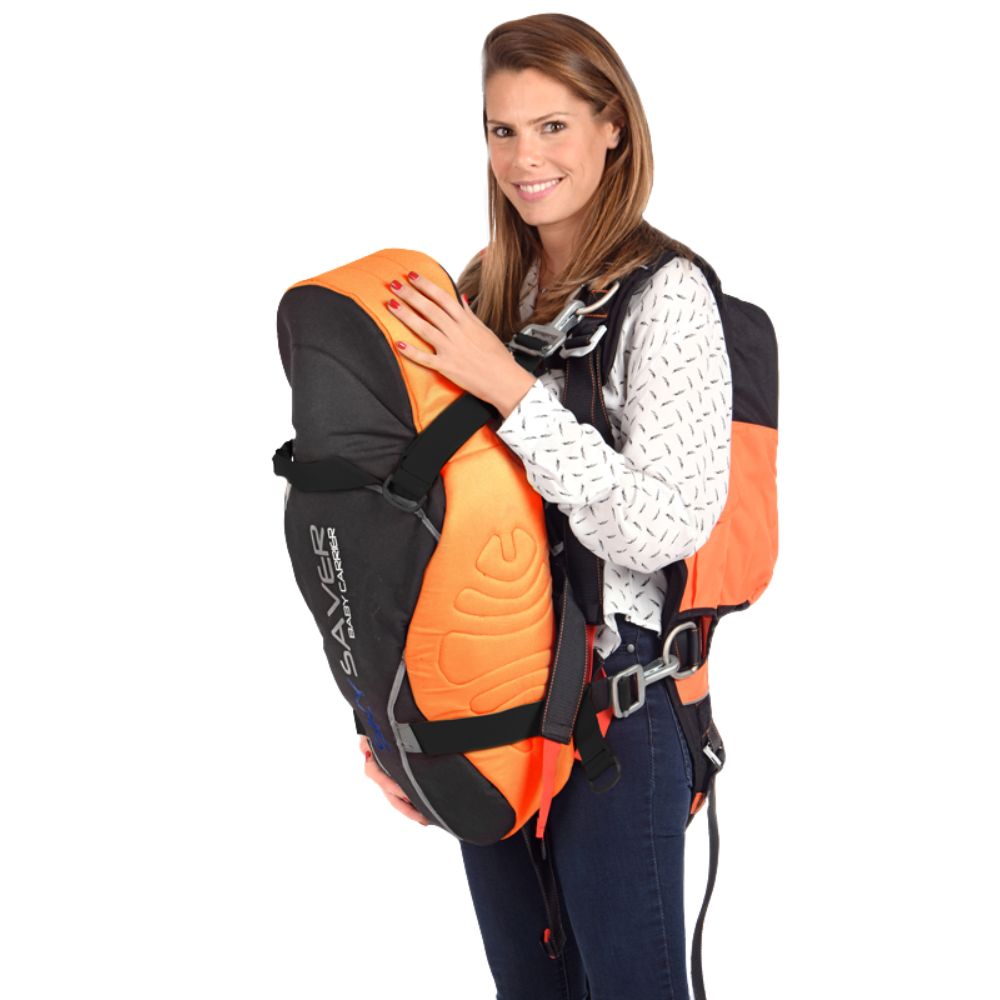
Attachable Baby Harness
Lightweight safety harness for fast and secure infant evacuation in high-rise emergencies.
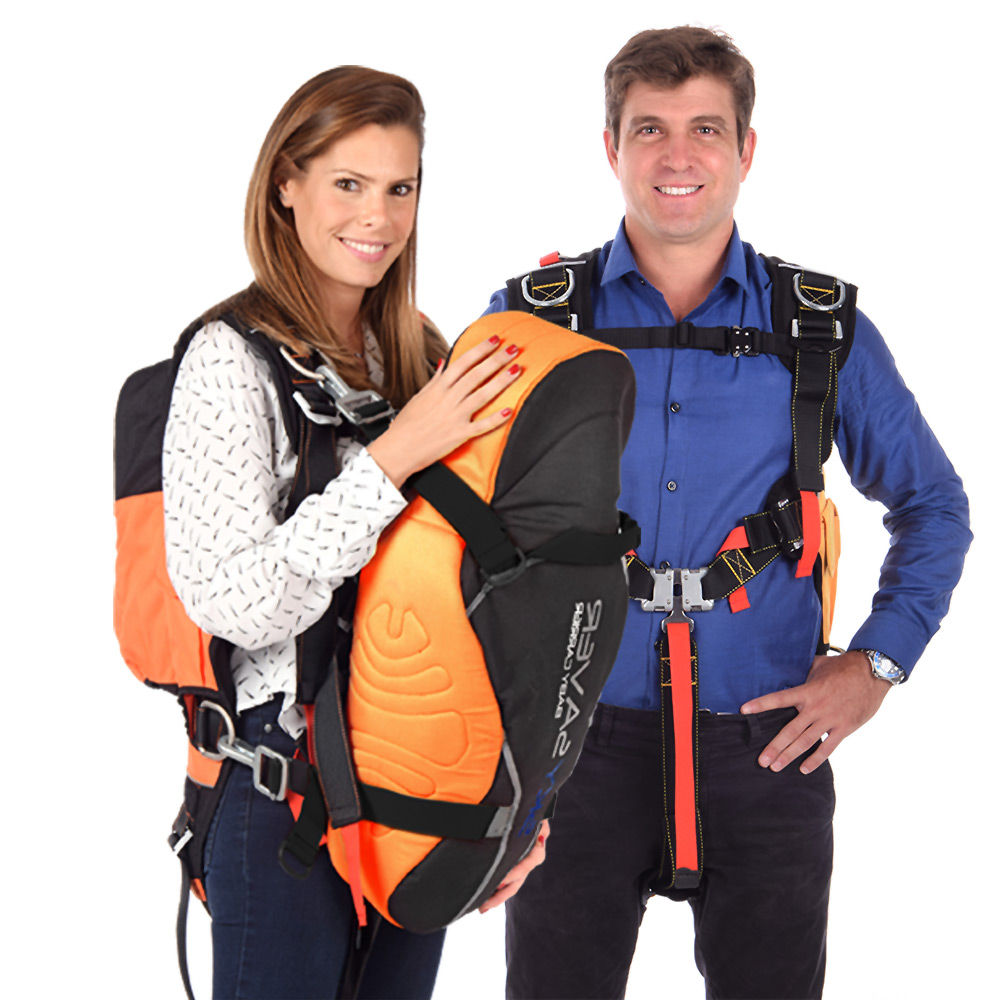
Parent Package
Complete emergency evacuation kit for the parent and dependant. Fast, safe descent from high-rise buildings.
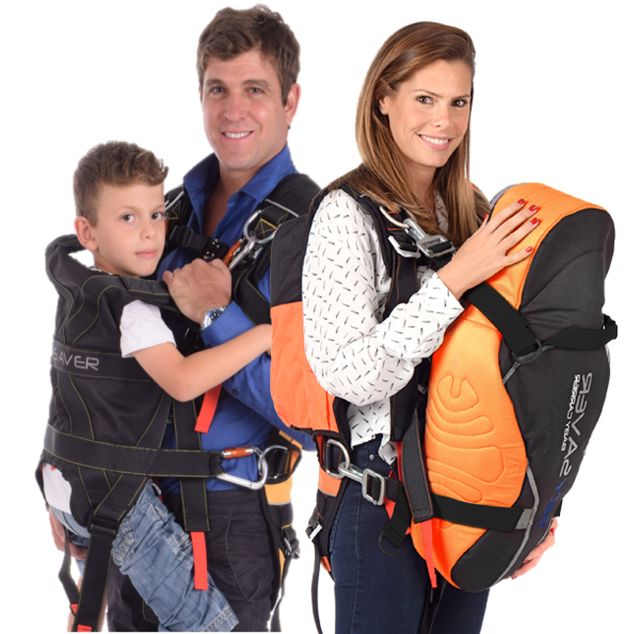
Parent Edition
Complete high-rise evacuation solution for a parent, maximum safety and fast deployment.
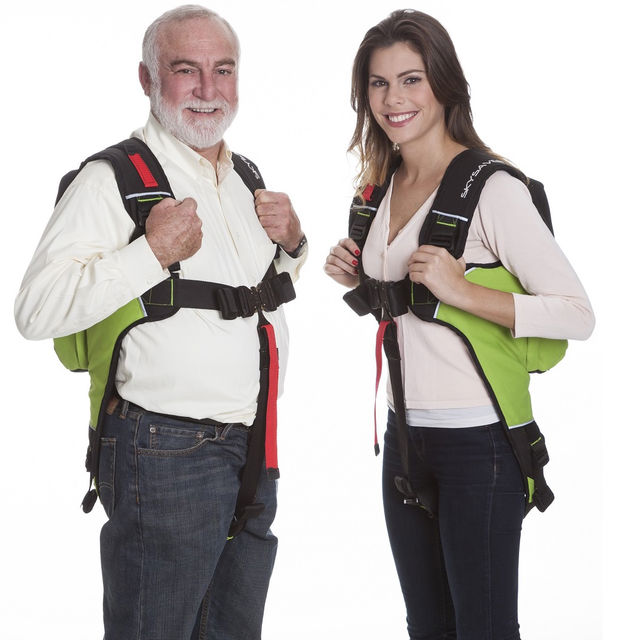
Single Self-Rescue Kit
Complete emergency evacuation kit for high-rise fast, safe descent during critical emergencies.
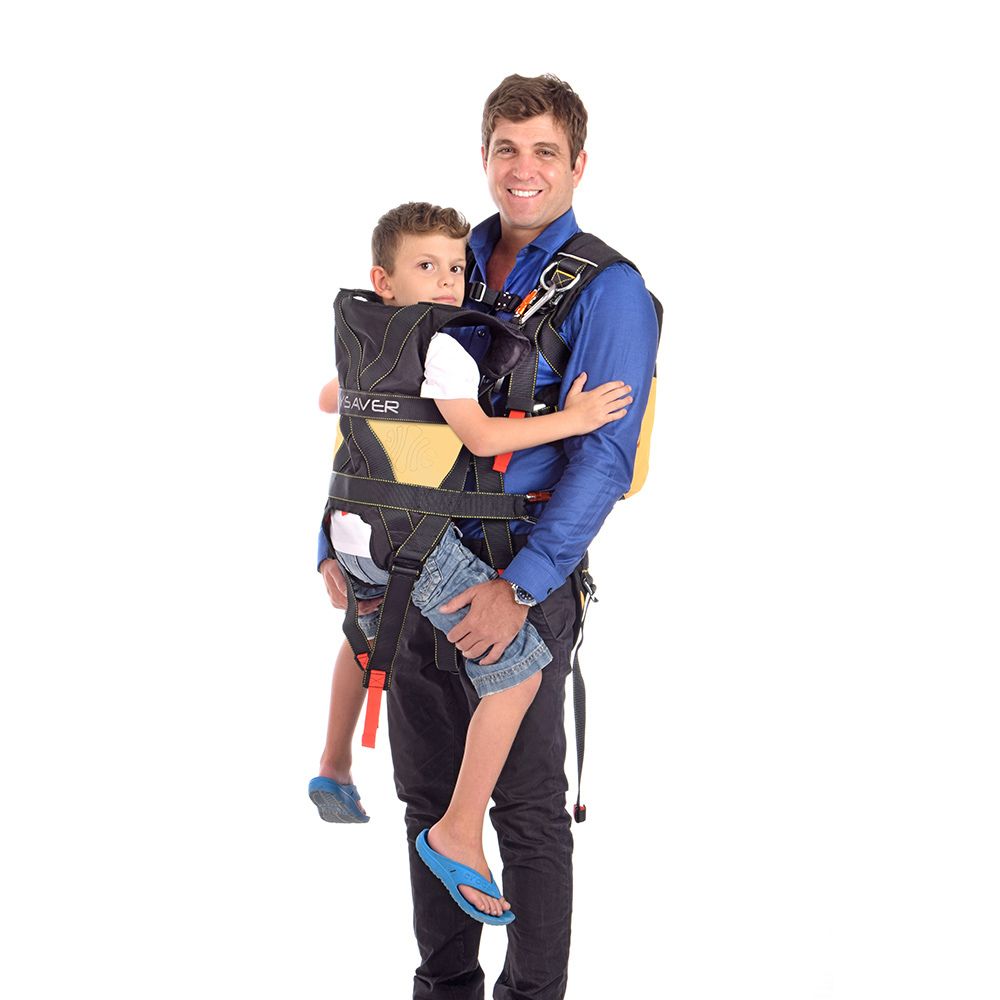
Attachable Child Harness
Lightweight child safety harness designed for secure, controlled evacuation from high-rise buildings.
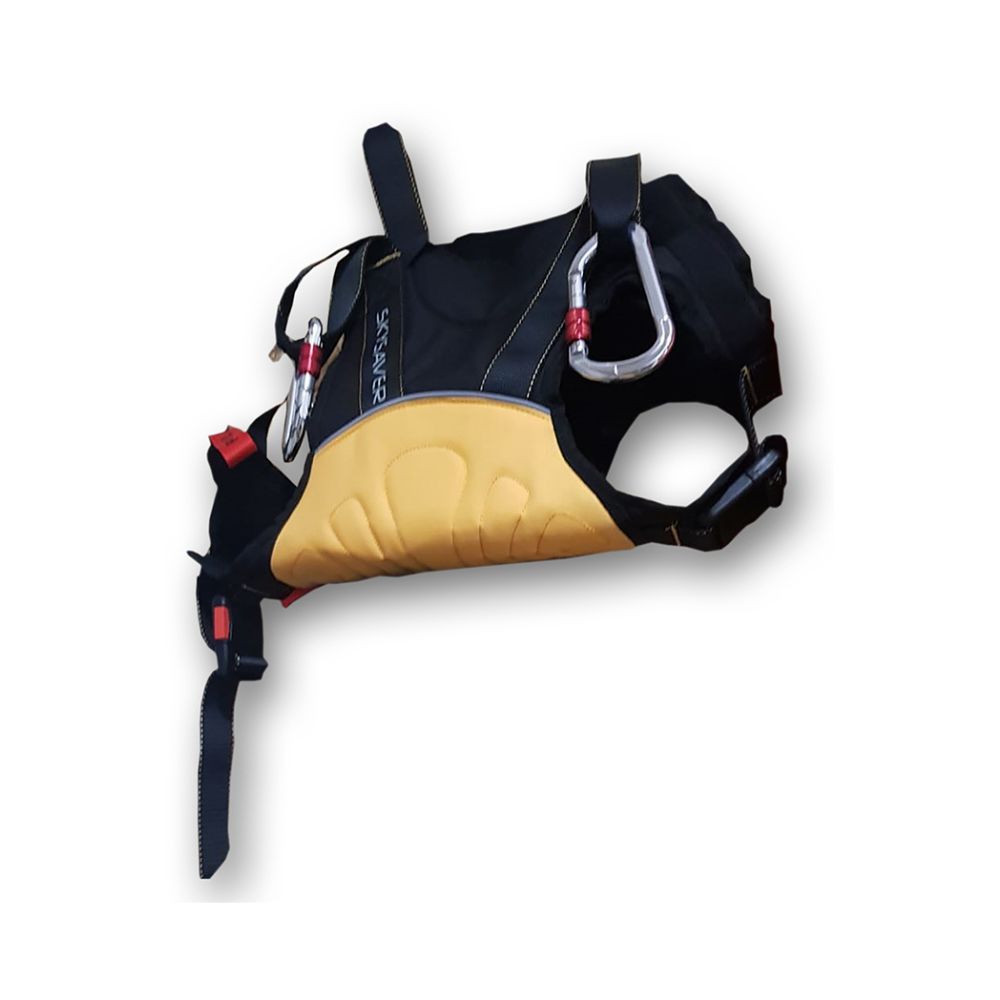
Attachable Pet Harnesses
Secure, lightweight safety harness designed for fast and controlled pet evacuation from high-rise buildings.
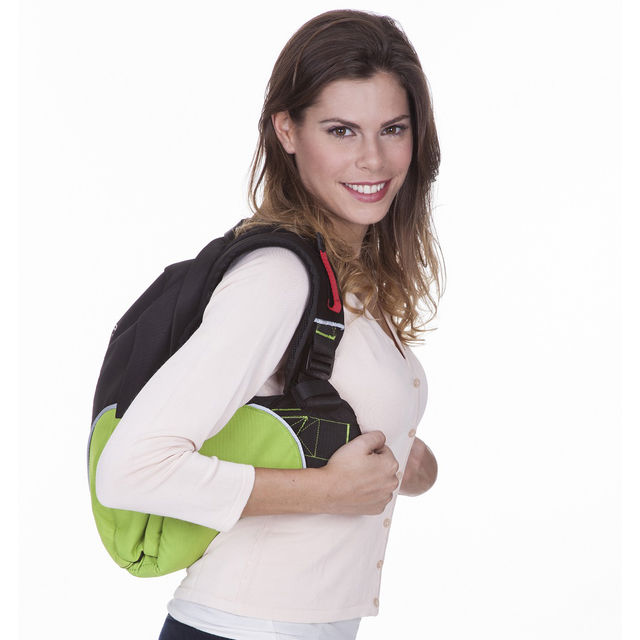
single Self-Rescue Harnesseses
Professional external safety harness for secure personal evacuation from high-rise buildings.
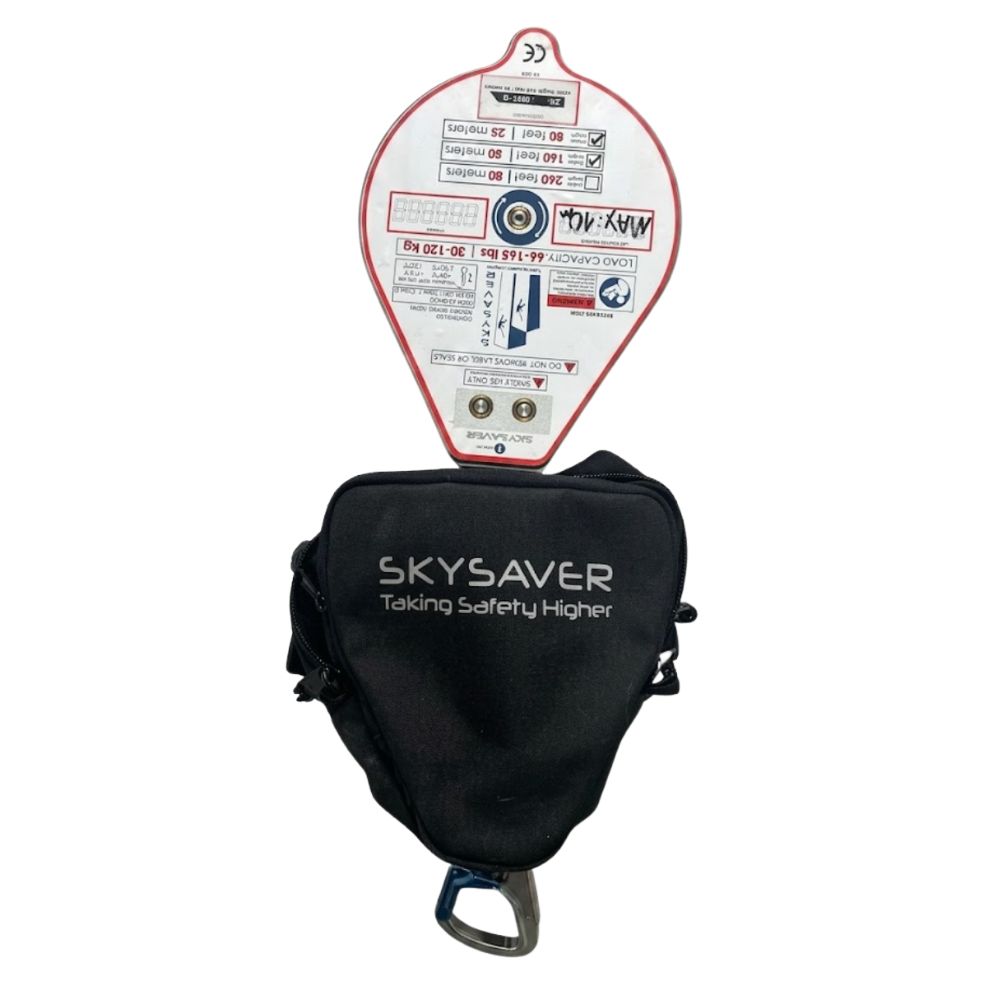
Controlled Descent Device (CDD)
External CDD unit for safe, controlled descent during high-rise emergency evacuation.