Escape ladders are among the most commonly searched fire safety products for multi-story buildings. The idea of a portable ladder that you can deploy from a window to climb down to safety is intuitive and appealing. For low-rise buildings of two to three stories, escape ladders can indeed be effective life-saving tools. However, for high-rise buildings, the limitations of ladder-based evacuation become severe and potentially dangerous. Understanding these limitations is critical for anyone living above the third floor who may be considering an escape ladder as their primary fire evacuation solution.
How Escape Ladders Work
Residential escape ladders typically consist of metal or chain rungs connected by flexible webbing or chain links, designed to hook over a windowsill and hang down the building exterior. Compact models fold into storage boxes that fit under a bed or in a closet. When deployed, the ladder unfurls to a predetermined length — usually two to three stories — providing a climbable pathway from the window to the ground or a lower level.
For buildings of two to three floors, these ladders serve a genuine safety purpose. They are inexpensive, require no installation, and can be deployed quickly by anyone with basic physical mobility. The descent distance is short enough that the physical demands of ladder climbing remain manageable for most adults.
Why Escape Ladders Fail for High-Rise Buildings
The physical demands of climbing down a flexible ladder increase dramatically with height. A ladder descent from the tenth floor requires climbing down approximately thirty meters of flexible, swaying rungs while exposed to wind, heat from lower-floor windows, and the psychological stress of extreme height. This is an activity that many trained rock climbers would find challenging — expecting untrained residents to accomplish it during a fire emergency is unrealistic.
Wind loading on a long ladder creates dangerous lateral movement. Even moderate wind speeds cause flexible ladders to swing pendulum-like against the building, making handholds and footholds unstable. In high winds — which are more common at the heights where high-rise residents live — a ladder can become completely unusable, with the occupant unable to maintain their grip while the ladder swings violently.
Physical fitness and ability limitations exclude large portions of high-rise populations from ladder use. Elderly residents, people with joint conditions, those with limited upper body strength, and anyone with a fear of heights cannot safely use an exterior ladder at significant height. Children and pets cannot use ladders independently, creating a critical gap for family evacuation scenarios.
The Superior Alternative: Controlled Descent
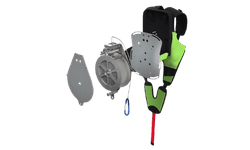
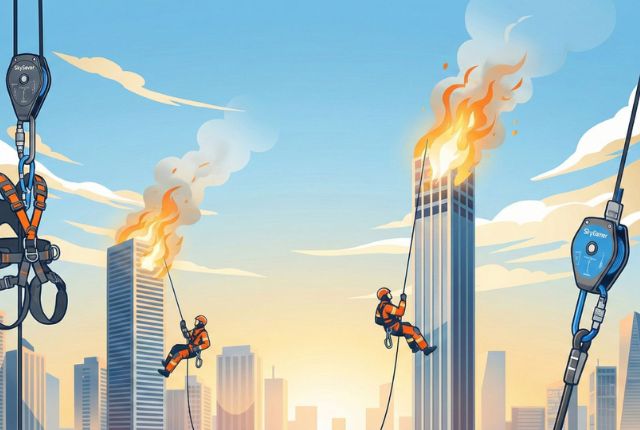
Controlled descent devices overcome every limitation that makes escape ladders impractical for high-rise use. The SkySaver CDD requires no climbing, no physical strength beyond putting on a harness, and no courage to step onto an exposed ladder at extreme height. The user clips into the device and the automatic braking mechanism lowers them smoothly along the building wall — hands-free, effort-free, and at a consistent safe speed.
The SkySaver Single Self-Rescue Kit works from any height, unlike ladders that are limited to two or three stories. The Family Edition allows parents to descend with children, something no ladder can safely accomplish. For high-rise residents who want genuine escape capability rather than a product that only works for a few floors, visit the SkySaver shop to explore proven controlled descent solutions.
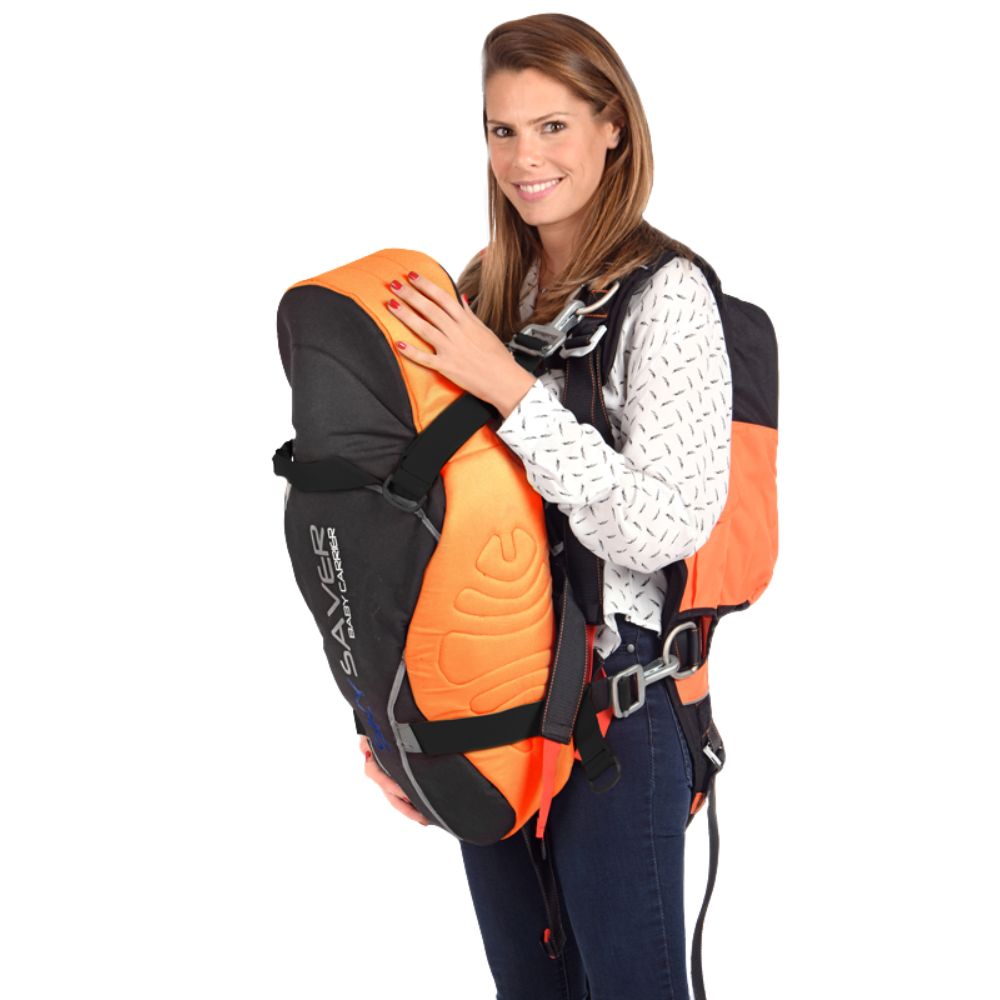
Attachable Baby Harness
Lightweight safety harness for fast and secure infant evacuation in high-rise emergencies.
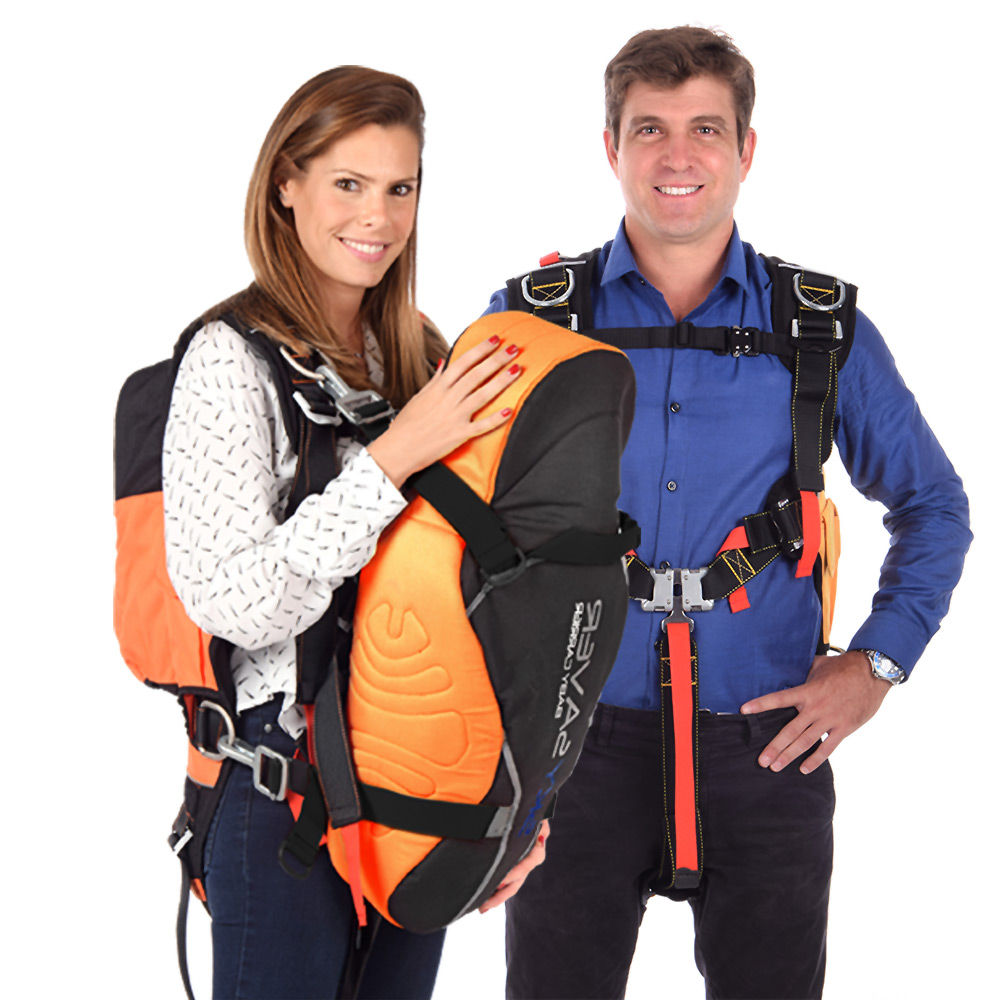
Parent Package
Complete emergency evacuation kit for the parent and dependant. Fast, safe descent from high-rise buildings.
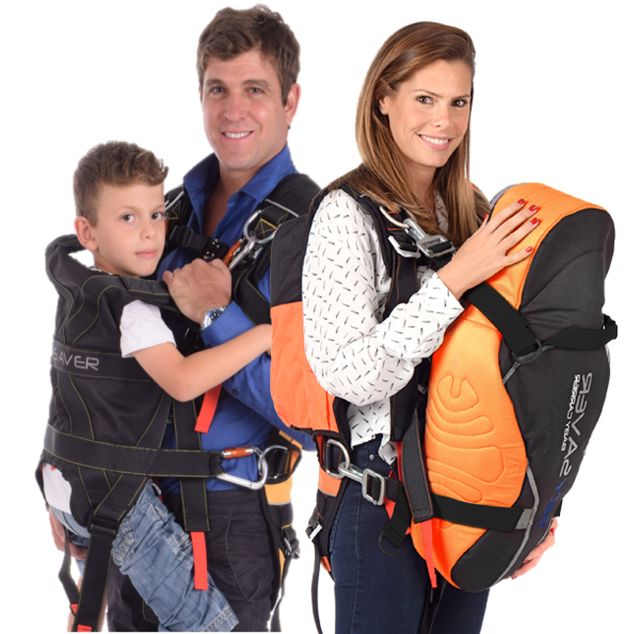
Parent Edition
Complete high-rise evacuation solution for a parent, maximum safety and fast deployment.
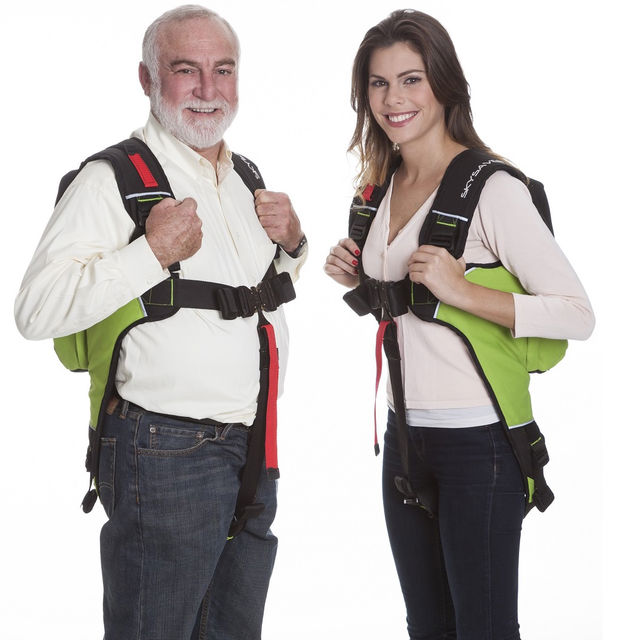
Single Self-Rescue Kit
Complete emergency evacuation kit for high-rise fast, safe descent during critical emergencies.
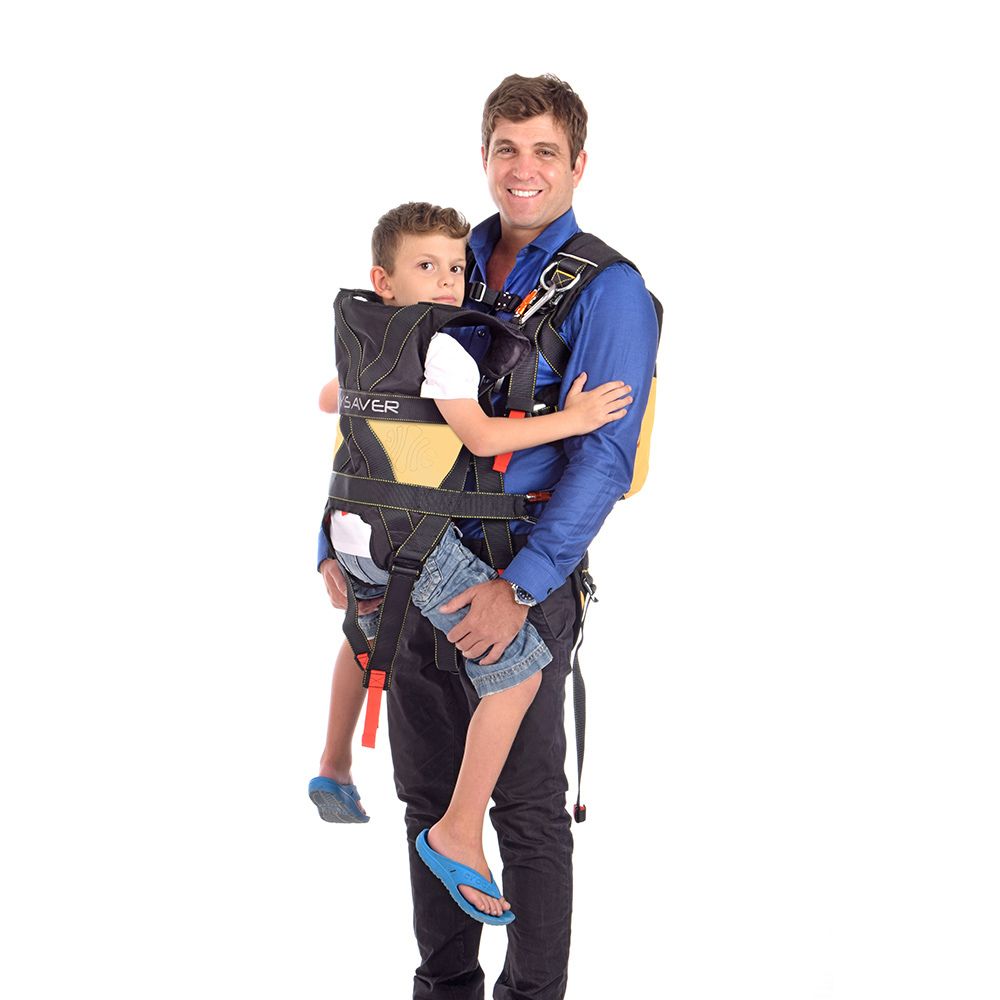
Attachable Child Harness
Lightweight child safety harness designed for secure, controlled evacuation from high-rise buildings.
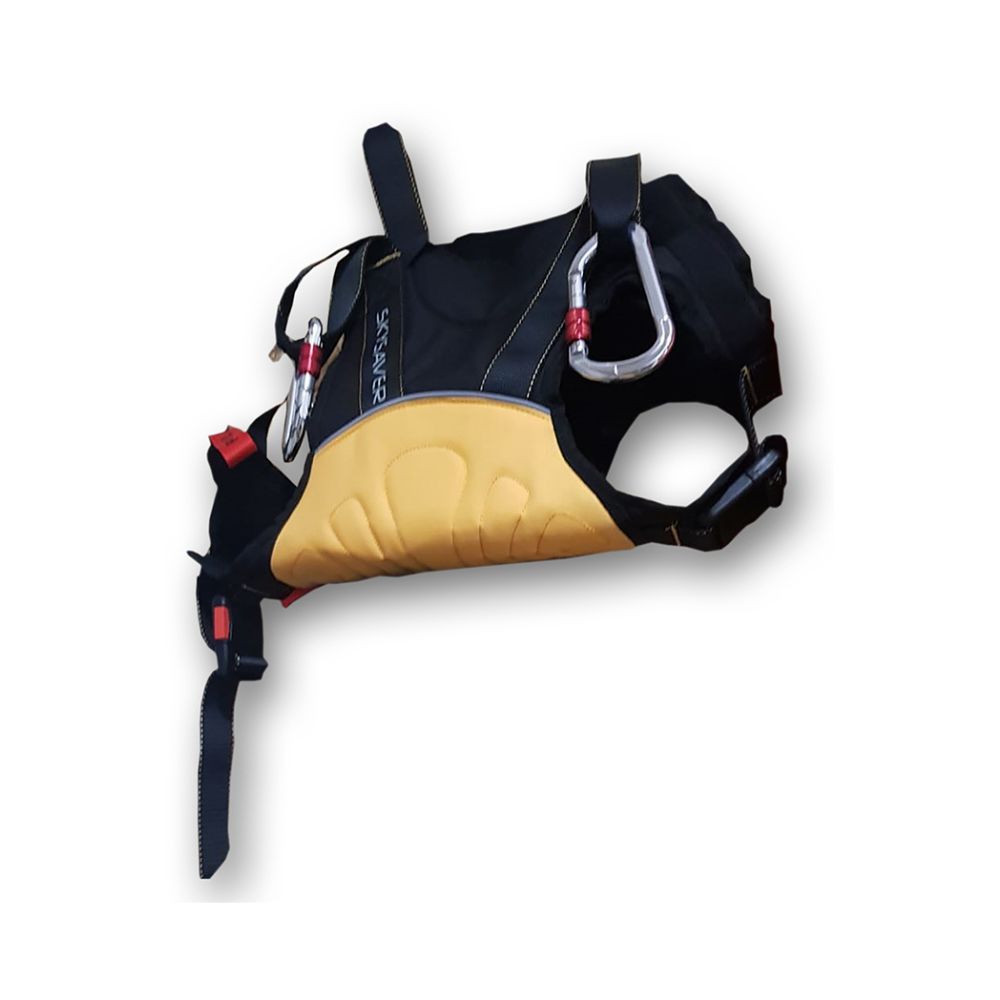
Attachable Pet Harnesses
Secure, lightweight safety harness designed for fast and controlled pet evacuation from high-rise buildings.
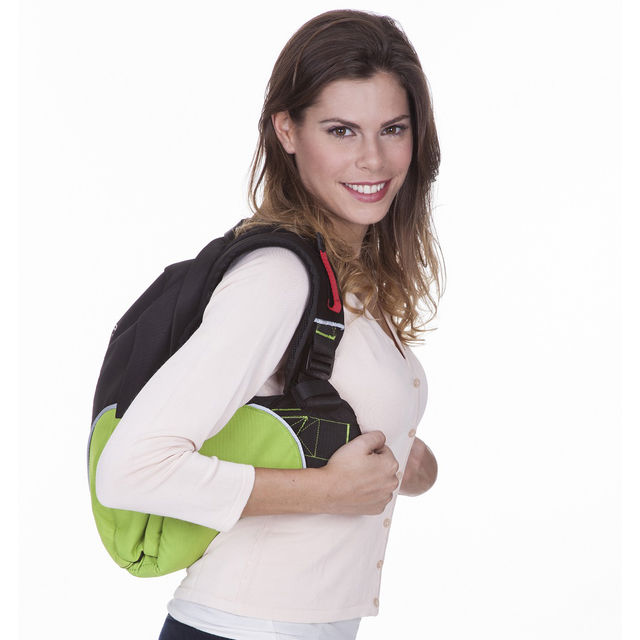
single Self-Rescue Harnesseses
Professional external safety harness for secure personal evacuation from high-rise buildings.
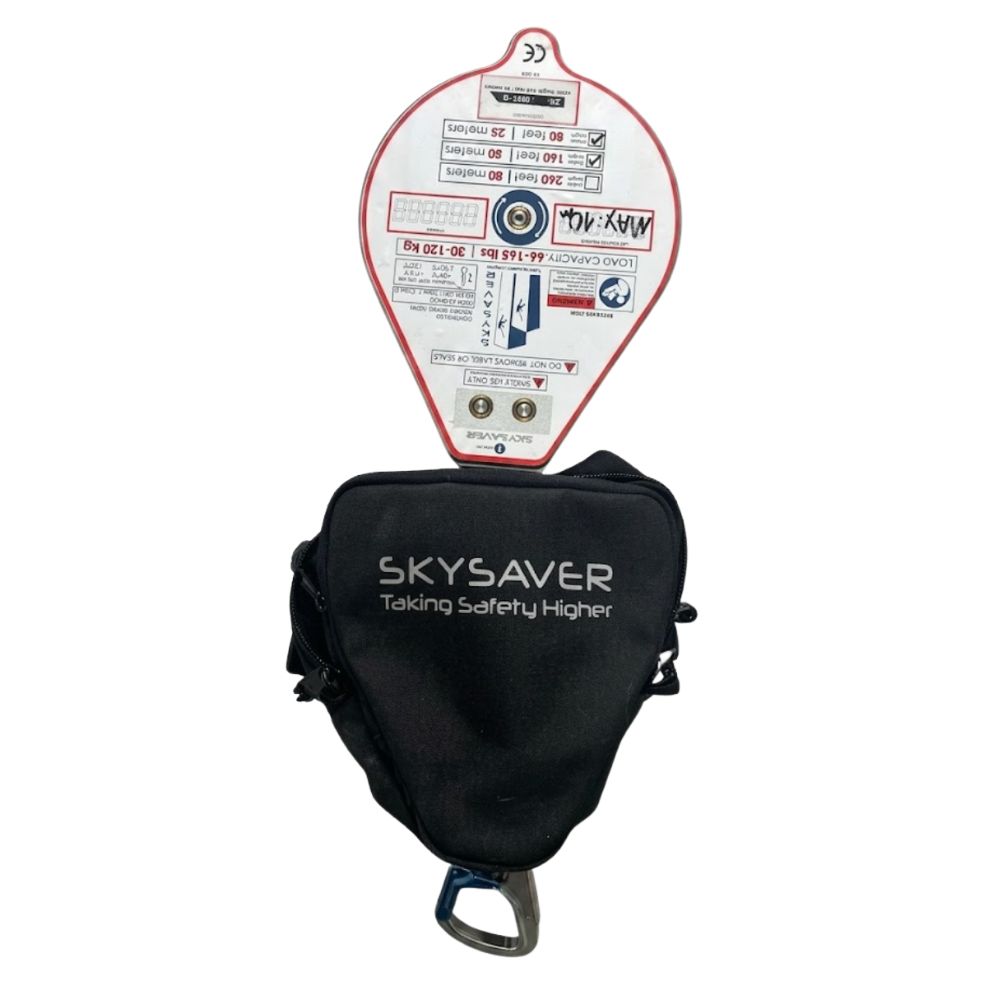
Controlled Descent Device (CDD)
External CDD unit for safe, controlled descent during high-rise emergency evacuation.