Fire escape harness and rope systems represent one of the oldest approaches to personal emergency evacuation from buildings. From simple knotted ropes to sophisticated friction-control descenders, rope-based escape equipment has evolved significantly over the decades. However, the fundamental question remains: can a rope and harness system reliably save your life during a high-rise fire? Understanding the capabilities and serious limitations of these systems is essential for anyone considering them as part of their personal fire safety plan.
Types of Fire Escape Harness Systems
Fire escape harness systems range from basic figure-eight descenders with manual rope control to sophisticated automatic descent devices with built-in speed regulation. At the simplest end, emergency escape ropes are lengths of fire-resistant rope with attachment hardware that the user manually feeds through a friction device to control descent speed. These systems are inexpensive but require significant skill and upper body strength to operate safely, particularly over long descent distances.
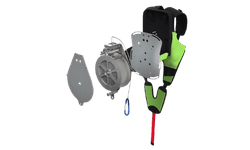
Mid-range systems incorporate a harness connected to a mechanical descender that provides some degree of automatic speed control. The user still needs to initiate and manage the descent, but the device prevents freefall speeds. More advanced systems use fully automatic braking mechanisms that control descent speed regardless of user input, similar to the technology used by the SkySaver CDD.
Critical Safety Concerns with Rope Systems
Manual rope descent presents several serious safety risks that are amplified during fire emergencies. Rope burns are common even under controlled conditions — during an actual emergency with sweaty, possibly burned hands and panic-induced grip changes, maintaining proper rope control becomes extremely difficult. Loss of grip control can result in dangerous acceleration or complete freefall.
Rope systems require anchor points capable of supporting dynamic loads. An improperly anchored rope can fail catastrophically when loaded. Additionally, ropes exposed to heat from nearby fire can lose structural integrity rapidly, potentially failing during descent. Fire-resistant ropes mitigate this risk but add cost and weight to the system.
The Evolution to Controlled Descent Devices
Modern controlled descent devices like the SkySaver Single Self-Rescue Kit represent the evolution of rope-based escape systems into reliable, user-proof safety equipment. By enclosing the rope or cable within an automatic braking mechanism, these devices eliminate the skill requirements, rope burn risks, and speed control challenges of manual systems. The descent is smooth, consistent, and completely automatic.
For families, the SkySaver Family Edition provides child harness attachments, addressing a limitation that no manual rope system can safely overcome — descending while carrying or accompanying a young child. Visit the SkySaver shop to explore controlled descent solutions that have evolved beyond the limitations of traditional rope and harness systems.
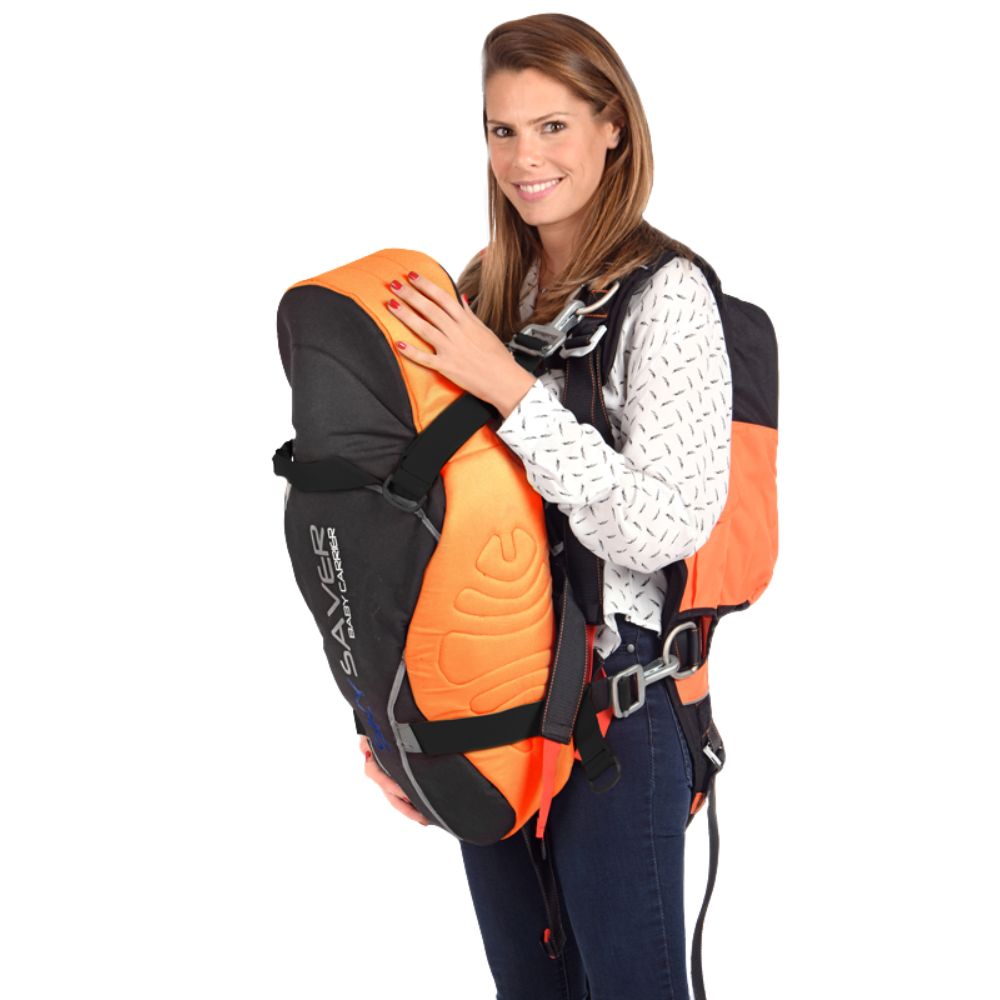
Attachable Baby Harness
Lightweight safety harness for fast and secure infant evacuation in high-rise emergencies.
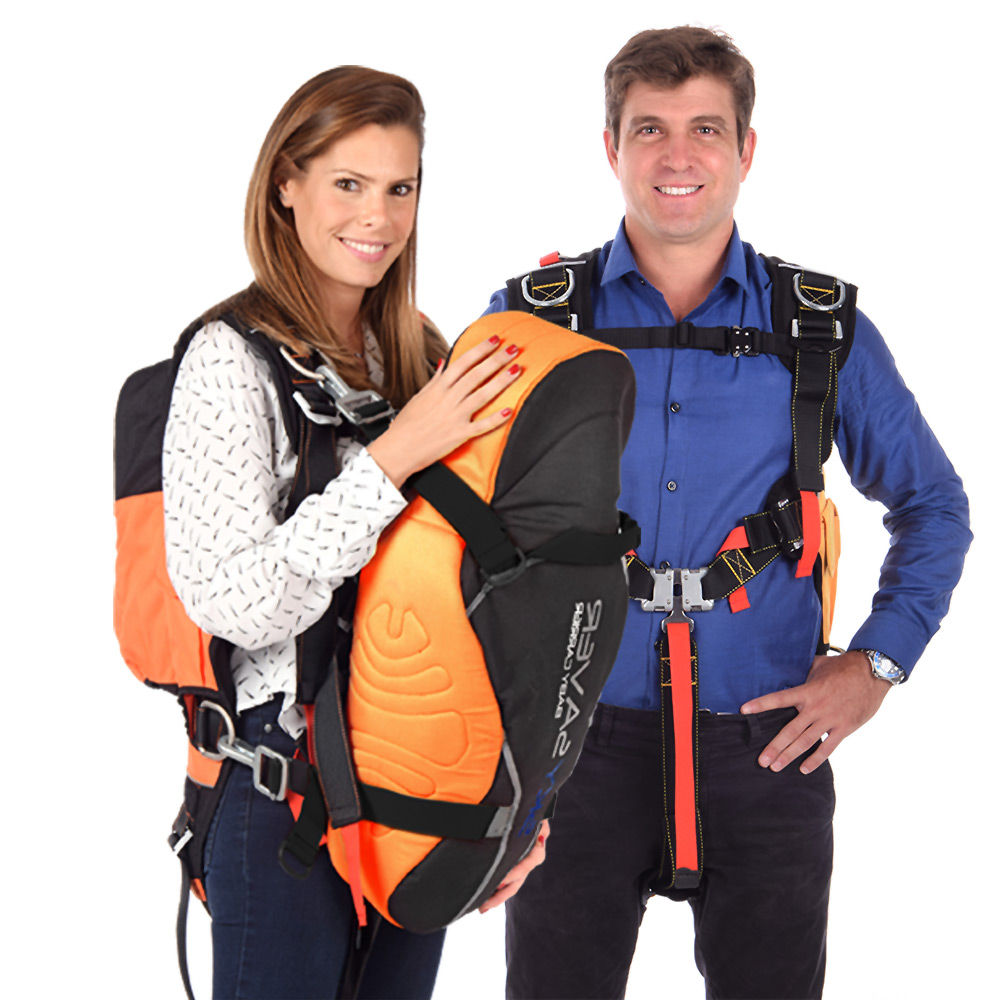
Parent Package
Complete emergency evacuation kit for the parent and dependant. Fast, safe descent from high-rise buildings.
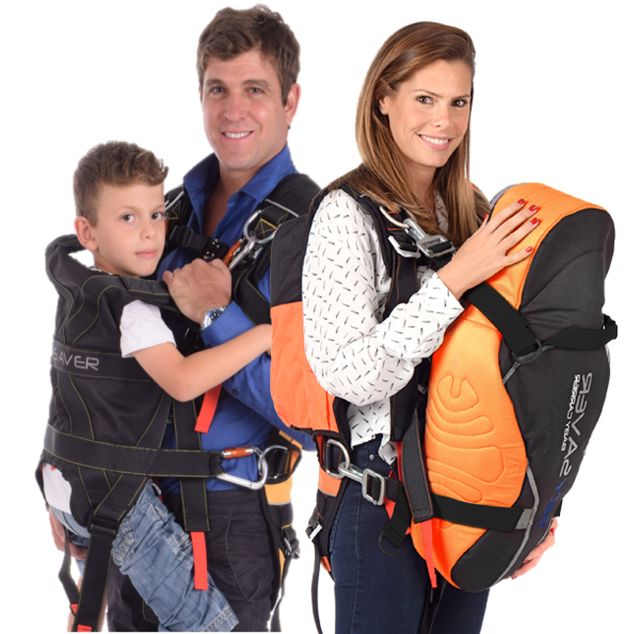
Parent Edition
Complete high-rise evacuation solution for a parent, maximum safety and fast deployment.
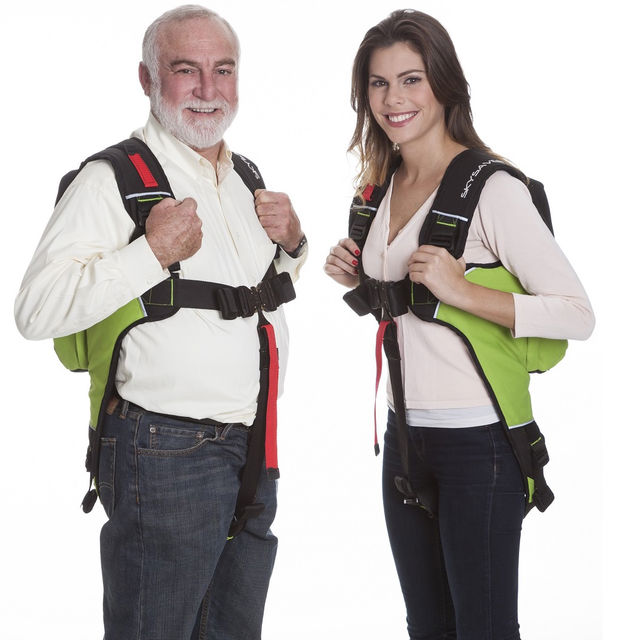
Single Self-Rescue Kit
Complete emergency evacuation kit for high-rise fast, safe descent during critical emergencies.
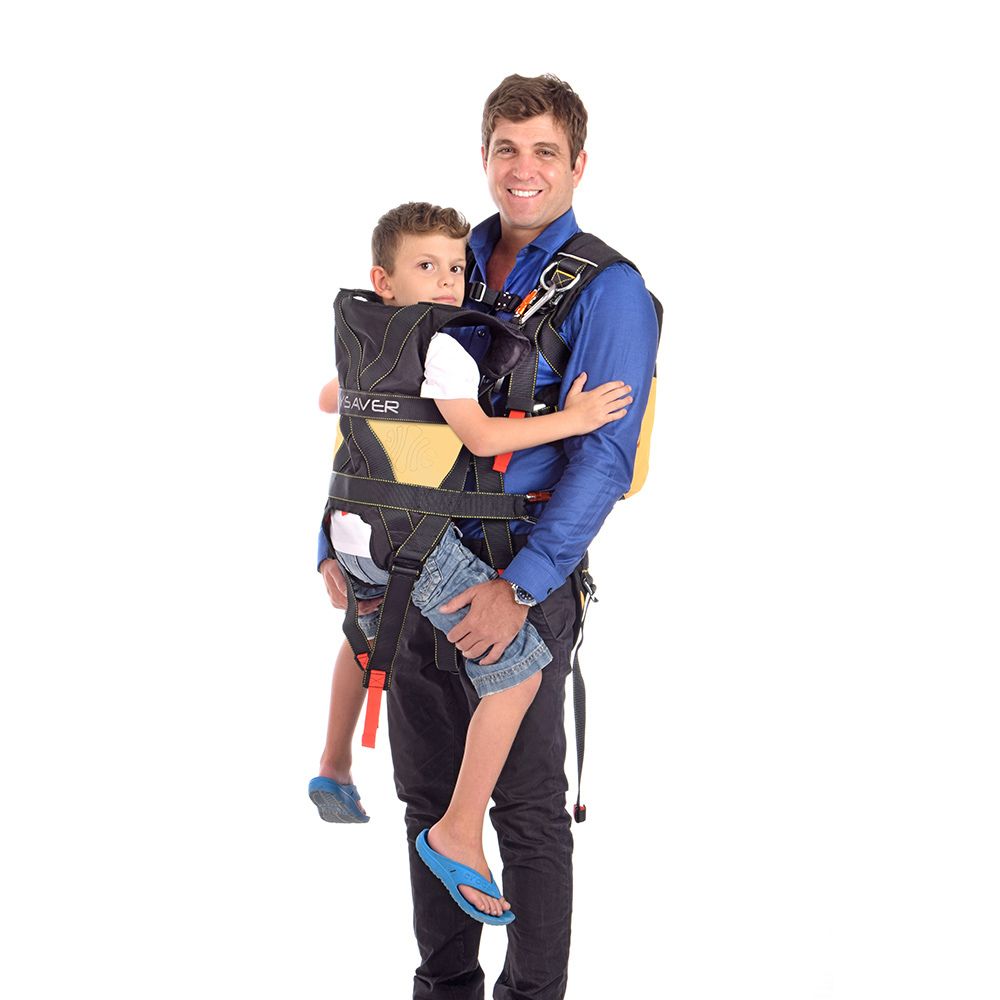
Attachable Child Harness
Lightweight child safety harness designed for secure, controlled evacuation from high-rise buildings.
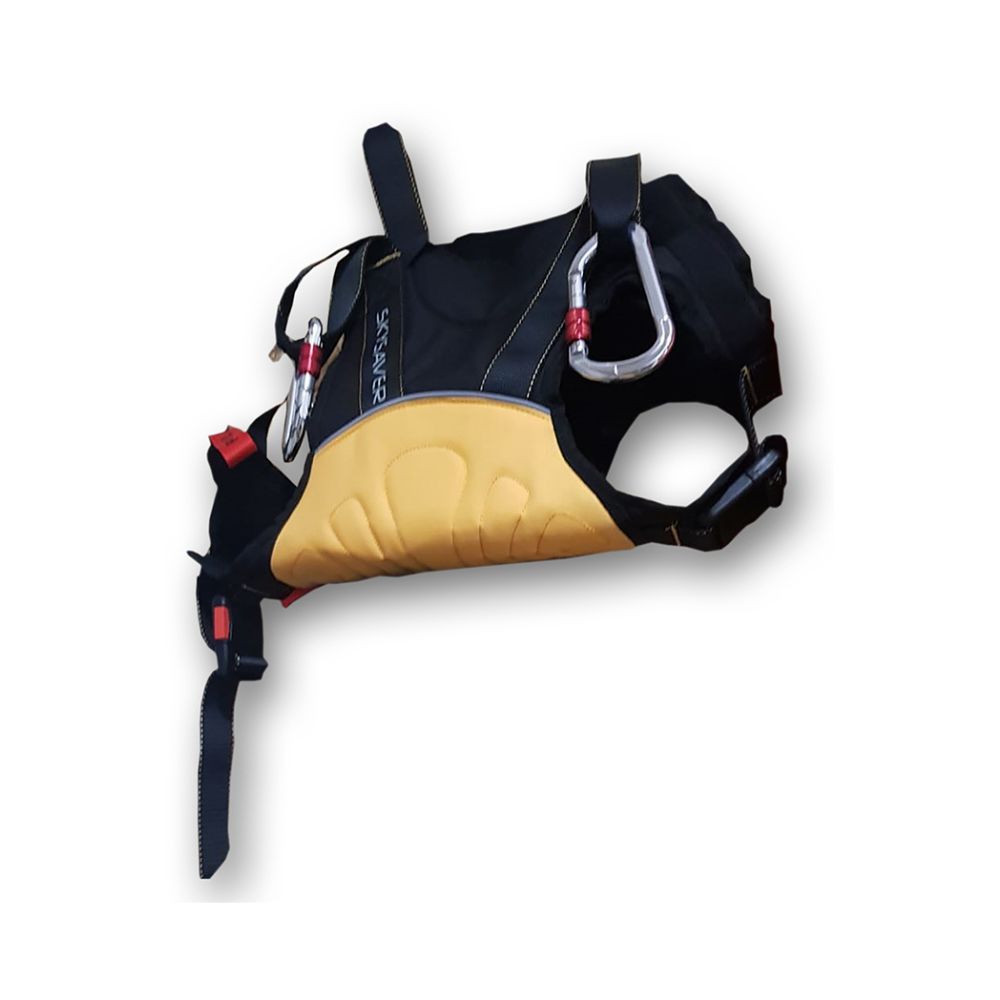
Attachable Pet Harnesses
Secure, lightweight safety harness designed for fast and controlled pet evacuation from high-rise buildings.

single Self-Rescue Harnesseses
Professional external safety harness for secure personal evacuation from high-rise buildings.
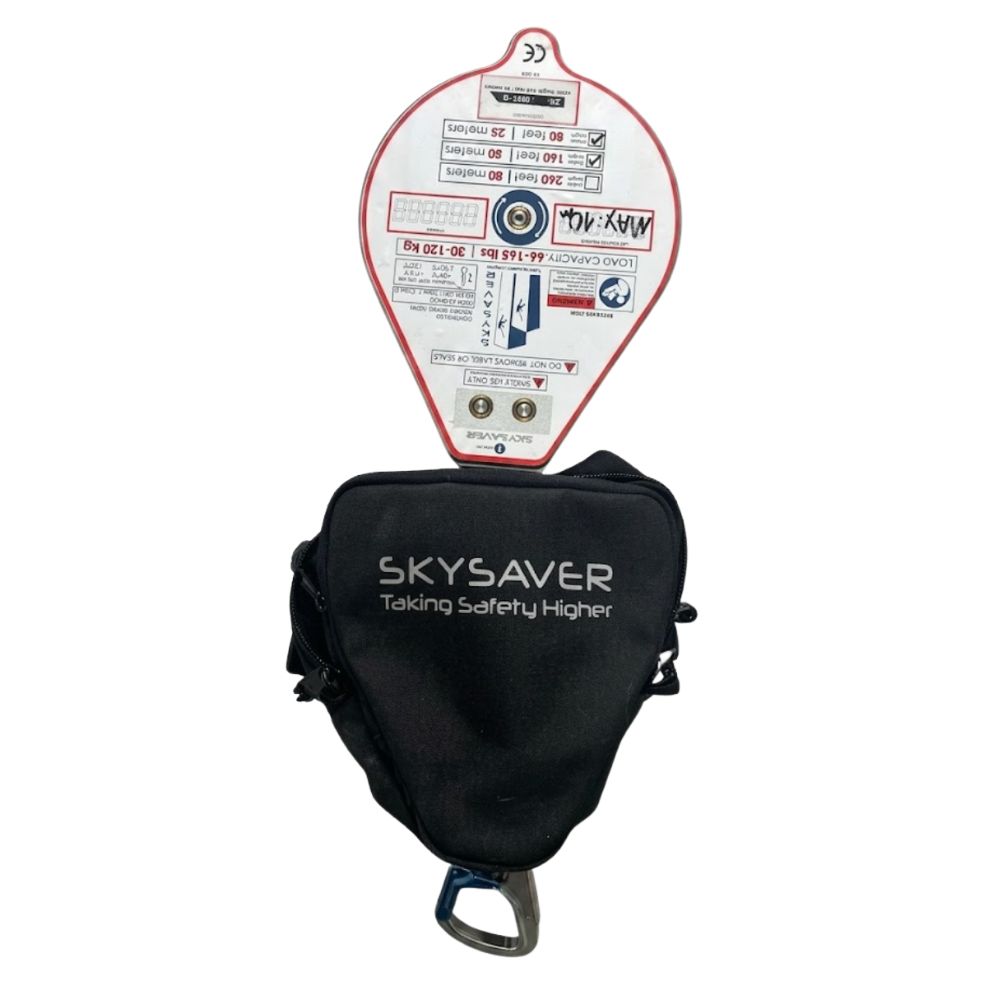
Controlled Descent Device (CDD)
External CDD unit for safe, controlled descent during high-rise emergency evacuation.