A fire in a high-rise building is one of the most dangerous emergencies a person can face. The combination of height, limited exit routes, rapid fire spread, and toxic smoke creates a life-threatening situation that demands immediate, decisive action. Whether you live in a residential tower, work in a commercial high-rise, or visit tall buildings regularly, knowing exactly how to escape a high-rise fire could save your life. This survival guide covers every critical step from the moment you detect a fire to the moment you reach safety on the ground.
First Response: Detecting the Fire
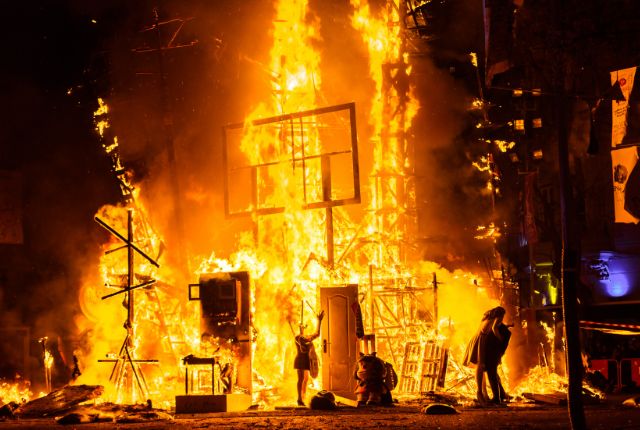
Your response to a high-rise fire begins the instant you become aware of it. Fire alarms, the smell of smoke, visible haze, unusual heat, or the sound of crackling and popping are all signals that demand immediate attention. Do not assume a fire alarm is a drill or a false alarm — treat every activation as a real emergency until you have confirmed otherwise. The difference between a thirty-second head start and a two-minute delay can be the difference between a clear stairwell and one filled with lethal smoke.
Before opening any door, test it for heat by placing the back of your hand against the door surface, the door handle, and the frame edges. A hot door indicates fire on the other side — opening it could expose you to a backdraft of superheated gases that can cause fatal burns instantly. If the door is cool, open it slowly and be prepared to close it immediately if you encounter smoke or flames in the hallway.
Evaluating Your Exit Options
If the hallway is clear of heavy smoke, proceed to the nearest stairwell. Never use elevators during a fire — they can malfunction, stop at the fire floor, or fill with smoke. Walk briskly but do not run, as falls on stairs during panic evacuations are a significant source of injuries. Stay to the right side of the stairwell to allow firefighters ascending on the left to pass. Count floors as you descend so you maintain awareness of your position in the building.
If the stairwell is filled with smoke, do not attempt to push through it. Smoke in high-rise fires contains carbon monoxide, hydrogen cyanide, and other toxic gases that can incapacitate you within seconds and kill within minutes. Even a few breaths of thick smoke can cause disorientation and loss of consciousness. Retreat to your apartment or the nearest room with a solid door that you can close between yourself and the smoke.
When Your Exit Is Blocked
If both your primary and secondary exit routes are blocked by fire or smoke, you must implement your backup evacuation plan. Close the door to your room and seal the gaps along the bottom and sides using wet towels, sheets, or clothing. This creates a barrier against smoke infiltration and buys you critical time. Move to a room with windows that face the street where rescuers can see you.
Call emergency services immediately. Provide your exact location: building address, floor number, apartment or office number, and which side of the building your windows face. This information helps firefighters locate you quickly among potentially hundreds of units. Open windows slightly from the top to vent any smoke that has entered your room, and from the bottom to bring in fresh air.
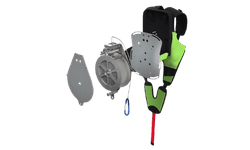
This is precisely the scenario where a personal controlled descent device becomes invaluable. The SkySaver Single Self-Rescue Kit allows you to evacuate through your window when all internal routes are blocked. The device clips to a pre-installed wall anchor, and its automatic braking mechanism lowers you safely to the ground at a controlled speed. No training required, no complex procedure to follow — just put on the harness, clip in, and descend. For families, the SkySaver Family Edition enables parents to evacuate with children using specialized harness attachments.
Critical Mistakes to Avoid
Panic kills more people in high-rise fires than many realize. The urge to flee at any cost can drive fatal decisions. Never run through a smoke-filled corridor — even light-looking smoke can contain lethal gas concentrations. Never attempt to go back into a burning area to retrieve valuables or personal items. Never break windows unless you have a specific plan for using them as an escape route, as broken windows can create air currents that draw fire toward your location.
Do not assume that because you cannot see flames, the environment is safe. The most dangerous components of fire — toxic gases and radiant heat — are often invisible. Carbon monoxide poisoning can cause confusion and euphoria before unconsciousness, leading victims to make irrational decisions or simply stop moving. Stay low where air quality is best, and if you must move through an area with light smoke, crawl with your face as close to the floor as possible.
Preparing Before an Emergency
Effective fire escape begins long before a fire occurs. Walk your building’s evacuation routes during normal conditions so you can navigate them in darkness or through smoke. Know the locations of all stairwells on your floor and which ones lead to exits at ground level. Install a personal descent device like the SkySaver CDD near your designated escape window and practice putting on the harness so the motions become automatic.
Keep essential items near your escape point: a flashlight, a whistle for signaling rescuers, sturdy shoes, and your personal descent device. Ensure your smoke detectors are functioning and have fresh batteries. Develop a family evacuation plan that accounts for different scenarios — stairwell available, stairwell blocked, fire on your floor, fire below your floor — and practice each scenario with all household members.
Your Safety Is in Your Hands
High-rise fire safety ultimately comes down to personal preparation. Building systems, fire departments, and emergency protocols all play important roles, but none of them can guarantee reaching you in time during a fast-moving fire. Having a personal escape device from SkySaver means that you always have an exit available, regardless of what is happening in the rest of the building. Visit the SkySaver shop to explore the full range of personal rescue solutions and take the most important step you can take for your family’s high-rise safety.
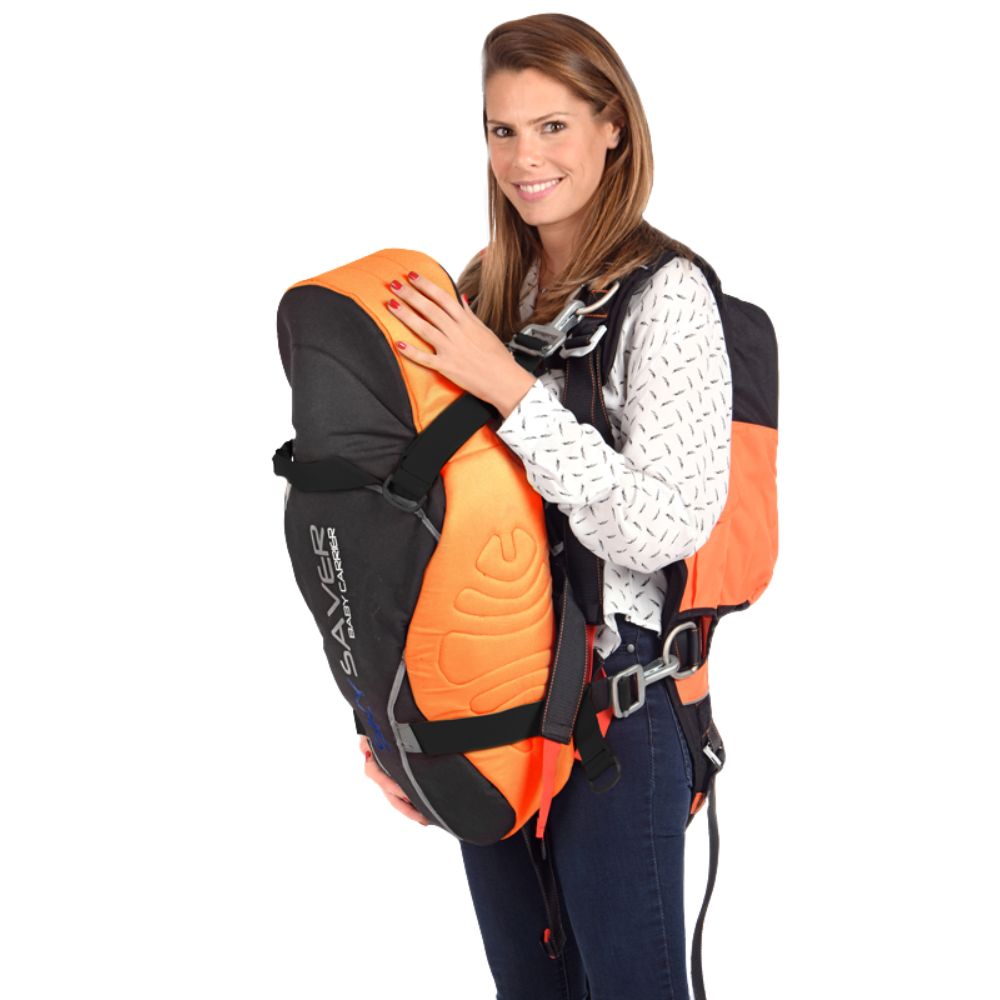
Attachable Baby Harness
Lightweight safety harness for fast and secure infant evacuation in high-rise emergencies.
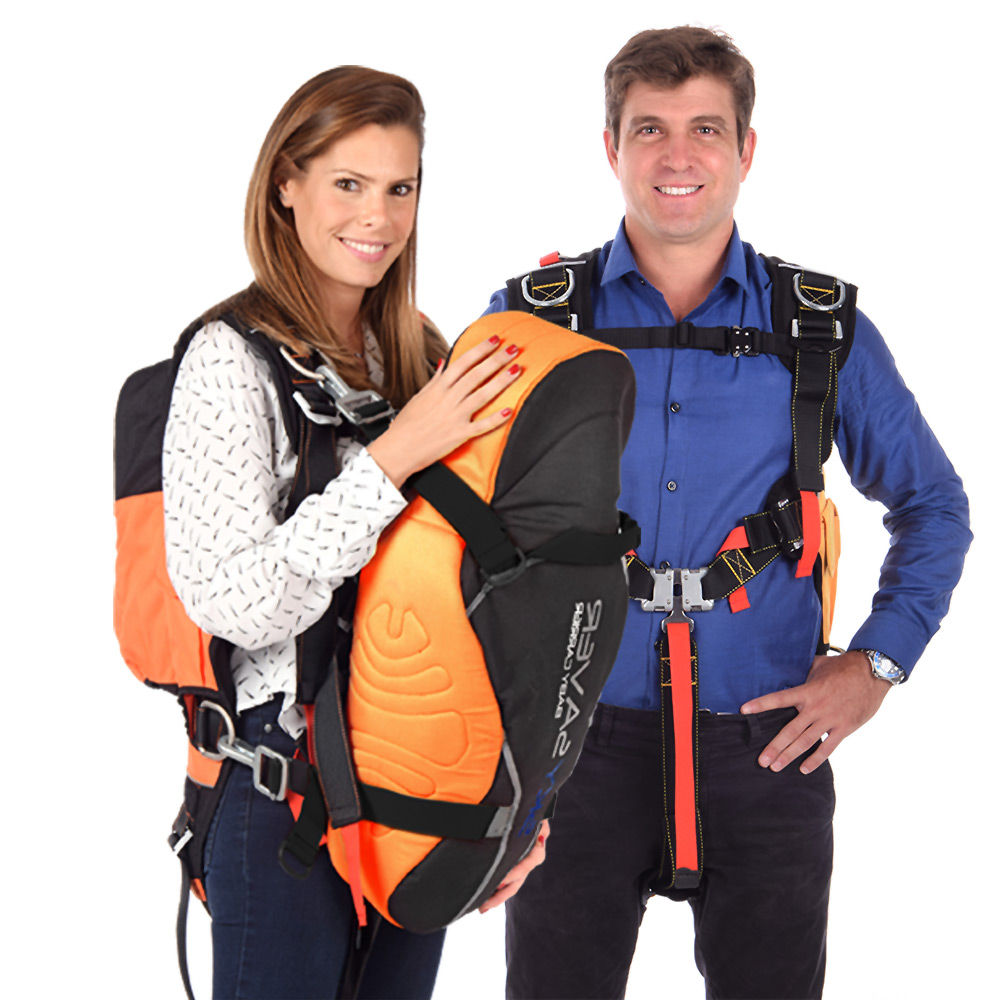
Parent Package
Complete emergency evacuation kit for the parent and dependant. Fast, safe descent from high-rise buildings.
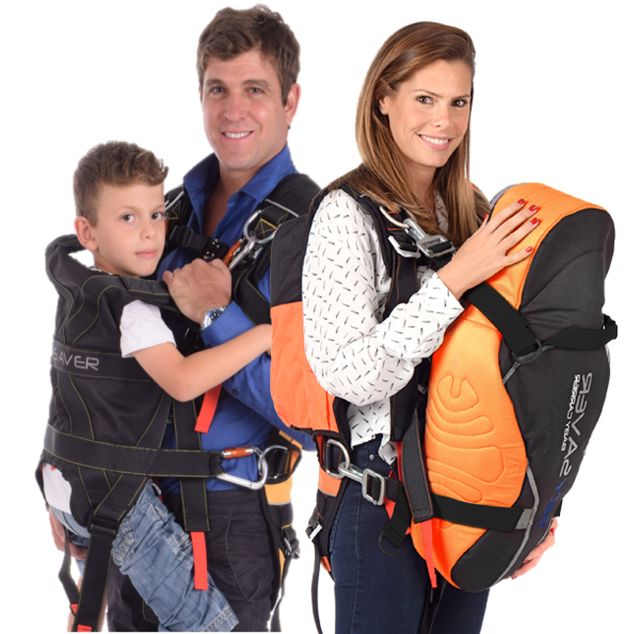
Parent Edition
Complete high-rise evacuation solution for a parent, maximum safety and fast deployment.
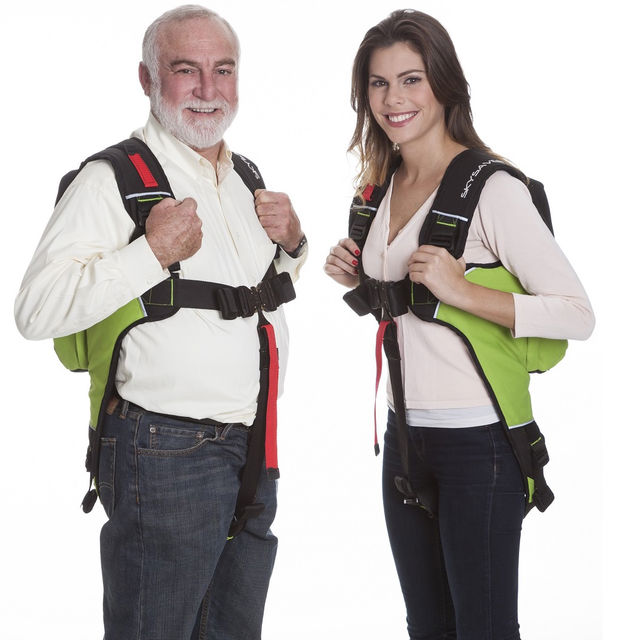
Single Self-Rescue Kit
Complete emergency evacuation kit for high-rise fast, safe descent during critical emergencies.
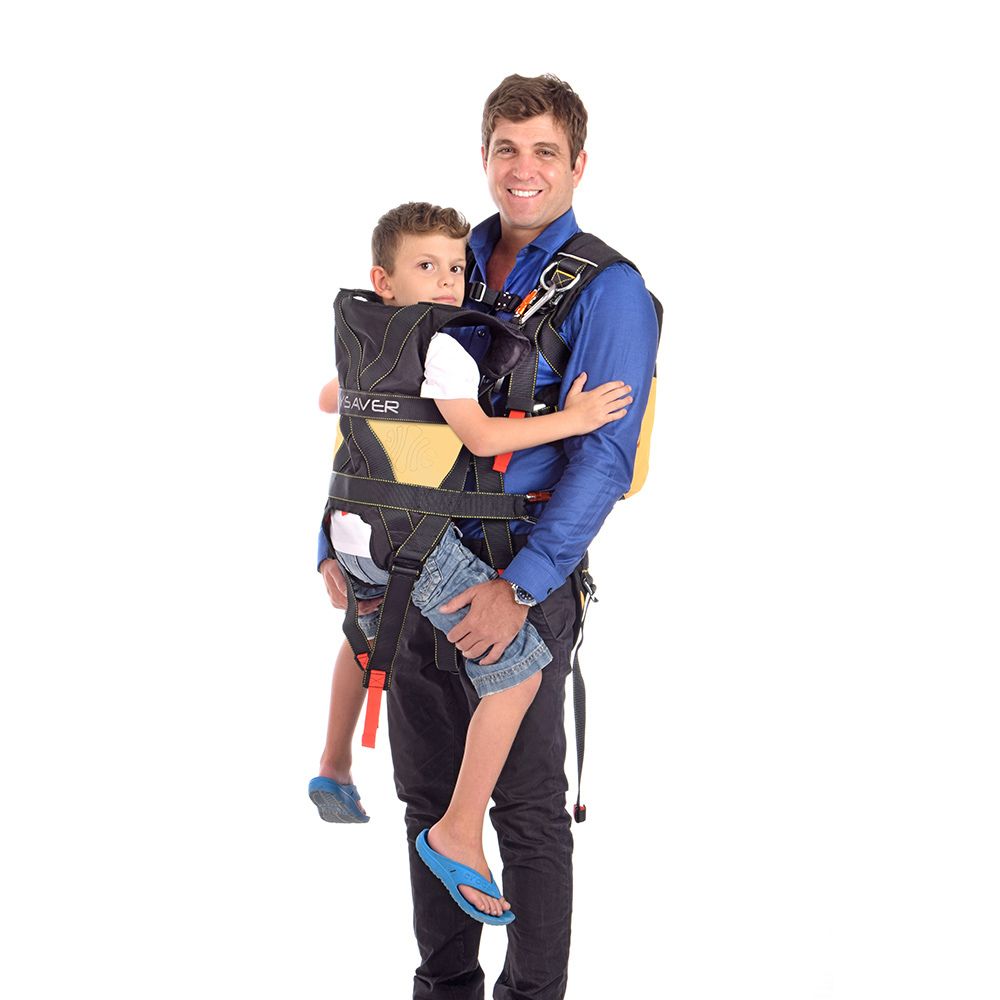
Attachable Child Harness
Lightweight child safety harness designed for secure, controlled evacuation from high-rise buildings.
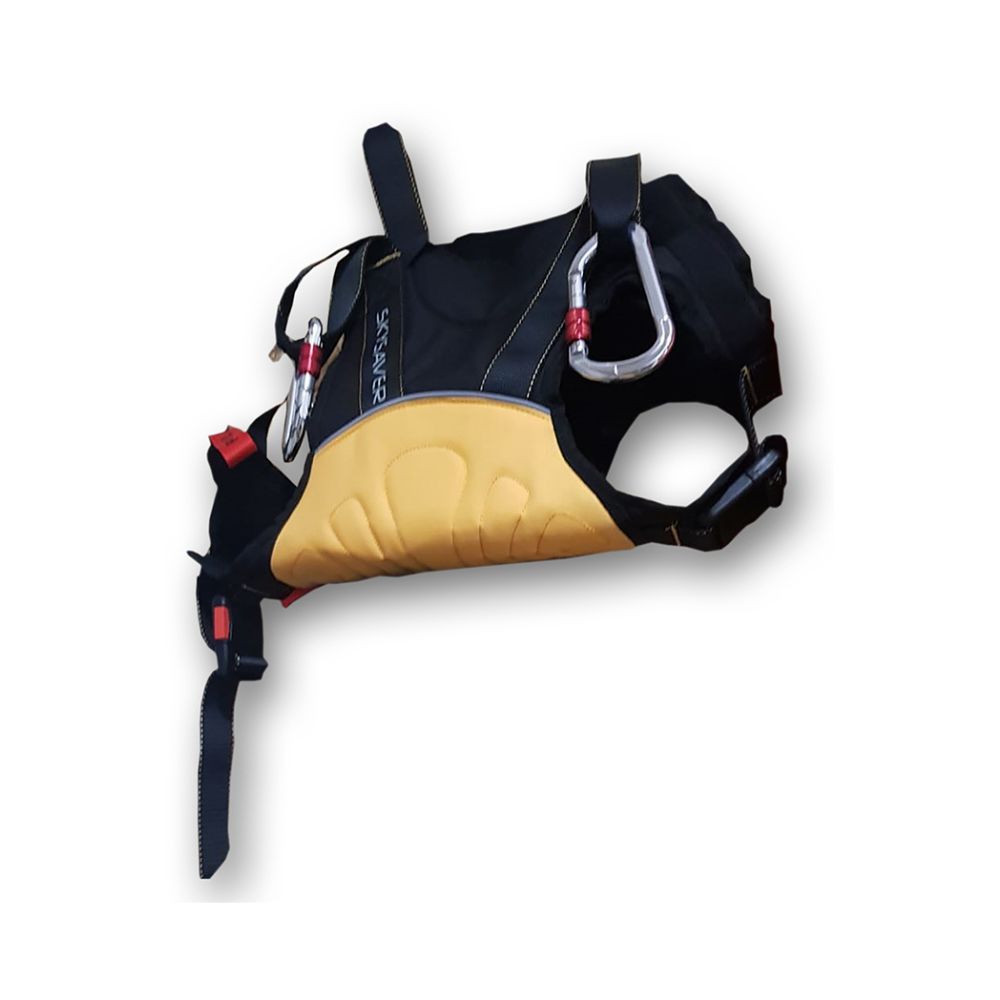
Attachable Pet Harnesses
Secure, lightweight safety harness designed for fast and controlled pet evacuation from high-rise buildings.

single Self-Rescue Harnesseses
Professional external safety harness for secure personal evacuation from high-rise buildings.
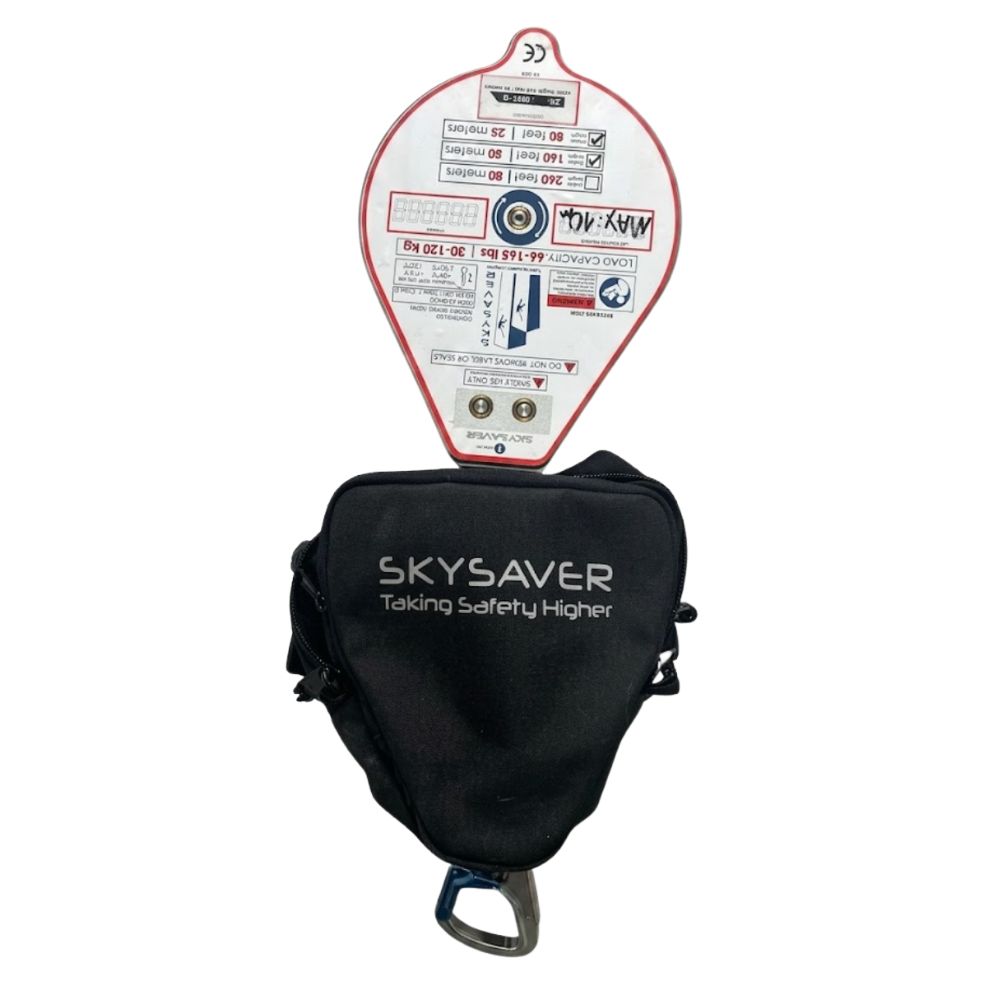
Controlled Descent Device (CDD)
External CDD unit for safe, controlled descent during high-rise emergency evacuation.