The SPARS (Special Purpose Autonomous Recovery System) rescue system represents one of the most ambitious attempts to apply parachute technology to building evacuation. Originally developed as a concept for emergency egress from tall structures, the SPARS system aims to provide a self-contained escape unit that can safely lower a person from skyscraper heights using a combination of controlled freefall and parachute deceleration. The system has generated significant media attention and public interest, but understanding its actual capabilities, limitations, and current development status is essential for anyone serious about high-rise safety planning.
How the SPARS System Is Designed to Work
The SPARS concept envisions a self-contained unit — often described as a backpack-sized device — that an individual straps on before jumping or stepping from a building opening. The system is designed to deploy a drogue chute or braking mechanism almost immediately upon exit, followed by a main canopy that inflates to provide a controlled descent to the ground. Some versions of the concept include GPS-guided steering to navigate the user away from the building and toward a safe landing zone.
The system typically incorporates multiple redundancy layers: a primary deployment mechanism, a backup deployment system, and impact-absorbing materials in the harness and base of the unit. Advocates of the SPARS concept point to its potential for rapid deployment and its independence from building infrastructure — the user simply puts on the device and exits through any available opening.
Technical Challenges and Development Status
Despite the compelling concept, the SPARS system faces the same fundamental physics challenges that affect all parachute-based building evacuation approaches. The minimum altitude required for safe parachute deployment creates a narrow operational window, particularly for buildings below thirty stories. Wind shear and turbulence around tall buildings in urban environments can dramatically affect canopy performance, potentially driving users into the building facade, adjacent structures, or unsafe landing areas.
The weight and bulk of a system that includes a parachute canopy, deployment mechanism, harness, and backup systems makes storage and rapid donning challenging. In a fire emergency where seconds count, the time required to locate the device, put it on correctly, and verify that all connections are secure before jumping adds critical delay. Any error in donning or deployment — more likely under the extreme stress of a fire — could have fatal consequences.
As of current development, the SPARS system remains primarily a concept and prototype rather than a commercially available, certified safety device. The engineering challenges of creating a reliable, user-friendly parachute system for building evacuation have proven substantially more complex than initial concept presentations suggested. No SPARS-type system has achieved widespread safety certification from major international standards bodies.
Why Controlled Descent Technology Is the Proven Alternative
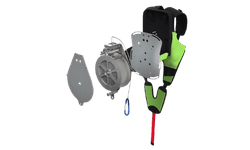
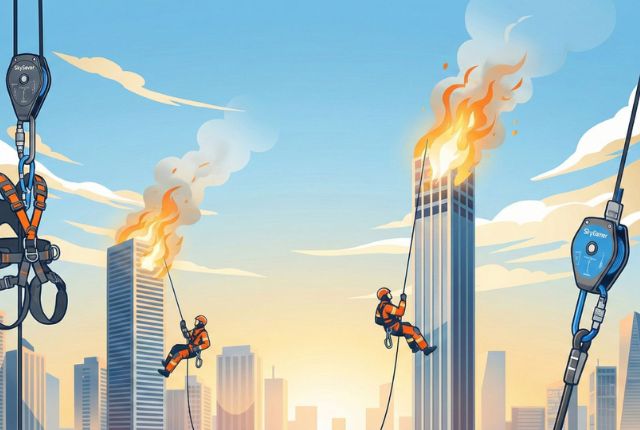
While the SPARS concept attempts to solve high-rise evacuation through aerodynamic principles, controlled descent devices solve the same problem through mechanical engineering — and they are already proven, certified, and commercially available. The SkySaver CDD uses a friction-braked cable system that provides predictable, controlled descent from any height. There is no freefall phase, no canopy to deploy, no wind sensitivity, and no minimum altitude requirement.
The advantages of controlled descent over parachute-based systems are substantial. A controlled descent device works from any floor — second or fiftieth — because it does not depend on aerodynamic principles that require minimum altitudes. The descent follows the building wall in a straight, predictable path, eliminating the risks of wind-driven lateral movement, canopy collapse, or steering errors. The device weighs a fraction of a parachute system and stores in a compact package that fits in any closet.
The SkySaver Single Self-Rescue Kit can be deployed in under sixty seconds by anyone, regardless of training or physical condition. There is no complex procedure to follow, no sequence of steps that must be performed correctly, and no judgment calls about wind conditions or deployment timing. The user puts on a simple harness, clips to a wall anchor, and the device does everything else automatically.
Evaluating Future Technologies vs. Available Solutions
Innovation in high-rise safety is valuable, and concepts like the SPARS system contribute to the broader conversation about how to protect people in tall buildings. However, when making personal safety decisions, the distinction between an available, certified product and a developmental concept matters enormously. Your safety plan should be built on technology that exists, works, and has been tested under real-world conditions today — not on technology that might be available someday.
SkySaver controlled descent devices are certified, commercially available, and deployed in buildings worldwide. They represent proven technology backed by rigorous testing and international safety certifications. For families, the Family Edition ensures that every family member, including children, can evacuate safely. Visit the SkySaver shop to invest in high-rise safety technology that works today, not tomorrow.
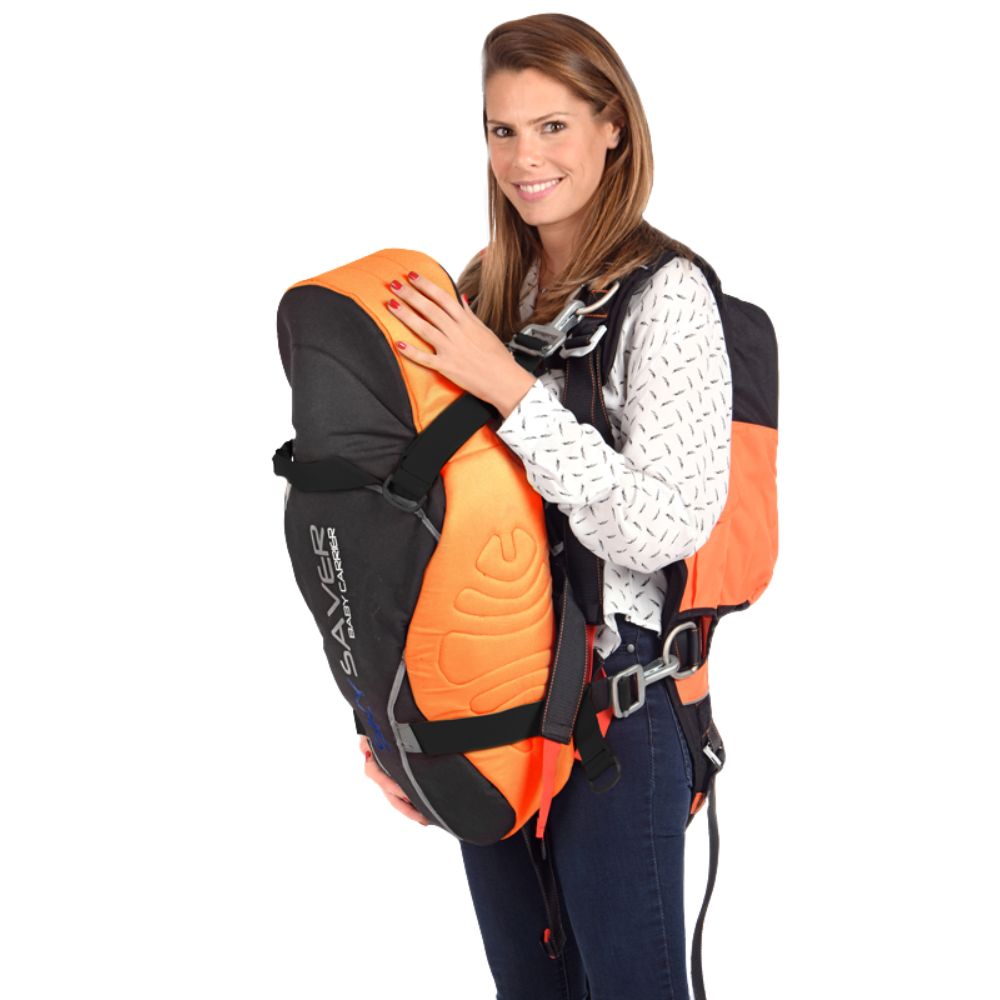
Attachable Baby Harness
Lightweight safety harness for fast and secure infant evacuation in high-rise emergencies.
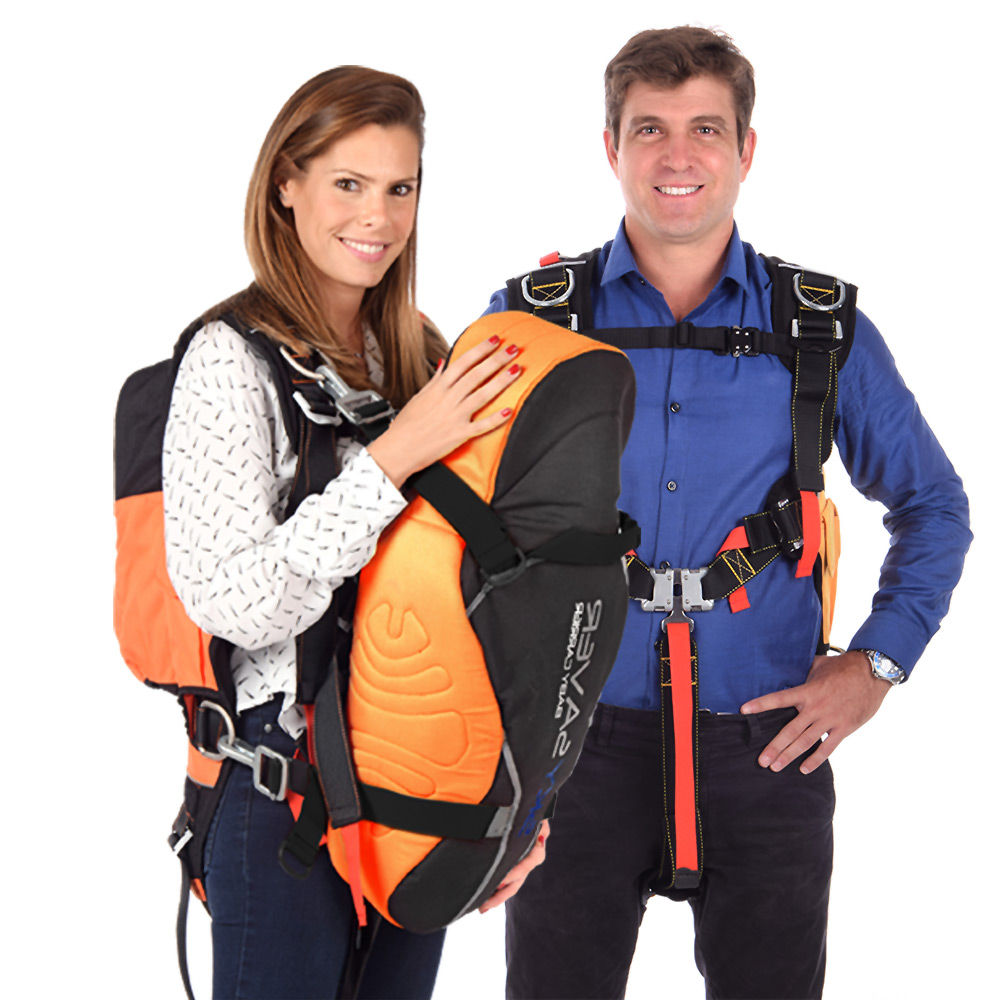
Parent Package
Complete emergency evacuation kit for the parent and dependant. Fast, safe descent from high-rise buildings.
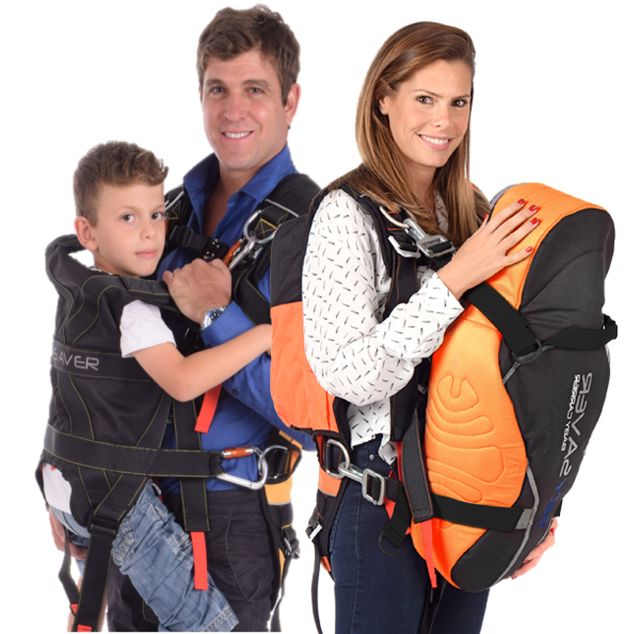
Parent Edition
Complete high-rise evacuation solution for a parent, maximum safety and fast deployment.
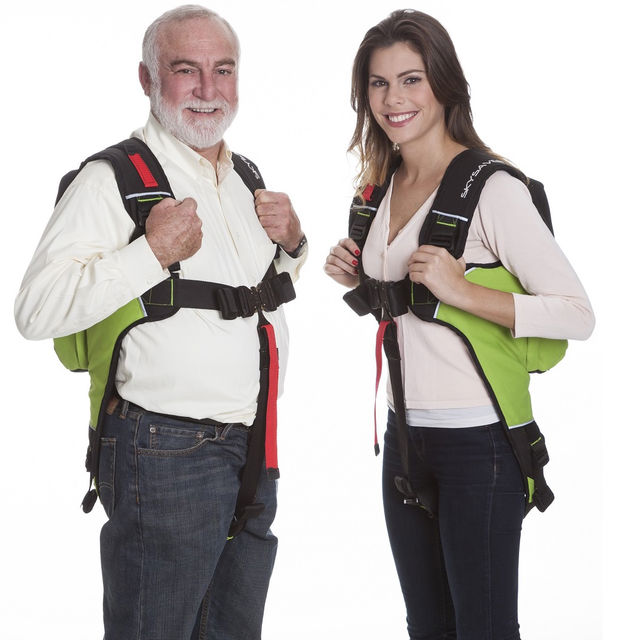
Single Self-Rescue Kit
Complete emergency evacuation kit for high-rise fast, safe descent during critical emergencies.
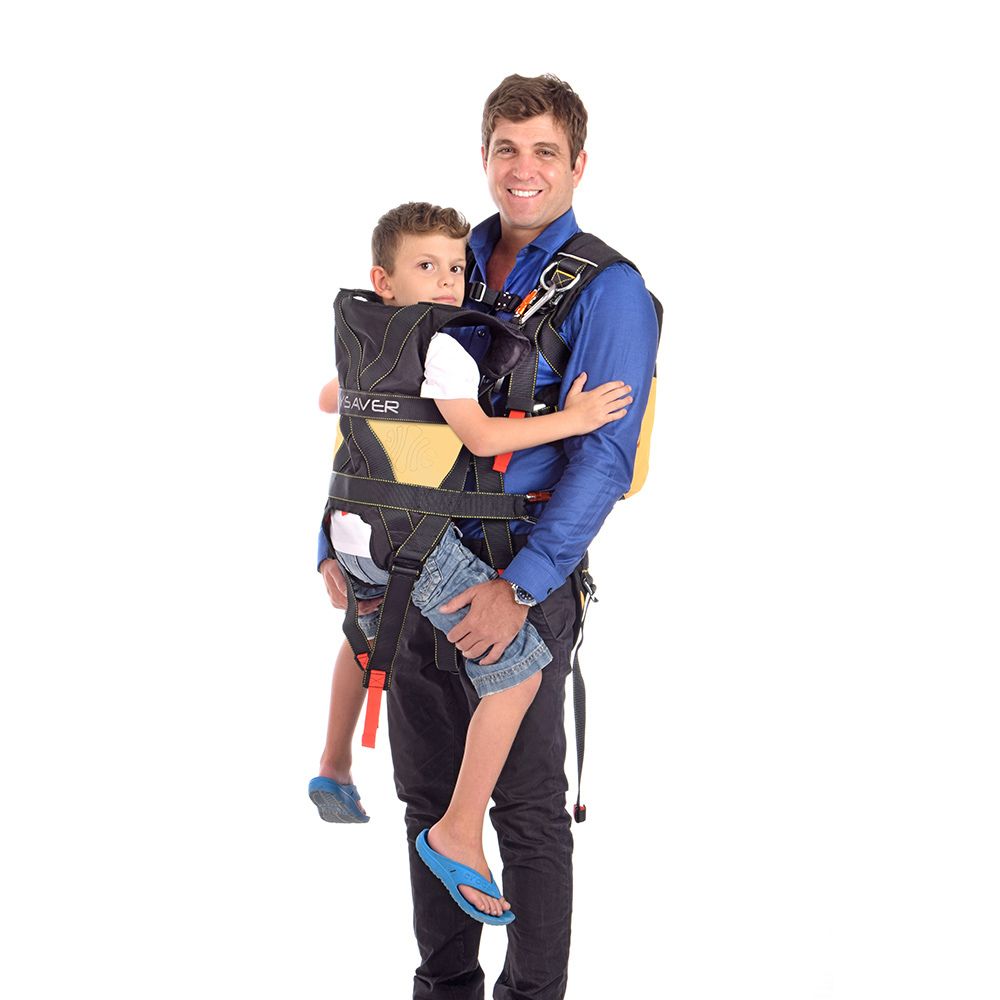
Attachable Child Harness
Lightweight child safety harness designed for secure, controlled evacuation from high-rise buildings.
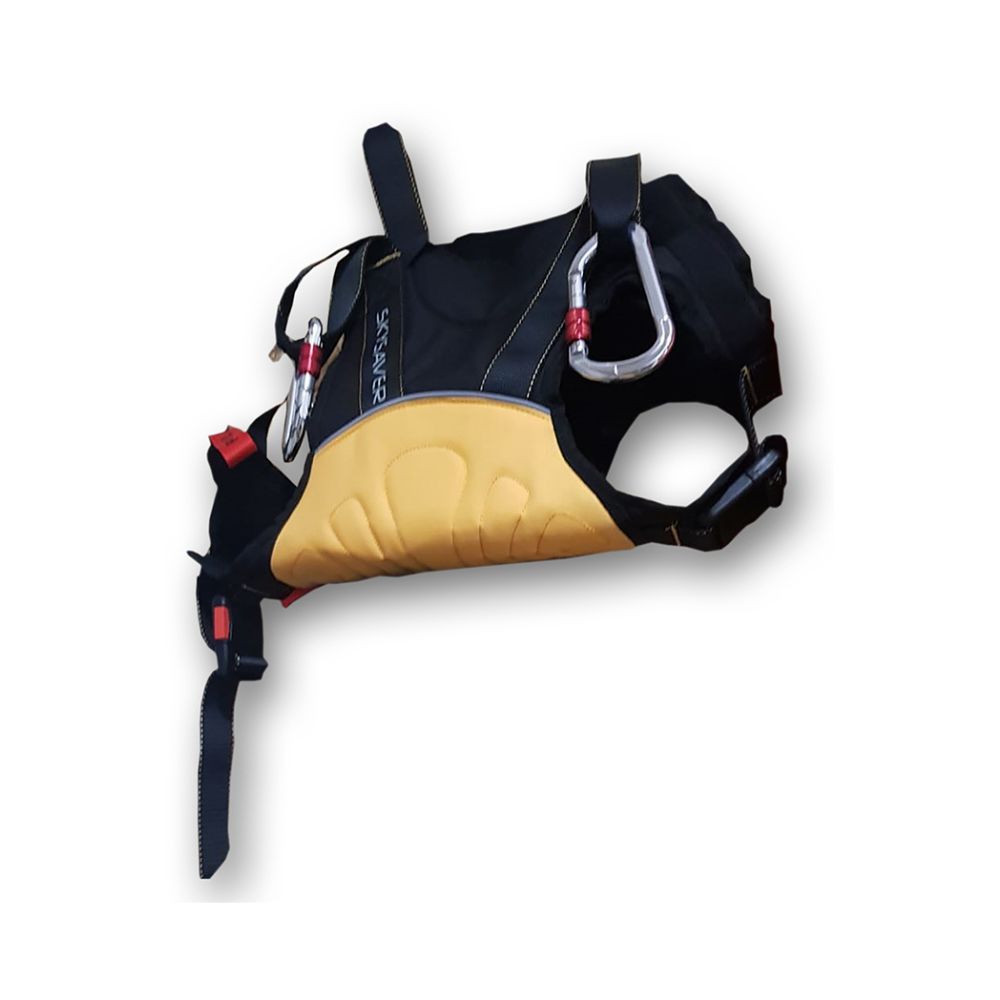
Attachable Pet Harnesses
Secure, lightweight safety harness designed for fast and controlled pet evacuation from high-rise buildings.
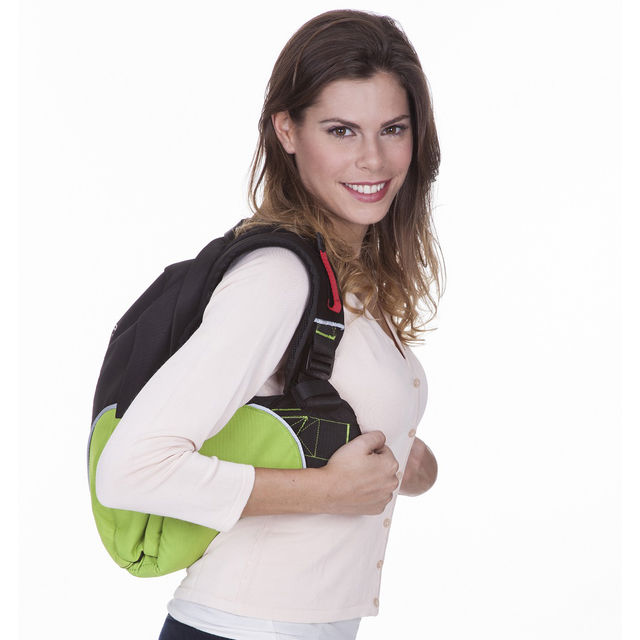
single Self-Rescue Harnesseses
Professional external safety harness for secure personal evacuation from high-rise buildings.
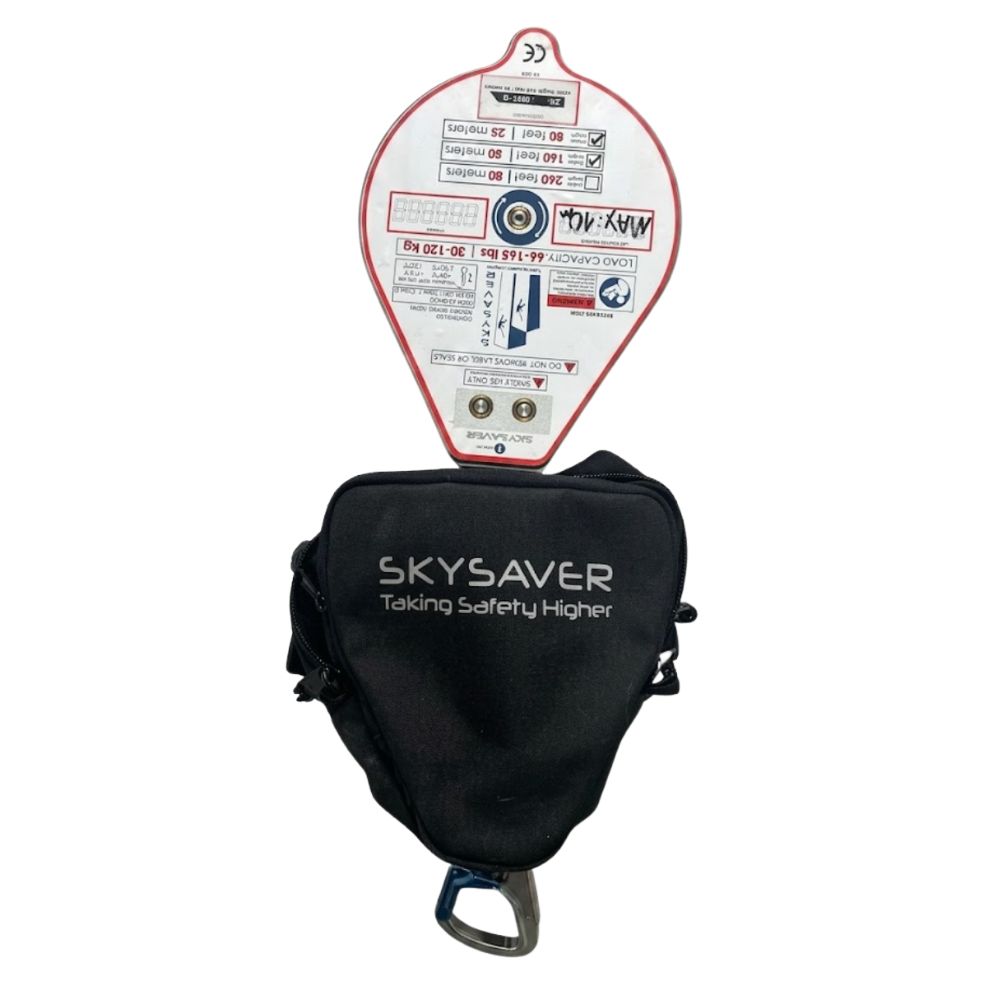
Controlled Descent Device (CDD)
External CDD unit for safe, controlled descent during high-rise emergency evacuation.