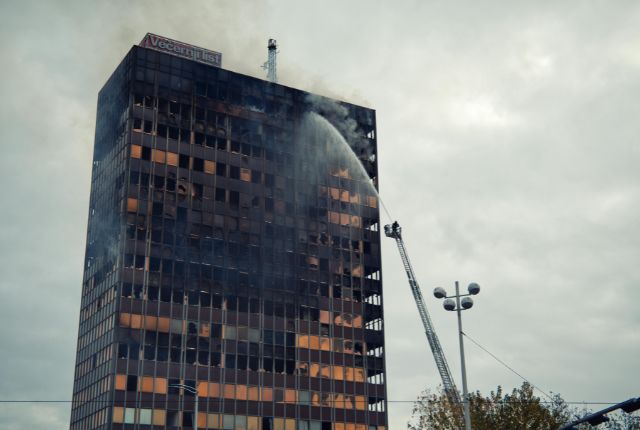
The idea of using a parachute to escape from a burning skyscraper captures the imagination in a way few other safety concepts do. After all, if skydivers routinely jump from airplanes at thousands of meters altitude and land safely, why not equip high-rise residents with personal parachutes for emergency evacuation? The concept has inspired numerous inventors, startups, and even established aerospace companies to explore parachute-based building evacuation. Yet the reality of emergency parachutes for skyscrapers is far more complex than it might initially appear, and understanding the fundamental challenges is essential for anyone evaluating high-rise safety options.
Why Building Parachutes Face Fundamental Challenges
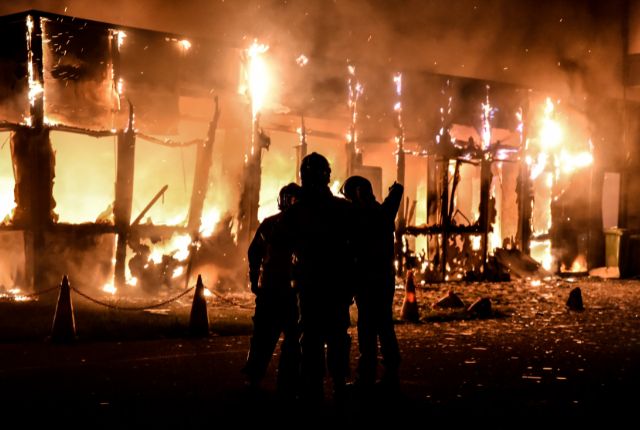
The physics of parachute deployment from buildings differs dramatically from aircraft-based skydiving. When a skydiver jumps from an airplane, they benefit from forward velocity that provides aerodynamic stability and a controlled body position during freefall. They typically have four to seven seconds of freefall before deploying their chute, during which they reach a stable terminal velocity and position themselves correctly. A person jumping from a building window has none of these advantages.
The most critical issue is altitude. A standard parachute requires approximately fifty to one hundred meters of freefall to fully deploy and begin generating sufficient drag to decelerate the user. A twenty-story building is approximately sixty meters tall, leaving virtually no margin for the chute to slow the person before ground impact. Even from the tallest residential buildings, the deployment window is dangerously narrow. Wind conditions around tall buildings create unpredictable turbulence, downdrafts, and lateral forces that can collapse a deploying canopy or slam the user against the building facade.
Building geometry presents additional hazards. Unlike open-sky skydiving, jumping from a building means descending past balconies, window ledges, architectural protrusions, neighboring structures, power lines, street traffic, and pedestrians. A parachute offers virtually no directional control during the first seconds of descent, meaning the user cannot steer away from obstacles. In urban environments, the landing zone is rarely an open field — it is a street, sidewalk, or parking area filled with cars, people, and hard surfaces.
Existing Parachute-Based Systems and Their Limitations
Several companies have developed or proposed parachute-based building evacuation systems over the years. These range from backpack-mounted parachutes marketed to individual building occupants to building-integrated systems that deploy large canopies through mechanical launchers. Some designs use ballistic deployment — a small explosive charge or compressed gas cylinder that rapidly ejects and inflates the parachute — to reduce the altitude required for full deployment.
Even with ballistic deployment, parachute systems for buildings face the weight problem. A complete parachute system with harness, deployment mechanism, and reserve chute weighs between eight and fifteen kilograms. Storing this equipment in every apartment adds significant bulk compared to more compact evacuation devices. The systems also require regular repacking and inspection by certified riggers, adding ongoing maintenance costs that many building residents would neglect.
Training is another significant barrier. Recreational skydivers undergo hours of ground training and typically make their first jumps tandem with an instructor. Using a parachute from a building in a fire emergency — with smoke, heat, panic, and zero margin for error — is incomparably more dangerous than a controlled skydive from a properly equipped aircraft. Expecting untrained civilians to successfully deploy and navigate a parachute during the most stressful moments of their lives is unrealistic.
What Actually Works for High-Rise Escape
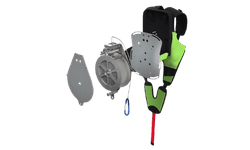
The safety engineering community has largely moved away from parachute-based solutions toward controlled descent devices that address the same need — independent evacuation from upper floors — without the aerodynamic, altitude, and training challenges that make parachutes impractical. A controlled descent device (CDD) uses a cable and mechanical braking system rather than aerodynamic drag, eliminating the need for freefall altitude, wind considerations, or landing zone clearance.
The SkySaver Single Self-Rescue Kit weighs a fraction of what a parachute system weighs and stores compactly in any closet. It works from any height — whether you are on the fifth floor or the fiftieth — because it uses gravity-fed cable descent rather than aerodynamic principles that require minimum altitudes. The descent speed is automatically controlled by the device’s internal braking mechanism, requiring no user skill or training. You put on the harness, clip to the wall anchor, and step out the window. The device does the rest.
Why Controlled Descent Beats Free Fall
The fundamental advantage of controlled descent over parachute-based systems is predictability. A controlled descent device produces the same safe descent speed every time, regardless of wind conditions, building geometry, or user weight. There is no deployment phase during which the user is in uncontrolled freefall. There is no canopy that can malfunction, collapse, or tangle. There is no directional control required from the user. The descent follows the building’s exterior wall in a straight line to the ground.
For families with children, the comparison becomes even more stark. Asking a child to deploy a parachute is unthinkable. The SkySaver Family Edition allows a parent to descend while carrying a child in a specialized harness, maintaining physical contact and control throughout the entire evacuation. This family-focused approach to high-rise escape is something that no parachute system can safely replicate.
The Practical Choice for High-Rise Safety
While emergency parachutes for skyscrapers make for compelling science fiction and impressive concept videos, the practical reality is that controlled descent technology offers a far safer, more reliable, and more accessible approach to personal high-rise evacuation. The technology is proven, the devices are certified to international safety standards, and they work for people of all ages and physical abilities. Rather than betting your life on successfully deploying a parachute during the chaos of a building fire, invest in a device that provides guaranteed, controlled descent every time. Visit the SkySaver shop to explore personal rescue solutions built on proven engineering rather than wishful aerodynamics.
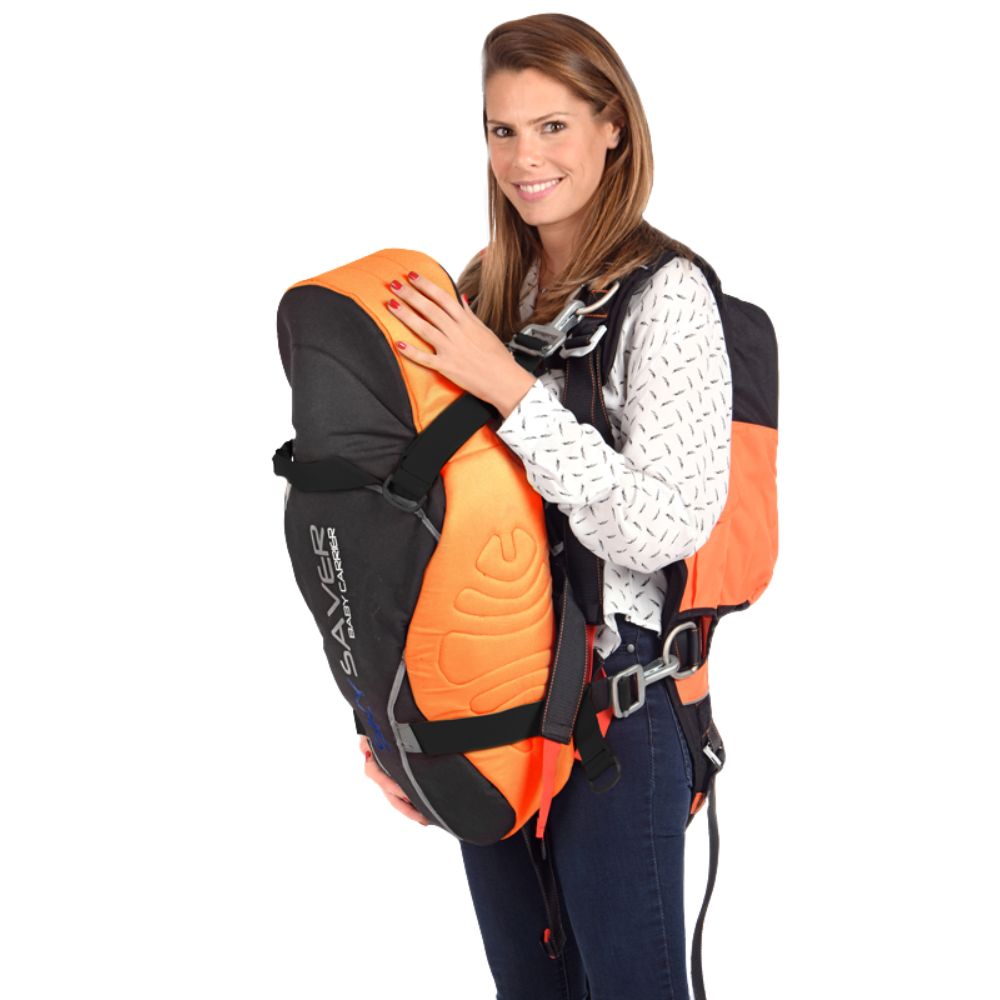
Attachable Baby Harness
Lightweight safety harness for fast and secure infant evacuation in high-rise emergencies.
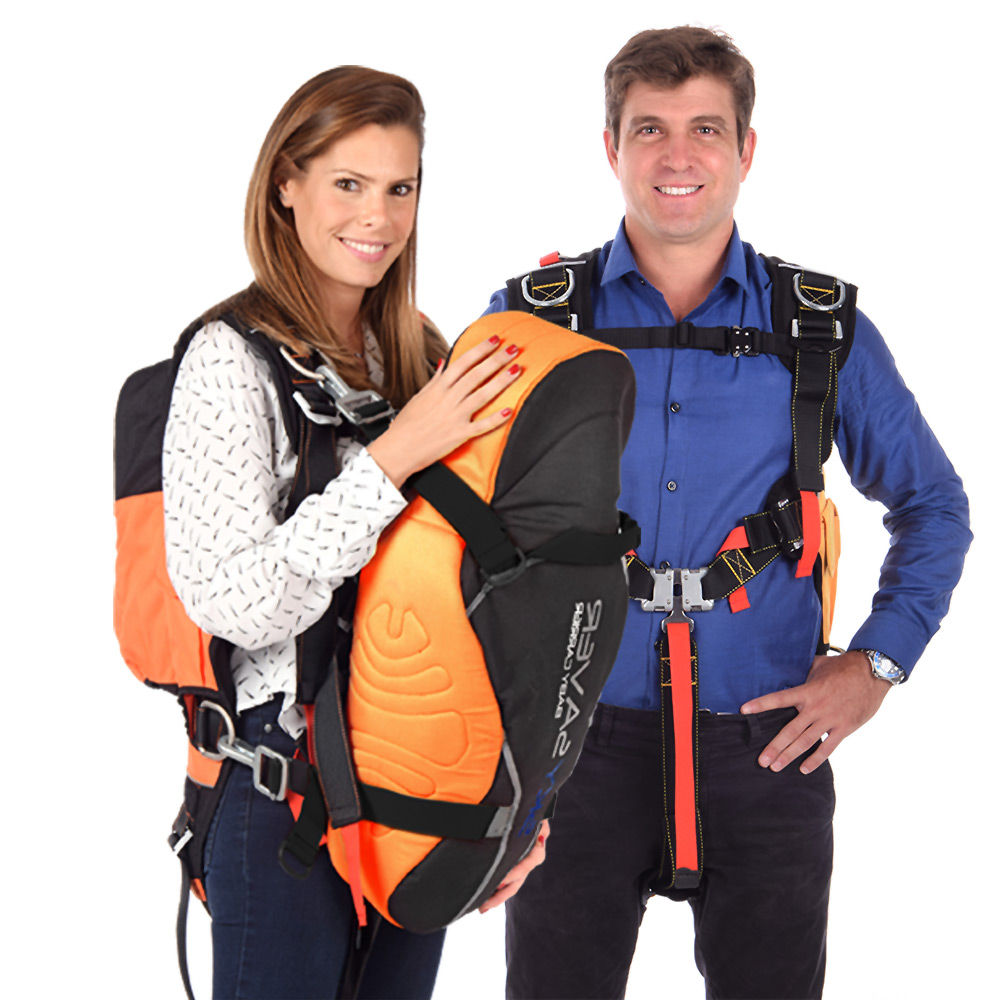
Parent Package
Complete emergency evacuation kit for the parent and dependant. Fast, safe descent from high-rise buildings.
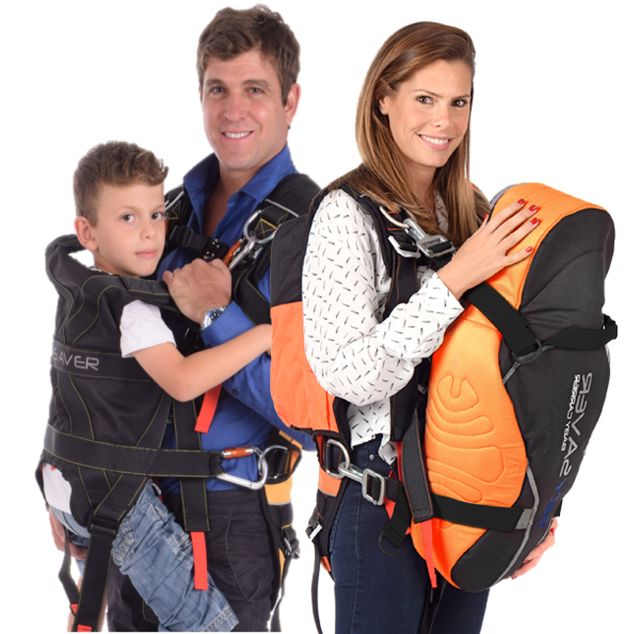
Parent Edition
Complete high-rise evacuation solution for a parent, maximum safety and fast deployment.
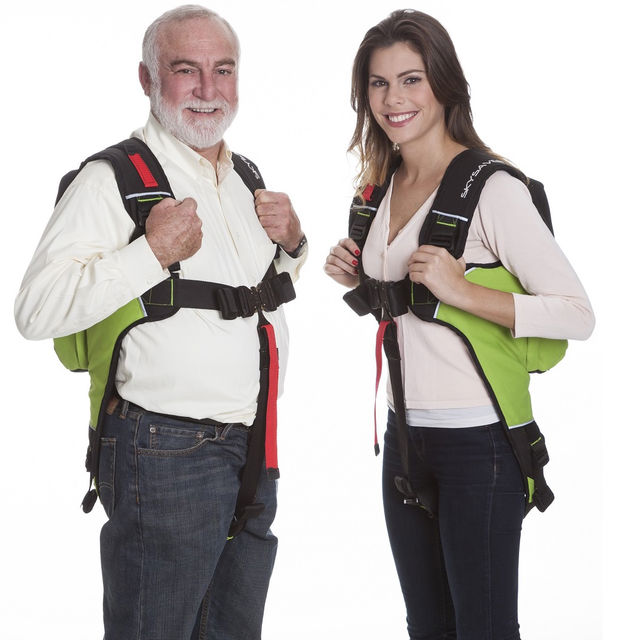
Single Self-Rescue Kit
Complete emergency evacuation kit for high-rise fast, safe descent during critical emergencies.
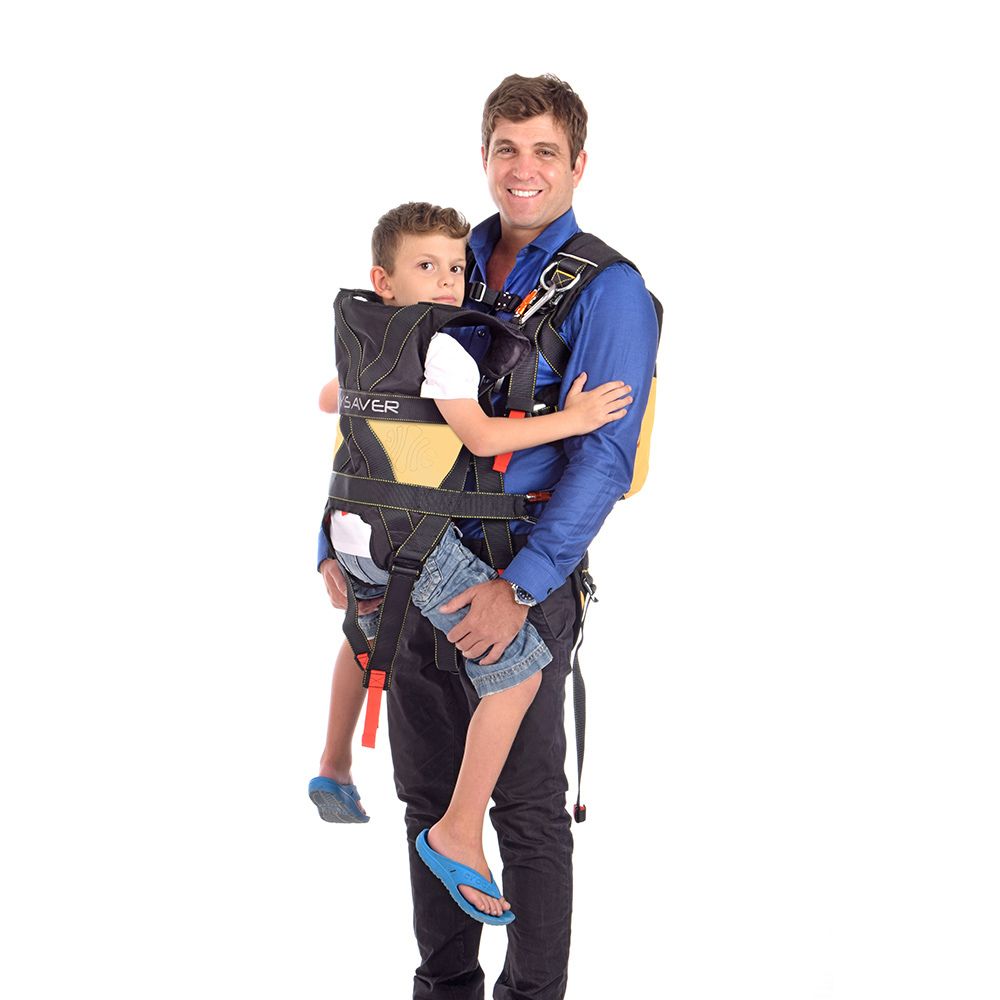
Attachable Child Harness
Lightweight child safety harness designed for secure, controlled evacuation from high-rise buildings.
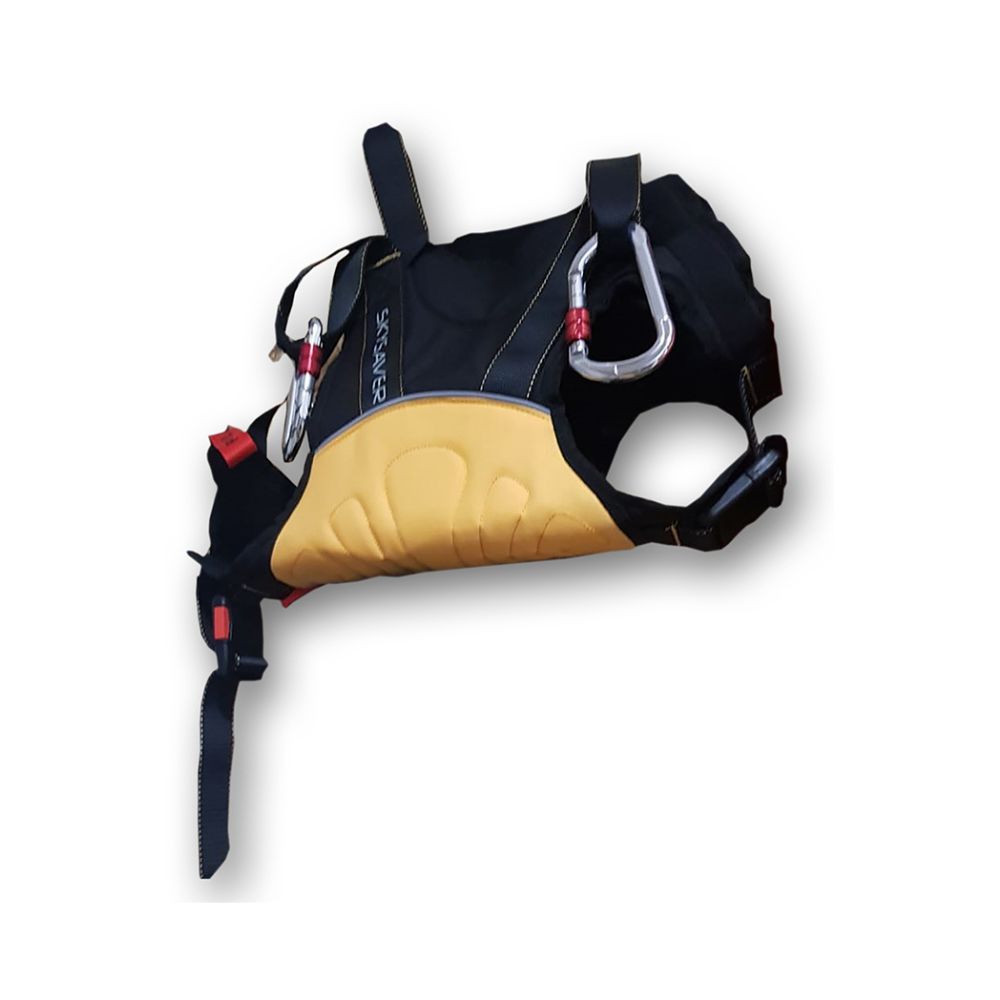
Attachable Pet Harnesses
Secure, lightweight safety harness designed for fast and controlled pet evacuation from high-rise buildings.
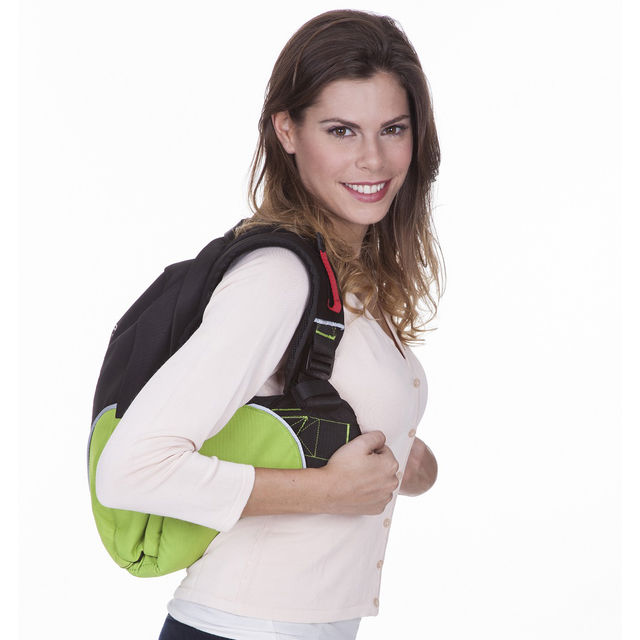
single Self-Rescue Harnesseses
Professional external safety harness for secure personal evacuation from high-rise buildings.
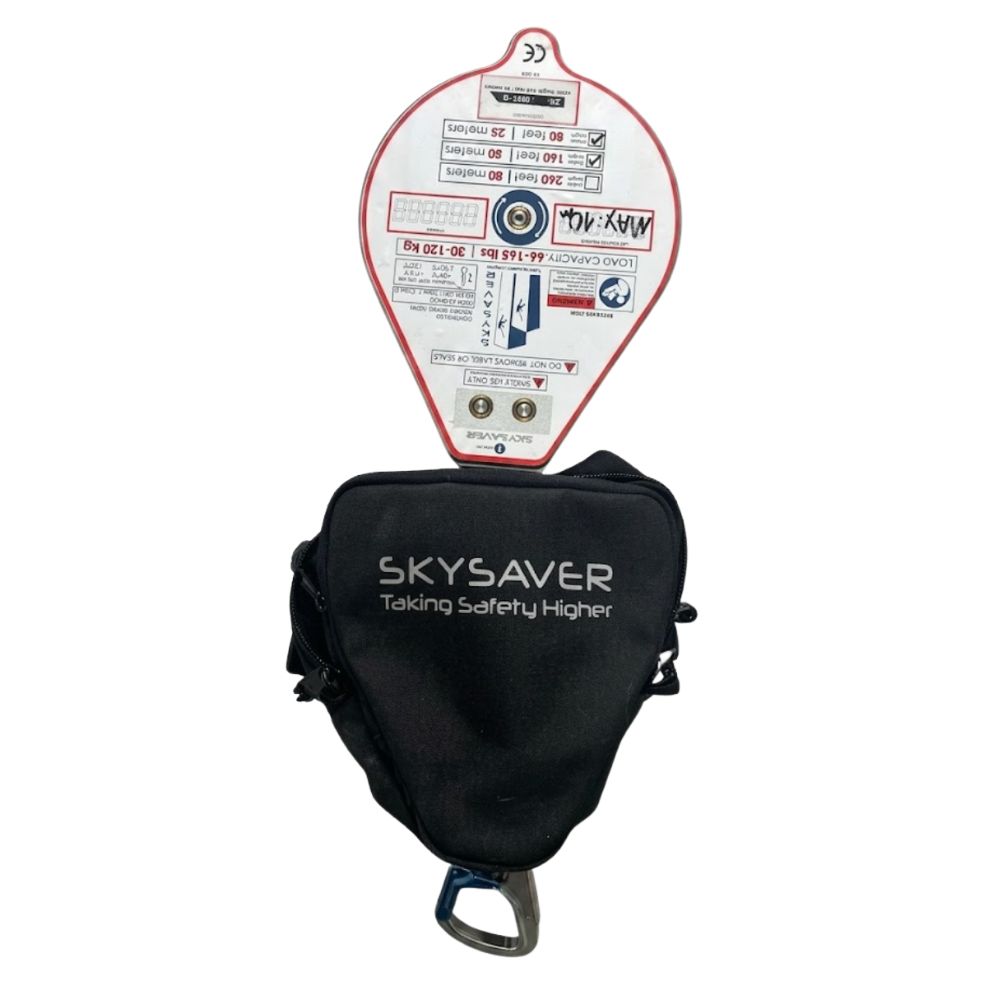
Controlled Descent Device (CDD)
External CDD unit for safe, controlled descent during high-rise emergency evacuation.