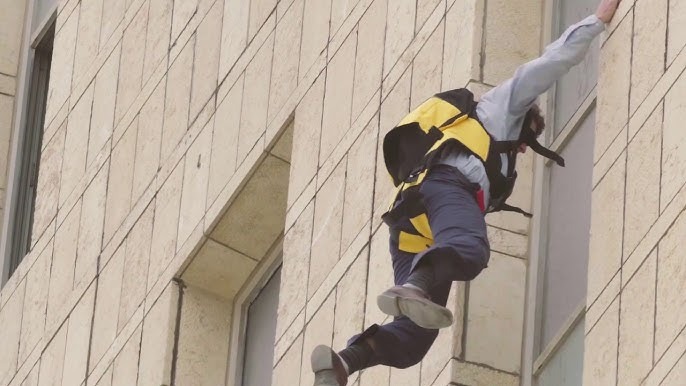
Fire escape tubes represent one of several technologies developed to address the critical challenge of evacuating multi-story buildings during emergencies. These vertical chute systems, sometimes called escape tubes or evacuation tunnels, provide an enclosed pathway through which building occupants slide from upper floors to ground level. While the concept has been around for decades and is used in certain industrial and military applications, understanding how fire escape tubes actually work — and their practical limitations — is essential for anyone evaluating high-rise evacuation options.
How Fire Escape Tubes Work
A fire escape tube is essentially a large-diameter fabric or reinforced polymer tube that extends vertically along the exterior of a building from an upper floor to the ground. The tube is typically constructed from fire-resistant materials and features an internal spiral or friction-control design that regulates the speed at which a person descends. Users enter the tube through a window or designated opening, position themselves inside, and gravity pulls them downward while the tube’s internal design prevents free-fall speeds.
Some fire escape tube designs use a straight vertical drop with internal friction panels, while others employ a spiral configuration that forces the occupant to rotate as they descend, naturally limiting speed through centrifugal friction against the tube walls. More advanced systems include adjustable tension mechanisms that can accommodate different body weights, ensuring a consistent descent speed regardless of the user’s size.
Where Fire Escape Tubes Are Used
Fire escape tubes have found their primary applications in industrial settings such as offshore oil platforms, military installations, and some commercial buildings in Asia. Oil platforms in particular have adopted vertical evacuation chutes because they offer a rapid means of moving large numbers of workers from elevated deck levels to lifeboat stations during emergencies. In these controlled environments, workers receive regular training on how to use the chutes safely and effectively.
In the residential high-rise market, fire escape tubes have seen limited adoption for several practical reasons. The tubes must be permanently installed on the building exterior, which raises aesthetic concerns for residential properties and can face resistance from building management associations and local zoning regulations. The entry points require dedicated access openings on each floor, which involves significant structural modification to existing buildings. For new construction, incorporating tube access points into the architectural design adds cost and complexity.
Limitations and Safety Concerns
Despite their conceptual appeal, fire escape tubes present several significant challenges for residential high-rise evacuation. The physical experience of entering and descending through a tube can be intimidating and disorienting, particularly for elderly residents, young children, and individuals with claustrophobia. The enclosed nature of the tube means that if one person becomes stuck or panics midway through descent, everyone above them in the tube is also trapped until the blockage is cleared.
Weather conditions can affect tube performance. Rain, ice, and wind can alter the friction characteristics of the tube’s interior surface, potentially causing unsafe descent speeds. Extremely tall buildings present engineering challenges, as the accumulated friction heat from long descents can degrade tube materials over time. Regular maintenance and inspection are essential, adding ongoing costs that building management must factor into their safety budgets.
Accessibility is another concern. People with mobility impairments, wheelchair users, and individuals with certain physical conditions may be unable to safely enter or navigate a fire escape tube. This means that even in buildings equipped with tube systems, alternative evacuation methods must still be available for a significant portion of the building’s occupant population.
Personal Descent Devices: A More Versatile Alternative
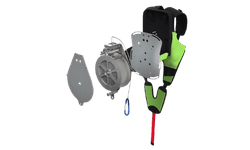
Controlled descent devices offer many of the same benefits as fire escape tubes — rapid evacuation from upper floors without using stairwells — while avoiding most of their limitations. The SkySaver CDD is a personal device that each resident stores in their own unit. There is no permanent exterior installation required, no building modification needed beyond a simple wall anchor, and no dependency on shared infrastructure that could be blocked by other evacuees.
A controlled descent device works through any standard window, transforming every unit in the building into a potential evacuation point. The SkySaver Single Self-Rescue Kit uses a friction-braked cable system that automatically controls descent speed regardless of the user’s weight. Unlike a fire escape tube, there is no enclosed space to navigate, no risk of becoming trapped behind another person, and no weather-dependent friction characteristics to worry about.
Making the Right Choice for Your Building
For building managers evaluating evacuation options, the choice between fire escape tubes and personal descent devices depends on several factors. Fire escape tubes may be appropriate for industrial facilities with trained personnel and controlled access. For residential high-rise buildings, where occupants range from young children to elderly residents and where building aesthetics and structural modifications are significant concerns, personal controlled descent devices offer a more practical and inclusive solution.
The SkySaver Family Edition accommodates families with children, while the compact design of all SkySaver products means they can be stored discreetly in any apartment without affecting the building’s exterior appearance. For high-rise residents who want reliable, personal, and immediately accessible fire escape capability, visit the SkySaver shop to explore the full range of controlled descent solutions.
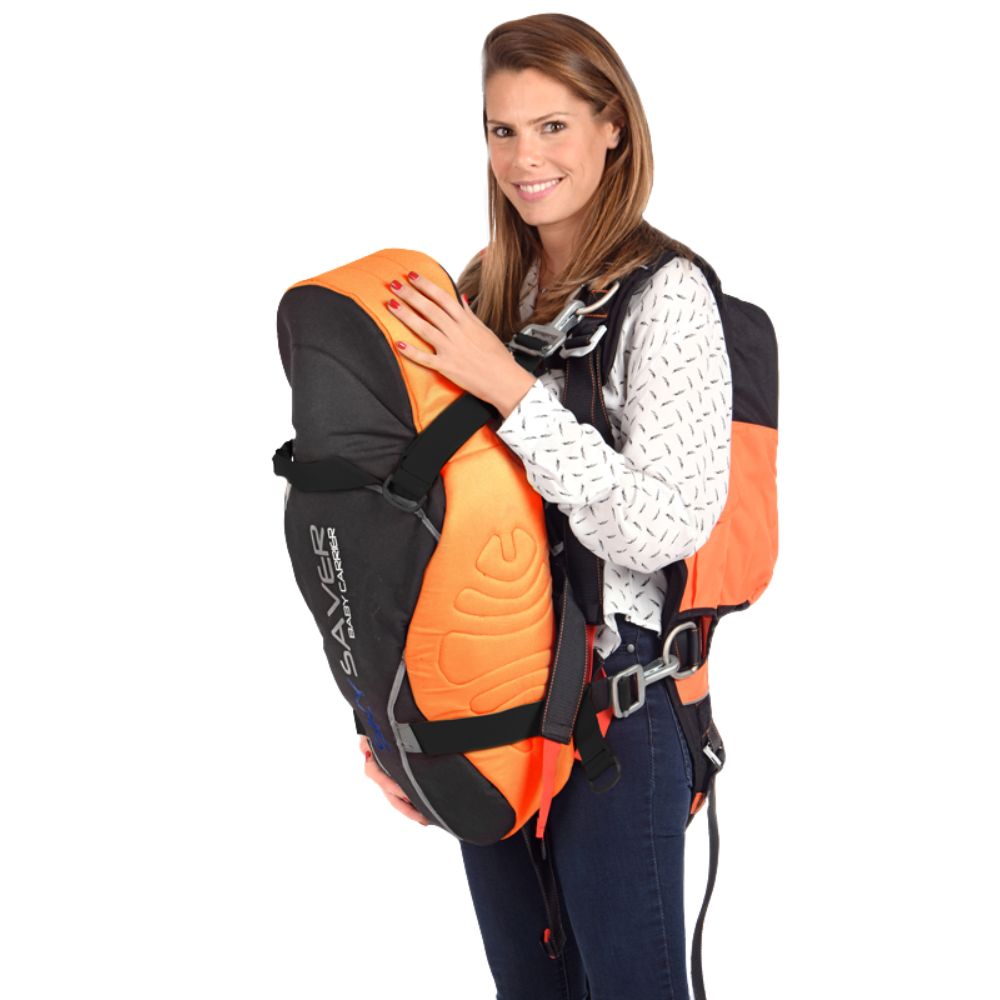
Attachable Baby Harness
Lightweight safety harness for fast and secure infant evacuation in high-rise emergencies.
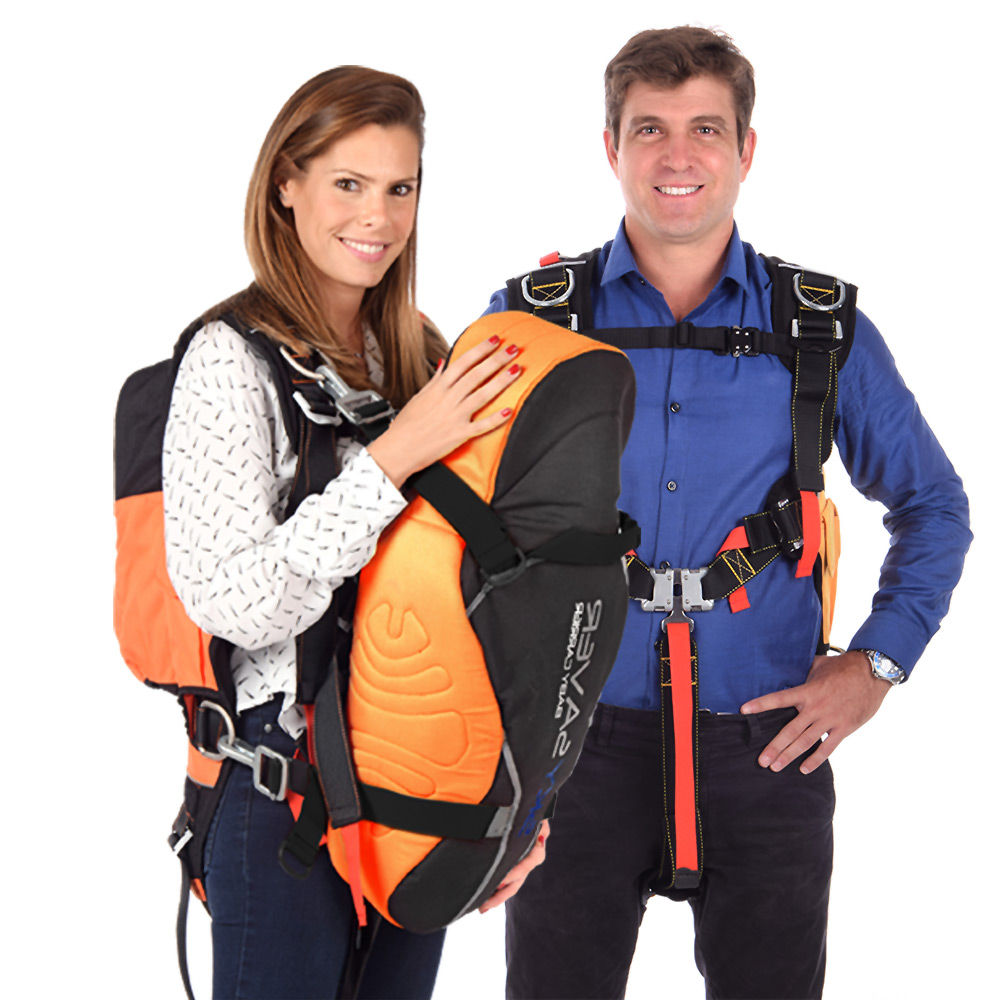
Parent Package
Complete emergency evacuation kit for the parent and dependant. Fast, safe descent from high-rise buildings.
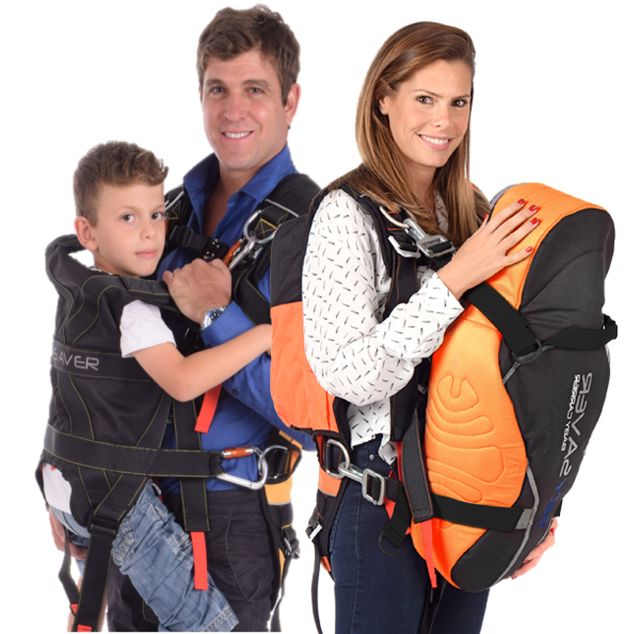
Parent Edition
Complete high-rise evacuation solution for a parent, maximum safety and fast deployment.
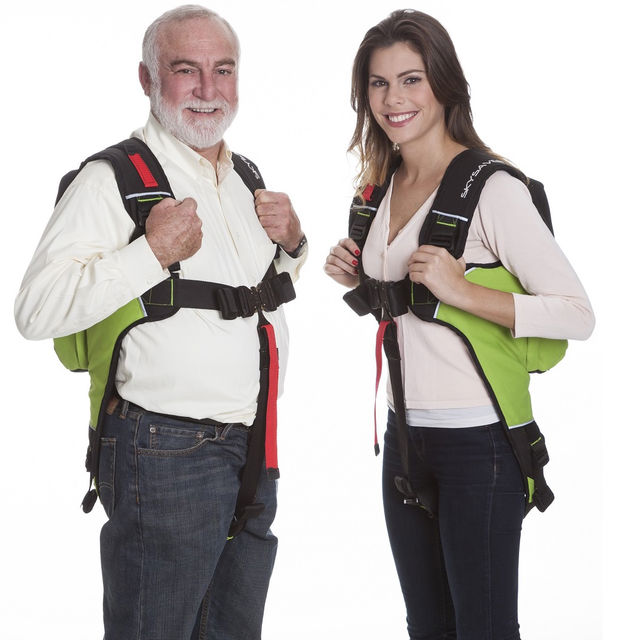
Single Self-Rescue Kit
Complete emergency evacuation kit for high-rise fast, safe descent during critical emergencies.
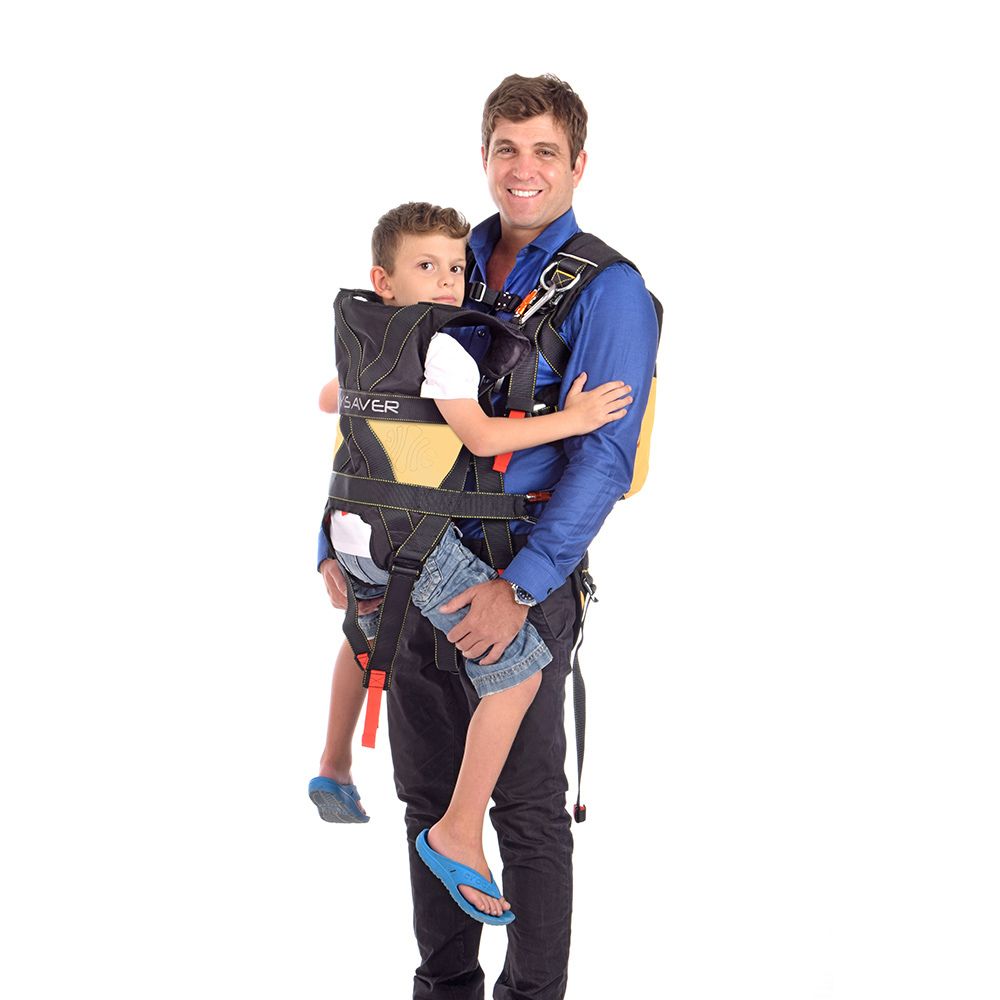
Attachable Child Harness
Lightweight child safety harness designed for secure, controlled evacuation from high-rise buildings.
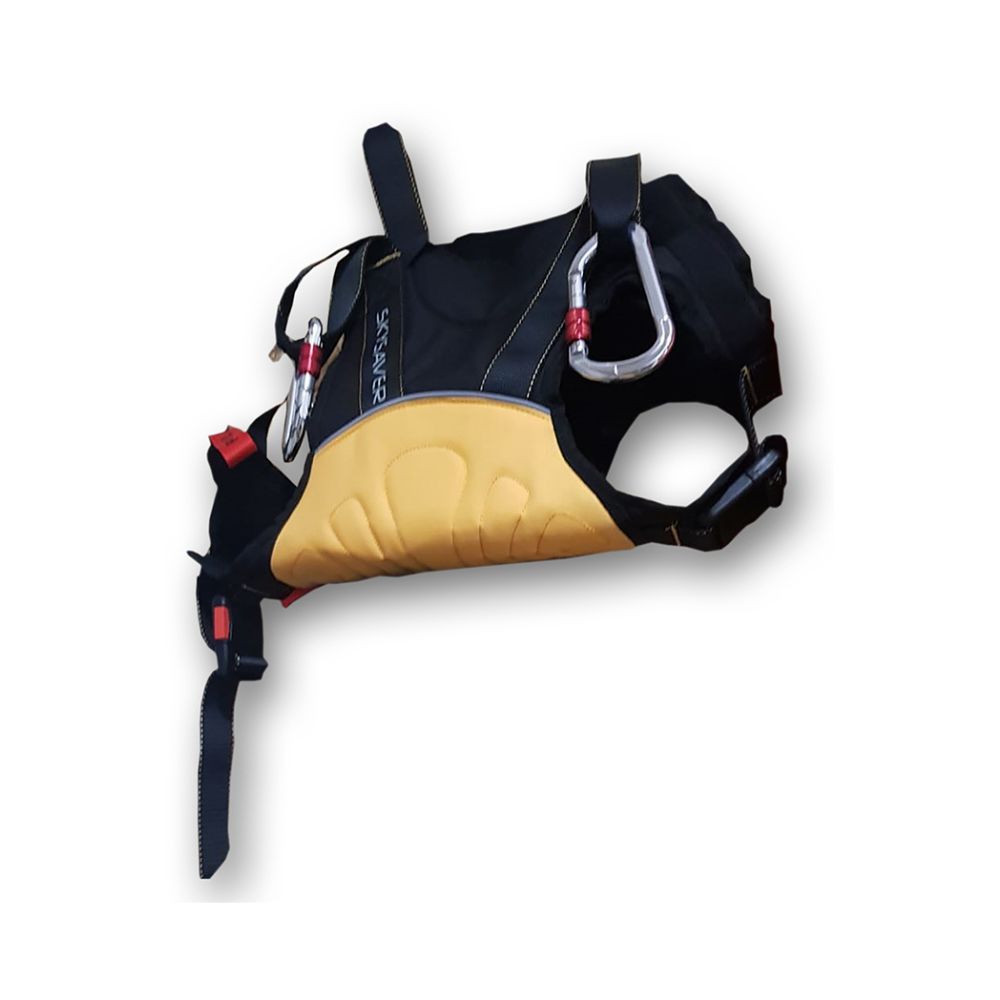
Attachable Pet Harnesses
Secure, lightweight safety harness designed for fast and controlled pet evacuation from high-rise buildings.

single Self-Rescue Harnesseses
Professional external safety harness for secure personal evacuation from high-rise buildings.
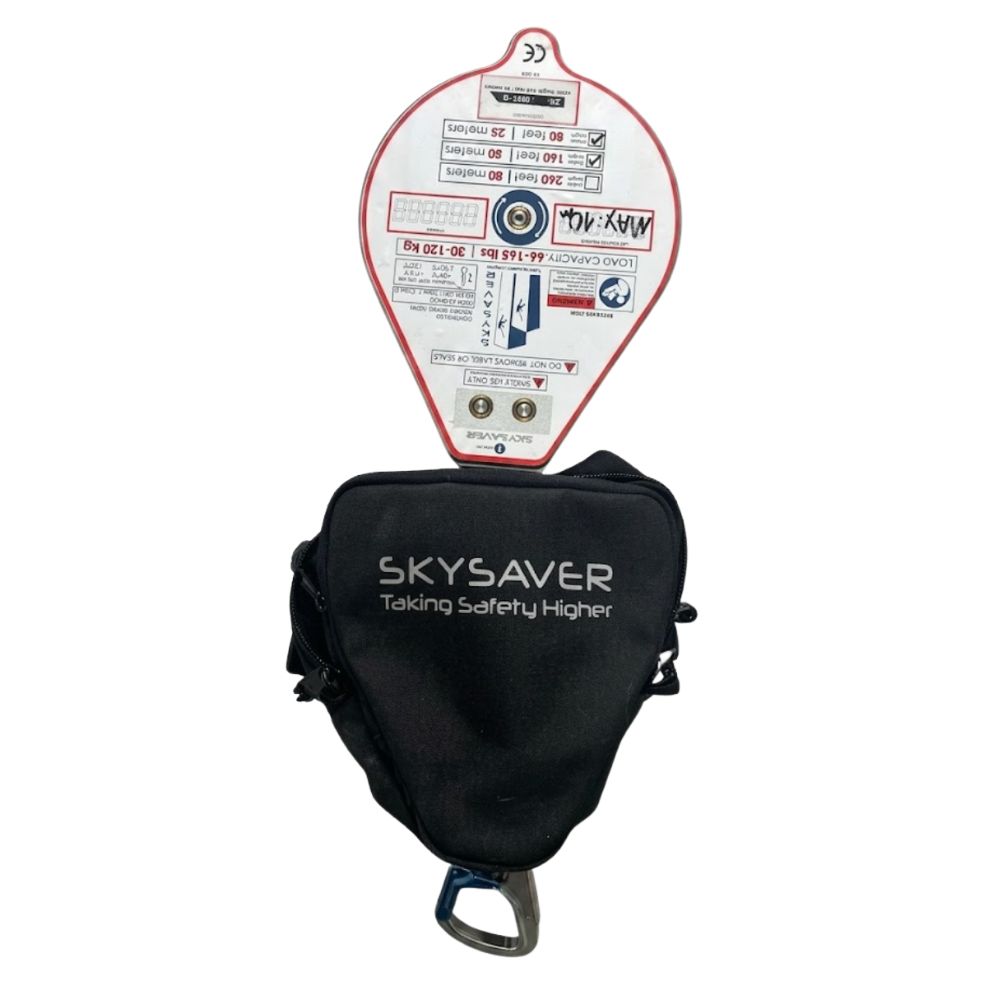
Controlled Descent Device (CDD)
External CDD unit for safe, controlled descent during high-rise emergency evacuation.