The Burj Khalifa is more than just a building. It is a testament to human ambition, engineering ingenuity, and the sheer scale of what modern construction can achieve. Rising 828 meters above the desert floor of Dubai, this iconic structure holds the record as the tallest building ever constructed by human hands. But a question that captivates architects, engineers, and curious minds alike is deceptively simple: how long did it actually take to build something this extraordinary? The answer reveals a fascinating story of logistical challenges, groundbreaking engineering solutions, and the tireless efforts of tens of thousands of workers who turned an audacious vision into concrete reality.
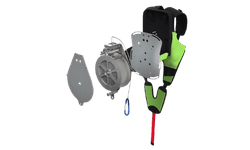
Understanding the construction timeline of the Burj Khalifa also offers important insights into how safety systems are integrated into supertall buildings from the very earliest stages of design. Fire safety, structural resilience, and emergency evacuation planning are not afterthoughts in buildings of this scale. They are fundamental design considerations that shape every aspect of construction from foundation to spire. For anyone fascinated by how the world’s tallest buildings keep their occupants safe, exploring the story of how the Burj Khalifa was built provides essential context. And for those who live or work in high-rise buildings of any height, personal safety tools like a SkySaver personal rescue device offer an additional layer of protection that complements any building’s built-in safety systems.
The Timeline: From Groundbreaking to Grand Opening
Construction of the Burj Khalifa began in January 2004 with the excavation of the massive foundation that would support the world’s tallest structure. The building was officially inaugurated on January 4, 2010, meaning the total construction period spanned approximately six years from groundbreaking to completion. However, this seemingly straightforward timeline masks an extraordinarily complex process that involved years of prior planning, design refinement, and engineering analysis before a single shovel of earth was moved.
The design process alone took several years before construction could begin. The architectural firm Skidmore, Owings and Merrill, led by architect Adrian Smith, developed the building’s distinctive Y-shaped floor plan, which was specifically chosen for its structural efficiency and its ability to reduce wind forces on the tower. This design phase included extensive wind tunnel testing, computational fluid dynamics modeling, and structural analysis that pushed the boundaries of existing engineering knowledge. By the time construction began, the design team had already solved hundreds of technical challenges that had never been encountered before in building construction.
The foundation work alone consumed an entire year, from early 2004 through early 2005. The Burj Khalifa’s foundation consists of a massive reinforced concrete mat supported by 194 piles, each extending approximately 50 meters into the ground. The foundation required approximately 45,000 cubic meters of concrete and was designed to support not only the enormous weight of the tower itself but also the lateral forces generated by wind loads at extreme height. The concrete used in the foundation was specially formulated to withstand the corrosive effects of the local groundwater, which contains high concentrations of chlorides and sulfates that can attack conventional concrete over time.
The Construction Process: Building Higher Every Three Days
Once the foundation was complete, the superstructure began rising at a pace that amazed even experienced construction professionals. At its peak, the construction team was completing a new floor approximately every three days, an astonishing rate for a building of this complexity. This rapid vertical progress was made possible by an innovative construction methodology that used three massive self-climbing cranes positioned at the top of the building, each capable of lifting materials to the working level without the need for external scaffolding or support structures.
The concrete pumping operation for the Burj Khalifa set world records that still stand today. Concrete had to be pumped vertically to heights exceeding 600 meters, a feat that required specially formulated concrete mixtures capable of remaining workable during the extended pumping time while achieving the required structural strength after curing. The concrete was typically poured during nighttime hours when temperatures in Dubai’s desert climate dropped to more manageable levels, as excessive heat could cause the concrete to set too quickly and compromise its strength. During the hottest summer months, ice was added to the concrete mixture to keep its temperature within acceptable limits during placement.
At the peak of construction activity, more than 12,000 workers were on site daily, working in carefully coordinated shifts that kept construction progressing around the clock. The logistics of managing this workforce, ensuring adequate supplies of materials, and coordinating the hundreds of specialized subcontractors involved in different aspects of the project represented a management challenge comparable to running a small city. The workforce consumed thousands of meals daily, required transportation to and from housing complexes, and needed comprehensive safety training and equipment to work safely at extreme heights.
Safety Engineering Built Into Every Floor
One of the most remarkable aspects of the Burj Khalifa’s construction was the integration of fire safety and emergency systems throughout the building process rather than as a retrofit after structural completion. The building’s fire safety systems were designed simultaneously with its structural systems, ensuring that every floor incorporated the necessary infrastructure for fire detection, suppression, and evacuation from the moment it was constructed.
The pressurized stairwells that serve as the primary evacuation routes were built as integral structural elements, with their fire-rated concrete enclosures forming part of the building’s central core that provides both structural stability and fire protection. The refuge floors, positioned at approximately every 25 floors, were designed into the building’s architectural plan from the earliest concept stages, with their enhanced fire resistance, independent ventilation systems, and communication infrastructure all specified as core requirements rather than optional additions.
The sprinkler and fire suppression systems required their own complex engineering, with water needing to be pumped to extreme heights through a series of intermediate storage tanks and booster pump stations distributed throughout the building’s height. The fire suppression water supply system alone required months of specialized installation work and testing to ensure reliable performance at every level of the building. For a deeper look at how the building’s complete evacuation system functions, see our detailed article on how the Burj Khalifa evacuation plan works.
Challenges That Extended the Timeline
The six-year construction period was not without significant challenges that threatened to delay or even halt progress. The 2008 global financial crisis struck when the building was still under construction, sending shockwaves through Dubai’s property market and raising questions about whether the project would be completed at all. Construction continued despite the economic turmoil, though the pace of work on the building’s interior finishing and the surrounding development was affected by the downturn.
Engineering challenges also arose during construction that required creative solutions. Wind forces at the building’s upper levels proved even more complex than initial models had predicted, requiring modifications to the exterior cladding system and the addition of tuned mass dampers to control building sway. The extreme temperatures of the Dubai climate posed ongoing challenges for concrete curing, steel expansion, and worker safety throughout the construction period. Summer temperatures frequently exceeded 45 degrees Celsius, making outdoor work at height not just uncomfortable but genuinely dangerous without appropriate precautions.
The installation of the building’s exterior cladding system, which comprises more than 26,000 glass panels, required years of specialized work by teams of skilled glaziers working at heights that would terrify most people. Each panel had to be individually fitted and sealed to withstand the extreme wind pressures experienced at the building’s upper levels while also providing the thermal insulation necessary to keep interior temperatures comfortable in the intense desert heat.
Lessons for Modern Skyscraper Construction
The Burj Khalifa’s construction experience has profoundly influenced how subsequent supertall buildings around the world have been designed and built. The lessons learned during its six-year construction journey, from concrete pumping techniques to wind engineering solutions to the integration of safety systems, have been incorporated into building codes and best practices worldwide. Our examination of fire safety in the world’s most iconic skyscrapers shows how the innovations pioneered during the Burj Khalifa’s construction have raised the bar for safety in tall buildings everywhere.
Perhaps the most important lesson from the Burj Khalifa’s construction story is that building tall is not just about engineering and architecture. It is about creating environments where thousands of people can live, work, and visit in safety and comfort every day. The six years of construction were ultimately in service of a building that would need to protect its occupants for decades to come, and the investment in safety systems during those construction years continues to pay dividends in the form of lives protected and emergencies prevented. For everyone who lives or works in a high-rise building, the Burj Khalifa’s story is a reminder that the best time to think about fire safety is before an emergency occurs. Equipping yourself with a SkySaver rescue device is one of the simplest and most effective steps you can take to ensure your personal safety in any tall building.
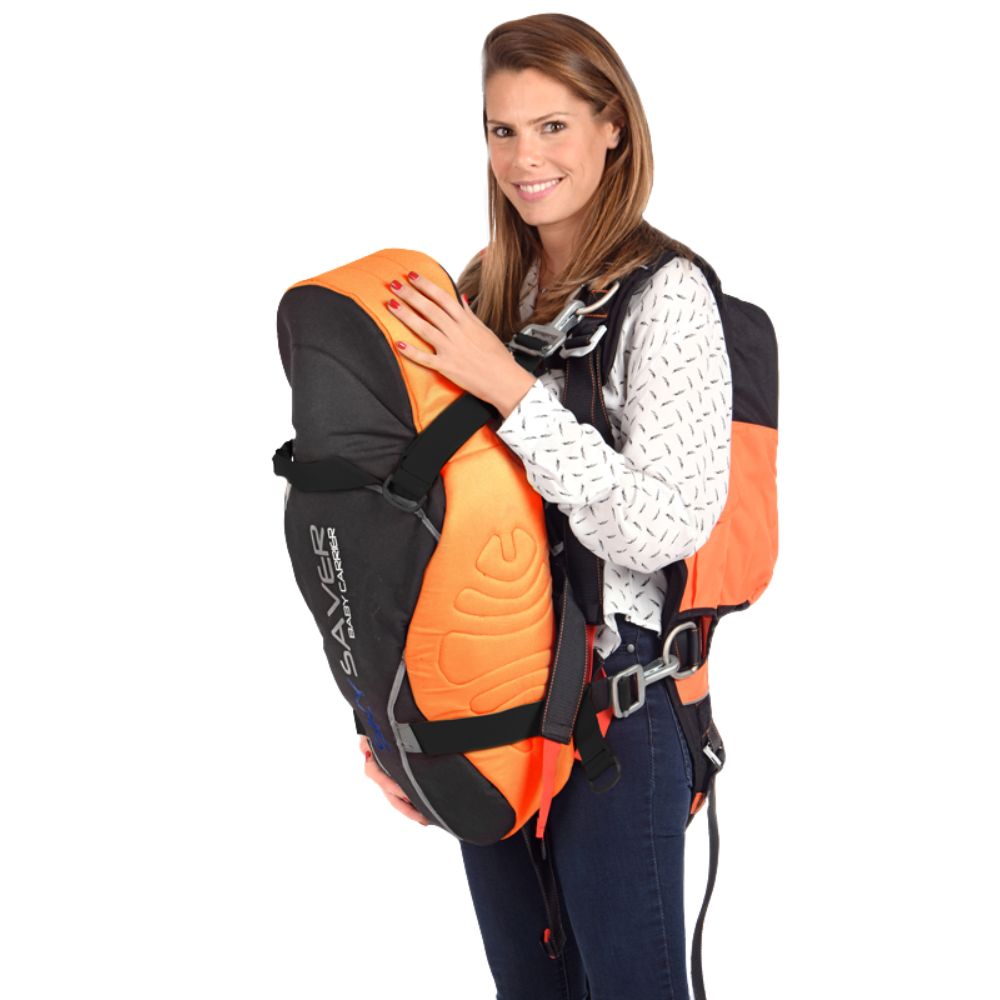
Attachable Baby Harness
Lightweight safety harness for fast and secure infant evacuation in high-rise emergencies.
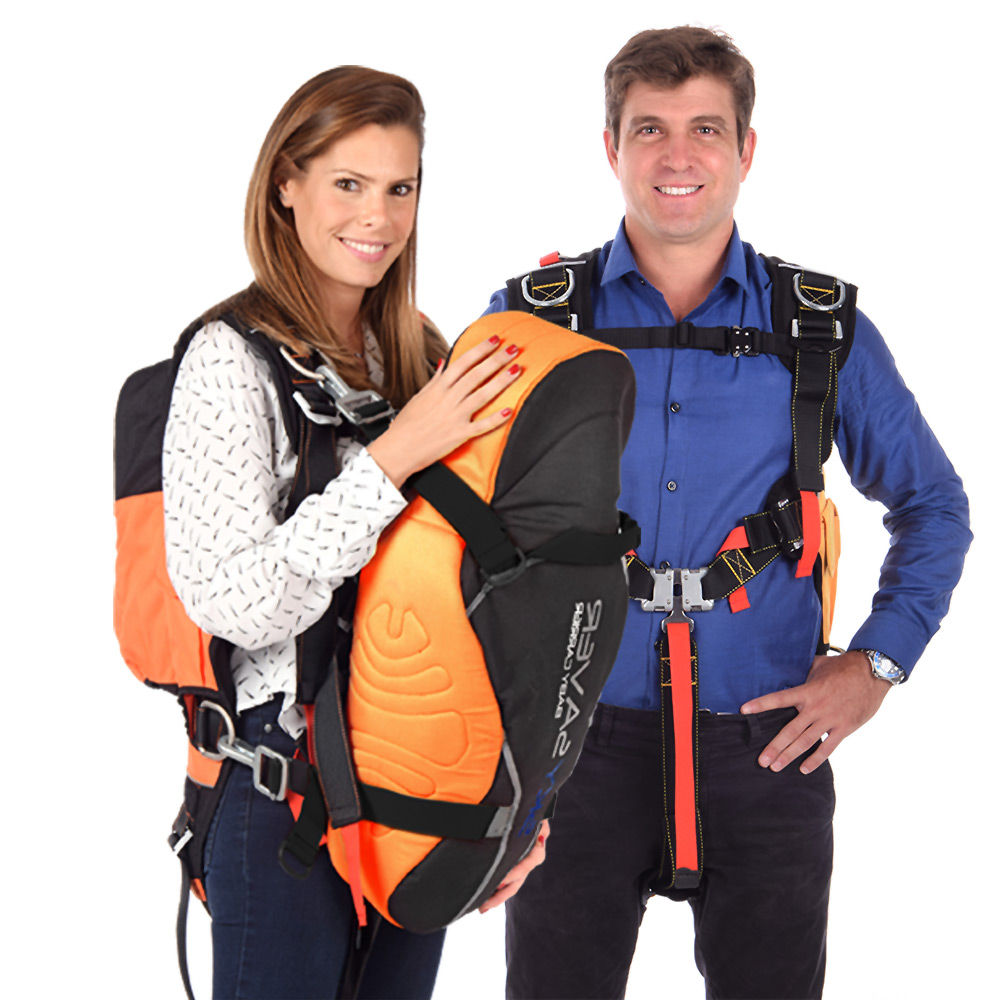
Parent Package
Complete emergency evacuation kit for the parent and dependant. Fast, safe descent from high-rise buildings.
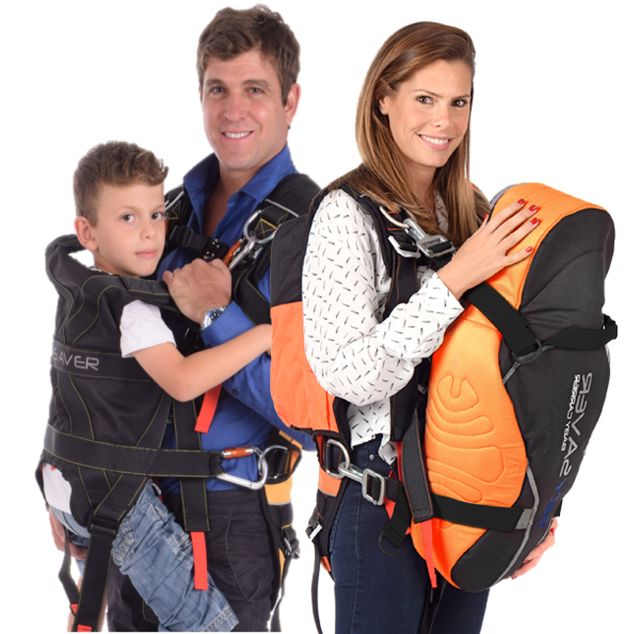
Parent Edition
Complete high-rise evacuation solution for a parent, maximum safety and fast deployment.
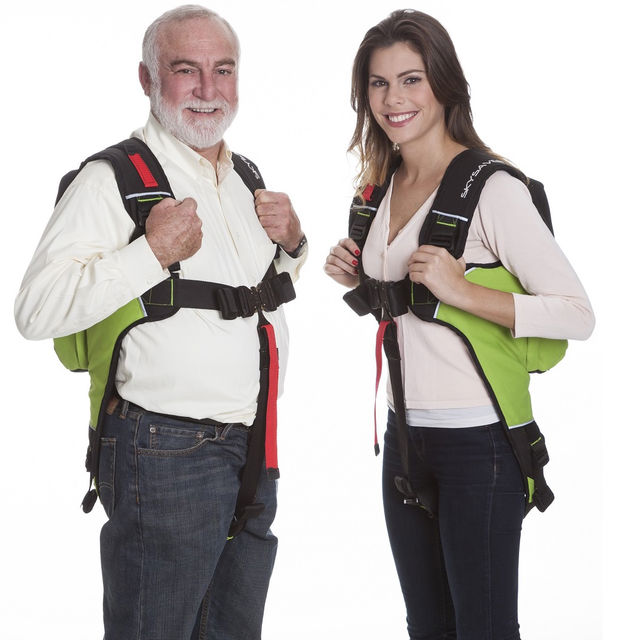
Single Self-Rescue Kit
Complete emergency evacuation kit for high-rise fast, safe descent during critical emergencies.
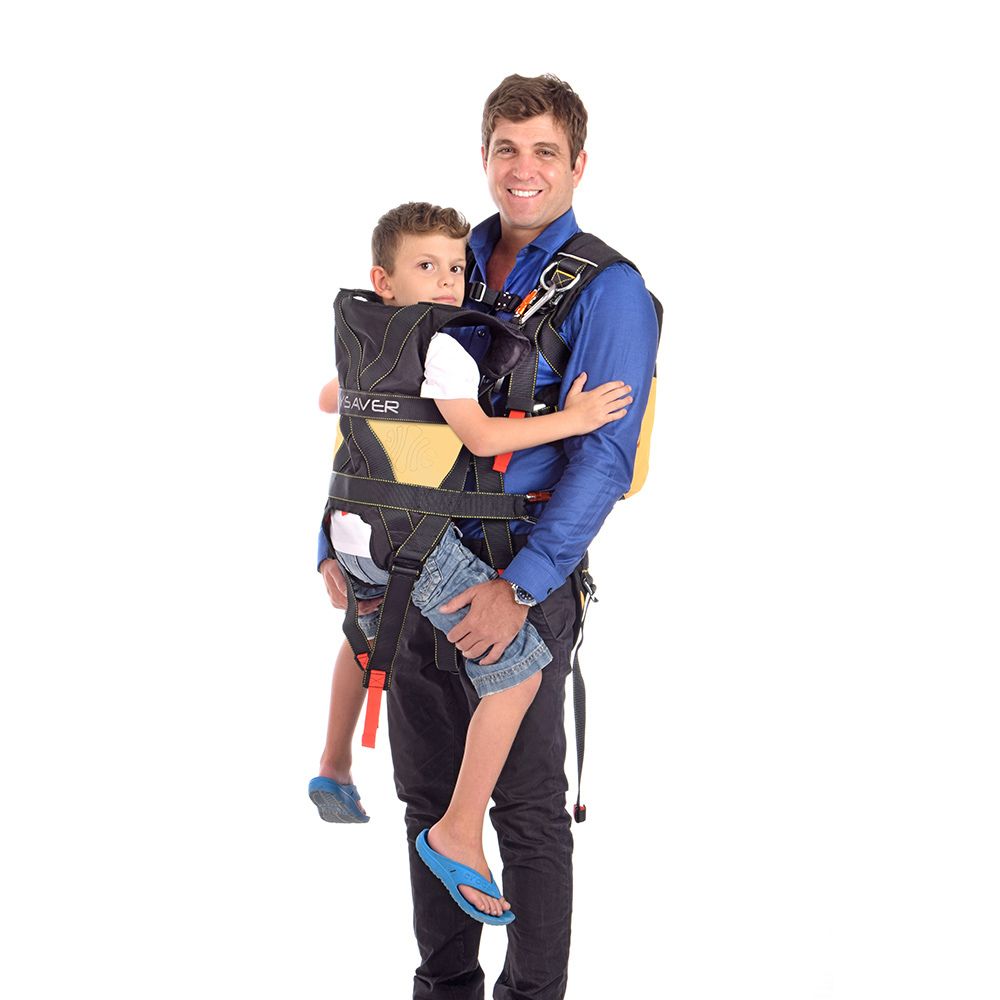
Attachable Child Harness
Lightweight child safety harness designed for secure, controlled evacuation from high-rise buildings.
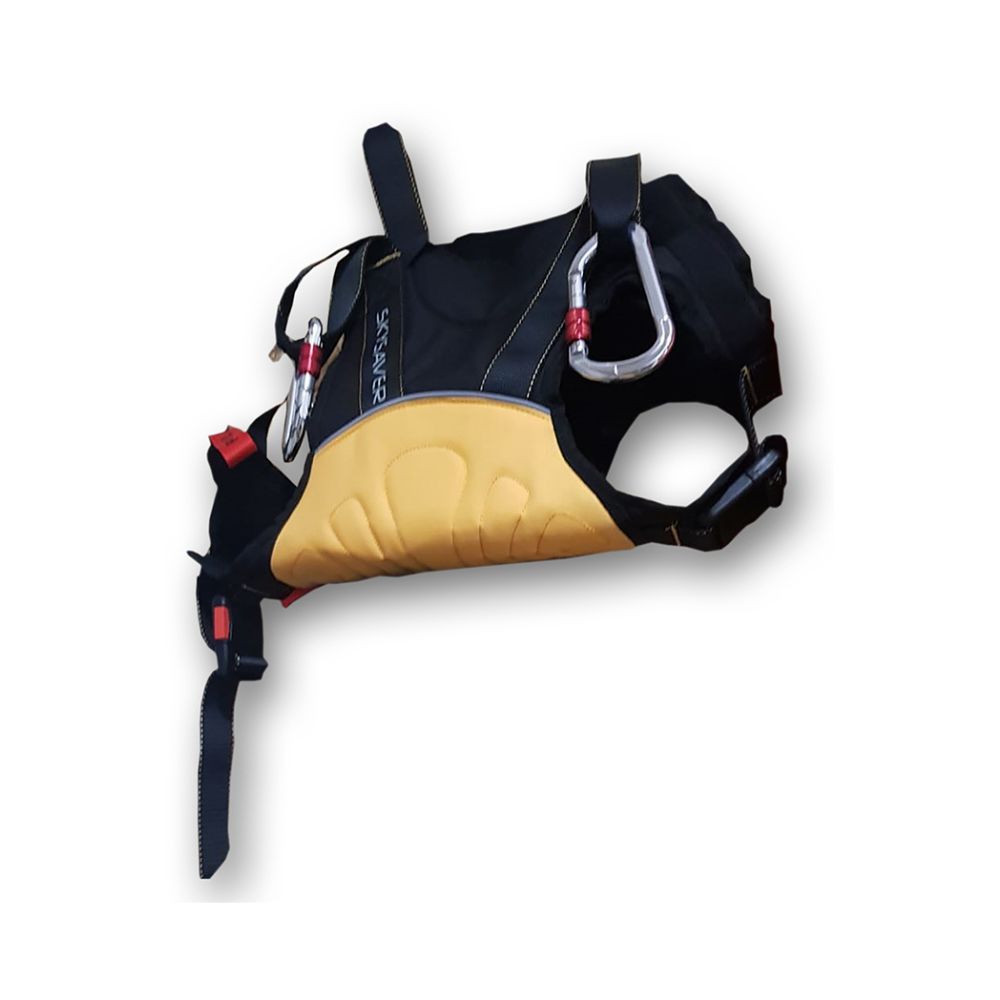
Attachable Pet Harnesses
Secure, lightweight safety harness designed for fast and controlled pet evacuation from high-rise buildings.

single Self-Rescue Harnesseses
Professional external safety harness for secure personal evacuation from high-rise buildings.
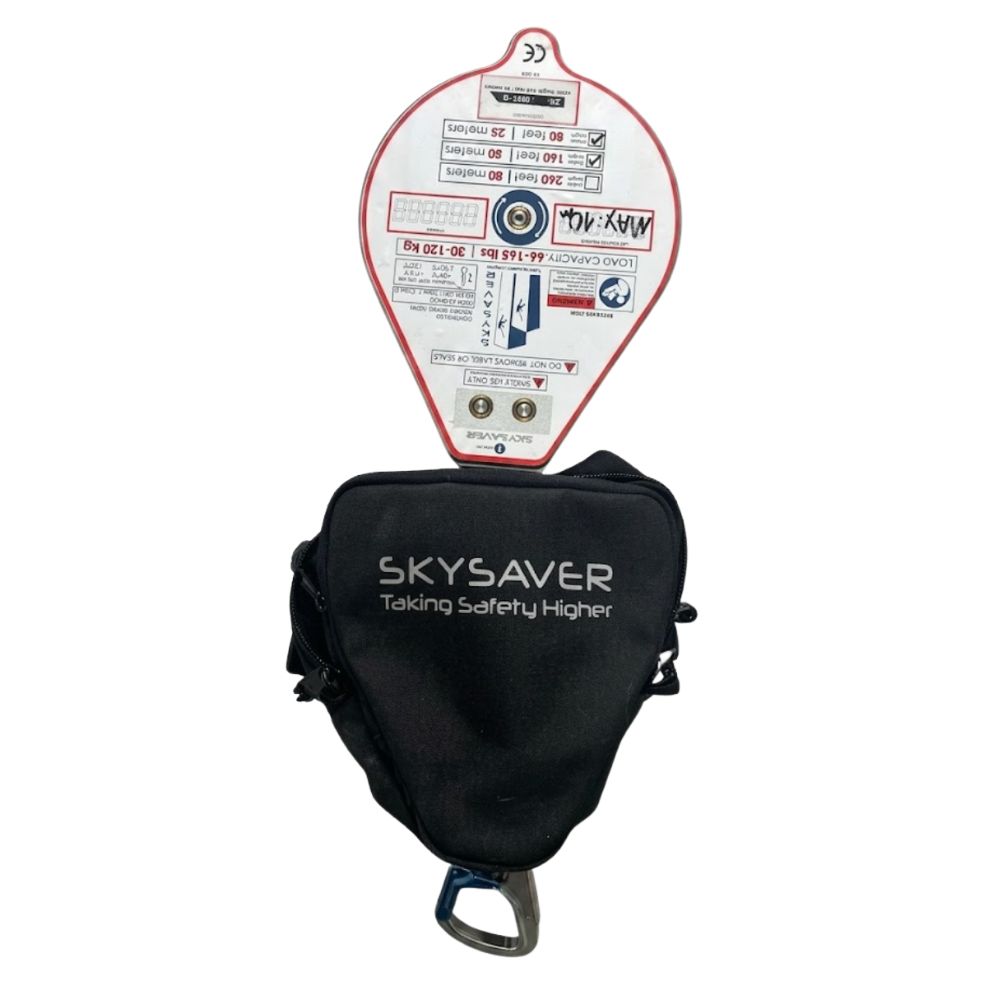
Controlled Descent Device (CDD)
External CDD unit for safe, controlled descent during high-rise emergency evacuation.