Standing at over 828 meters and comprising more than 160 floors, the Burj Khalifa in Dubai is not just the tallest building in the world. It is a vertical city unto itself, housing thousands of residents, hotel guests, office workers, and daily visitors within its iconic silhouette. With such an extraordinary concentration of people at such extreme heights, the question of how everyone would get out safely during a fire or other emergency is not merely academic. It is one of the most complex engineering and logistical challenges in the history of building design. The Burj Khalifa’s evacuation plan represents the cutting edge of supertall building safety, incorporating lessons learned from decades of high-rise fire incidents and pushing the boundaries of what is possible in emergency planning.
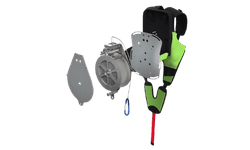
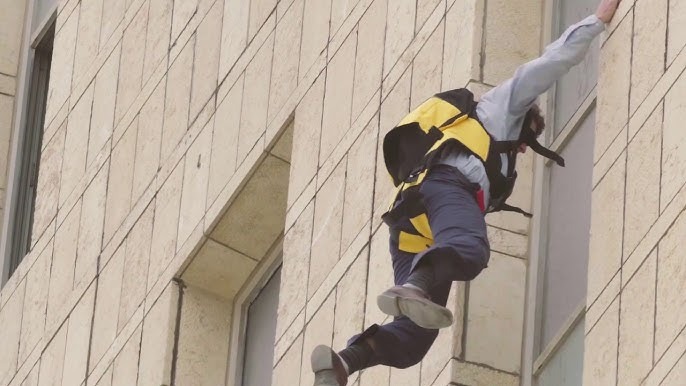
Understanding how the world’s tallest building approaches evacuation provides valuable insights for anyone who lives or works in a high-rise, regardless of its height. The principles underlying the Burj Khalifa’s safety systems, from refuge floors to pressurized stairwells, are the same principles that protect occupants in buildings around the world. And as we will explore, even the most sophisticated building-level systems have their limitations, which is why personal preparedness tools like a SkySaver personal rescue device remain essential for high-rise occupants everywhere.
The Refuge Floor System: Safe Havens in the Sky
The cornerstone of the Burj Khalifa’s evacuation strategy is its system of refuge floors, also known as areas of rescue assistance. These specially designed floors are positioned at approximately every 25 floors throughout the building’s height, providing safe havens where occupants can shelter during an emergency rather than attempting to descend the entire building at once. Each refuge floor is constructed with enhanced fire-resistant materials rated to withstand fire for a minimum of two hours, giving emergency responders a substantial window of time to manage the situation and coordinate evacuations.
The refuge floors are equipped with their own independent air supply systems that maintain positive pressure, preventing smoke from infiltrating from adjacent floors. This pressurization system ensures that even if fire and smoke fill the floors above or below, the air within the refuge floor remains breathable. Each refuge floor also features dedicated communication systems that connect directly to the building’s central fire command center, allowing occupants to receive real-time instructions from emergency coordinators who have a comprehensive view of the situation throughout the entire building.
The concept of refuge floors was not invented for the Burj Khalifa, but the building’s implementation represents perhaps the most sophisticated version ever deployed. In many conventional high-rise buildings, the entire evacuation philosophy assumes that all occupants will descend to ground level via stairwells. In a building with over 160 floors, this approach would be not only impractical but dangerous, as stairwell congestion would create bottlenecks that could trap thousands of people in smoke-filled vertical corridors. The refuge floor system breaks the building into manageable evacuation zones, dramatically reducing the distance any individual needs to travel and preventing the catastrophic congestion that has contributed to casualties in past high-rise fires. For more on how the world’s tallest residential buildings approach these challenges, see our article on fire safety systems in the tallest residential buildings.
Stairwell Design and Pressurization
The Burj Khalifa’s stairwells are engineered to standards far exceeding those of conventional high-rise buildings. The building features multiple stairwells that are physically separated and enclosed within fire-rated concrete cores designed to maintain structural integrity even under extreme fire conditions. Each stairwell is independently pressurized by dedicated air handling systems that create a positive pressure differential, effectively pushing smoke away from the stairwell and maintaining a clear escape route for descending occupants.
The width of the stairwells has been carefully calculated to accommodate the expected evacuation flow from each zone of the building. Unlike many older high-rise buildings where stairwells can become dangerously narrow and congested during mass evacuations, the Burj Khalifa’s stairwells are designed to allow two-way traffic, enabling firefighters to ascend while occupants descend simultaneously. This dual-flow design was directly informed by the lessons of past disasters, where single-direction stairwells created fatal bottlenecks. The tragic lessons from events like the Grenfell Tower fire have reinforced the critical importance of adequate stairwell capacity in any high-rise evacuation plan.
Emergency lighting systems within the stairwells operate on independent backup power supplies, ensuring that evacuation routes remain illuminated even if the building’s primary electrical systems fail. Photoluminescent markings on walls, handrails, and floor edges provide additional wayfinding guidance that does not depend on any power source, a simple but potentially life-saving feature that helps disoriented occupants navigate through dark, smoke-filled conditions.
The Fire Command Center: Coordinating the Response
The nerve center of the Burj Khalifa’s emergency response is its state-of-the-art fire command center, located at ground level and staffed around the clock by trained emergency personnel. This facility houses an array of monitoring systems that provide real-time data from thousands of sensors distributed throughout the building, including smoke detectors, heat sensors, sprinkler flow monitors, and air quality sensors. The command center team can pinpoint the exact location of a fire within seconds and immediately initiate the appropriate response protocols for that specific zone of the building.
The command center’s public address system can deliver targeted evacuation instructions to specific floors or zones rather than triggering a building-wide alarm that could cause panic and unnecessary congestion. This zoned approach to evacuation communication is critical in a building of this scale, where evacuating all occupants simultaneously would create more danger than the fire itself. By directing occupants in the immediately affected zone to evacuate first while instructing others to remain in place or move to their nearest refuge floor, the command center can orchestrate an orderly, phased evacuation that maximizes safety for everyone in the building.
The integration of advanced technology into the command center continues to evolve. Modern fire detection systems increasingly incorporate artificial intelligence to analyze sensor data and identify potential fire signatures before they develop into full-scale emergencies. Our article on AI in fire safety and emergency response explores how these technologies are transforming fire detection and response in tall buildings worldwide.
Elevator Evacuation: A Controlled Exception
Traditional fire safety doctrine has always prohibited the use of elevators during fire emergencies, and for good reason. In most buildings, elevator shafts can act as chimneys that draw smoke and fire upward, and power failures can trap occupants between floors. However, the Burj Khalifa represents a new generation of supertall buildings where total reliance on stairwell evacuation is simply not feasible. Walking down 160 flights of stairs would take a healthy adult well over an hour, and for elderly occupants or those with mobility limitations, it could be impossible.
To address this reality, the Burj Khalifa incorporates specially designated fire-service elevators that can be operated under controlled conditions during emergencies. These elevators are housed in fire-rated shafts with their own pressurization systems, independent power supplies, and waterproofing to prevent water from firefighting operations from disrupting service. They are operated exclusively by trained emergency personnel, not by building occupants, and are used primarily to evacuate individuals who cannot use the stairs and to transport firefighters and their equipment to upper floors.
This controlled use of elevators during emergencies represents a significant evolution in high-rise fire safety philosophy, one that acknowledges the practical limitations of stairwell-only evacuation in extremely tall buildings. Understanding why elevators are normally dangerous during fires is crucial for anyone in a high-rise. Our detailed explanation of fire dangers in elevator shafts explains the science behind this risk and why only specially designed elevator systems should ever be used during fire events.
What the Burj Khalifa’s Plan Means for You
While few buildings in the world approach the scale and complexity of the Burj Khalifa, the principles underlying its evacuation plan are universally applicable. Every high-rise occupant should understand their building’s evacuation procedures, know the locations of stairwells and any designated refuge areas, and have a personal plan for what they would do in an emergency. The fact that even the world’s tallest building, with its extraordinary investment in safety systems, still acknowledges the need for personal preparedness should be a powerful motivator for everyone living or working at height.
The reality is that most high-rise buildings around the world do not have the resources or engineering sophistication of the Burj Khalifa. Many lack refuge floors entirely, have limited stairwell capacity, and may not have fire command centers staffed around the clock. In these more typical buildings, personal preparedness becomes even more critical. Having a SkySaver rescue device provides an independent escape option that does not depend on building systems, fire department response times, or the actions of others. It is the kind of personal safety measure that bridges the gap between what your building provides and what you may actually need in a worst-case scenario.
The Burj Khalifa stands as proof that even at the most extreme heights, safety is achievable through thoughtful engineering, rigorous planning, and a commitment to continuous improvement. But it also serves as a reminder that no system is perfect, and the most important safety resource in any building is the preparedness of the people inside it.
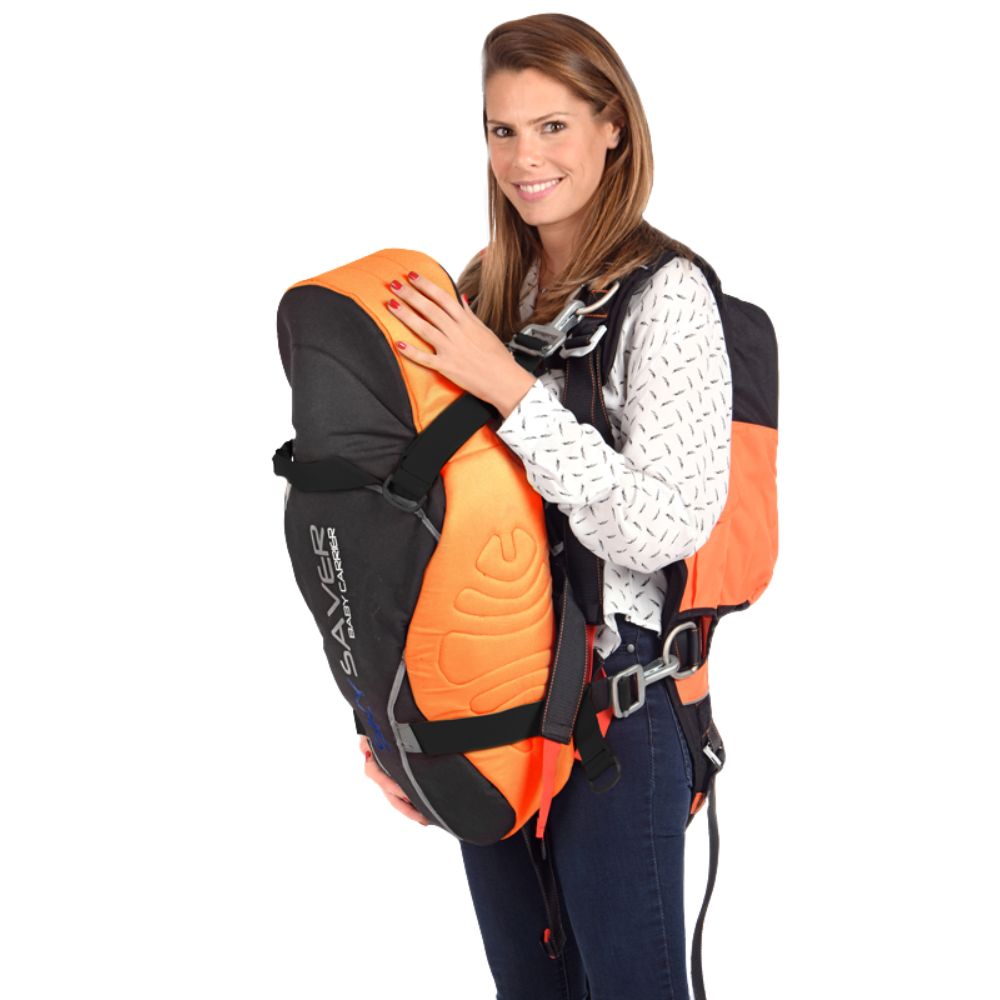
Attachable Baby Harness
Lightweight safety harness for fast and secure infant evacuation in high-rise emergencies.
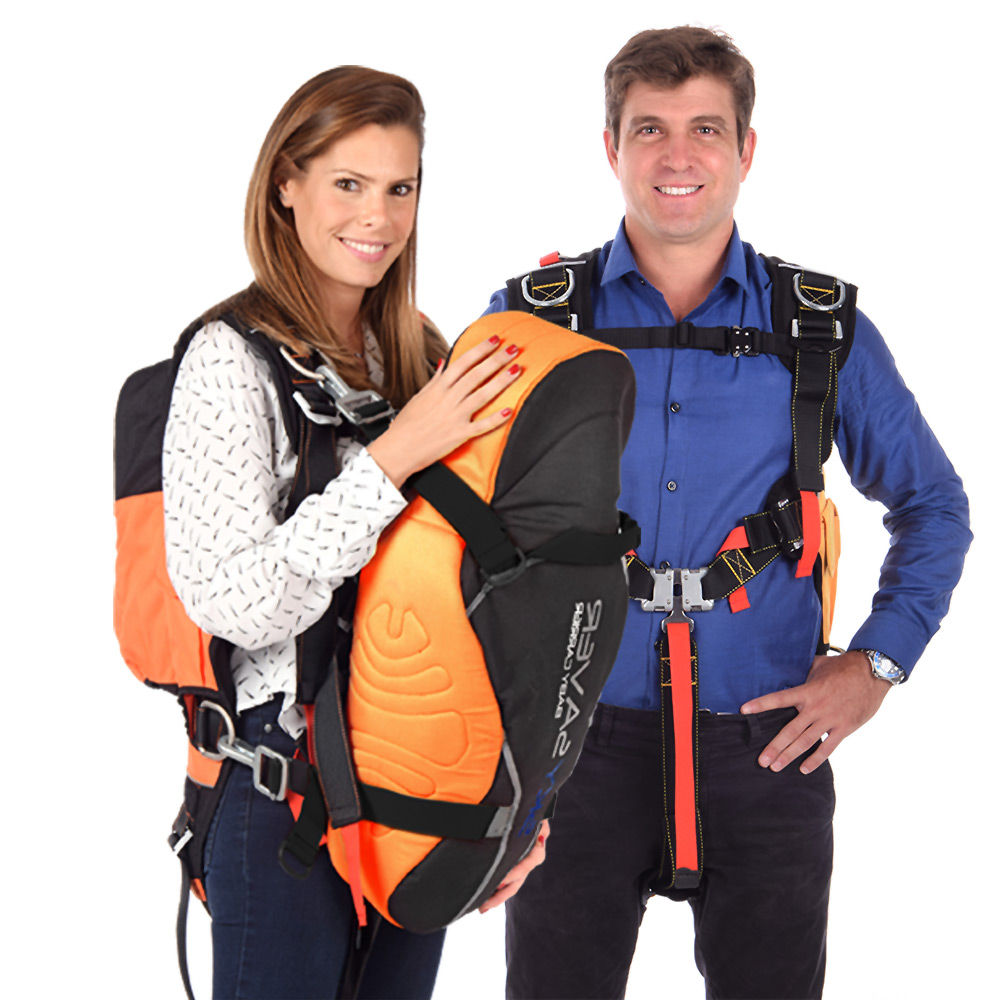
Parent Package
Complete emergency evacuation kit for the parent and dependant. Fast, safe descent from high-rise buildings.
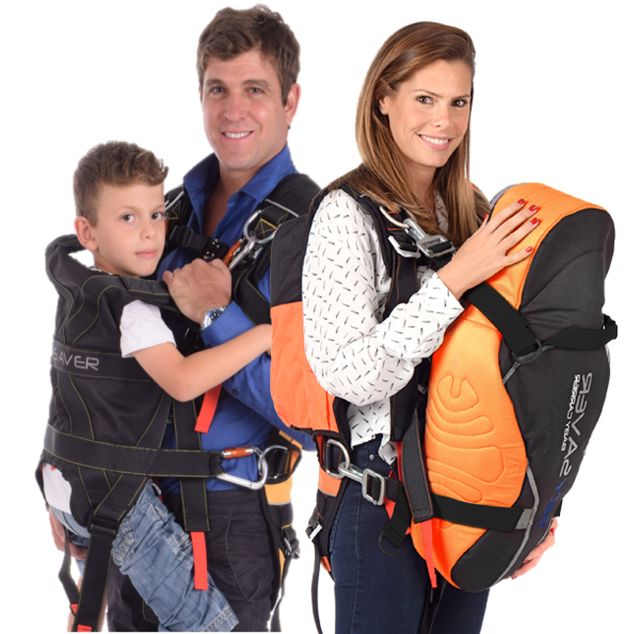
Parent Edition
Complete high-rise evacuation solution for a parent, maximum safety and fast deployment.
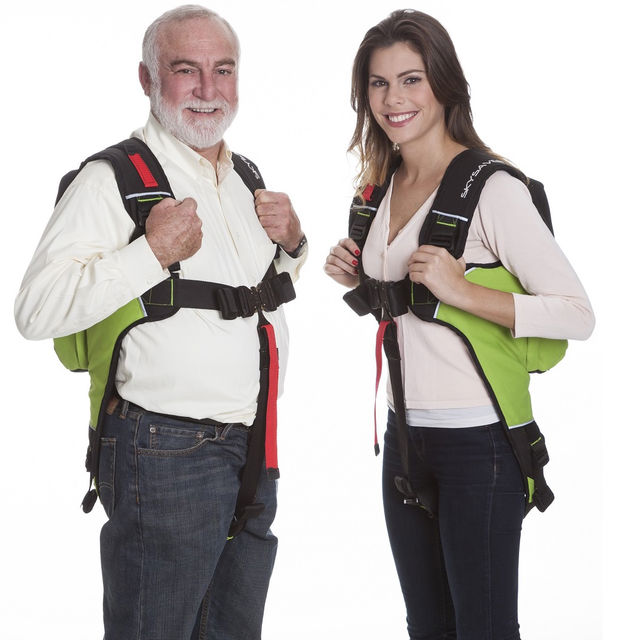
Single Self-Rescue Kit
Complete emergency evacuation kit for high-rise fast, safe descent during critical emergencies.
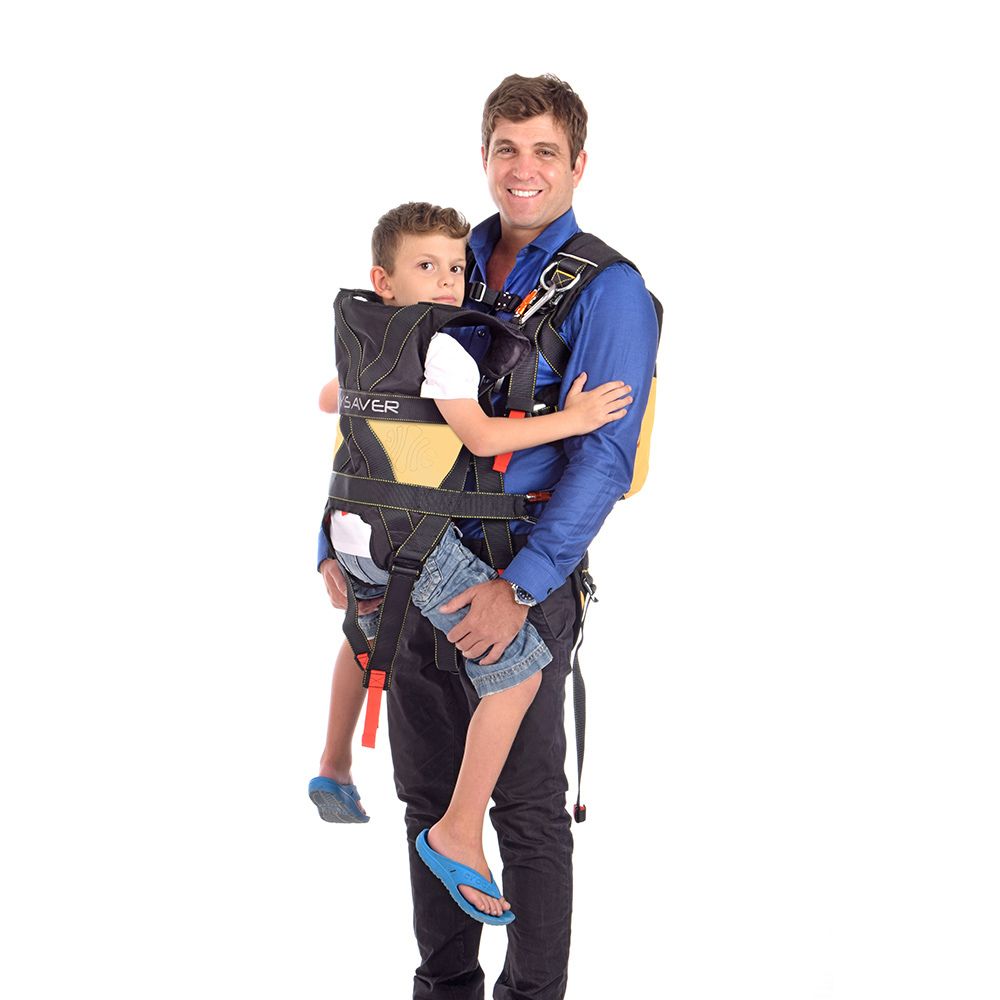
Attachable Child Harness
Lightweight child safety harness designed for secure, controlled evacuation from high-rise buildings.
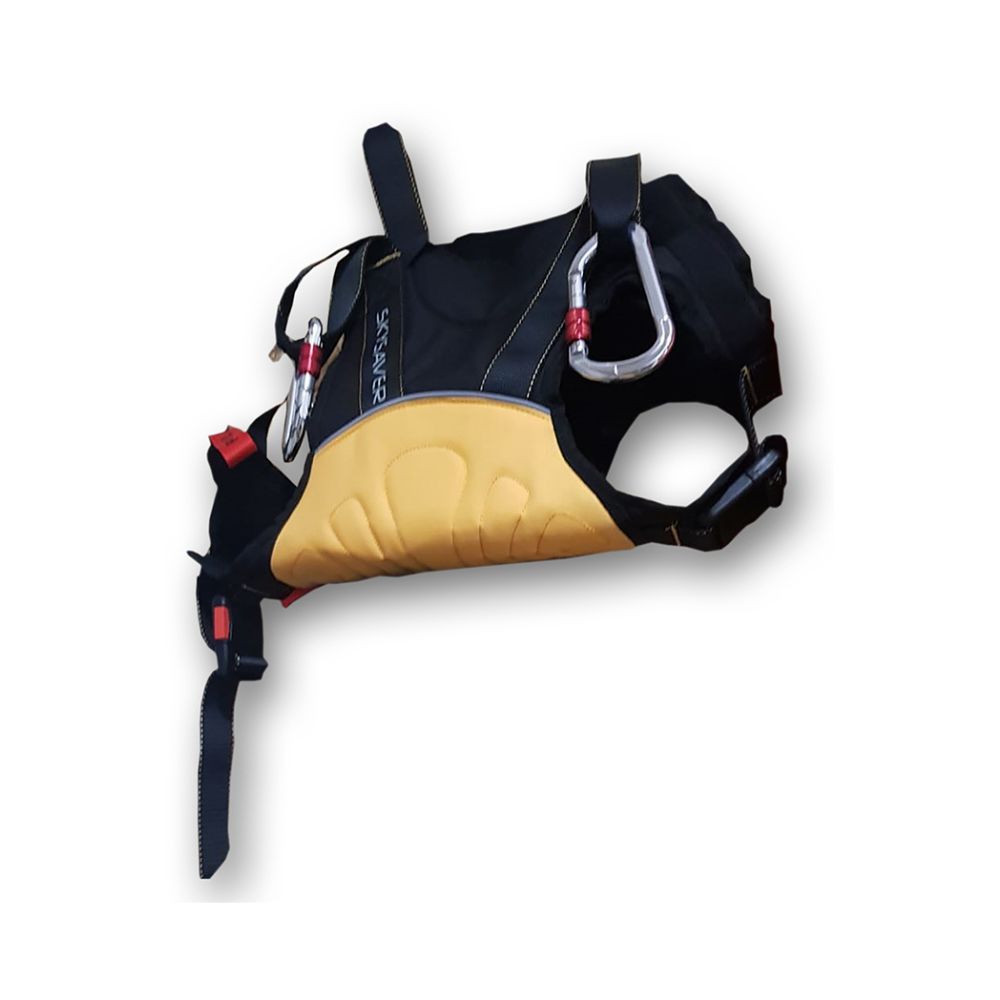
Attachable Pet Harnesses
Secure, lightweight safety harness designed for fast and controlled pet evacuation from high-rise buildings.

single Self-Rescue Harnesseses
Professional external safety harness for secure personal evacuation from high-rise buildings.
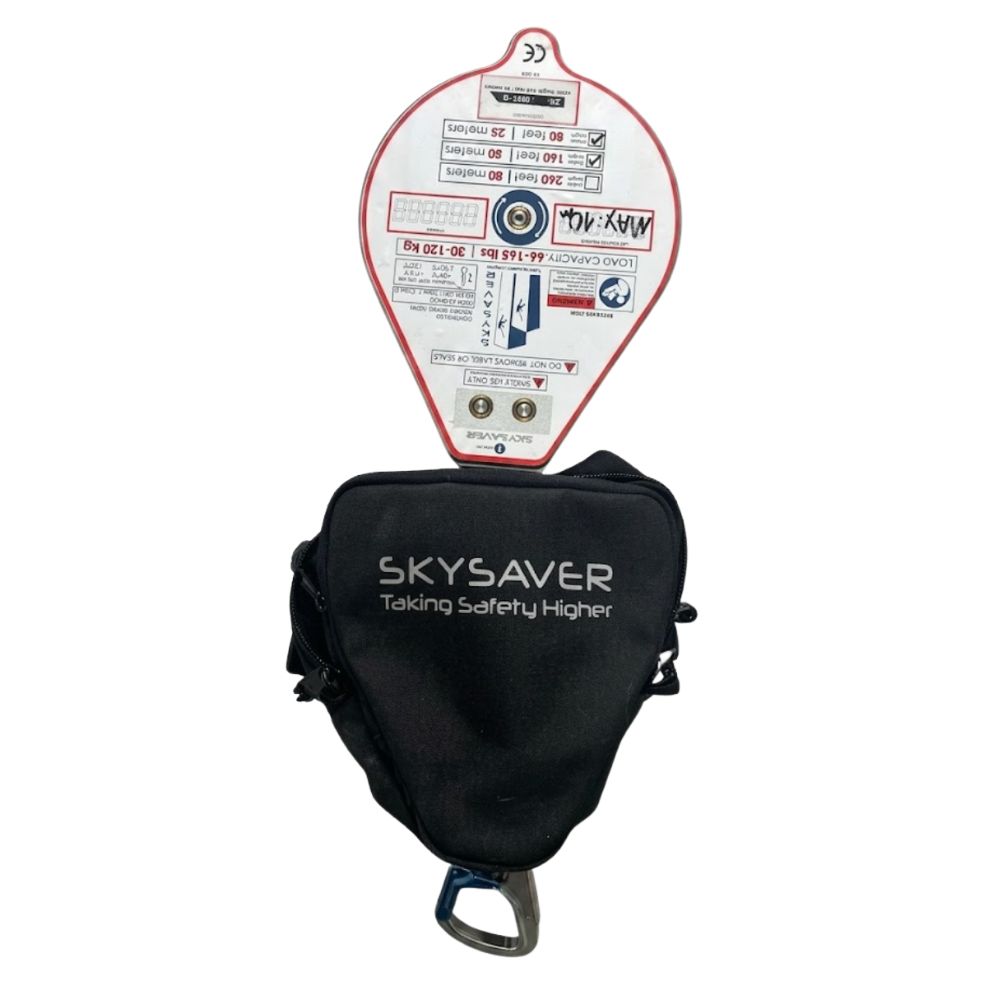
Controlled Descent Device (CDD)
External CDD unit for safe, controlled descent during high-rise emergency evacuation.