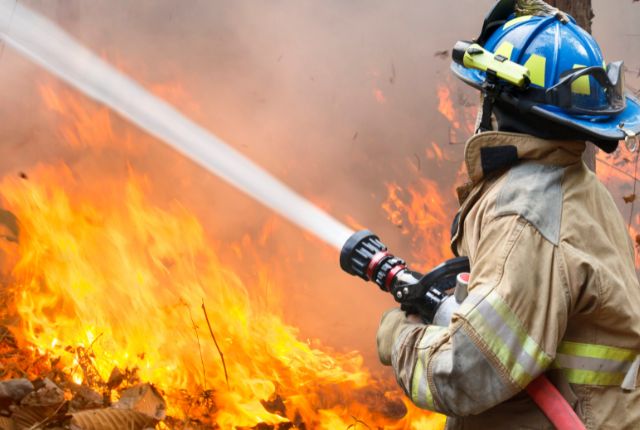
Firefighters have captured the imagination of audiences around the world for decades. From the adrenaline-fueled chaos of battling towering infernos to the deeply personal stories of sacrifice and brotherhood that define the profession, the world of firefighting has provided Hollywood and television producers with some of the most compelling dramatic material imaginable. Whether portrayed through big-budget blockbusters or gripping episodic television series, the stories of men and women who run toward danger when everyone else is running away continue to resonate with viewers of all ages. These portrayals not only entertain but also raise public awareness about fire safety, the risks firefighters face daily, and the critical importance of emergency preparedness in our increasingly vertical urban world.
For anyone who has watched a firefighter movie and wondered what they would do in a high-rise fire emergency, the answer starts with preparation. Understanding fire safety basics and equipping yourself with the right tools, such as a personal rescue device from SkySaver, can transform you from a passive bystander into someone who is ready to act when seconds count.
Iconic Firefighter Movies That Defined the Genre
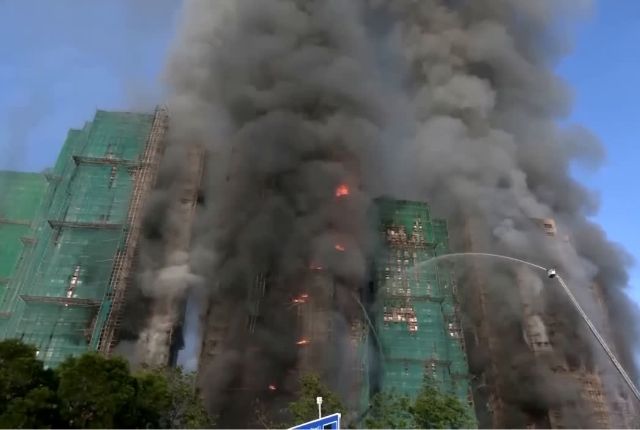
The history of firefighter cinema stretches back to the earliest days of Hollywood, but several films stand out as defining moments in the genre. The 1974 disaster epic The Towering Inferno remains one of the most influential firefighter films ever made. Starring Steve McQueen and Paul Newman, the film depicted a catastrophic fire in the world’s tallest skyscraper and brought high-rise fire dangers into mainstream public consciousness for the first time. The film’s depiction of inadequate building safety systems, trapped occupants, and overwhelmed firefighters proved remarkably prescient, foreshadowing many of the real-world high-rise fire tragedies that would follow in subsequent decades.
Ron Howard’s 1991 film Backdraft brought a new level of technical authenticity to firefighter cinema. The film’s depiction of flashover and backdraft phenomena introduced millions of viewers to the scientific realities of fire behavior, concepts that are critical for anyone living or working in a high-rise building to understand. The dramatic sequences showing how fire can seemingly come alive, racing through oxygen-rich environments with explosive force, served as a powerful reminder that fire is one of nature’s most unpredictable and dangerous forces. For a deeper understanding of these phenomena, our article on rollovers, flashovers, and backdrafts provides essential knowledge that could save your life.
Ladder 49, released in 2004, shifted the focus from spectacular fire sequences to the human cost of firefighting. Starring Joaquin Phoenix and John Travolta, the film followed a firefighter trapped in a burning building while his life flashed before his eyes. The emotional depth of the film highlighted the psychological toll of firefighting and the bonds formed between firefighters who depend on each other for survival in the most extreme conditions imaginable. The film resonated deeply with real firefighters and their families, many of whom praised its authentic portrayal of firehouse culture and the emotional weight of the profession.
More recently, Only the Brave in 2017 told the true story of the Granite Mountain Hotshots, an elite wildfire crew from Prescott, Arizona. The film depicted the devastating Yarnell Hill Fire that claimed nineteen firefighters’ lives, making it one of the deadliest wildfire disasters in American history. The film’s unflinching portrayal of the dangers of wildfire fighting connected with audiences who had grown increasingly aware of the growing threat of wildfires worldwide. Our exploration of the world’s worst wildfires provides additional context about the scale of these natural disasters and their impact on communities.
Television Series That Brought Firefighting Into Living Rooms
While movies provide concentrated two-hour experiences, television series have allowed audiences to develop deeper connections with firefighter characters over multiple seasons, exploring the daily realities of the profession in ways that films cannot. The genre of firefighter television has evolved dramatically over the decades, from simple procedural formats to complex character-driven dramas that address social issues alongside emergency response.
Classic Series That Paved the Way
Emergency!, which aired from 1972 to 1979, is widely credited as the series that established the firefighter-paramedic television genre. Created by Jack Webb of Dragnet fame, the show followed the crews of Station 51 of the Los Angeles County Fire Department and introduced audiences to the then-revolutionary concept of paramedic emergency response. The show’s impact extended far beyond entertainment. It directly influenced the expansion of paramedic programs across the United States and inspired a generation of young people to pursue careers in emergency services.
Third Watch, which ran from 1999 to 2005, took a more ensemble approach by following police officers, firefighters, and paramedics working the same shift in a fictional New York City precinct. The show’s interconnected storytelling highlighted how different emergency services work together during crises and gave viewers a comprehensive picture of the challenges facing first responders in a major metropolitan area.
Modern Firefighter Series
Chicago Fire, which premiered in 2012, revitalized the firefighter television genre for a new generation of viewers. Set in the fictional Firehouse 51 of the Chicago Fire Department, the series combined realistic fire rescue sequences with compelling personal storylines that kept audiences engaged season after season. The show’s success spawned an entire franchise of related series and demonstrated that audience appetite for firefighter stories remained as strong as ever. Chicago Fire’s depiction of high-rise rescue operations, hazardous materials incidents, and building collapse scenarios has provided viewers with genuine insight into the complexities of modern urban firefighting.
Station 19, a spin-off of the medical drama Grey’s Anatomy, brought a fresh perspective to the genre by focusing on the firefighters of Station 19 in Seattle. The show’s emphasis on diversity within the fire service and its exploration of how personal relationships are affected by the dangers of the job resonated with audiences looking for representation and emotional depth alongside action sequences. The series tackled important topics including post-traumatic stress, the physical toll of firefighting, and the challenges of balancing personal life with a career that can demand everything at a moment’s notice.
What These Stories Teach Us About Real Fire Safety
Beyond their entertainment value, firefighter movies and television shows serve an important educational function by raising public awareness about fire dangers and the importance of emergency preparedness. When audiences watch characters navigate smoke-filled hallways, make split-second decisions about evacuation routes, or struggle to rescue trapped occupants from upper floors, they are absorbing lessons that could prove invaluable in a real emergency.
The recurring theme across virtually all firefighter media is that preparation saves lives. Characters who know their building layouts, who have practiced evacuation procedures, and who remain calm under pressure consistently fare better than those who panic or are caught completely unprepared. This message translates directly to real-world fire safety, where studies consistently show that people who have thought about and practiced their emergency response are significantly more likely to survive a fire event.
Many firefighter shows also highlight the limitations of professional fire response, particularly in high-rise settings. Scenes depicting firefighters struggling to reach upper floors, dealing with malfunctioning elevators, or running out of air while climbing dozens of flights of stairs underscore a critical reality: in tall buildings, professional help may take considerable time to reach you. This is precisely why personal preparedness tools like the SkySaver rescue device are so important. When you cannot wait for help to arrive, having an independent means of escape can be the difference between life and death.
The courage and dedication portrayed in these films and series reflect the real-world heroism documented in our article about firefighters who saved lives in high-rise fires. While Hollywood may dramatize certain elements, the fundamental truth remains the same: firefighters put their lives on the line every day so that others may survive, and the least we can do is take personal responsibility for our own fire safety preparedness.
International Firefighter Films Worth Watching
The appeal of firefighter stories is truly global, and several international productions have added unique cultural perspectives to the genre. The South Korean film The Tower, released in 2012, depicted a catastrophic fire in a luxury residential skyscraper in Seoul, drawing obvious parallels to The Towering Inferno while incorporating distinctly Korean themes of community, sacrifice, and social class. The Chinese blockbuster The Bravest, released in 2019, was based on the real Dalian oil pipeline explosion of 2010 and became one of the highest-grossing films in Chinese cinema history, reflecting the growing importance of fire safety awareness in rapidly urbanizing Asian nations.
These international films remind us that fire safety is a universal concern that transcends cultural and national boundaries. As cities around the world continue to grow taller and denser, the challenges depicted in these films become increasingly relevant to a global audience. Whether you live in New York, Seoul, Dubai, or Mumbai, the basic principles of fire safety remain the same: know your building, have a plan, and be prepared to act when every second counts. For more on how different regions approach fire safety, see our guide on how building codes for fire safety differ around the world.

Attachable Baby Harness
Lightweight safety harness for fast and secure infant evacuation in high-rise emergencies.
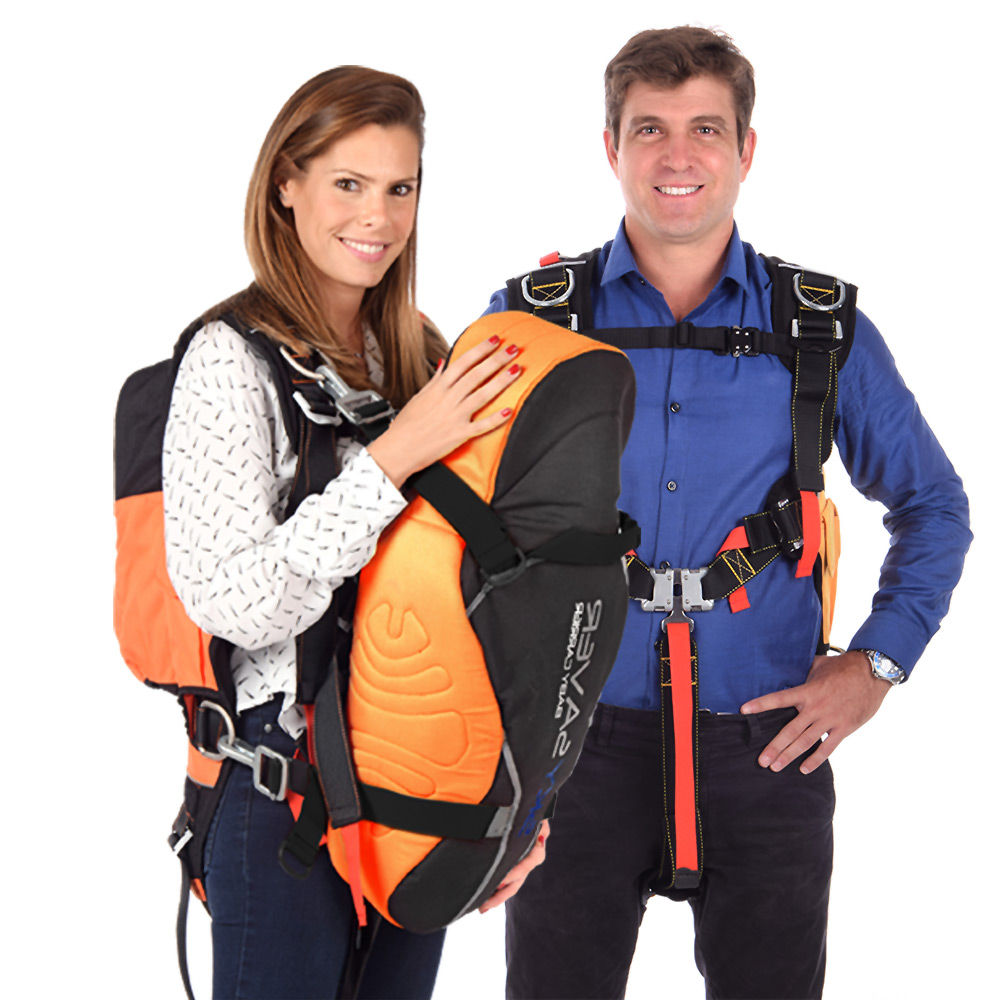
Parent Package
Complete emergency evacuation kit for the parent and dependant. Fast, safe descent from high-rise buildings.
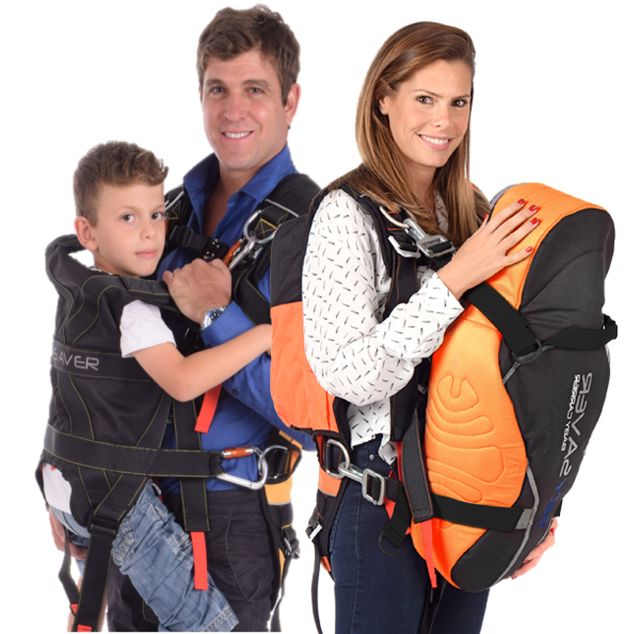
Parent Edition
Complete high-rise evacuation solution for a parent, maximum safety and fast deployment.
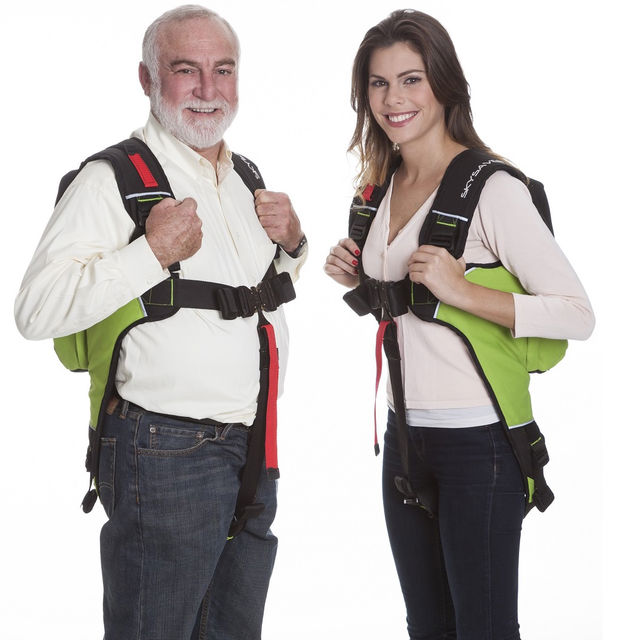
Single Self-Rescue Kit
Complete emergency evacuation kit for high-rise fast, safe descent during critical emergencies.
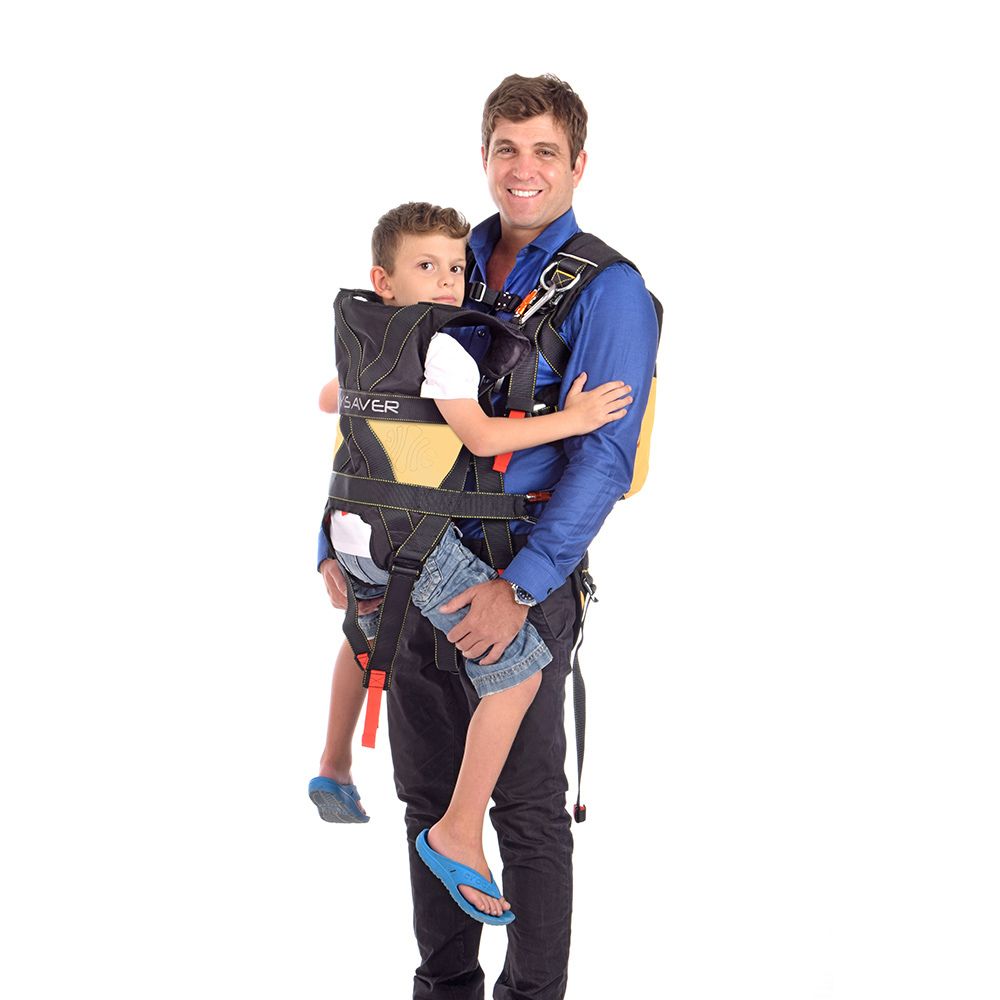
Attachable Child Harness
Lightweight child safety harness designed for secure, controlled evacuation from high-rise buildings.
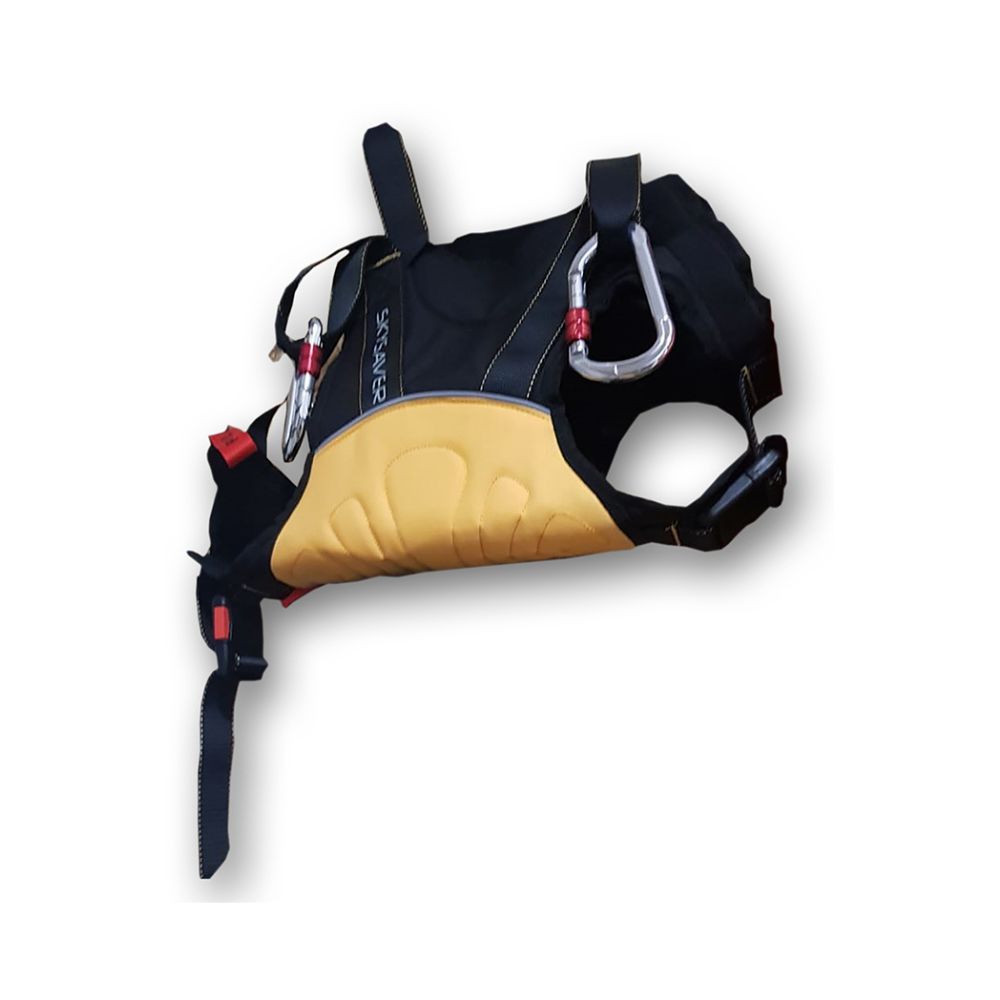
Attachable Pet Harnesses
Secure, lightweight safety harness designed for fast and controlled pet evacuation from high-rise buildings.

single Self-Rescue Harnesseses
Professional external safety harness for secure personal evacuation from high-rise buildings.
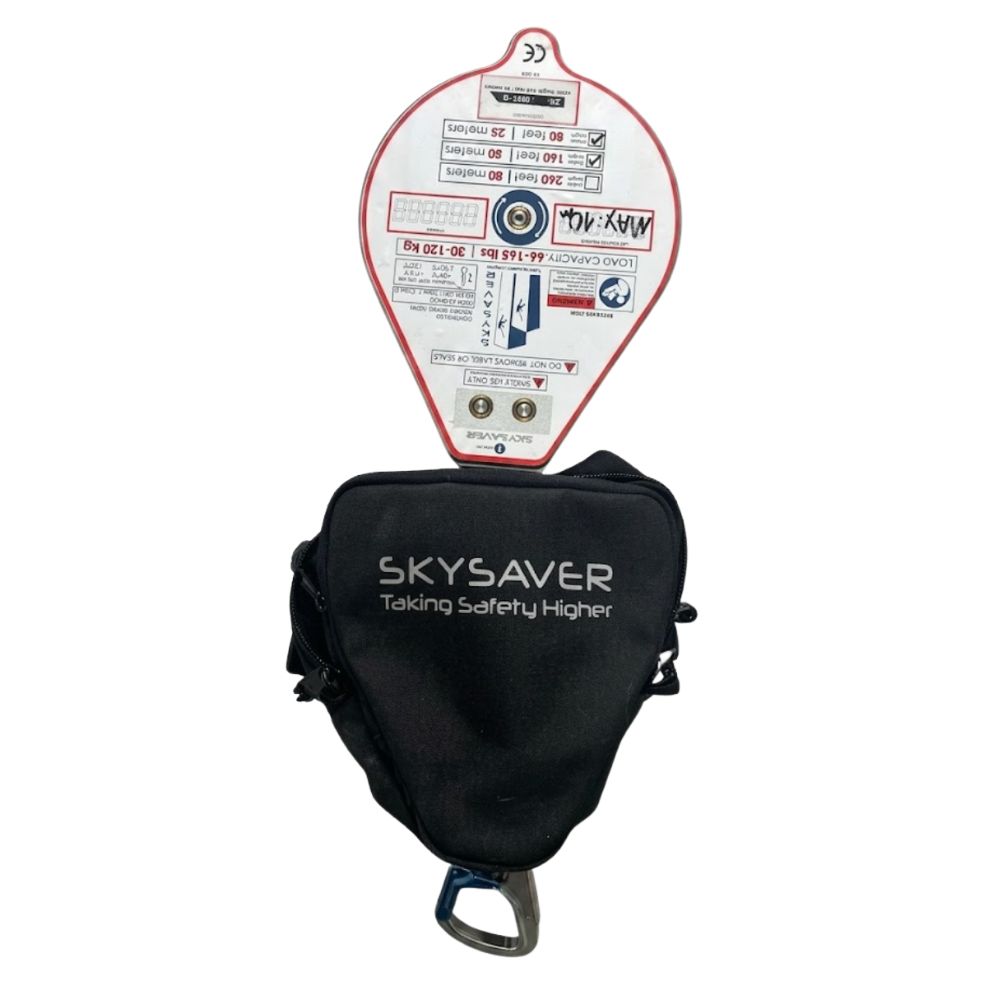
Controlled Descent Device (CDD)
External CDD unit for safe, controlled descent during high-rise emergency evacuation.