The world’s most iconic skyscrapers are more than just feats of engineering and architectural ambition. They are symbols of human achievement, economic powerhouses, and home or workplace to tens of thousands of people every single day. From the soaring heights of the Burj Khalifa in Dubai to the historic grandeur of the Empire State Building in New York, these structures represent the pinnacle of vertical construction. Yet behind their gleaming facades lies a critical concern that occupants and visitors rarely consider until disaster strikes: fire safety. Ensuring that the world’s tallest and most recognizable buildings can protect their occupants from fire is one of the most complex challenges in modern building engineering, and it is a challenge that continues to evolve as buildings push ever higher into the sky.
The stakes could not be higher. A fire in an iconic skyscraper does not just threaten the people inside. It captures global attention, tests the limits of emergency response capabilities, and can reshape building safety regulations for decades to come. Understanding how these landmark buildings approach fire safety offers valuable insights for anyone who lives or works in a high-rise, and underscores why personal preparedness, including having a personal rescue device from SkySaver, remains essential regardless of how advanced a building’s fire protection systems may be.
Engineering Fire Safety at Extreme Heights
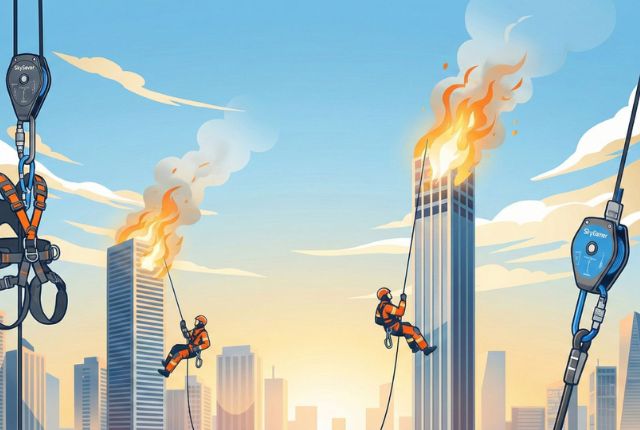
Designing fire safety systems for supertall skyscrapers, generally defined as buildings exceeding three hundred meters in height, requires an entirely different approach than standard high-rise fire protection. At extreme heights, many of the assumptions that underpin conventional fire safety break down. Fire department aerial ladders typically reach only about thirty meters, covering roughly the first seven to ten floors of a building. Above that threshold, occupants must rely entirely on the building’s internal fire protection and evacuation systems to survive.
The Burj Khalifa, standing at over eight hundred meters with more than one hundred sixty floors, exemplifies the extraordinary measures required for fire safety at record-breaking heights. The building incorporates pressurized, fire-rated refuge floors positioned at approximately every twenty-five floors throughout its height. These refuge floors are designed as safe havens where occupants can shelter during a fire event while awaiting rescue or further evacuation instructions. Each refuge floor features enhanced fire-resistant construction, independent ventilation systems to prevent smoke infiltration, and direct communication links to the building’s central fire command center.
The concept of refuge floors has become standard practice in supertall buildings worldwide, though the specific design and spacing varies based on local building codes and the individual building’s design. As our exploration of fire safety in the tallest residential buildings revealed, the engineering solutions employed in these structures are constantly being refined as designers learn from real-world fire events and advances in fire science research.
Lessons from Fire Incidents in Famous Buildings
Several of the world’s most iconic skyscrapers have experienced fire incidents that tested their safety systems and provided invaluable lessons for the broader building safety community.
The Address Downtown Dubai
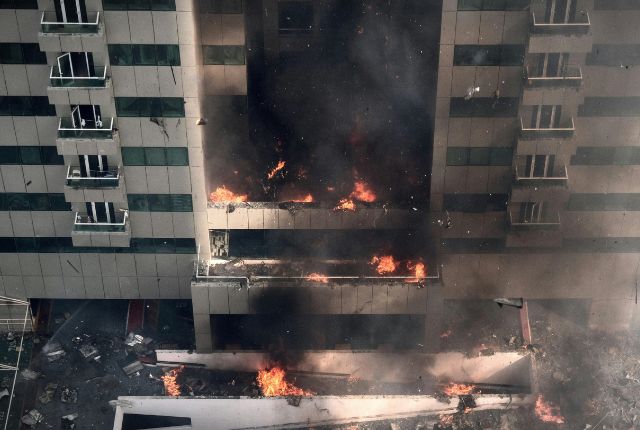
On New Year’s Eve 2015, a spectacular external fire engulfed much of the facade of The Address Downtown Dubai, a sixty-three-story luxury hotel and residential tower located near the Burj Khalifa. The fire, which started on a twentieth-floor terrace, spread rapidly up the building’s exterior cladding, producing dramatic images that were broadcast worldwide. Remarkably, the building’s internal fire safety systems performed effectively, containing the fire to the exterior and preventing it from penetrating into occupied floors. The evacuation was largely successful, with only minor injuries reported among the approximately three thousand people who were inside the building when the fire broke out.
The Address fire highlighted the critical importance of exterior cladding materials in high-rise fire safety. The building’s aluminum composite cladding panels contributed to the rapid vertical spread of the fire along the exterior, a pattern that would tragically repeat itself in the Grenfell Tower fire in London less than two years later. In the aftermath, Dubai authorities implemented new regulations requiring the replacement of combustible cladding on existing buildings and mandating non-combustible materials for all new construction.
One World Trade Center and the Legacy of September 11
No discussion of fire safety in iconic skyscrapers can avoid the profound impact of the September 11, 2001, attacks on the original World Trade Center towers. While those events were far beyond any normal fire scenario, the lessons learned fundamentally transformed how supertall buildings are designed and protected. One World Trade Center, completed in 2014 as the replacement for the destroyed towers, incorporates an unprecedented array of fire safety features informed directly by the failures and successes observed during the 2001 disaster.
The building features extra-wide, redundant stairwells enclosed in specially reinforced concrete cores designed to remain intact even under extreme structural stress. A dedicated firefighter stairwell provides emergency responders with a separate, pressurized access route that does not interfere with occupant evacuation. The building’s structural steel is protected by spray-applied fire-resistant material that meets standards far exceeding minimum code requirements. These innovations reflect a philosophical shift in skyscraper fire safety design from mere code compliance to genuine resilience against worst-case scenarios.
Taipei 101
Taipei 101, the iconic five hundred eight-meter tower in Taiwan’s capital, faces the additional challenge of operating in one of the world’s most seismically active regions. The building’s fire safety systems must account for the possibility that an earthquake could trigger fires while simultaneously damaging water supply lines and structural elements. To address this, Taipei 101 features a massive tuned mass damper that reduces structural movement during earthquakes, helping preserve the integrity of fire suppression piping and sprinkler systems during seismic events. The intersection of fire and earthquake preparedness in high-rise buildings is a topic we examined in detail in our article on surviving combined fire and earthquake disasters.
Common Fire Safety Features in World-Class Skyscrapers
While each iconic skyscraper has unique fire safety features tailored to its specific design and location, several core systems are common across virtually all modern supertall buildings. Advanced automatic sprinkler systems provide the first line of active fire suppression, with water supply systems specifically engineered to deliver adequate pressure at extreme heights through a series of booster pumps and intermediate storage tanks. Smoke management systems use a combination of pressurization and exhaust fans to control smoke movement within the building, keeping evacuation routes clear and preventing smoke from spreading between floors through elevator shafts and stairwells.
Fire detection systems in these buildings go far beyond simple smoke detectors. They typically incorporate networks of heat detectors, beam-type smoke detectors for large open spaces, aspirating smoke detection systems that can identify fire signatures at the earliest possible stage, and sophisticated fire alarm control panels that can pinpoint the exact location of an alarm and coordinate the building’s response automatically. Many of these systems are now being enhanced with artificial intelligence capabilities, as we discussed in our article on AI and fire safety in emergency response.
Communication systems are another critical component. Modern iconic skyscrapers feature building-wide public address systems, dedicated firefighter communication networks, and increasingly, integration with mobile phone alert systems that can push evacuation instructions directly to occupants’ devices. The goal is to ensure that every person in the building receives clear, timely information about what is happening and what they should do, regardless of where they are in the structure.
Why Personal Preparedness Still Matters
Even in the world’s most technologically advanced skyscrapers, no fire safety system is perfect. Equipment can malfunction, human error can compromise safety protocols, and unprecedented events can overwhelm even the most robust defenses. This reality is why personal preparedness remains the ultimate safety net for anyone who occupies a high-rise building, whether it is an iconic landmark or an ordinary residential tower.
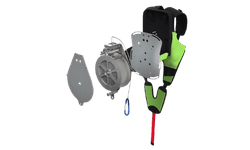
Knowing your building’s evacuation procedures, being familiar with the location of stairwells and refuge floors, and maintaining situational awareness of your surroundings are all essential habits that take minimal effort but can save your life. Beyond these basics, equipping yourself with a personal escape device provides an independent means of evacuation that does not depend on building systems, fire department response times, or the actions of others. The SkySaver rescue device is specifically engineered for controlled descent from high-rise buildings, giving occupants a reliable escape option when conventional exits are blocked or compromised.
The world’s most iconic skyscrapers stand as testaments to human ingenuity and ambition. Their fire safety systems represent some of the most sophisticated engineering ever devised. But the fundamental lesson from every major high-rise fire event throughout history remains the same: buildings do not save people, preparation does. By combining the best available building technology with personal awareness and readiness, occupants of any high-rise can face the risk of fire with confidence rather than fear.
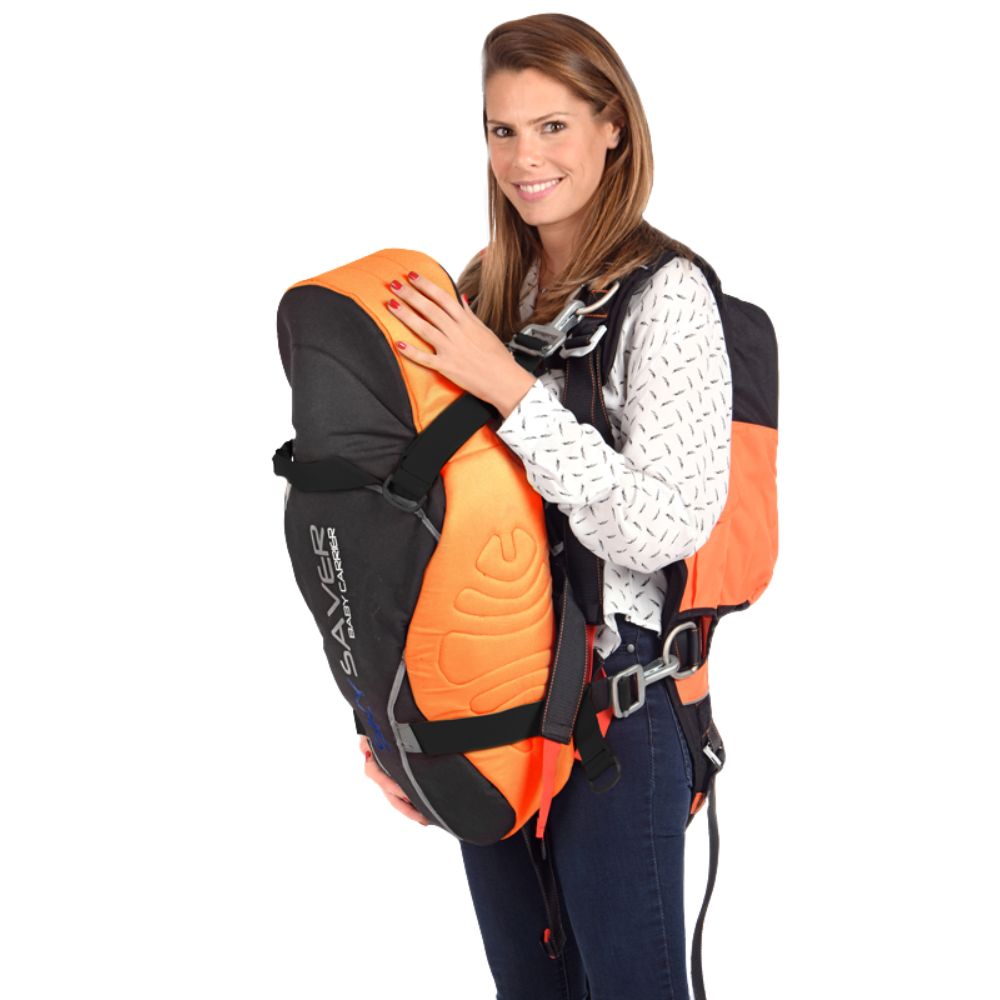
Attachable Baby Harness
Lightweight safety harness for fast and secure infant evacuation in high-rise emergencies.
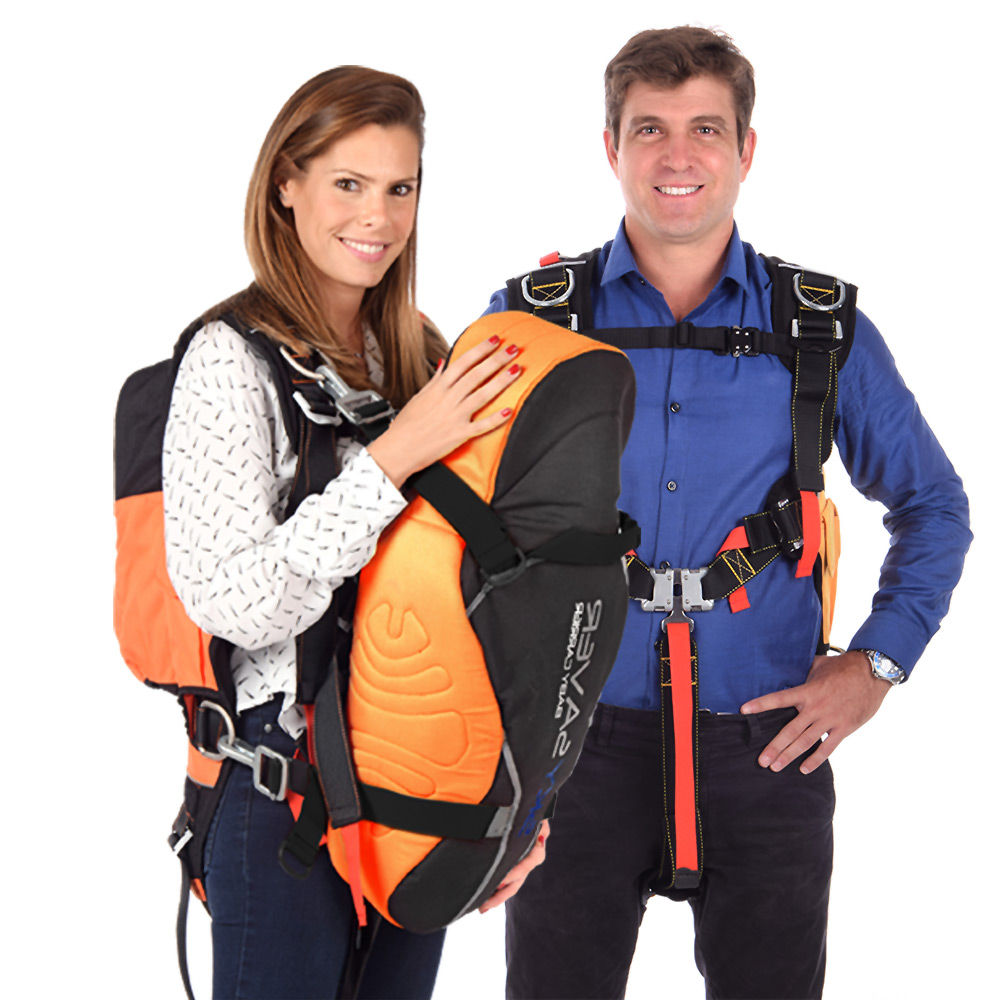
Parent Package
Complete emergency evacuation kit for the parent and dependant. Fast, safe descent from high-rise buildings.
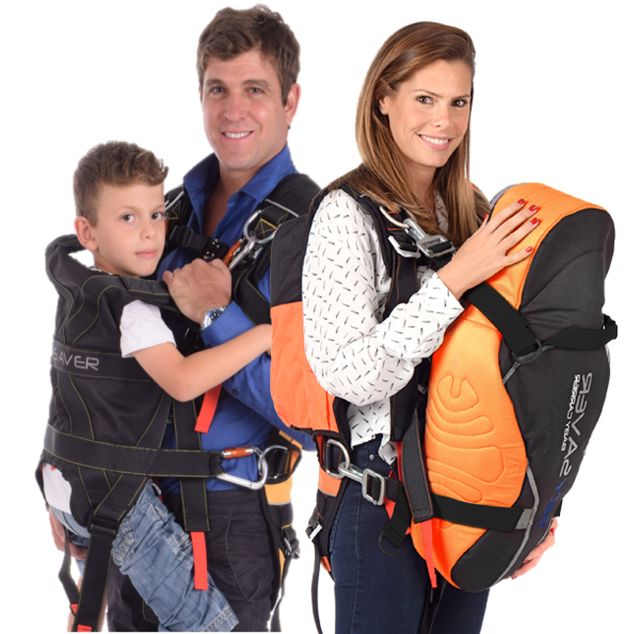
Parent Edition
Complete high-rise evacuation solution for a parent, maximum safety and fast deployment.
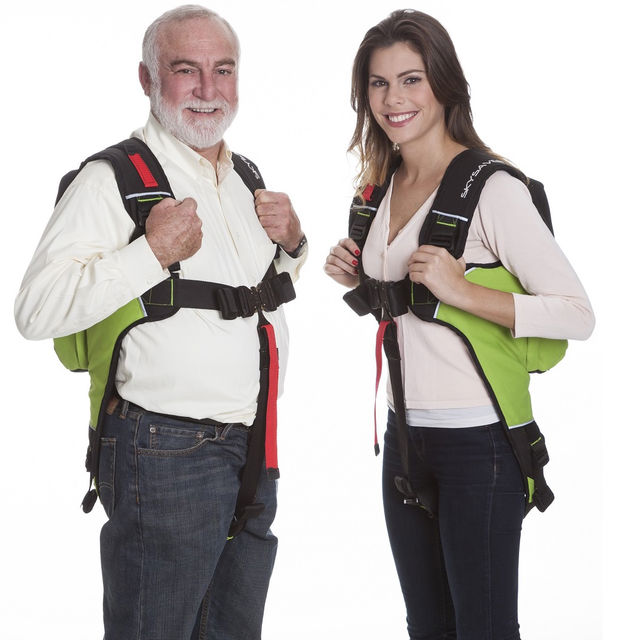
Single Self-Rescue Kit
Complete emergency evacuation kit for high-rise fast, safe descent during critical emergencies.
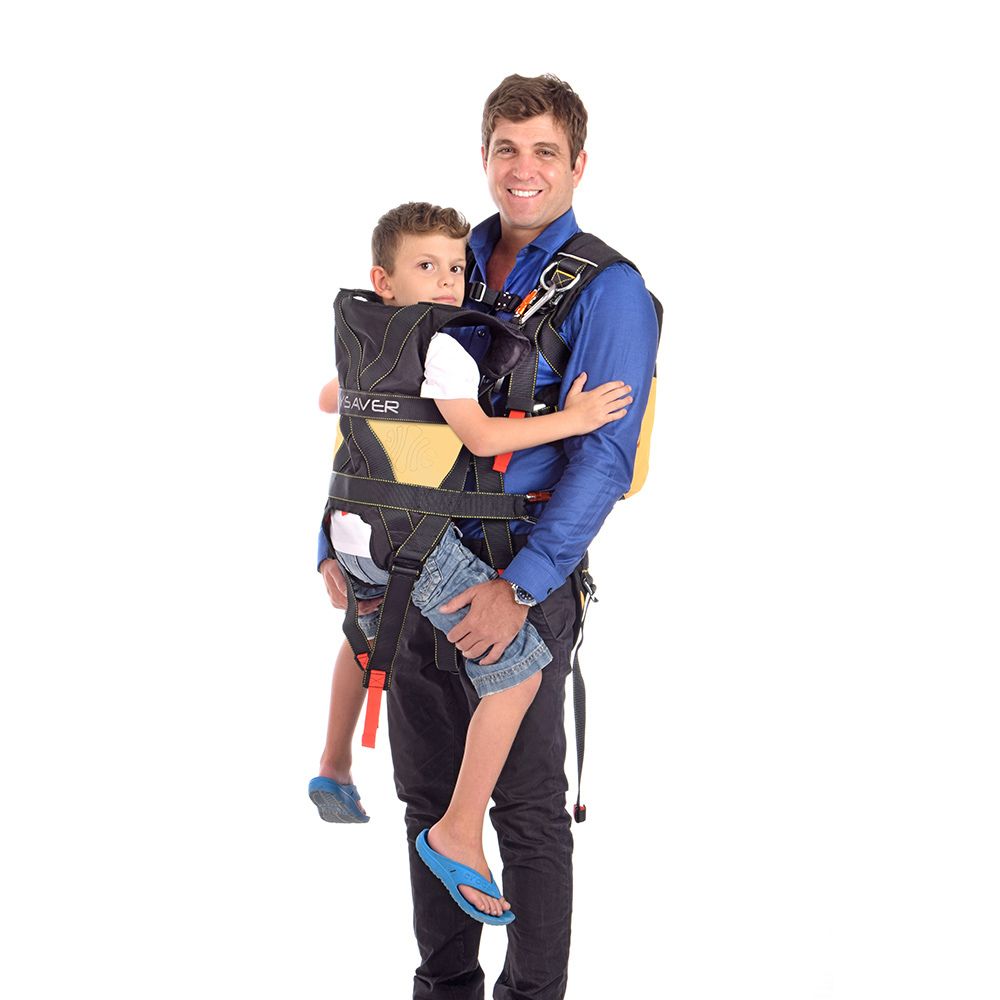
Attachable Child Harness
Lightweight child safety harness designed for secure, controlled evacuation from high-rise buildings.
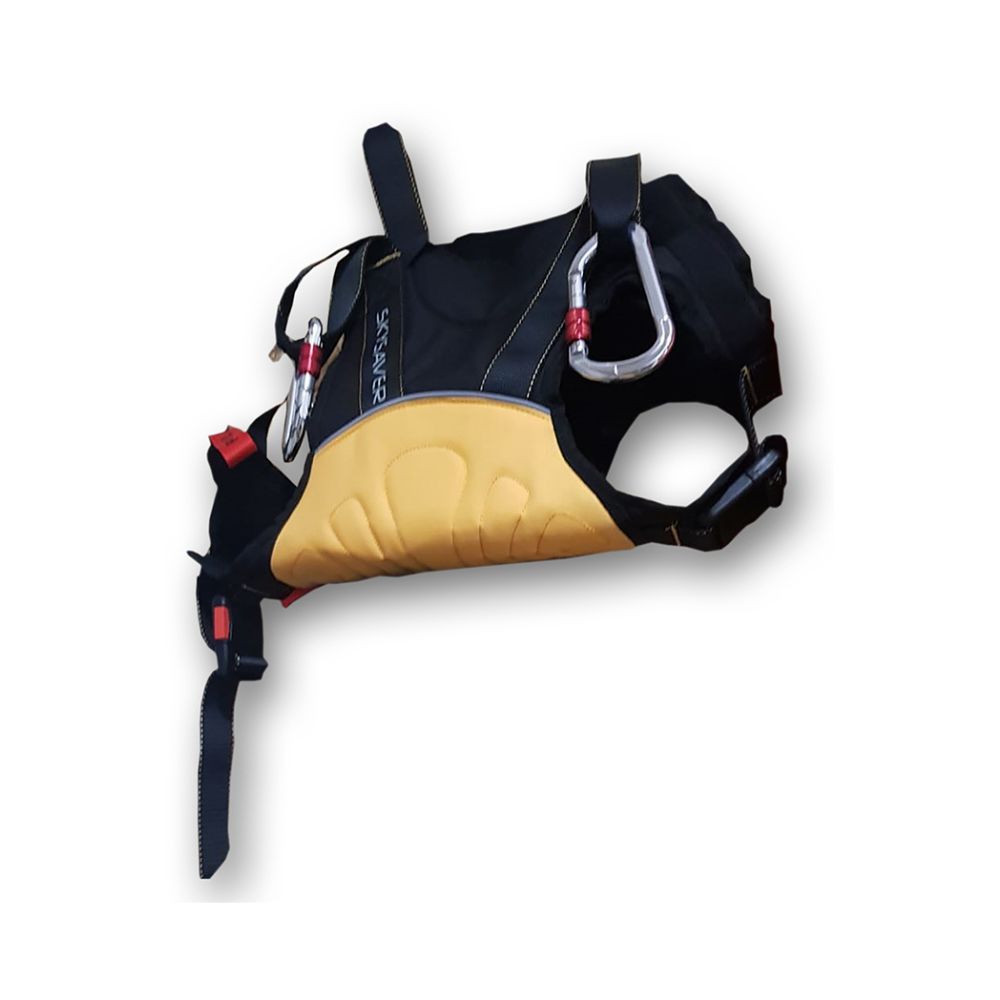
Attachable Pet Harnesses
Secure, lightweight safety harness designed for fast and controlled pet evacuation from high-rise buildings.
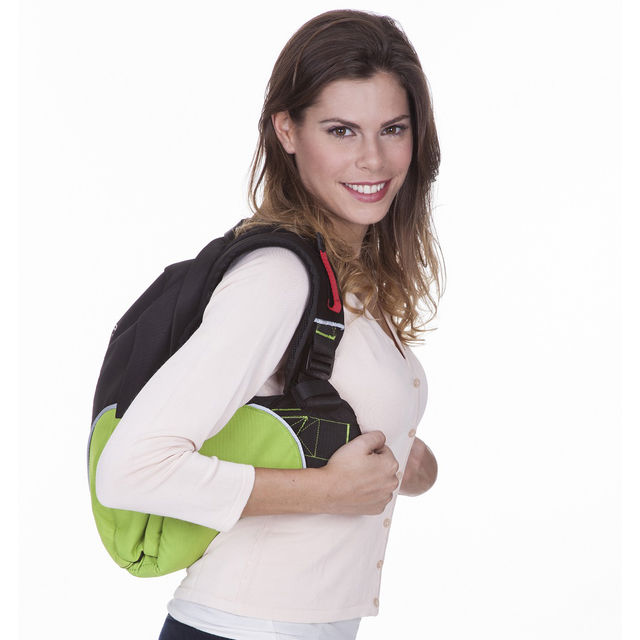
single Self-Rescue Harnesseses
Professional external safety harness for secure personal evacuation from high-rise buildings.
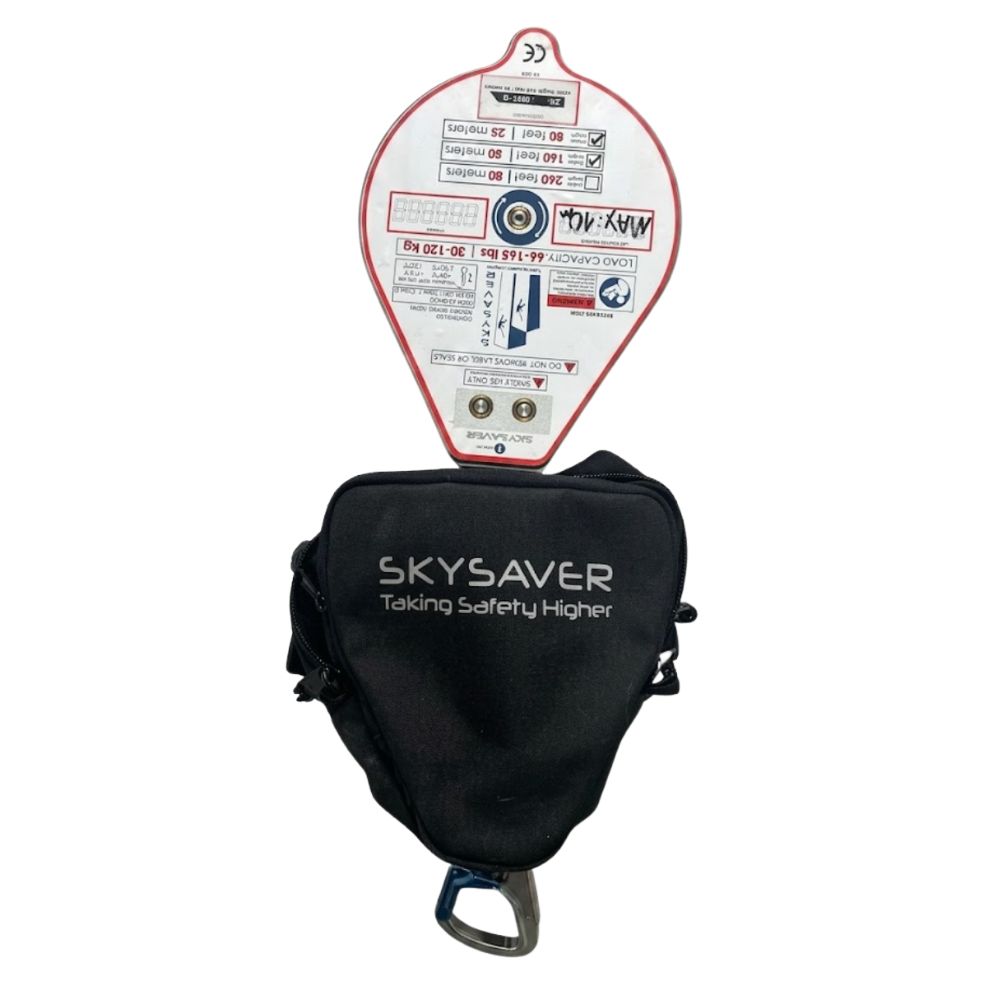
Controlled Descent Device (CDD)
External CDD unit for safe, controlled descent during high-rise emergency evacuation.