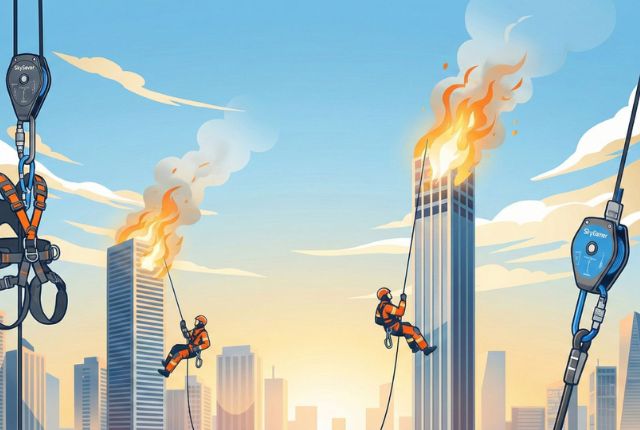
Artificial intelligence is fundamentally reshaping the landscape of fire safety, from the way fires are detected and predicted to how evacuations are managed and how firefighters make decisions in the field. For high-rise buildings — complex structures where fire behavior is influenced by dozens of interacting variables — AI offers capabilities that were unimaginable just a decade ago. Machine learning algorithms can now analyze building sensor data in real time, predict fire spread patterns with remarkable accuracy, and optimize evacuation routes dynamically as conditions change. The integration of AI into fire safety systems is not a distant future prospect. It is happening now, and it is saving lives.
The traditional approach to fire safety is fundamentally reactive. Smoke detectors sound when smoke is present. Sprinklers activate when heat reaches a threshold. Firefighters respond after a fire has already established itself. AI introduces a proactive dimension to this equation, analyzing patterns and anomalies to identify fire risks before ignition occurs and optimizing response strategies in real time once a fire is detected. For the millions of people who live and work in high-rise buildings worldwide, this shift from reactive to predictive fire safety represents one of the most significant advances in building safety since the invention of the automatic sprinkler.
Predictive Fire Detection: Catching Fires Before They Start
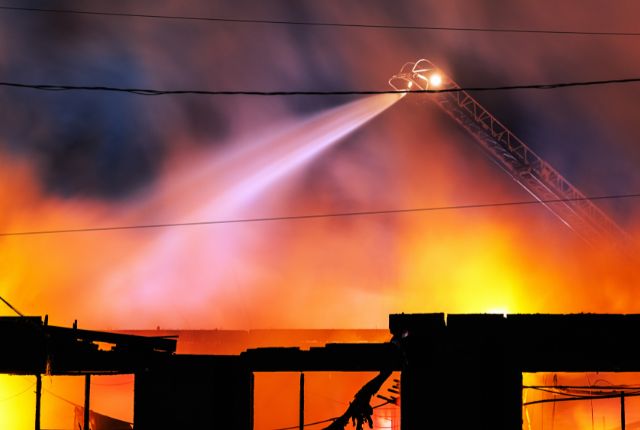
The most transformative application of AI in fire safety is predictive detection — the ability to identify fire conditions before a fire actually breaks out. AI systems continuously monitor data from building sensors: electrical load patterns, HVAC performance metrics, temperature fluctuations, air quality readings, and equipment operation data. Machine learning algorithms trained on millions of data points can identify subtle anomalies that human operators would never notice — a gradual increase in electrical resistance suggesting failing wiring, an unusual heat pattern indicating an overloaded circuit, or an air quality shift consistent with smoldering insulation.
In high-rise buildings, predictive AI systems have demonstrated the ability to identify fire risks hours or even days before an actual fire event. A study of AI-monitored commercial buildings showed that these systems could flag potential electrical fire hazards with enough lead time for maintenance crews to address the problem before any fire occurred. This preventive capability is particularly valuable in older high-rise buildings where aging electrical infrastructure is a leading cause of fires. Rather than waiting for a catastrophic failure, building management can address deteriorating conditions proactively, essentially preventing fires that would otherwise have been inevitable.
Real-Time Fire Behavior Modeling and Prediction
Once a fire is detected, AI’s ability to model fire behavior in real time becomes critical. Traditional fire response relies on firefighters assessing conditions floor by floor, a time-consuming process that delays strategic decision-making. AI fire modeling systems can ingest data from throughout the building — temperature sensors, smoke detectors, air pressure readings, HVAC status, and even thermal camera feeds — and produce a real-time map of fire progression that shows not just where the fire is now, but where it is likely to spread in the coming minutes.
These predictive models account for the complex physics of fire in high-rise environments: the stack effect that drives smoke and heat upward through vertical shafts, the influence of HVAC systems on fire spread, the thermal properties of different construction materials, and the impact of open or closed doors and windows on airflow patterns. For firefighters, this intelligence transforms their approach from reactive exploration to strategic intervention. They can predict which floors will be affected next, position resources ahead of the fire’s progression, and identify the most effective points of attack to contain the blaze.
AI-Optimized Evacuation: Dynamic Route Planning
Perhaps the most directly life-saving application of AI in high-rise fire safety is dynamic evacuation optimization. Traditional evacuation plans are static — they assume specific stairwell routes and assembly points based on the building’s design. But in a real fire, conditions change rapidly. A stairwell that was clear moments ago may suddenly fill with smoke. A corridor may become impassable due to structural failure. The optimal evacuation route at any given moment depends on a complex interplay of factors that static plans cannot accommodate.
AI evacuation systems solve this problem by continuously recalculating optimal routes based on real-time sensor data. These systems can direct different groups of occupants to different stairwells based on current conditions, avoiding congestion and steering people away from developing hazards. In buildings equipped with digital signage or smart lighting, AI can dynamically update directional indicators to guide evacuees along the safest available path. When primary routes become compromised, the system can instantly redirect occupants to alternative exits, including unconventional evacuation methods when conventional routes are no longer viable.
Computer Vision and Drone-Assisted Fire Response
AI-powered computer vision is adding new eyes to fire detection and response. Exterior-mounted cameras equipped with AI algorithms can detect smoke or flame emerging from building facades, providing early warning of fires that might not immediately trigger interior detection systems. This is particularly valuable for fires that start on balconies, in exterior cladding, or in areas not well-served by interior detector placement. The AI can distinguish between actual fire signatures and false positives such as steam, cooking smoke, or reflected light, dramatically reducing false alarm rates while maintaining sensitivity to genuine threats.
Drone technology combined with AI is emerging as a powerful tool for firefighting operations at high-rise buildings. AI-guided drones can fly to the exterior of a burning building, providing thermal imaging of the fire’s extent and intensity to incident commanders on the ground. These drones can identify trapped occupants through thermal signatures visible through windows, helping firefighters prioritize rescue operations. Some advanced drone systems can even deliver small fire suppression payloads to specific locations on a building’s exterior, buying time for occupants to evacuate or for ground-based firefighting operations to begin.
The Role of AI in Personal Fire Safety Preparedness
AI is also transforming personal fire safety at the individual level. Smart home systems powered by AI can learn the patterns of a household — when people are typically home, which rooms are occupied at what times, what cooking patterns are normal — and calibrate their alerting accordingly. An AI system that knows a resident always cooks at 6 PM can differentiate between expected kitchen smoke and an abnormal event, reducing nuisance alarms while maintaining vigilance for genuine threats.
For high-rise residents, AI-enhanced personal safety also extends to evacuation preparedness. Systems can analyze a resident’s physical capabilities, apartment location, and available emergency equipment such as the SkySaver rescue backpack, and generate personalized evacuation plans that account for these individual factors. An elderly resident on the 25th floor receives different guidance than a young athlete on the 5th floor. A family with small children gets different instructions than a single professional. This personalization, made possible only by AI’s ability to process multiple variables simultaneously, ensures that every resident has an evacuation plan optimized for their specific situation.
Looking Ahead: The AI-Protected Building of Tomorrow
The convergence of AI, IoT sensors, and advanced computing is creating a new paradigm in high-rise fire safety. Buildings of the near future will be equipped with AI systems that continuously monitor for fire risks, detect threats at the earliest possible stage, model fire behavior in real time, optimize evacuations dynamically, and provide firefighters with unprecedented situational awareness. These intelligent buildings will not eliminate the risk of fire, but they will dramatically reduce the time between detection and response, the likelihood of evacuation failures, and ultimately, the number of lives lost to high-rise fires.
For today’s high-rise residents, the lesson is clear: technology is a powerful ally in fire safety, but it works best when combined with personal preparedness. AI can optimize your evacuation route, but you still need to know your building’s stairwells. Predictive systems can warn of developing threats, but you still need an emergency plan and the equipment to execute it. The smartest approach to fire safety combines the best of human preparation with the best of artificial intelligence — and in that combination lies the safest possible future for high-rise living.
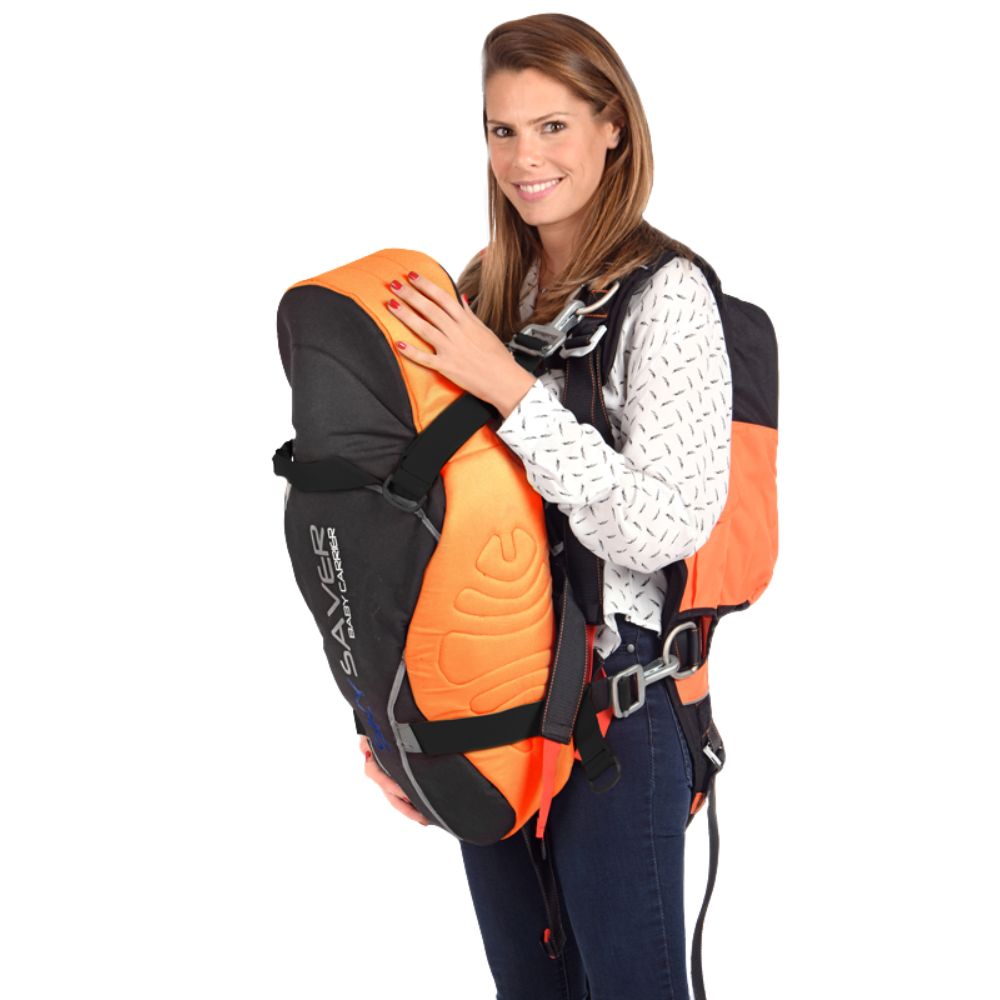
Attachable Baby Harness
Lightweight safety harness for fast and secure infant evacuation in high-rise emergencies.
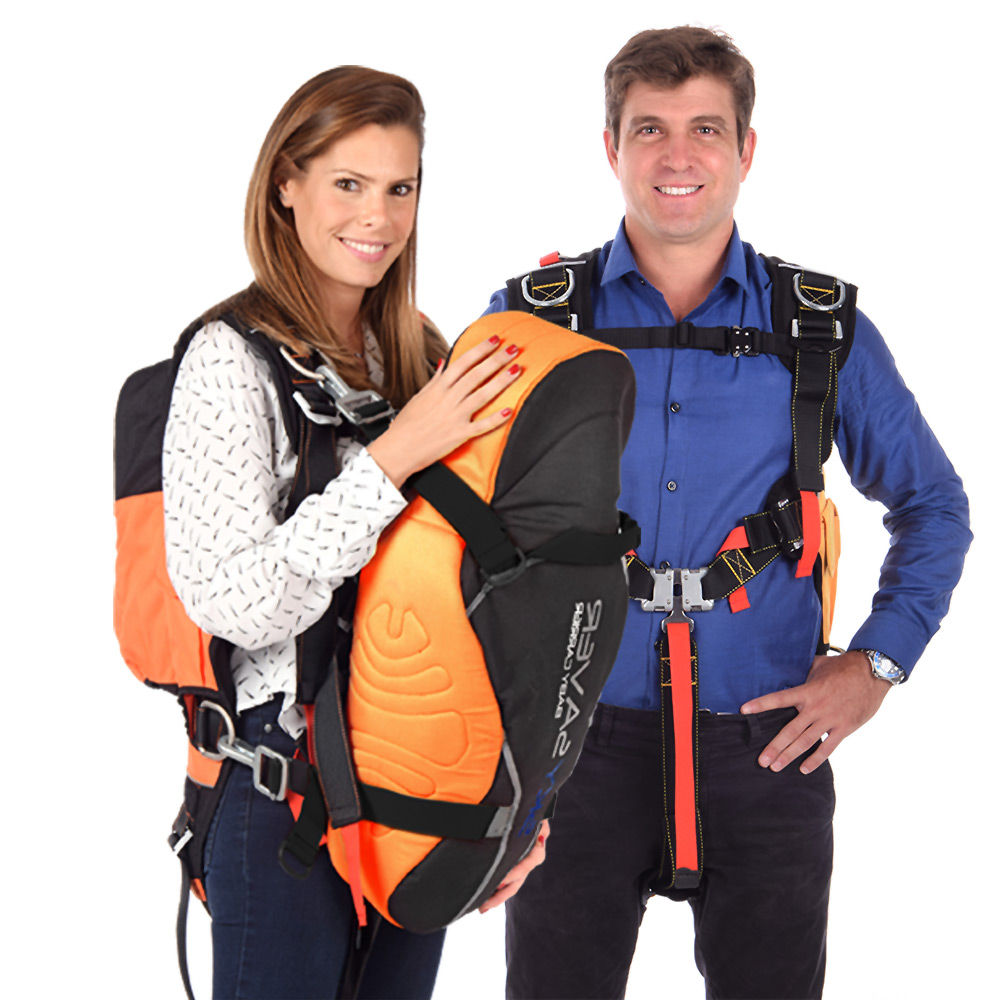
Parent Package
Complete emergency evacuation kit for the parent and dependant. Fast, safe descent from high-rise buildings.
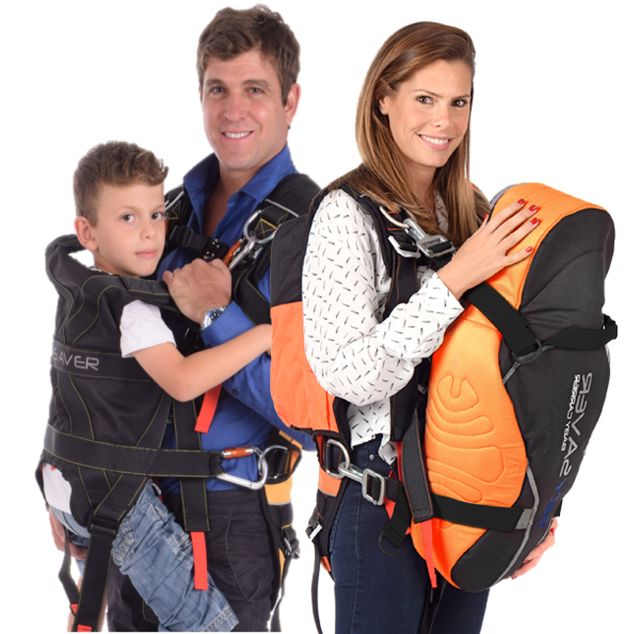
Parent Edition
Complete high-rise evacuation solution for a parent, maximum safety and fast deployment.
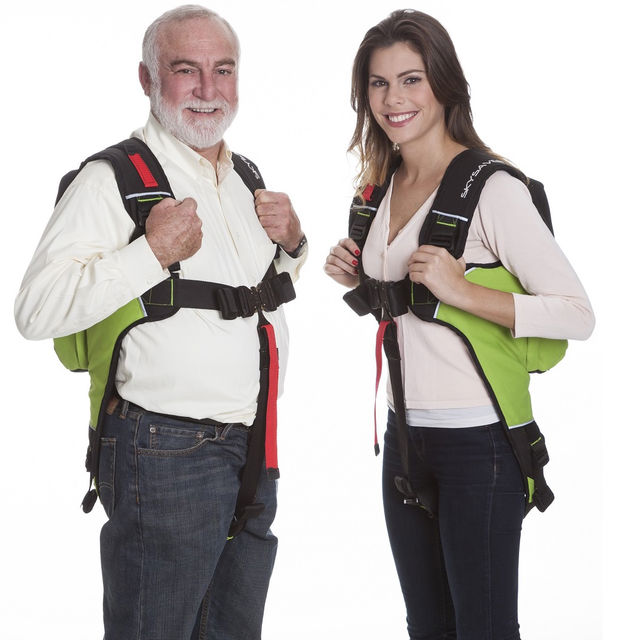
Single Self-Rescue Kit
Complete emergency evacuation kit for high-rise fast, safe descent during critical emergencies.
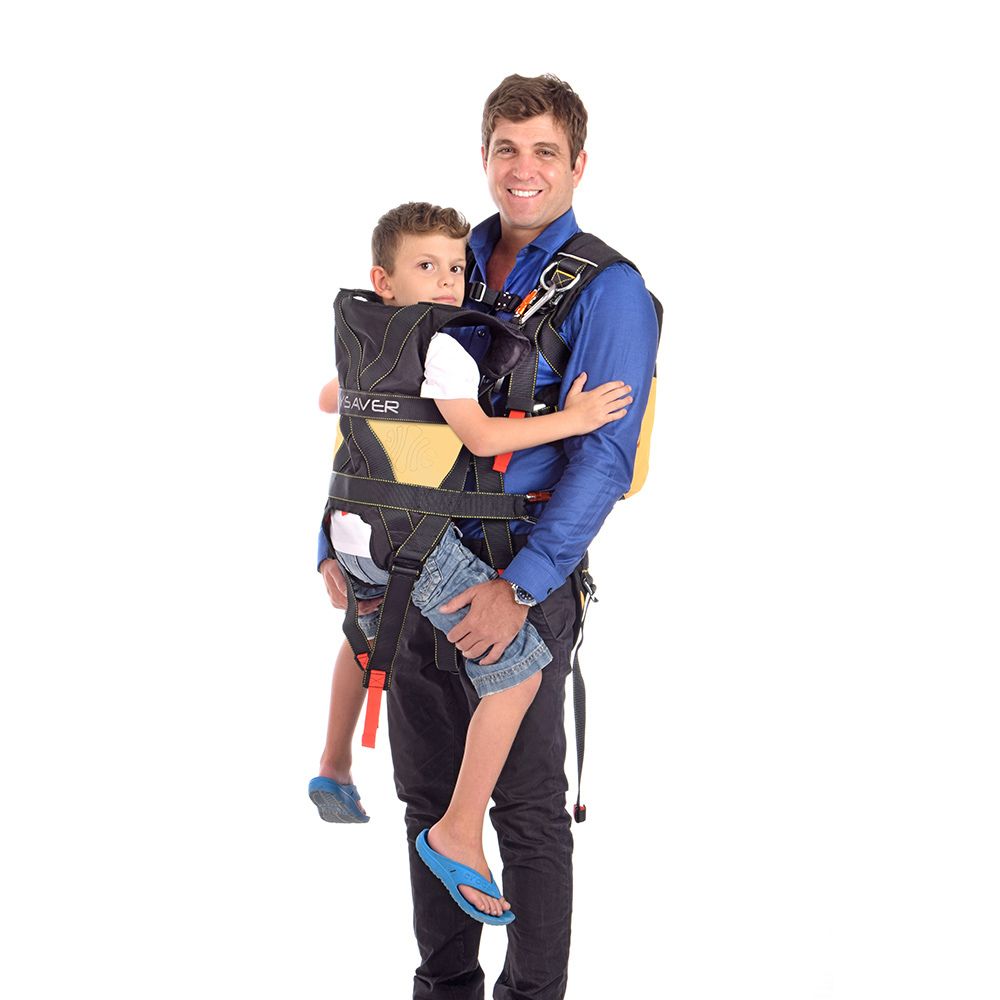
Attachable Child Harness
Lightweight child safety harness designed for secure, controlled evacuation from high-rise buildings.
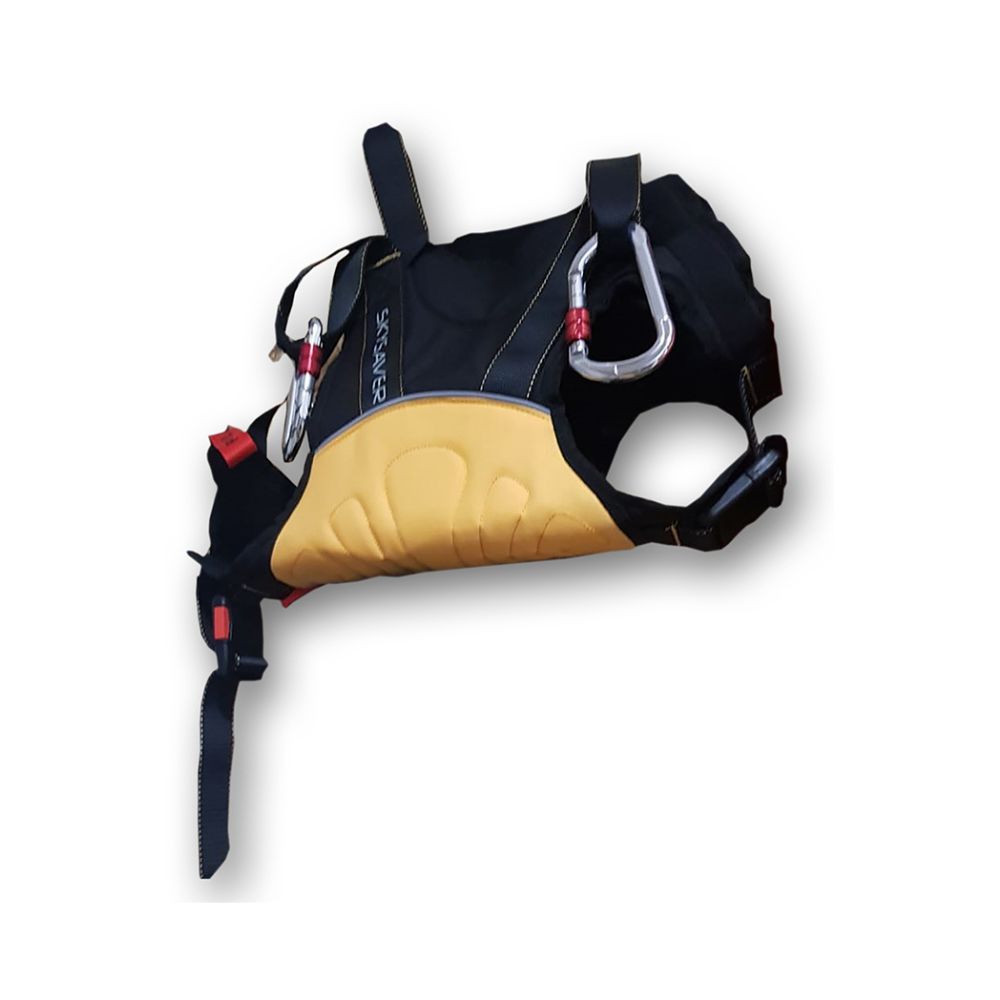
Attachable Pet Harnesses
Secure, lightweight safety harness designed for fast and controlled pet evacuation from high-rise buildings.

single Self-Rescue Harnesseses
Professional external safety harness for secure personal evacuation from high-rise buildings.
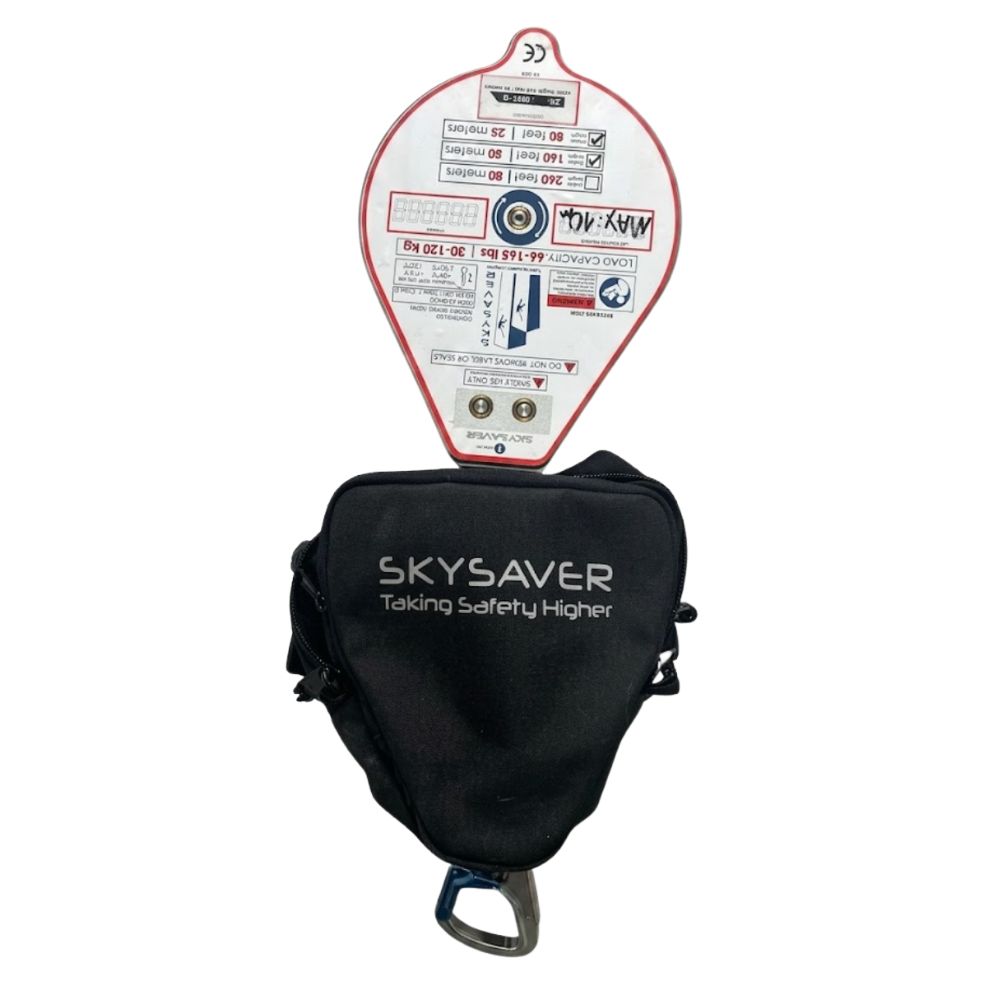
Controlled Descent Device (CDD)
External CDD unit for safe, controlled descent during high-rise emergency evacuation.