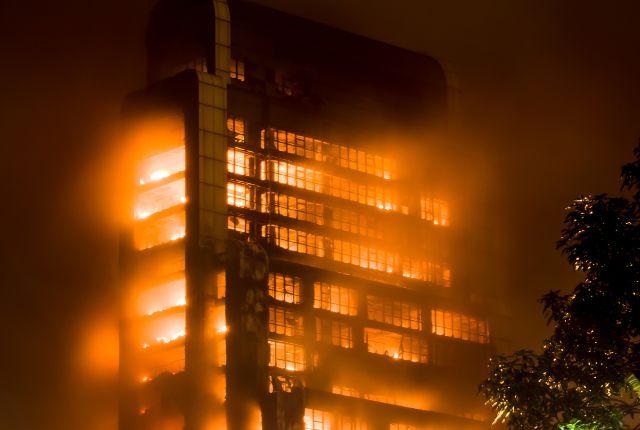
Most people associate high-rise fires with flames spreading through apartments, offices, or common areas. But there is a far more insidious scenario that rarely makes it into public awareness campaigns: fire in the elevator shaft. This vertical conduit, running the entire height of a building like an artery through a body, can transform from a convenience into a deadly chimney in a matter of minutes. Understanding the unique dangers of elevator shaft fires is essential for anyone who lives or works in a high-rise building, because these fires behave differently from any other type of building fire, and they demand a fundamentally different response.
Elevator shafts are among the most overlooked fire hazards in modern construction. They create a continuous vertical channel that connects every floor of a building, and when fire enters this channel, it gains access to a natural draft system that can accelerate flame spread and smoke distribution at alarming speeds. The stack effect — the movement of air driven by temperature differences between the inside and outside of a building — turns elevator shafts into powerful convection engines that can push superheated gases and toxic smoke to floors far removed from the original fire.
How Fire Enters and Spreads Through Elevator Shafts
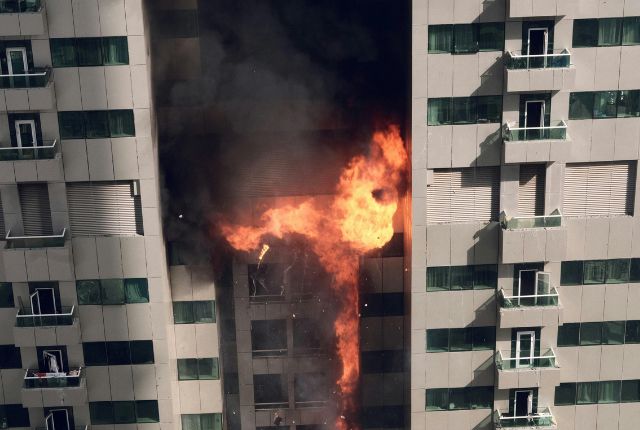
Fire can enter an elevator shaft through several pathways. The most common is through the gap between elevator doors and the shaft wall on the fire floor. Despite appearing sealed, standard elevator doors are not fire-rated barriers. They allow smoke and hot gases to pass through the narrow gaps around their edges, particularly when the pressure differential created by the fire pushes air toward the shaft. Once inside the shaft, the fire encounters an environment rich in fuel: elevator car lubricants, hydraulic fluids, electrical wiring insulation, and accumulated dust and debris that collects in the shaft pit over years of operation.
The physics of fire spread in vertical shafts is governed by the stack effect. In a typical high-rise building, warm air naturally rises through vertical openings, creating an upward draft that can reach significant velocities. When fire enters the shaft, this natural airflow is supercharged by the extreme temperatures, creating a blowtorch effect that can push flames and smoke upward at speeds that outpace human evacuation on stairwells. On a cold day, when the temperature difference between indoors and outdoors is greatest, the stack effect intensifies dramatically, making elevator shaft fires even more dangerous in winter months.
Why Elevators Become Death Traps During Shaft Fires
The universal rule of fire safety — never use the elevator during a fire — exists precisely because of the dangers associated with shaft fires. When an elevator travels through a burning shaft, passengers face multiple simultaneous threats. The car can stop on the fire floor when heat-activated call buttons malfunction, opening its doors directly into an inferno. Smoke filling the shaft can enter the car through ventilation openings, overwhelming occupants with toxic gases before they can reach a safe floor. In extreme cases, the structural integrity of elevator cables can be compromised by heat, leading to catastrophic failure.
There have been documented cases worldwide where elevator passengers became trapped in cars surrounded by fire and smoke, with no way to open the doors or communicate with emergency services. These incidents are particularly harrowing because the victims were often attempting to evacuate, following what seemed like the fastest route to safety. Modern buildings increasingly incorporate elevator recall systems that automatically send cars to the ground floor when smoke is detected, but these systems are not infallible, and older buildings may lack this protection entirely.
The Hidden Danger: Smoke Migration to Upper Floors
Perhaps the most dangerous aspect of elevator shaft fires is their ability to deliver toxic smoke to floors that are far from the actual fire. Residents on the 30th floor may have no idea that a small fire on the 5th floor is sending carbon monoxide and hydrogen cyanide up through the elevator shaft and into their hallways through the gaps around elevator doors on their floor. This silent migration of deadly gases has been responsible for fatalities in buildings where occupants believed they were safe because the fire was many floors below them.
The problem is compounded in buildings where elevator lobbies are not properly pressurized or where fire-rated elevator door assemblies have deteriorated over time. Carbon monoxide, which is colorless and odorless, can accumulate in upper-floor corridors to lethal concentrations before residents are even aware of the fire below. This is why every floor of a high-rise building needs functioning smoke and CO detectors, regardless of how far it is from potential fire sources.
What to Do When You Suspect an Elevator Shaft Fire
Recognizing the signs of an elevator shaft fire can provide crucial early warning. Unusual sounds coming from the shaft — crackling, popping, or the sound of rushing air — should never be ignored. Smoke seeping around elevator doors, even in small amounts, is an immediate indication that the shaft has been compromised. Heat radiating from elevator doors or walls adjacent to the shaft is another critical warning sign. If you observe any of these indicators, do not attempt to use the elevator under any circumstances, and immediately alert building management and emergency services.
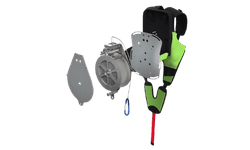
Evacuation during a suspected elevator shaft fire requires a different approach than standard fire evacuation. Because the shaft can distribute smoke to multiple floors simultaneously, stairwells adjacent to the elevator shaft may also be affected. Residents should test stairwell doors for heat before opening them and should be prepared to use alternative stairwells if the primary route is compromised. In situations where all conventional exit routes are blocked by smoke from the shaft, having a personal evacuation device like the SkySaver backpack provides an alternative escape route that bypasses the building’s vertical infrastructure entirely.
Building Design Solutions and Future Prevention
The fire safety industry has developed several engineering solutions to address elevator shaft fire risks. Pressurized elevator lobbies create a positive air pressure barrier that prevents smoke from entering the shaft. Smoke-rated and fire-rated elevator door assemblies provide significantly better protection than standard doors. Automatic shaft ventilation systems can be activated during a fire to exhaust smoke before it spreads to upper floors. However, many existing buildings were constructed before these technologies became standard, leaving millions of high-rise residents vulnerable to this largely invisible threat.
For residents of older high-rise buildings, awareness and personal preparedness are the most effective defenses against elevator shaft fires. Know where your building’s elevator shafts are located relative to your unit. Understand that smoke or unusual heat near elevator doors is an emergency warning sign. Keep your stairwell routes memorized and practice them regularly. And ensure that you have emergency equipment accessible and ready to use, because in the scenarios no one talks about, preparation is the only thing standing between survival and tragedy.

Attachable Baby Harness
Lightweight safety harness for fast and secure infant evacuation in high-rise emergencies.
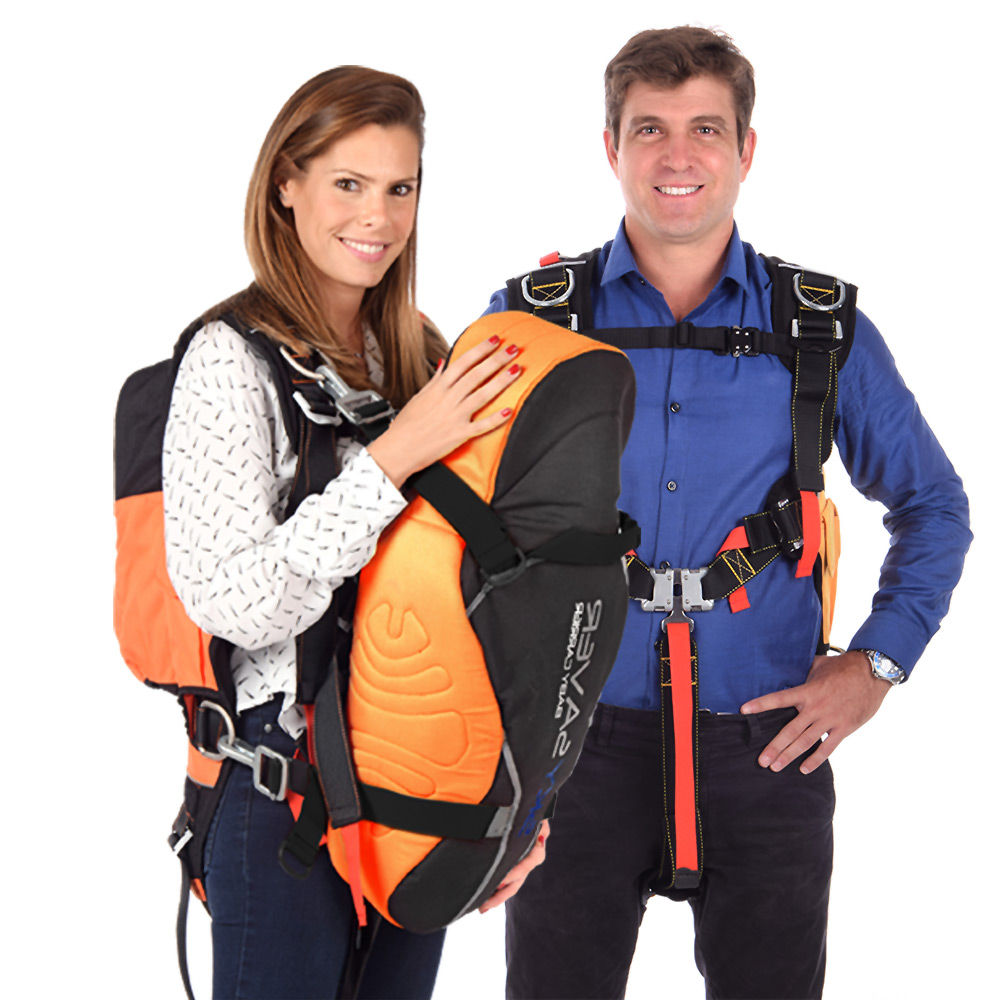
Parent Package
Complete emergency evacuation kit for the parent and dependant. Fast, safe descent from high-rise buildings.

Parent Edition
Complete high-rise evacuation solution for a parent, maximum safety and fast deployment.
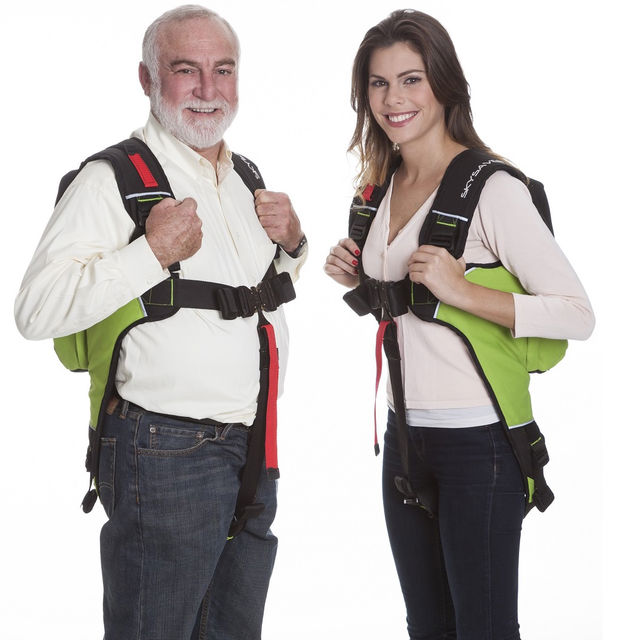
Single Self-Rescue Kit
Complete emergency evacuation kit for high-rise fast, safe descent during critical emergencies.
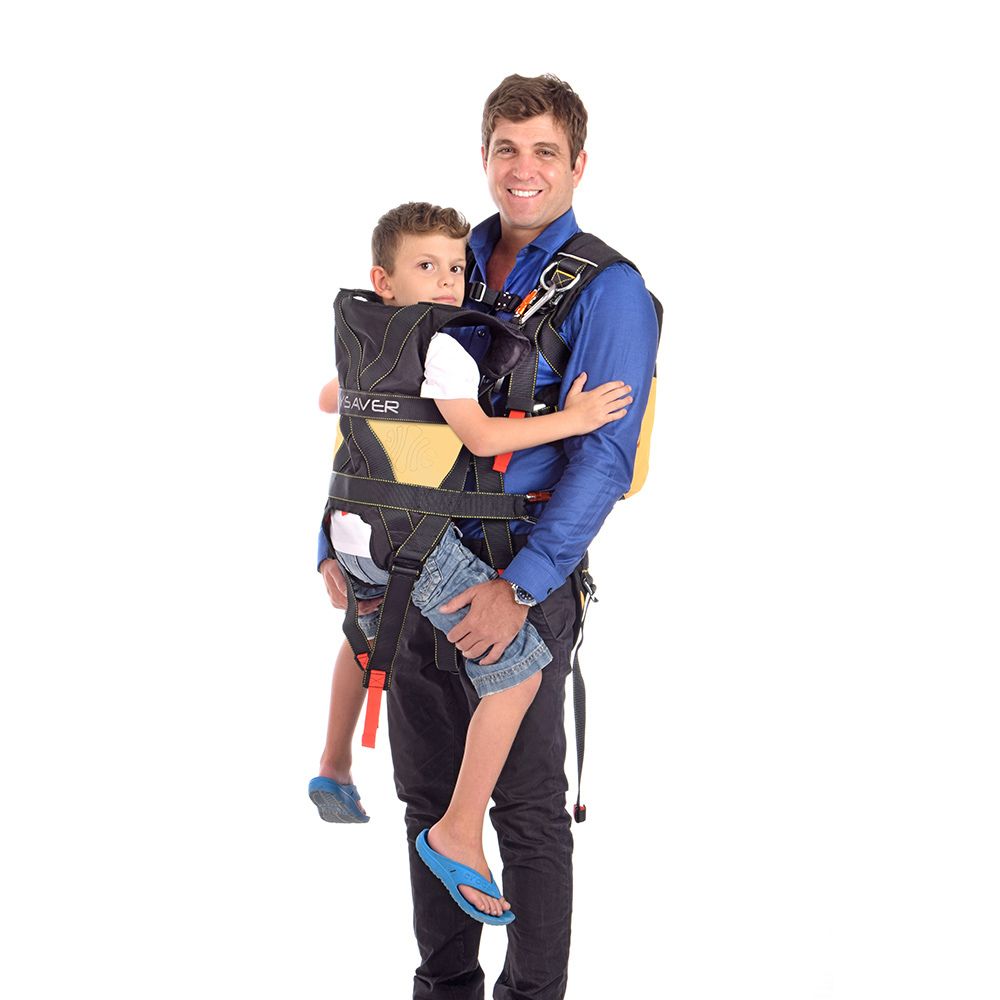
Attachable Child Harness
Lightweight child safety harness designed for secure, controlled evacuation from high-rise buildings.
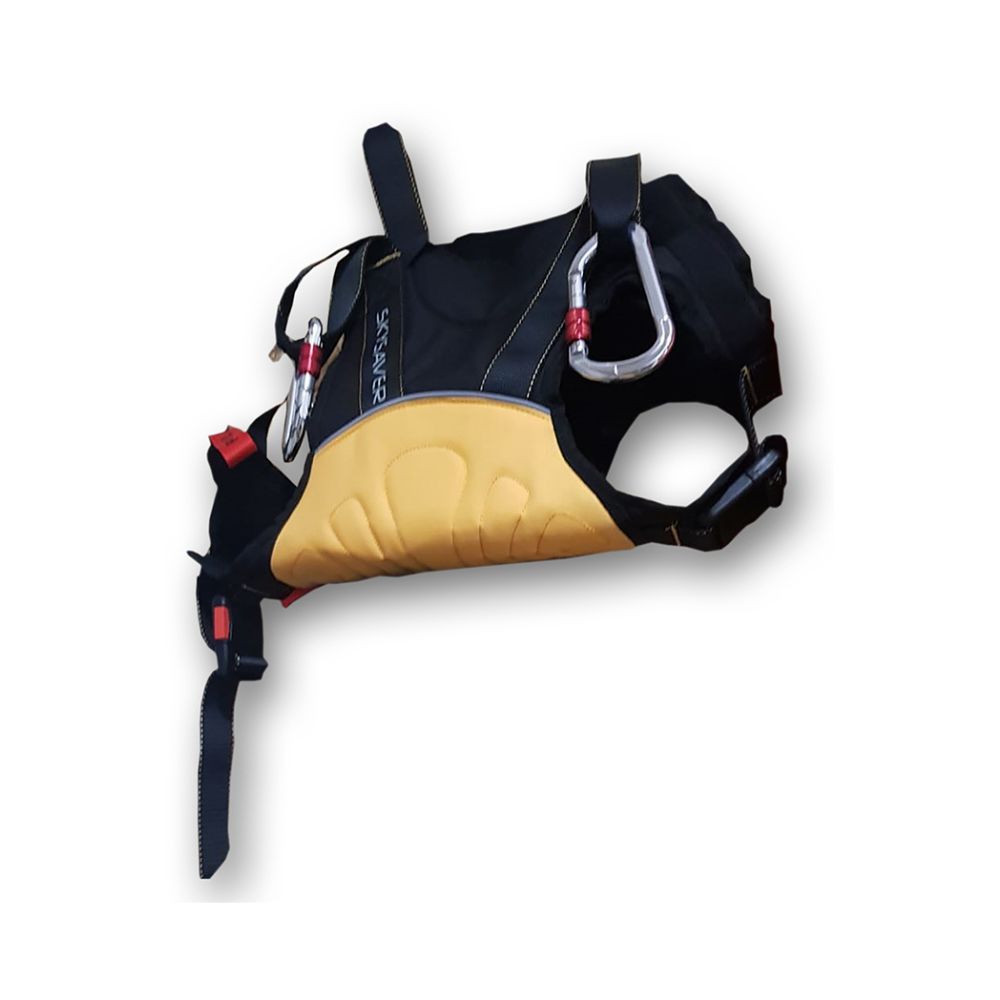
Attachable Pet Harnesses
Secure, lightweight safety harness designed for fast and controlled pet evacuation from high-rise buildings.

single Self-Rescue Harnesseses
Professional external safety harness for secure personal evacuation from high-rise buildings.
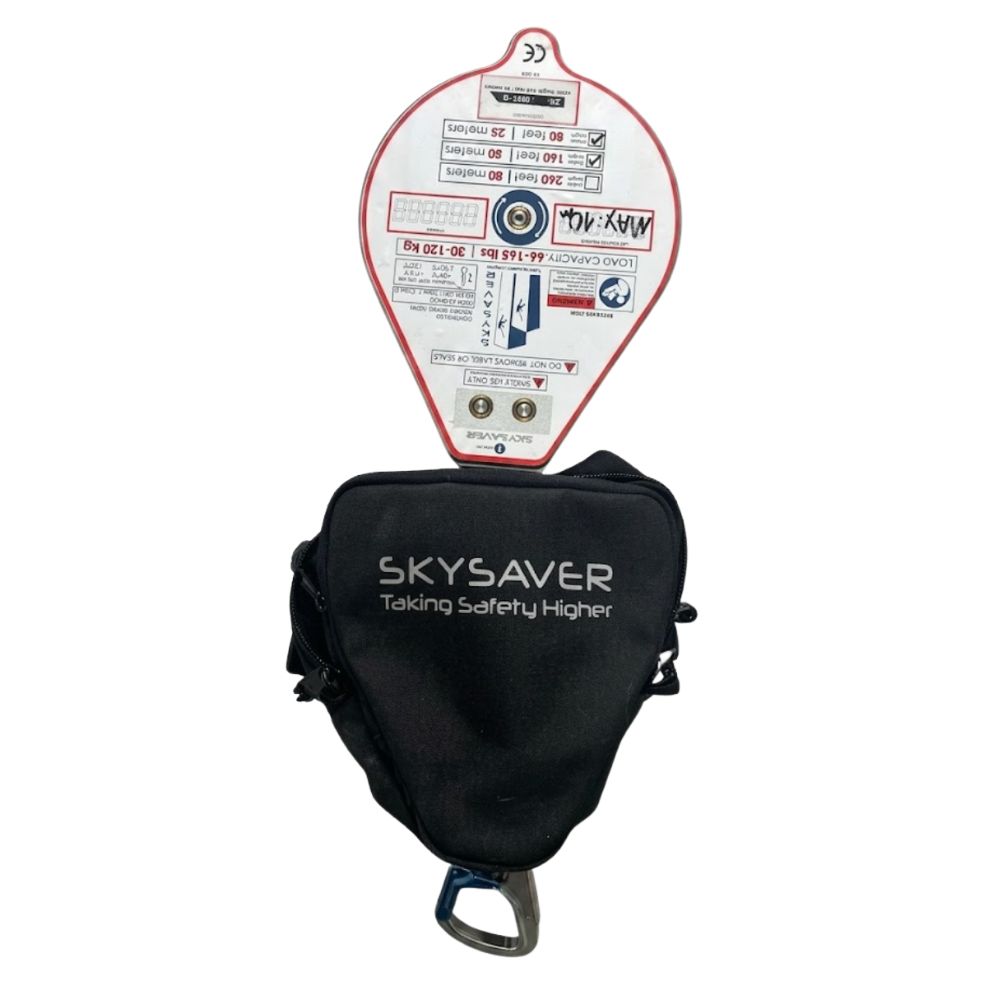
Controlled Descent Device (CDD)
External CDD unit for safe, controlled descent during high-rise emergency evacuation.