A new and rapidly growing fire threat is emerging in high-rise buildings across the world, and most residents have no idea it is sitting in their hallway, their living room, or their garage. Lithium-ion battery fires — fueled by the explosive growth of e-bikes, electric scooters, hoverboards, and portable power stations — are causing some of the most intense and fast-moving apartment fires that urban fire departments have ever encountered. For anyone living or working in a multi-story building, understanding this danger is no longer optional.
Fire departments in major cities including New York, London, and Hong Kong have reported dramatic increases in lithium-ion battery fires over the past several years. These fires behave differently from traditional apartment fires. They ignite with little warning, burn at extremely high temperatures, produce highly toxic fumes, and can reignite even after being apparently extinguished. For high-rise residents, these characteristics create an especially dangerous combination.
Why Lithium-Ion Batteries Are So Dangerous in Enclosed Spaces
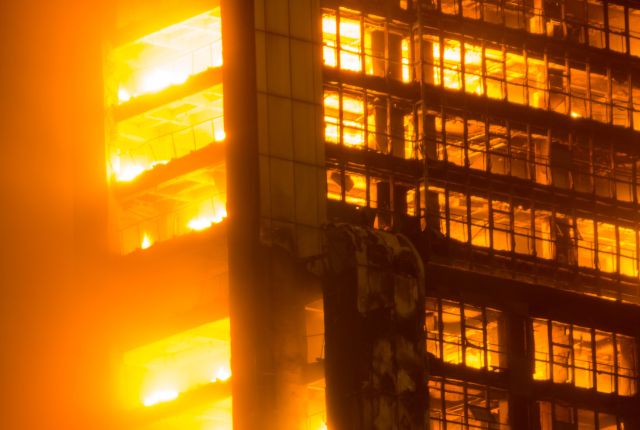
Lithium-ion batteries store an enormous amount of energy in a compact space. When they fail — due to manufacturing defects, physical damage, overcharging, or the use of incompatible chargers — they undergo a process called thermal runaway. During thermal runaway, the battery’s internal temperature rises uncontrollably, causing a chain reaction among its cells. The result is a violent release of energy that can produce flames exceeding one thousand degrees, along with a torrent of toxic gases including hydrogen fluoride, a substance so corrosive that even brief inhalation can cause severe lung damage.
In the confined environment of an apartment, this combination is devastating. A single e-bike battery can produce enough heat and toxic gas to make an entire floor uninhabitable within minutes. The fire spreads rapidly to surrounding furniture, walls, and flooring, and the smoke — far more toxic than that from ordinary combustibles — can travel through ventilation systems, stairwells, and door gaps to affect residents on adjacent floors who may have no idea a fire has started below them. Understanding how fires spread in tall buildings makes it clear why a battery fire on one floor can threaten the safety of the entire structure.
E-Bikes and Electric Scooters: The Primary Culprits
While any lithium-ion battery can potentially fail, e-bikes and electric scooters represent the highest risk category in high-rise buildings. Many of these devices use large, high-capacity battery packs that are charged indoors — often overnight, often unattended, and sometimes with aftermarket or non-certified chargers that bypass safety protections. Delivery workers, in particular, may store and charge multiple batteries simultaneously in small apartments, creating a concentrated fire load that far exceeds what standard residential fire suppression systems are designed to handle.
Several of the deadliest apartment fires in recent years have been traced directly to e-bike batteries. In many cases, the fires started near the apartment’s entrance — blocking the primary exit route and trapping residents inside. This is a critical point for anyone living in a high-rise: when the fire starts at your front door, the hallway and stairwell may not be available as escape routes.
What High-Rise Residents Can Do to Protect Themselves
Prevention is the first line of defense. Residents who own e-bikes, scooters, or other devices with large lithium-ion batteries should only charge them using the manufacturer-supplied charger, never leave them charging unattended or overnight, and avoid charging them near exits or in areas that would block evacuation routes. Batteries that show signs of swelling, overheating, or damage should be removed from the building immediately and disposed of through proper hazardous waste channels.
Building managers and homeowners associations should consider implementing policies that address lithium-ion battery storage and charging. Some cities have already begun requiring designated charging areas outside of residential units. Advocating for these measures in your building is a proactive step that protects every resident on every floor.
However, prevention alone cannot eliminate the risk entirely. The reality of high-rise living is that you cannot control what your neighbors do behind their closed doors. This is why personal evacuation preparedness is essential. If a lithium-ion battery fire erupts in a unit near yours — or on the floor below — and blocks your access to the corridor or stairwell, you need an alternative way out.
When the Exit Is Blocked: Why Personal Descent Devices Matter
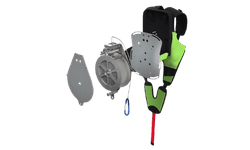
The SkySaver rescue backpack was designed for precisely this kind of scenario. When a fast-moving, intensely hot fire cuts off traditional escape routes, SkySaver provides a controlled descent from any window or balcony. The system requires no prior training and no external assistance. Three simple steps — buckle up, clip to the anchor, and descend — allow anyone to reach the ground safely, even from the highest floors of a residential tower.
SkySaver devices are certified by ASTM, ANSI, CE, TUV, and NFPA, and are backed by Lloyd’s of London insurance. For families with children, elderly members, or pets, the SkySaver product range includes specialized harnesses that ensure everyone can evacuate together. In a lithium-ion battery fire, where the speed and intensity of the blaze can outpace conventional high-rise evacuation strategies, having a personal descent device stored in your apartment is not an overreaction. It is a rational response to a documented and growing threat.
A Growing Threat That Demands Immediate Attention
Lithium-ion battery technology is here to stay, and its presence in our homes and buildings will only increase. Electric vehicles, home energy storage systems, and an ever-expanding range of battery-powered devices mean that the fire risk associated with this technology will continue to grow. Fire safety codes and building regulations are still catching up to the reality of what these batteries can do in an enclosed, high-rise environment.
Residents cannot afford to wait for regulations to solve the problem. Taking personal responsibility for fire safety — through prevention, awareness, and equipping your home with reliable evacuation tools — is the most effective response to this evolving threat. The fundamentals of apartment fire safety have not changed, but the types of fires we face have, and our preparedness must evolve with them.
Explore the full SkySaver product range and take the first step toward ensuring that your family has a safe way out, no matter what starts the fire.
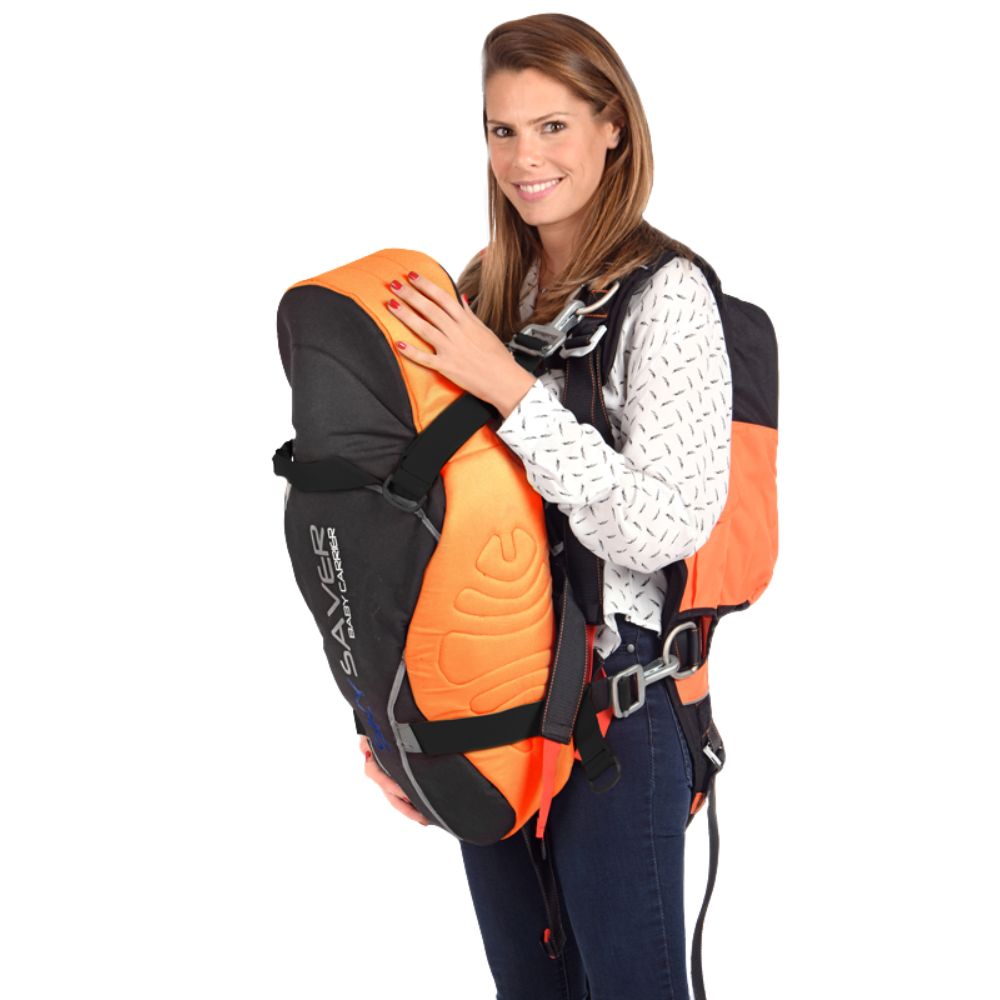
Attachable Baby Harness
Lightweight safety harness for fast and secure infant evacuation in high-rise emergencies.
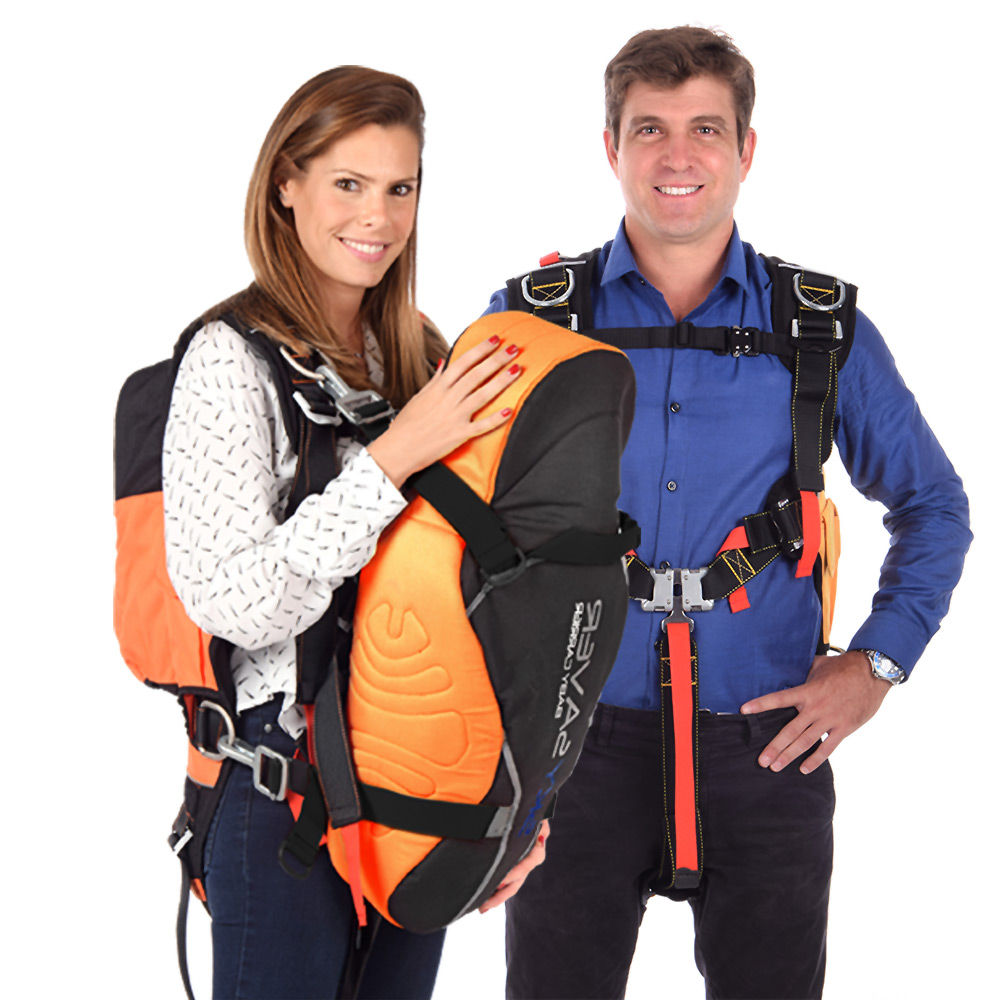
Parent Package
Complete emergency evacuation kit for the parent and dependant. Fast, safe descent from high-rise buildings.
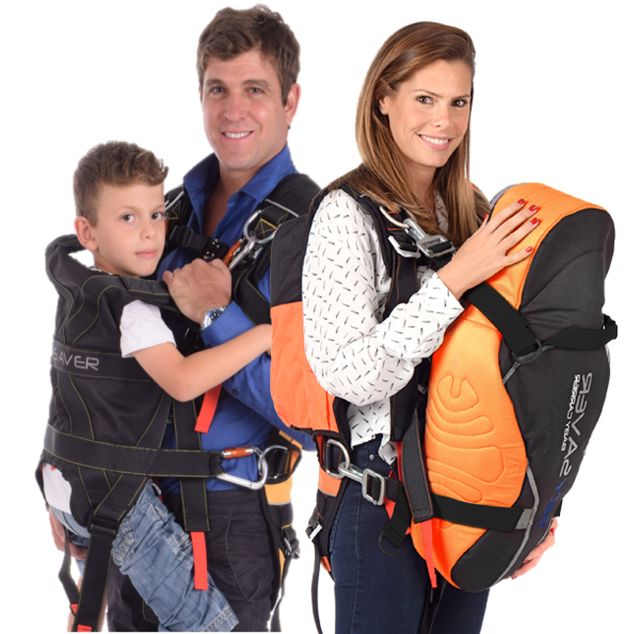
Parent Edition
Complete high-rise evacuation solution for a parent, maximum safety and fast deployment.
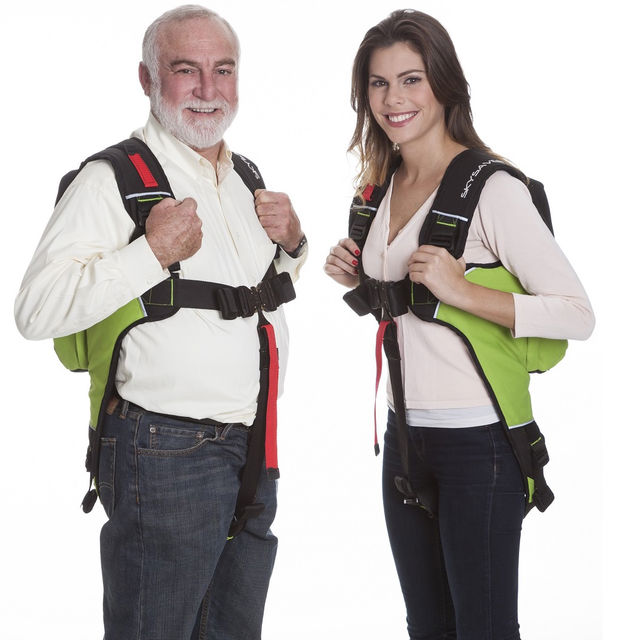
Single Self-Rescue Kit
Complete emergency evacuation kit for high-rise fast, safe descent during critical emergencies.
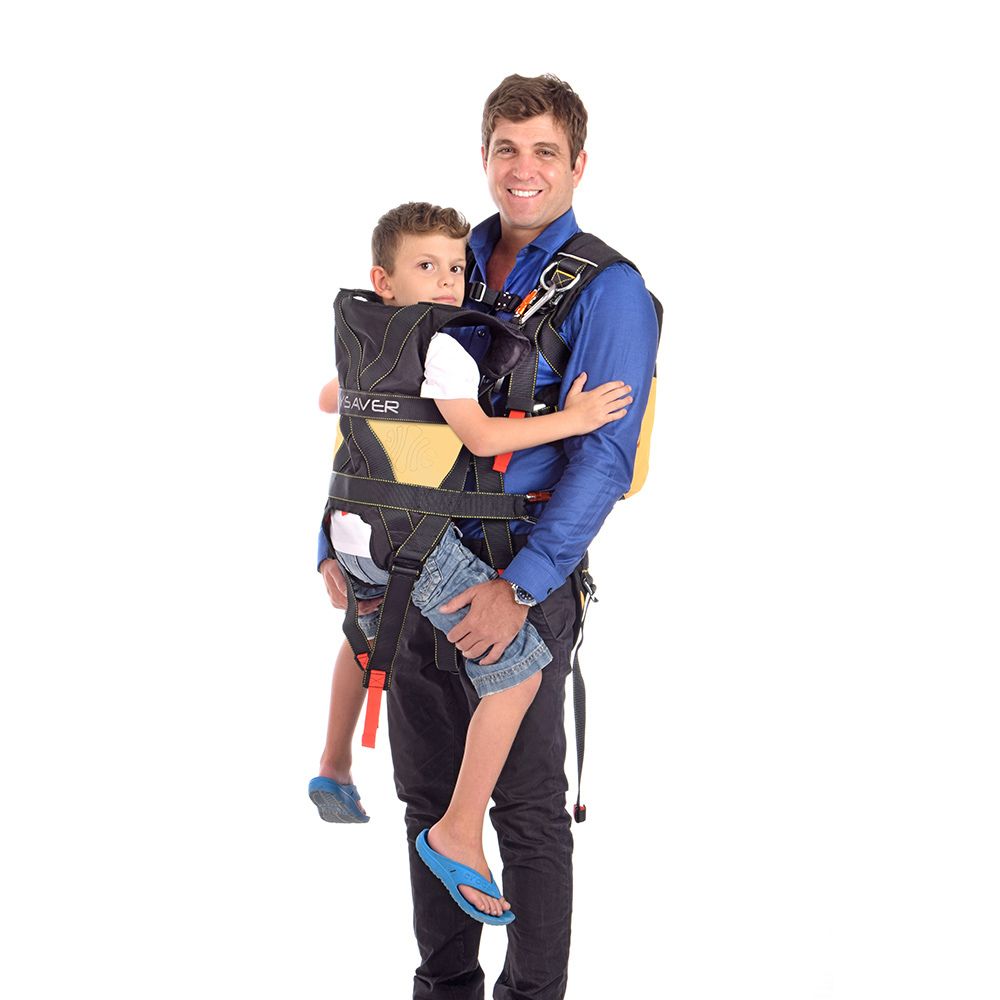
Attachable Child Harness
Lightweight child safety harness designed for secure, controlled evacuation from high-rise buildings.
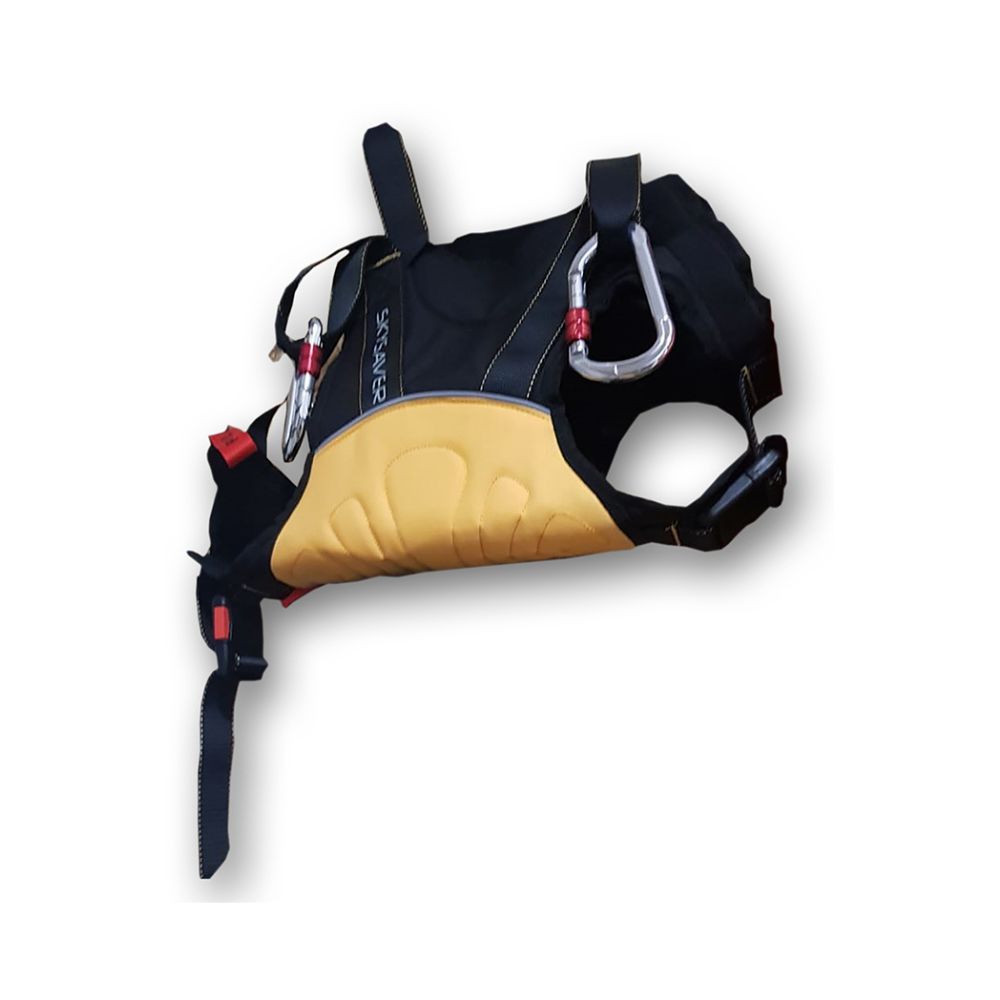
Attachable Pet Harnesses
Secure, lightweight safety harness designed for fast and controlled pet evacuation from high-rise buildings.

single Self-Rescue Harnesseses
Professional external safety harness for secure personal evacuation from high-rise buildings.
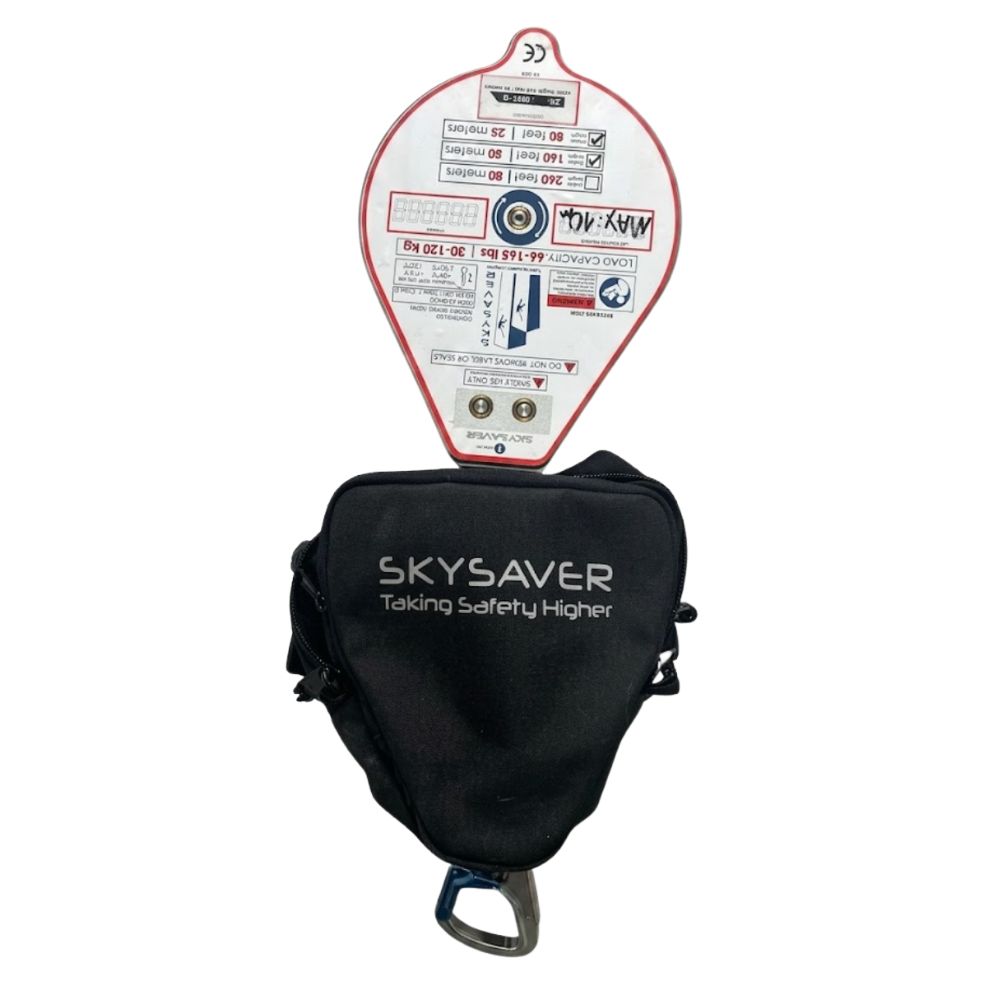
Controlled Descent Device (CDD)
External CDD unit for safe, controlled descent during high-rise emergency evacuation.