Home » KEEP SAFE THIS MEMORIAL DAY WITH FIRE SAFETY TIPS | SKYSAVER RESCUE BACKPACKS
KEEP SAFE THIS MEMORIAL DAY WITH FIRE SAFETY TIPS | SKYSAVER RESCUE BACKPACKS
Memorial Day weekend is one of the most anticipated times of the year in the United States — a moment to honor those who made the ultimate sacrifice while serving in the armed forces, gather with family and friends, and enjoy the unofficial start of summer. Cemeteries and memorials see increased visitors, parades fill city streets, and across countless backyards, the smell of charcoal and propane drifts through warm afternoon air. Barbecuing has become as synonymous with Memorial Day as the flag itself. But with the joy of outdoor grilling comes a set of very real fire hazards that every American should understand before lighting that first match of the season.
The Fire Risk Behind Holiday Grilling
Most people associate summer fires with fireworks or campfires, but grilling-related fires represent a significant and underappreciated threat. According to national fire safety data, July is the peak month for summer grilling fires, but May ranks a close second — meaning Memorial Day weekend falls squarely in one of the most dangerous periods of the year for outdoor cooking incidents. Between 2007 and 2011, an average of 7,200 home fires per year were caused by gas grills, while charcoal and solid-fuel grills contributed to approximately 1,400 additional home fires annually. These are not minor incidents — many of these fires resulted in property damage, injuries, and in tragic cases, fatalities.
Where do these fires start? More than a quarter ignite on a patio, terrace, or courtyard. Nearly thirty percent begin on a balcony or open porch. Only six percent originate in the kitchen — meaning the vast majority of grill fires erupt in the very outdoor spaces where families gather to relax and celebrate. Understanding this risk is the first step toward making your Memorial Day celebration both festive and safe. For a broader look at what causes residential and structural fires, visit our guide on major causes of fire.
Before You Fire Up the Grill: Pre-Cooking Safety Essentials
Preparation is the foundation of grill safety. Before your Memorial Day cookout begins, take time to inspect your equipment thoroughly. If you own a gas grill, check all hoses and connections for signs of wear, cracking, or leaks. Leaks were identified as the cause of 11 percent of grill structure fires and 23 percent of outside grill fires — a striking statistic that underscores how critical a simple inspection can be. Apply soapy water to hoses and watch for bubbles, which indicate a gas leak. Never attempt to light a gas grill if you suspect a leak.
Cleanliness is another pre-cookout priority that too many grillers overlook. Grease and fat buildup inside a grill can ignite unexpectedly and cause a flash fire. Nineteen percent of grill structure fires started due to failure to clean the grill — making this the single most preventable cause of grill-related fires. Remove grates, clean burner protectors, and wipe down interior surfaces before your first cookout of the season. Position your grill carefully as well. It should never be placed near deck railings, overhanging branches, wooden fences, or any structure that could catch fire. Seventeen percent of grill structure fires occurred because the grill was positioned too close to combustible materials.
During the Cookout: Staying Alert and in Control
Once the grill is lit, your responsibility does not pause. Never leave a burning grill unattended — not even briefly. Grease fires can erupt within seconds, and an unattended grill can quickly become a structure fire. Keep children at least three feet away from the grilling area at all times, and ensure that no flammable materials — lighter fluid, paper plates, fabric decorations, or dry leaves — are within reach of open flames or radiant heat. For additional context on materials that carry fire risk, our post on inflammable versus flammable materials offers a helpful explanation of these distinctions.
When using a gas grill, always open the lid before igniting the burners. Allowing gas to accumulate inside a closed grill before ignition can cause a dangerous pressure buildup or small explosion. If at any point you smell gas while cooking, move everyone away from the grill immediately, call the fire department, and do not attempt to move or relight the grill. If the flame goes out unexpectedly during cooking, turn off all burners and the gas supply, then wait at least fifteen minutes before attempting to relight. This waiting period allows accumulated gas to safely dissipate.
For charcoal grills, never use gasoline or other flammable liquids as a starter — use only products specifically designed as charcoal starters. Once the charcoal is lit, allow it to ash over completely before spreading it out to cook. Keep a fire extinguisher or a bucket of sand nearby in case of emergencies. It is also wise to know how to use your fire extinguisher properly before a crisis moment. Our article on choosing the right fire extinguisher is a valuable resource to review ahead of time.
The Human Cost of Grill Accidents
The injury statistics associated with grilling are sobering. In 2012, nearly 17,000 patients visited emergency rooms due to injuries involving grills — of whom 7,400 suffered thermal burns. In 2014, those numbers remained nearly identical, with 16,600 patients seeking emergency treatment for grilling-related injuries. Thermal burns are among the most painful and medically complex injuries a person can sustain, requiring extensive treatment, sometimes including surgery, skin grafting, and months of recovery. Children and elderly individuals are especially vulnerable to severe burn injuries.
These numbers reinforce a simple truth: grilling is not inherently dangerous, but careless grilling absolutely is. Every safety precaution outlined in this post corresponds directly to a documented cause of injury or property damage. Following these guidelines is not overcaution — it is the baseline of responsible outdoor cooking. Learning how to stay calm in an emergency situation is equally important, as panic during a grease fire or gas leak can make a bad situation far worse.
After the Cookout: Shutting Down Safely
Many grill accidents occur not during cooking but in the period immediately after. When you finish grilling on a gas grill, turn off the burners and then close the gas supply valve at the tank — never leave the gas valve open when the grill is not in use. Allow the grill to cool completely before covering it or storing it near any structure. For charcoal grills, the process requires even more care. Hot coals can retain enough heat to start a fire for many hours after cooking has finished. Never discard hot coals in a trash can, recycling bin, or near any combustible material. Instead, douse them thoroughly with water, stir them to ensure even cooling, and then douse again before disposing of them in a metal container.
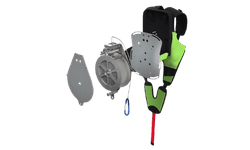
If your cookout is on an apartment balcony or in a high-rise building, the stakes are even higher. Apartment fire safety requires particular attention to grill placement and post-cookout coal disposal, as fire in a multi-story building can spread with remarkable speed and trap residents on upper floors. In those environments, having a personal evacuation solution like the SkySaver rescue backpack is an investment in survival. Designed specifically for high-rise emergency escape, the SkySaver device allows individuals to safely descend from elevated floors when stairwells become inaccessible — providing a critical safety margin during the chaotic early minutes of a building fire.
This Memorial Day, take a moment alongside your celebration to commit to fire-safe grilling practices. Honor those who served by keeping yourself, your family, and your neighbors safe. A memorable holiday should be memorable for the right reasons. Explore SkySaver’s range of emergency escape solutions and ensure your home and family are protected all year round.
Don't Wait for an Emergency to Find Your Way Out
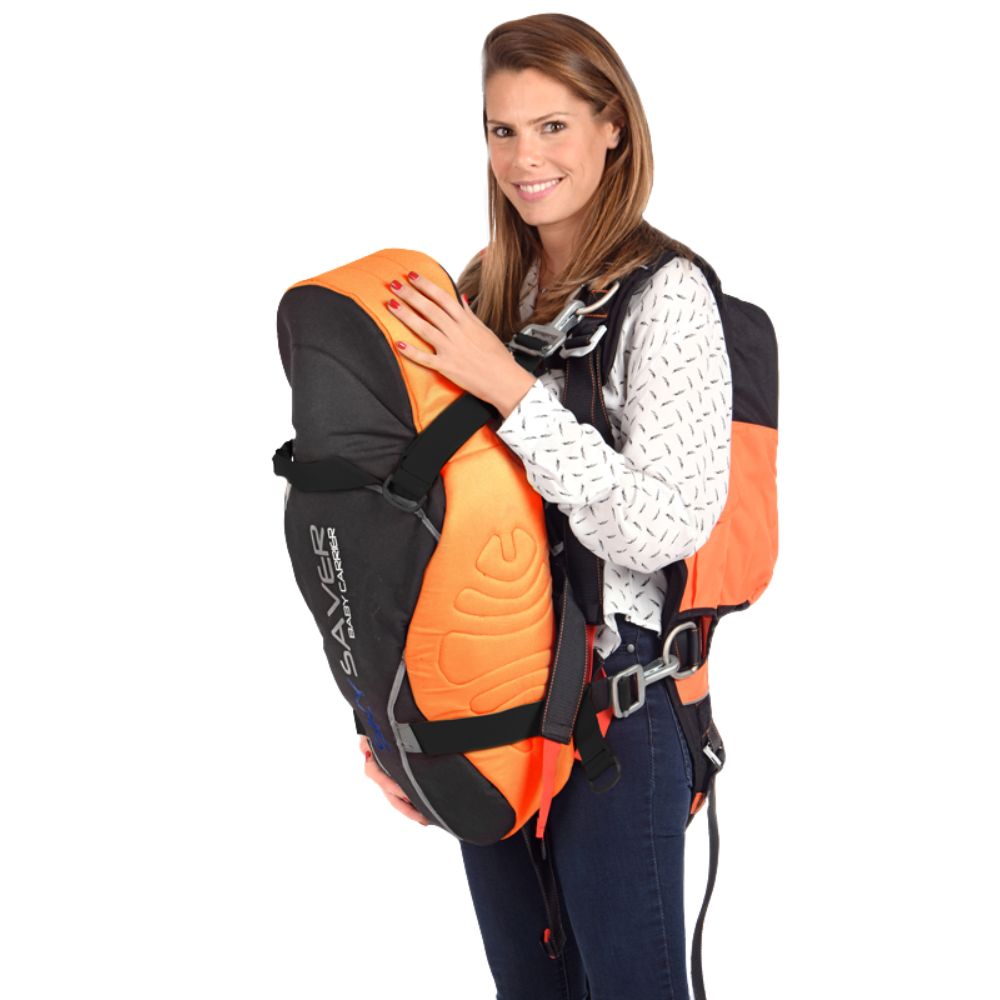
Attachable Baby Harness
Lightweight safety harness for fast and secure infant evacuation in high-rise emergencies.
$250

Parent Package
Complete emergency evacuation kit for the parent and dependant. Fast, safe descent from high-rise buildings.
$2,220–$2,650
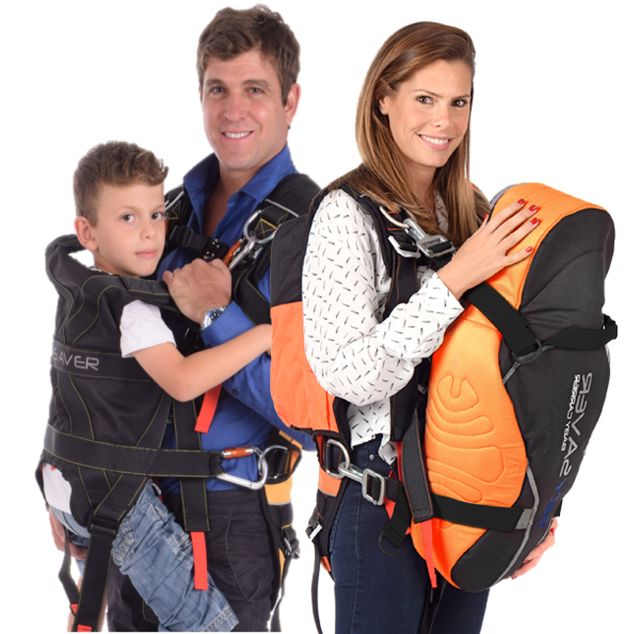
Parent Edition
Complete high-rise evacuation solution for a parent, maximum safety and fast deployment.
$671 – $2,835
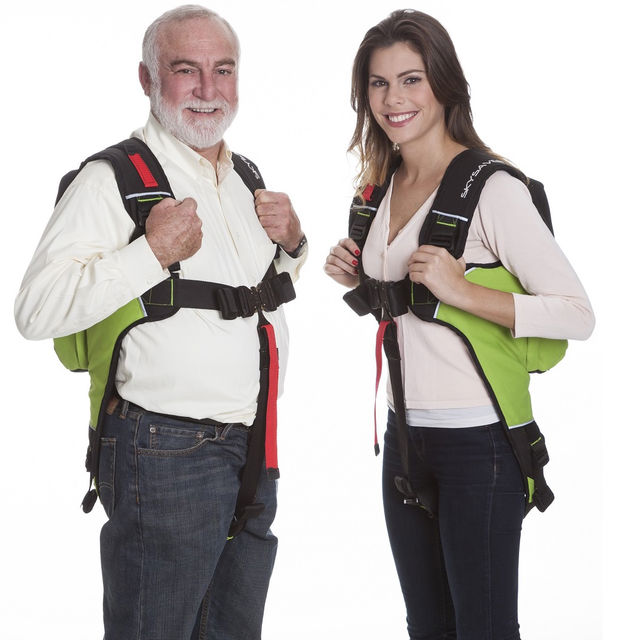
Single Self-Rescue Kit
Complete emergency evacuation kit for high-rise fast, safe descent during critical emergencies.
$596 – $2,760
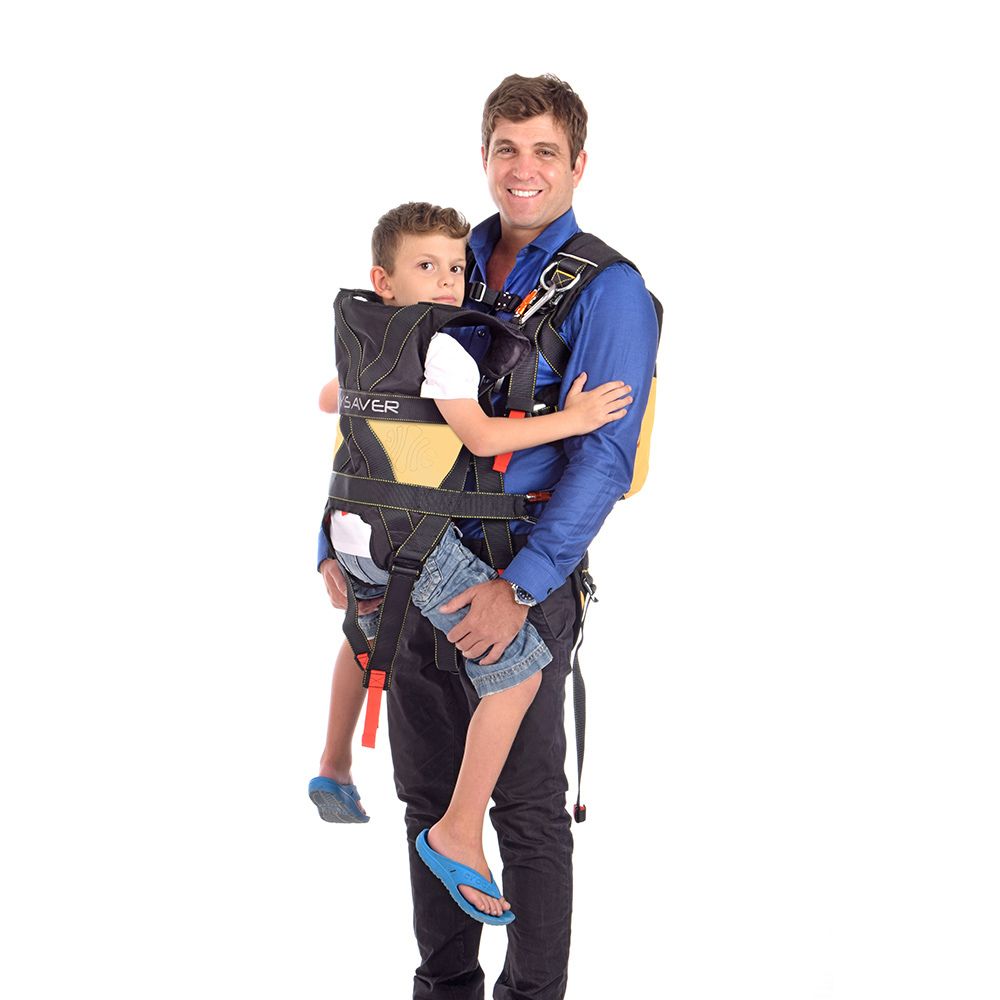
Attachable Child Harness
Lightweight child safety harness designed for secure, controlled evacuation from high-rise buildings.
$220
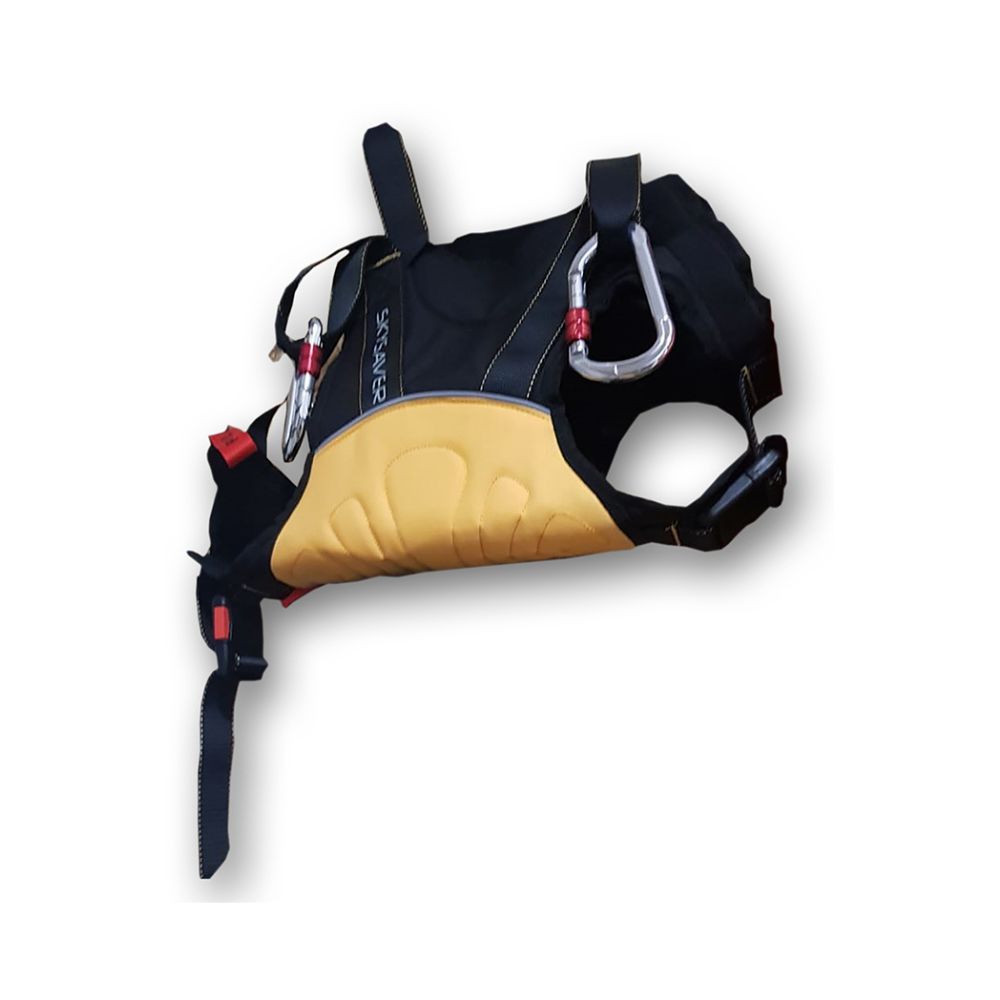
Attachable Pet Harnesses
Secure, lightweight safety harness designed for fast and controlled pet evacuation from high-rise buildings.
$200

single Self-Rescue Harnesseses
Professional external safety harness for secure personal evacuation from high-rise buildings.
$414 – $489
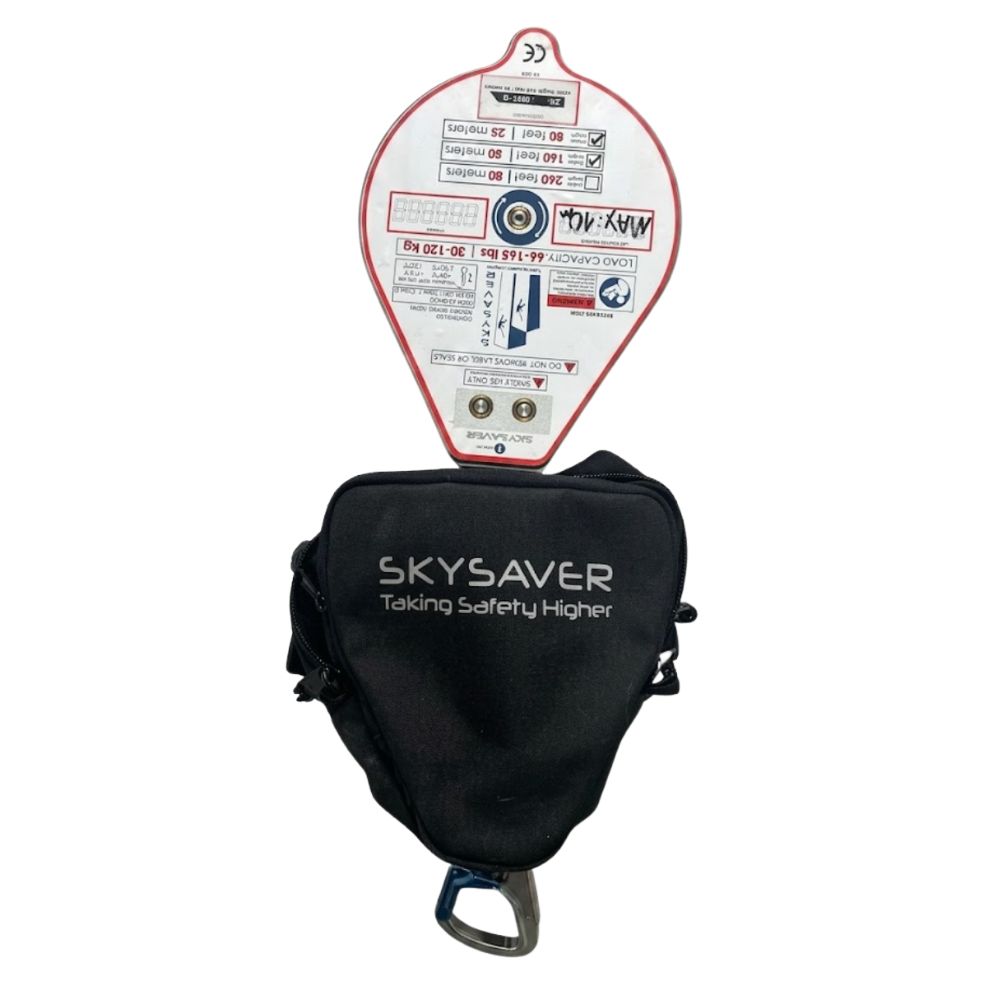
Controlled Descent Device (CDD)
External CDD unit for safe, controlled descent during high-rise emergency evacuation.