Fire doesn’t need much of an invitation. In the right conditions, substances you handle every single day can become serious hazards in a matter of seconds. According to the National Fire Protection Association, flammable and combustible liquids alone are responsible for more than 43,000 home fires each year in the United States. Those fires result in approximately 200 deaths, 2,500 injuries, and nearly $469 million in property damage annually. What makes these statistics particularly alarming is that the majority of these incidents involve products found in ordinary homes — products people use without giving fire safety a second thought.
Understanding which household substances pose a fire risk, and how to handle them responsibly, is a fundamental part of home safety. The Federal Hazardous Substances Act requires that all flammable and combustible items carry a precautionary label — but a label alone is not protection. Awareness, proper storage, and deliberate habits are what keep people safe. Below is a detailed look at common flammable substances you should never use near an open flame, along with one extraordinarily dangerous chemical that belongs in a category all its own.
Common Household Substances That Pose Serious Fire Risks

Lighter Fluid — If you own a grill, you almost certainly have lighter fluid somewhere in your garage or storage area. Most people understand on a basic level that lighter fluid is flammable, but fewer appreciate just how quickly it can escalate out of control when misused. A common and dangerous mistake is adding lighter fluid to coals that are already lit, which can cause a sudden flare-up that sends flames several feet into the air. Always apply lighter fluid to cold coals before igniting, use only the amount necessary, and keep the container well away from the grill once the coals are burning. For more on grilling fire safety, our guide to preventing grease fires offers additional practical guidance.

Nail Polish Remover — Nail polish remover is one of those products that rarely gets flagged as a fire hazard in everyday conversation, but it absolutely deserves that designation. The active ingredient in most nail polish removers is acetone, a highly volatile chemical that evaporates rapidly at room temperature and ignites easily in the presence of an open flame or even a spark. Although the volume in a typical bottle is small, acetone vapors can accumulate quickly in a poorly ventilated space. Never use nail polish remover near candles, stoves, or any other ignition source, and ensure the cap is sealed tightly when not in use.

Aerosol Cans — Most aerosol cans — hairspray, spray paint, deodorant, cooking spray — use a flammable propellant such as propane or butane to deliver their contents. This makes them doubly dangerous near open flames: the propellant itself is combustible, and the pressurized container can rupture or explode if exposed to heat. Aerosol cans should never be stored near stoves, heaters, or in direct sunlight for prolonged periods. Never spray any aerosol product near an open flame, and never attempt to puncture or incinerate an aerosol can even when empty. Residual propellant is enough to cause a dangerous explosion.

Flammable Fabrics — Most people don’t think of clothing as a fire hazard, but fabric flammability is a well-documented phenomenon with serious implications — particularly for people who cook frequently or work near open flames. Cotton, cotton-polyester blends, acrylic, and rayon are among the most combustible fabrics. They ignite more readily than nylon, wool, silk, or 100 percent polyester. Beyond fiber type, the weave matters: fine, open weaves catch fire more easily than heavier, tightly woven textiles. Loose-fitting sleeves are a particular hazard in kitchen environments, where brushing against a gas burner or reaching across a stove can ignite clothing before a person realizes what has happened. Tighter, close-fitting clothing made from less combustible materials is the safer choice when cooking with an open flame.

Rubbing Alcohol — Rubbing alcohol, or isopropyl alcohol, is a staple of most household medicine cabinets. It is used to clean wounds, sanitize surfaces, and as part of numerous home remedies. What many people don’t fully appreciate is that it is also highly flammable and vaporizes rapidly at room temperature. The EPA has documented cases where people poured rubbing alcohol in their homes to kill bedbugs, only to accidentally ignite the vapors and cause significant house fires. Never use rubbing alcohol near stoves, candles, or pilot lights. After applying it to any surface, allow the area to dry and ventilate thoroughly before introducing any flame or spark.
An Extraordinarily Dangerous Substance: Chlorine Trifluoride

Most of the substances on this list are hazardous in familiar, manageable ways. Chlorine Trifluoride occupies an entirely different category. This chemical compound is so reactive that it will spontaneously ignite almost any material it contacts — including substances that are not normally considered flammable. Historical accounts from World War II chemistry research describe Chlorine Trifluoride burning through twelve inches of concrete and a full meter of sand and gravel before finally being extinguished. In documented laboratory incidents, it reportedly set fire to a researcher’s fireproof laboratory suit. The chemical’s hazard profile was so extreme that even the German military, which was developing it as a potential incendiary weapon, declined to proceed with weaponized use. Today, it has limited industrial applications in semiconductor manufacturing, handled only under strictly controlled conditions by trained professionals. For the vast majority of people, it remains a curiosity — but one that powerfully illustrates just how extreme fire chemistry can become.
Other Common Flammables Worth Knowing

Beyond the substances discussed above, there are many other materials found in or around the typical home that carry meaningful fire risk. Gasoline, antifreeze, motor oil, and WD-40 are all combustible and should be stored well away from heat sources in tightly sealed containers. Hairspray and other hair care products contain alcohol-based propellants and should never be used near a lit candle or open flame. Massage oils with a petroleum base can ignite under sustained heat. Even seemingly harmless items like silly string, black shoe polish, and celluloid ping pong balls are flammable under the right conditions.
The broader lesson is that fire safety is not simply about keeping a fire extinguisher nearby or testing your smoke detectors — though both of those things matter enormously. It is about cultivating ongoing awareness of the materials around you and making deliberate decisions about how and where you store and use them. For anyone living in a multi-story building or high-rise, this awareness is even more critical, because fire spreads rapidly in vertical structures and evacuation routes can become inaccessible with frightening speed. Understanding how fires spread in tall buildings can help you anticipate risk and respond decisively.
Preparedness Beyond Prevention
Prevention is always the first line of defense, but responsible preparedness also means planning for the scenario where prevention fails. For residents of high-rise apartments, office towers, or any multi-story building, the SkySaver rescue backpack provides an essential additional layer of safety. Engineered for controlled descent from upper floors, the SkySaver device gives individuals the ability to exit through a window and descend safely to ground level when stairwells are blocked by smoke or fire — a situation that can occur within minutes of a fire igniting. Keeping one stored in your home or office is a straightforward step that can mean the difference between escape and entrapment.
Fire safety awareness doesn’t have to be complicated, but it does have to be consistent. Know what’s in your home, handle flammable substances with care, and ensure your building exit strategy is ready before you ever need it. Explore SkySaver’s range of emergency escape solutions and take a meaningful step toward protecting yourself and those you care about.

Attachable Baby Harness
Lightweight safety harness for fast and secure infant evacuation in high-rise emergencies.

Parent Package
Complete emergency evacuation kit for the parent and dependant. Fast, safe descent from high-rise buildings.

Parent Edition
Complete high-rise evacuation solution for a parent, maximum safety and fast deployment.

Single Self-Rescue Kit
Complete emergency evacuation kit for high-rise fast, safe descent during critical emergencies.

Attachable Child Harness
Lightweight child safety harness designed for secure, controlled evacuation from high-rise buildings.
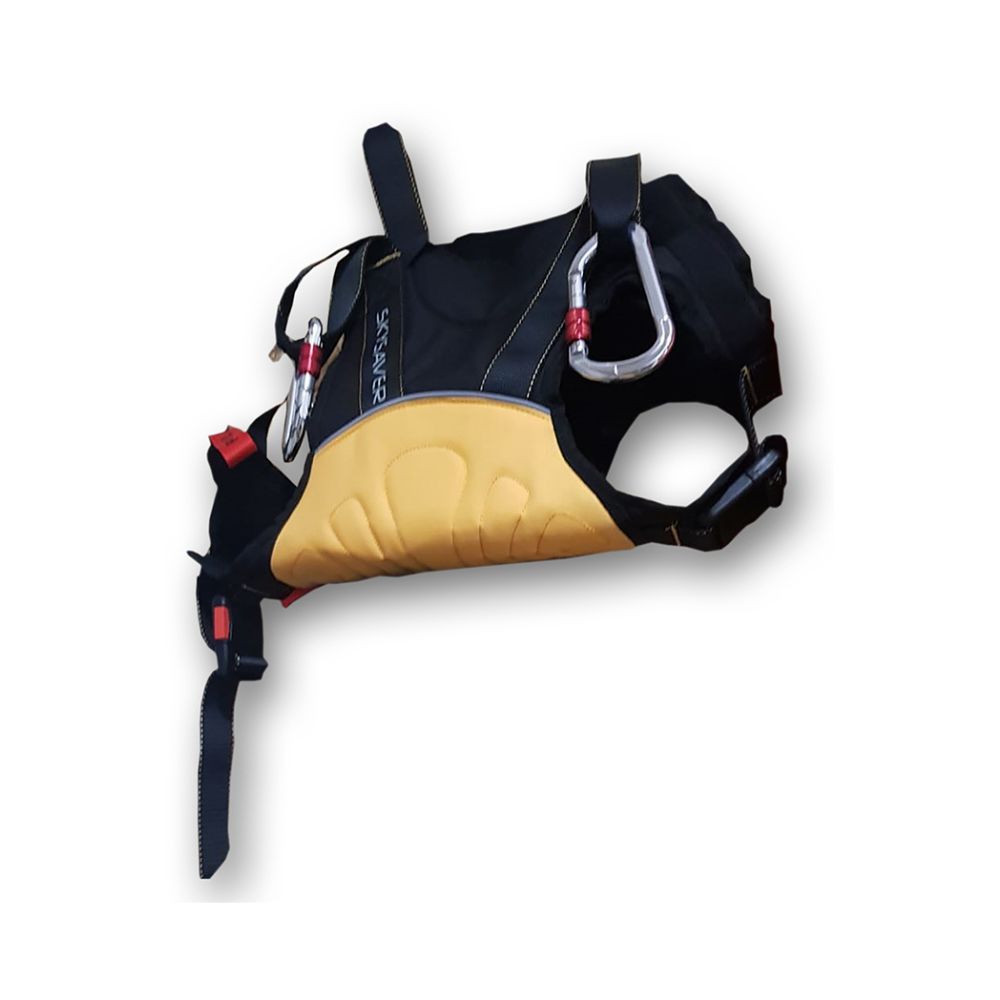
Attachable Pet Harnesses
Secure, lightweight safety harness designed for fast and controlled pet evacuation from high-rise buildings.

single Self-Rescue Harnesseses
Professional external safety harness for secure personal evacuation from high-rise buildings.
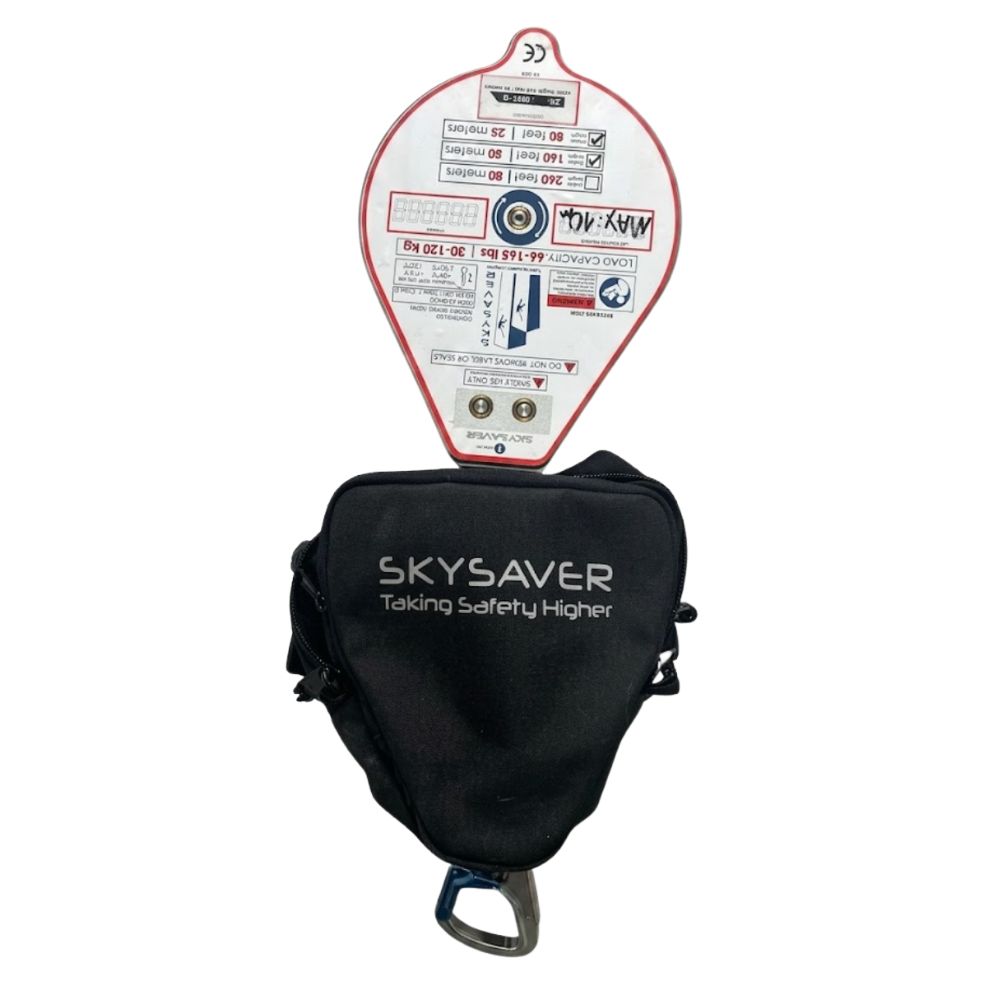
Controlled Descent Device (CDD)
External CDD unit for safe, controlled descent during high-rise emergency evacuation.