When a fire ignites inside a building, the flames are only part of the danger. What most people fail to realize is that smoke inhalation is the leading cause of death in building fires — not the fire itself. Understanding what happens to your body in a smoke-filled room is not just academic knowledge. It is survival intelligence that can mean the difference between escaping safely and becoming another statistic in a fire that should have been survivable.
Every year, thousands of people are injured or killed by smoke and toxic fumes in high-rise and residential fires around the world. The human body responds to smoke exposure in rapid, cascading stages, and knowing those stages — and how to counteract them — is essential for anyone who lives or works in a multi-story building.
The First Seconds: How Smoke Attacks Your Respiratory System
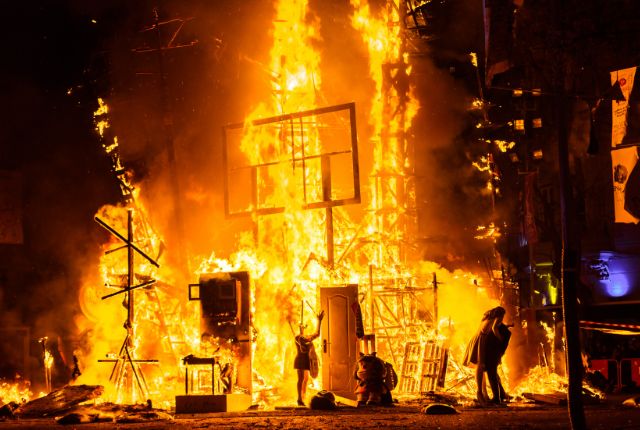
The moment you inhale smoke, your body enters a state of chemical assault. Smoke from a building fire is not simply hot air — it is a toxic cocktail of particulate matter, carbon monoxide, hydrogen cyanide, acrolein, and dozens of other poisonous compounds released by burning synthetic materials such as carpets, furniture, plastics, and insulation. Each of these substances attacks the body through a different mechanism, and together they can overwhelm even a healthy person in a matter of minutes.
The first reaction is irritation. Your eyes burn, your throat constricts, and your lungs begin to spasm in an effort to expel the foreign particles. Coughing becomes violent and involuntary. Within thirty to sixty seconds of heavy smoke exposure, visibility drops to near zero. This is the moment when disorientation sets in — a critical factor in why so many fire victims are found just meters from an exit they could not see.
Carbon Monoxide: The Silent Killer in Every Fire
Carbon monoxide is produced in virtually every building fire, and it is arguably the most dangerous component of smoke. It is colorless, odorless, and binds to hemoglobin in your blood approximately two hundred times more effectively than oxygen. This means that even small concentrations of carbon monoxide can rapidly displace the oxygen your organs and brain need to function. Within two to three minutes of breathing air with elevated carbon monoxide levels, you may experience confusion, dizziness, and impaired judgment — the very faculties you need most to navigate an escape. This is why understanding how fires spread in tall buildings and how quickly smoke can fill a corridor is essential preparation for anyone in a high-rise environment.
The Body Under Siege: What Happens After Two Minutes
If exposure continues beyond the initial seconds, the consequences escalate rapidly. Hydrogen cyanide — released when synthetic materials burn — inhibits cellular respiration at the mitochondrial level. In simple terms, even if oxygen were available, your cells lose the ability to use it. Combined with carbon monoxide poisoning, this creates a dual mechanism of suffocation that can render a person unconscious in under five minutes.
Heat is another factor that compounds the damage. Superheated smoke — which can reach temperatures of several hundred degrees — causes thermal burns to the airway, swelling the tissues of the throat and bronchial tubes. This swelling can obstruct breathing entirely, even after the victim has been removed from the smoke-filled environment. Emergency physicians call this delayed airway compromise, and it is one of the reasons why smoke inhalation victims sometimes deteriorate hours after the initial exposure.
The Psychological Impact: Panic and Cognitive Failure
Beyond the physical effects, smoke exposure triggers profound psychological responses. Reduced oxygen and elevated carbon monoxide levels impair the prefrontal cortex — the part of your brain responsible for planning, decision-making, and rational thought. In a smoke-filled room, the very organ you need to guide you to safety is compromised. Panic sets in, spatial awareness collapses, and the fight-or-flight response can cause people to make irrational choices, such as running back into a burning area or hiding in rooms with no exit.
This cognitive degradation is why knowing how to behave during a fire must be internalized before an emergency occurs. Relying on clear thinking during a crisis is unreliable; relying on practiced, rehearsed responses is what saves lives.
How to Protect Yourself: Preparation Over Reaction
The science of smoke survival points to one overwhelming conclusion: you must minimize your exposure time. Every second spent in a smoke-filled environment compounds the physiological damage. The most effective strategy is rapid evacuation — getting out of the building before smoke concentrations reach dangerous levels.
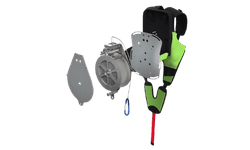
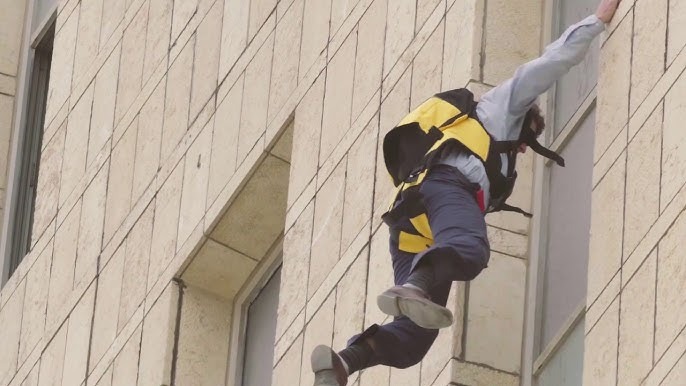
If standard exits are blocked, having a personal evacuation device becomes not merely useful but potentially life-saving. The SkySaver rescue backpack is engineered for exactly these scenarios. It enables controlled descent from a window or balcony in a matter of seconds — bypassing smoke-filled corridors, crowded stairwells, and compromised exit routes entirely. The three-step process — buckle up, clip to the anchor, descend — requires no training and can be performed even under the stress and cognitive impairment that smoke exposure causes.
SkySaver devices are certified by ASTM, ANSI, CE, TUV, and NFPA, and are designed for use by anyone, including children and elderly residents. For families in high-rise apartments, the SkySaver product range includes dedicated harnesses for infants and pets, ensuring that no family member is left behind when seconds matter most.
The science is clear: smoke kills faster than fire, and it kills by robbing you of the very abilities you need to save yourself. The responsible response is not to hope that it will never happen, but to prepare as though it could happen tomorrow. Explore how SkySaver can become your family’s first line of defense, and take the step from awareness to action today.