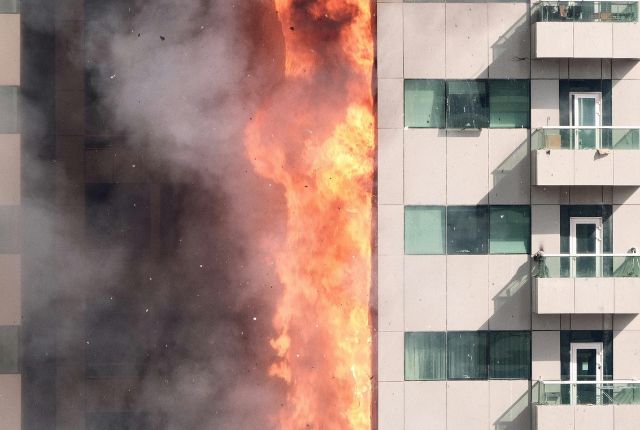
The Grenfell Tower fire of June 14, 2017, stands as one of the most significant events in the modern history of building fire safety. The fire, which claimed 72 lives in a 24-story residential tower in west London, exposed systemic failures in building regulation, construction practices, emergency response, and resident communication that had developed over decades. The subsequent public inquiry, criminal investigations, and worldwide policy response have produced a body of lessons that every high-rise resident, building manager, and fire safety professional should understand. These lessons are not merely historical — they are actionable insights that can prevent similar tragedies and save lives in high-rise buildings around the world.
What made the Grenfell disaster so shocking was not just the scale of the loss of life, but the revelation that a series of individually recognizable failures — each of which might have been caught and corrected — combined to produce a catastrophe that many experts had warned was possible. The fire exposed a gap between the safety that residents believed they had and the safety they actually had, a gap created by combustible materials that should never have been used, regulatory processes that failed to prevent their use, and emergency procedures that proved fatally inadequate when the building’s assumed fire resistance was defeated.
The Cladding Crisis: Combustible Materials on High-Rise Buildings
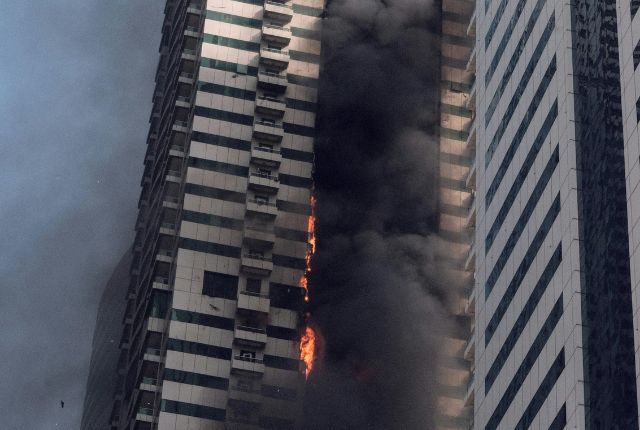
The primary physical cause of the Grenfell fire’s rapid spread was the building’s exterior cladding system. During a renovation completed in 2016, Grenfell Tower was fitted with aluminum composite panels with a polyethylene core and combustible insulation. These materials, installed on the outside of the building, created a continuous pathway for fire to spread vertically and horizontally across the facade, bypassing the fire compartmentalization that was supposed to contain the fire to its apartment of origin.
The lesson here is profound and direct: the materials used on the outside of a building are as important to fire safety as the materials used inside. Before Grenfell, exterior cladding was often treated primarily as an aesthetic and thermal performance element, with fire performance receiving insufficient attention in many jurisdictions. The post-Grenfell investigation revealed that the cladding system used on the tower had failed fire safety tests, but inadequate regulatory processes allowed it to be specified and installed nonetheless. Since Grenfell, countries including the UK, Australia, and the UAE have launched massive programs to identify and remediate buildings with combustible cladding, but the scale of the problem means that many buildings remain at risk.
The Stay-Put Policy: When Safety Advice Becomes Deadly
One of the most agonizing aspects of the Grenfell tragedy was the failure of the building’s official evacuation advice. Grenfell Tower, like many UK high-rise buildings, operated under a “stay put” policy: residents were advised that in the event of a fire, they should remain in their apartments unless their own unit was directly affected. This advice was based on the principle of fire compartmentalization — the assumption that fire-rated walls, floors, and doors would contain a fire to the apartment of origin for long enough for firefighters to extinguish it.
When the external cladding fire defeated the compartmentalization strategy, the stay-put advice became fatally misleading. Residents who followed the official guidance and remained in their apartments found themselves trapped as smoke and heat penetrated from the exterior. The fire brigade maintained the stay-put advice for a period even after it became clear that the building’s compartmentalization had been compromised, delaying the decision to evacuate the building. The inquiry found that an earlier decision to change from stay-put to full evacuation would likely have saved lives.
For high-rise residents everywhere, the Grenfell lesson about stay-put policies is critically important: understand your building’s evacuation strategy, but also maintain independent judgment about when conditions require you to override official advice and evacuate on your own initiative. No policy can account for every scenario, and the ability to assess your own situation and make informed decisions is an essential component of personal fire safety.
The Importance of Multiple Escape Routes
Grenfell Tower had a single stairwell serving all 24 floors — a design common in many UK social housing towers of its era. When that stairwell became compromised by smoke, residents above the fire had no alternative route to the ground. This single-stairwell design, combined with the failure of compartmentalization, created a situation where dozens of residents found themselves with no viable means of escape.
The lesson is clear: in any high-rise building, residents should identify all possible evacuation routes and understand the limitations of the building’s design. In buildings with only one stairwell, the importance of personal evacuation alternatives becomes paramount. A personal descent device like the SkySaver rescue backpack provides an evacuation route that is independent of the building’s internal infrastructure — a capability that becomes invaluable when the building’s single stairwell is the only conventional option and it becomes unusable.
Communication Failures and the Need for Better Systems
The Grenfell inquiry revealed significant failures in communication during the fire. The building’s fire alarm was a single-point alarm system that alerted only the apartment where the alarm was triggered, not the entire building. There was no building-wide public address system to communicate evacuation instructions. Information flow between the fire brigade, building management, and residents was inadequate, with many residents receiving no official communication about the developing emergency.
Modern fire detection and communication technology can address many of these shortcomings. Building-wide addressable alarm systems, emergency voice communication systems, and smartphone-based notification platforms can ensure that every resident receives timely, accurate information during an emergency. For buildings that lack these systems, the lesson is that residents must take personal responsibility for staying informed — maintaining their own smoke detectors, being alert to signs of fire, and not relying solely on building systems to warn them of danger.
Regulatory Reform: The Post-Grenfell Transformation
The aftermath of Grenfell has driven the most significant transformation in building fire safety regulation in a generation. The UK government has established a new Building Safety Regulator, introduced the Building Safety Act 2022, and mandated the identification and remediation of all buildings over 18 meters with combustible cladding. The public inquiry’s findings have influenced regulatory changes in dozens of countries, prompting reviews of cladding standards, fire testing procedures, and building inspection practices worldwide.
These reforms represent genuine progress, but they also underscore a troubling reality: systemic safety improvements take years or decades to fully implement, while fire can strike at any moment. For the millions of people who currently live in buildings that may not yet meet updated standards, the gap between aspiration and reality can only be bridged by personal preparedness.
Honoring the Legacy of Grenfell
The 72 people who died at Grenfell Tower deserve to be remembered not only with grief but with action. The most meaningful tribute to their memory is the commitment to ensure that the failures that caused their deaths are never repeated. For building managers, this means rigorous maintenance and honest assessment of fire safety systems. For policymakers, it means robust regulation and effective enforcement. And for every high-rise resident, it means taking personal responsibility for understanding the fire safety features of your building, preparing an evacuation plan, and having the knowledge and equipment to protect yourself and your family. The lessons of Grenfell are clear. The question is whether we will have the resolve to act on them.