The fire safety of a high-rise building depends on more than its physical systems — sprinklers, alarms, and stairwells are only as effective as the human culture that maintains, understands, and activates them. Building managers occupy a uniquely influential position in this equation. They are the bridge between the building’s engineered safety features and the hundreds or thousands of people who depend on them. A building manager who cultivates a strong fire safety culture transforms a collection of individual residents into a prepared community where everyone understands their role, knows their options, and is ready to act when an emergency occurs.
The concept of fire safety culture goes far beyond regulatory compliance. A building can meet every code requirement and still have a weak safety culture if residents are unaware of evacuation procedures, if fire doors are routinely propped open, or if alarm activations are treated as nuisances rather than potential emergencies. Building managers who recognize this gap between compliance and culture can make transformative improvements in their building’s actual fire safety — improvements that cost relatively little but deliver enormous returns in resident protection.
Regular Fire Drills: Making Practice the Norm
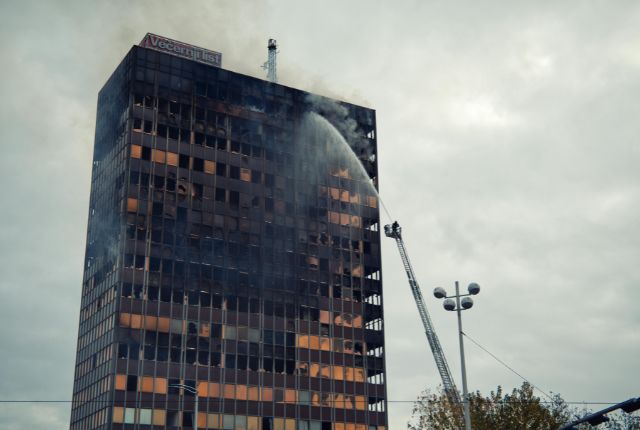
The single most effective action a building manager can take to improve fire safety culture is to conduct regular, well-organized fire drills. In many high-rise residential buildings, fire drills are rare or nonexistent. Residents may live in a building for years without ever practicing an evacuation. When a real emergency occurs, these unpracticed residents must navigate stairwells they have never walked, locate exits they have never used, and make decisions they have never rehearsed.
Effective fire drills go beyond simply sounding the alarm. The best building managers design drills that simulate realistic scenarios — blocking one stairwell to practice using alternatives, conducting drills at different times of day, and including scenarios where residents must make shelter-in-place decisions. Post-drill debriefings that gather feedback from residents provide valuable insights. Buildings that conduct drills at least twice per year consistently show faster evacuation times and calmer resident behavior during actual emergencies.
Communication: The Foundation of Safety Culture
Fire safety culture thrives on clear, consistent, and accessible communication. Building managers should ensure that every resident has access to basic fire safety information including the location of all stairwells and exits, the building’s evacuation procedures, the meaning of different alarm signals, and guidance on when to evacuate versus shelter in place. This information should be provided at move-in, posted in common areas, and refreshed annually.
Digital communication tools have made fire safety messaging more accessible than ever. Building apps, email lists, and text message systems allow managers to reach all residents simultaneously with safety reminders and real-time emergency updates. The goal is to make fire safety a normal, ongoing part of the building’s community conversation rather than a topic that only arises after an incident.
Maintaining Building Systems with Visible Accountability
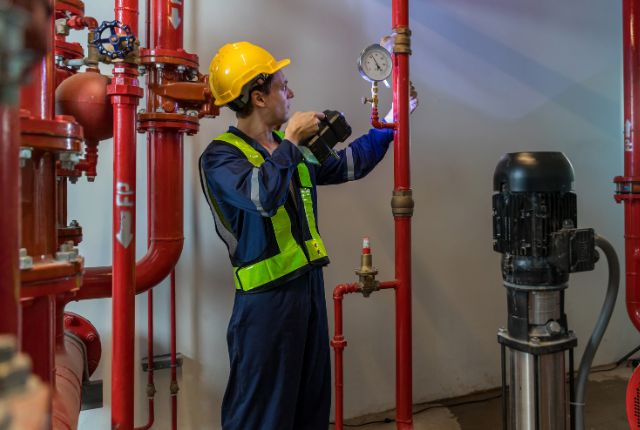
Residents develop confidence in their building’s fire safety when they can see that systems are being actively maintained. Building managers who make maintenance visible — posting inspection schedules in lobbies, sharing annual fire safety reports, and promptly addressing reported issues — build trust that encourages engagement with safety culture. Conversely, visible neglect — expired fire extinguisher tags, malfunctioning alarms, or broken emergency lighting — sends a powerful negative message.
Proactive building managers engage residents as partners by establishing clear reporting channels for fire safety concerns. A resident who notices a fire door propped open or a blocked stairwell should have an easy, responsive way to report the issue. When reports are acknowledged promptly, residents learn that their vigilance is valued.
Floor Wardens and Safety Champions
One of the most effective strategies for building fire safety culture is the floor warden system. Floor wardens are volunteer residents who take on responsibility for fire safety coordination on their floor. They receive additional training in evacuation procedures, fire extinguisher use, and emergency communication. During emergencies, they serve as points of contact, helping organize evacuation, assist vulnerable neighbors, and communicate with management.
The value of floor wardens extends beyond emergencies. Their daily presence — reminding neighbors about fire door discipline, sharing safety tips, and modeling preparedness behavior — creates a distributed network of safety awareness. Building managers who invest in floor wardens see measurable improvements in safety awareness across their buildings.
Encouraging Personal Preparedness
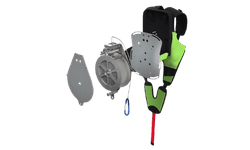
Building managers can enhance their community’s fire safety by actively encouraging personal preparedness. Progressive managers organize information sessions about personal emergency equipment, facilitate group purchases of smoke detectors, and provide guidance on family evacuation planning. Some buildings have partnered with safety equipment providers to offer residents access to personal evacuation devices like the SkySaver rescue backpack at negotiated rates.
The key to encouraging personal preparedness is normalizing it. When fire safety equipment and planning are presented as standard features of responsible high-rise living — similar to home insurance or a first aid kit — residents are more likely to invest in their own safety.
Measuring and Celebrating Safety Culture
Fire safety culture benefits from measurement and recognition. Building managers should track metrics such as drill participation rates, average evacuation times, and resident-reported safety concerns. Sharing these metrics with the community — and celebrating improvements — reinforces the message that safety is a shared priority. The high-rise building with the strongest fire safety culture is not the one with the most expensive systems, but the one where every resident feels responsible for the safety of their community.