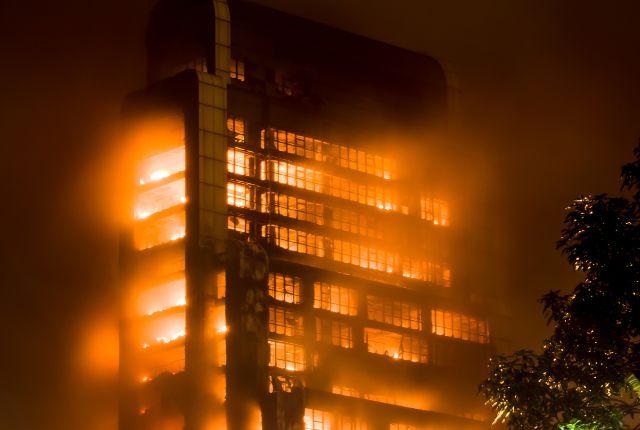
A high-rise building in Tokyo, a residential tower in Dubai, and an apartment complex in New York City may look similar from the outside, but the fire safety standards governing their construction can be dramatically different. Building codes — the regulatory frameworks that dictate how structures must be designed, built, and maintained — vary enormously from country to country, and sometimes from city to city within the same nation. These differences have profound implications for the safety of the hundreds of millions of people who live and work in high-rise buildings worldwide, and understanding them is essential for anyone who wants to make informed decisions about their personal fire safety.
The evolution of building fire safety codes is largely a history written in tragedy. Major code changes almost always follow catastrophic fires that expose gaps in existing regulations. The Triangle Shirtwaist Factory fire of 1911 transformed building codes in the United States. The Grenfell Tower fire of 2017 triggered sweeping reforms across the United Kingdom and Europe. Each disaster reveals vulnerabilities that code writers then work to address, creating a global patchwork of regulations that reflect each region’s unique history of fire events, construction traditions, and regulatory philosophy.
North American Fire Safety Codes: The Prescriptive Tradition
The United States and Canada employ what is known as a prescriptive approach to fire safety building codes. This means that the codes specify exactly what materials, systems, and configurations must be used in building construction. The International Building Code (IBC), adopted with local modifications throughout most of the United States, sets detailed requirements for fire-resistant construction materials, sprinkler system installation, smoke detector placement, stairwell design, and emergency lighting. Buildings above a certain height — typically 75 feet — are classified as high-rise and must meet additional requirements including standpipe systems for firefighter access, fire command centers, and emergency voice communication systems.
The strength of the North American prescriptive approach lies in its specificity. Builders know exactly what is required, inspectors have clear criteria to evaluate, and there is relatively little ambiguity about compliance. However, this specificity can also be a limitation. Prescriptive codes can be slow to adapt to new construction methods and technologies, and they may not always account for the unique characteristics of individual buildings. A prescriptive code that requires sprinklers on every floor may not differentiate between a building with open floor plans and one with complex compartmentalization, even though the fire spread dynamics in these two configurations are very different.
European Performance-Based Codes: Flexibility and Complexity
Many European countries, particularly the United Kingdom, Scandinavia, and Germany, have moved toward performance-based fire safety codes. Rather than prescribing specific materials and systems, these codes define the outcomes that a building’s fire safety design must achieve. A building must be able to resist fire spread for a specified period, maintain tenable conditions in evacuation routes for a defined time, and enable occupants to reach safety before conditions become life-threatening. How the building achieves these performance targets is left to the design team, allowing for innovative solutions tailored to each project.
The performance-based approach offers significant advantages in design flexibility, particularly for architecturally complex buildings where prescriptive codes might be difficult to apply. However, it also places greater responsibility on fire engineers and designers to demonstrate that their solutions meet the required performance standards. The Grenfell Tower disaster exposed a critical weakness in this approach: when the performance assessment process breaks down — through inadequate testing, poor communication, or regulatory gaps — the consequences can be catastrophic. Since Grenfell, the UK has significantly strengthened its regulatory oversight and introduced more prescriptive requirements for high-rise residential building cladding and insulation.
Middle Eastern and Asian Rapid Growth Challenges
The Middle East and parts of Asia present a unique fire safety challenge: rapid construction of extremely tall buildings in environments where building code enforcement infrastructure is still maturing. Cities like Dubai, Doha, and Riyadh have seen explosive growth in high-rise construction, with buildings reaching heights and densities that push the boundaries of fire safety engineering. While these countries have adopted modern building codes — many based on the IBC or British Standards — the pace of construction has sometimes outstripped the capacity for thorough code enforcement and inspection.
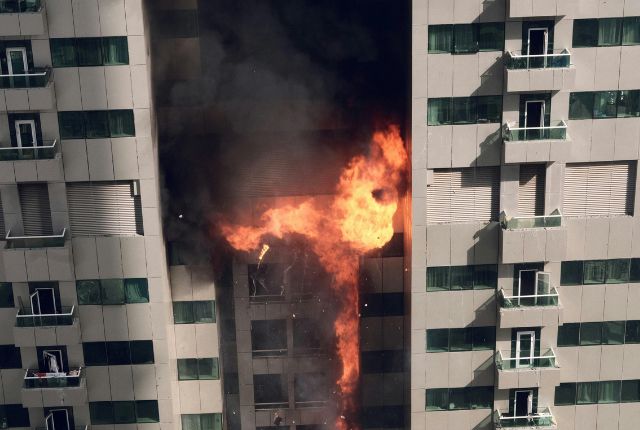
Several high-profile facade fires in the Middle East — including incidents involving residential towers — have highlighted the gap between code requirements and on-the-ground construction practices. Combustible cladding materials that would not pass current code requirements in the US or post-Grenfell UK were used extensively in buildings constructed during the rapid growth period. Many of these buildings remain occupied, creating an ongoing fire safety concern that building owners and residents must address through retrofit programs and enhanced personal preparedness. For residents of these buildings, having personal evacuation equipment is particularly important given the potential vulnerabilities in the building’s fire protection systems.
Japan: Engineering for Multiple Hazards
Japan stands apart in the global building code landscape because its codes must address the simultaneous risks of fire and earthquakes. Japanese building codes integrate fire safety with seismic design in ways that other countries’ codes do not, recognizing that earthquakes and fires frequently occur together. The Building Standards Act of Japan requires fire-resistant construction for buildings above specified heights, with additional requirements for earthquake-prone zones that address the fire risks created by seismic events — ruptured gas lines, electrical failures, and compromised fire suppression systems.
Japanese codes also place exceptional emphasis on evacuation design, reflecting both the country’s dense urban environment and its cultural commitment to collective safety. High-rise buildings in Japan typically feature wider stairwells, more evacuation routes, and more sophisticated fire compartmentalization than comparable buildings in other countries. The result is a built environment where high-rise fire safety is among the best in the world, though the codes impose construction costs that are correspondingly higher than in jurisdictions with less stringent requirements.
What Different Codes Mean for Residents
For people who live or work in high-rise buildings, the practical implications of these code differences are significant. A building constructed in a jurisdiction with strict sprinkler requirements offers a different level of protection than one built where sprinklers are optional or not required. A building designed under performance-based codes may have innovative safety features — or it may rely on design assumptions that have not been tested by real fire conditions. The age of a building matters enormously: codes are regularly updated, but existing buildings are typically only required to meet the codes in effect when they were built, which may be decades out of date.
Understanding your building’s fire safety features — and their limitations — is the first step toward effective personal preparedness. Ask your building management about the fire safety systems in place: Are there sprinklers throughout the building? When were the fire alarms last tested? Are stairwells pressurized to keep smoke out? What is the building’s evacuation procedure? The answers to these questions will reveal how well your building’s fire safety design protects you, and where personal preparedness must fill the gaps that the building code, whatever it may be, does not address.
The Push Toward Global Harmonization
The international fire safety community is working toward greater harmonization of building codes, recognizing that the increasingly global nature of construction — with international architects, engineers, and contractors working across borders — demands greater consistency in safety standards. Organizations like the International Code Council and the International Organization for Standardization are developing frameworks that countries can adopt and adapt. However, full harmonization remains distant, as building codes are deeply intertwined with local construction practices, climate conditions, and regulatory cultures. Until that convergence is achieved, personal preparedness remains the universal standard that every high-rise resident can adopt, regardless of which building code governs their home.

Attachable Baby Harness
Lightweight safety harness for fast and secure infant evacuation in high-rise emergencies.
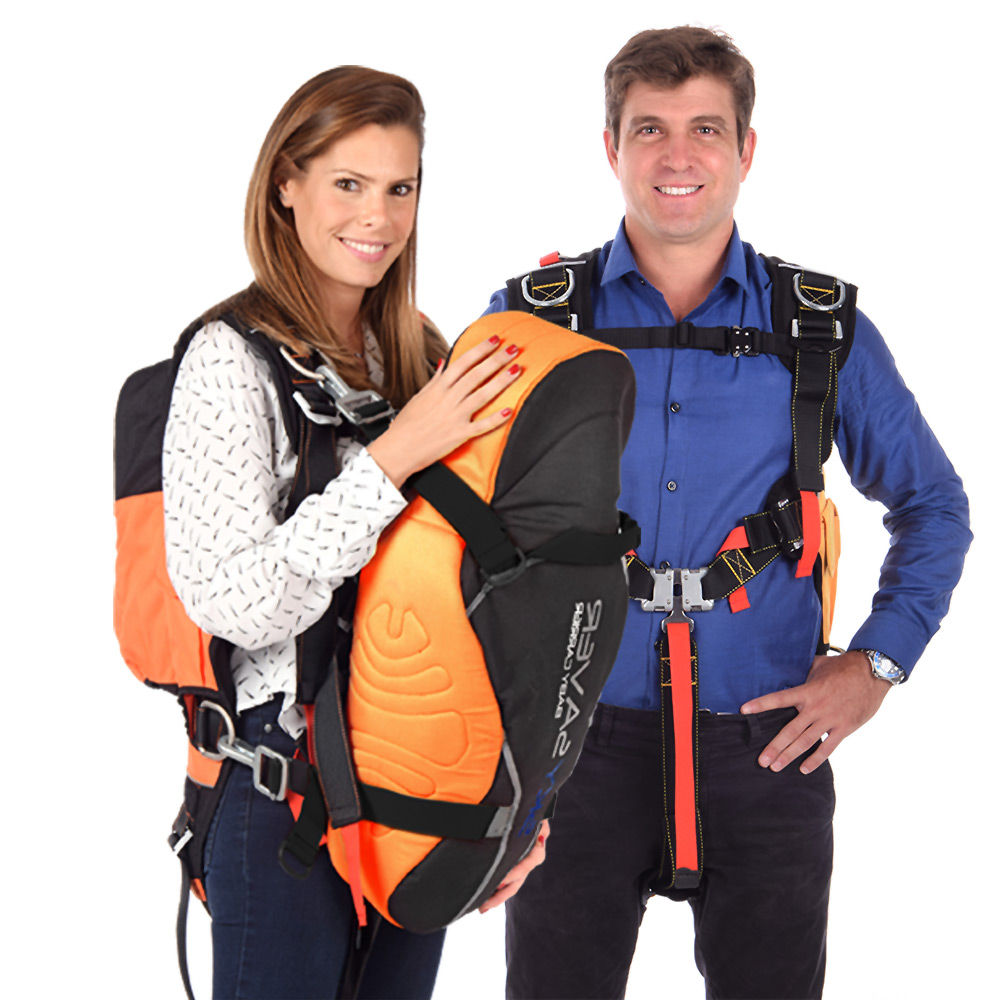
Parent Package
Complete emergency evacuation kit for the parent and dependant. Fast, safe descent from high-rise buildings.
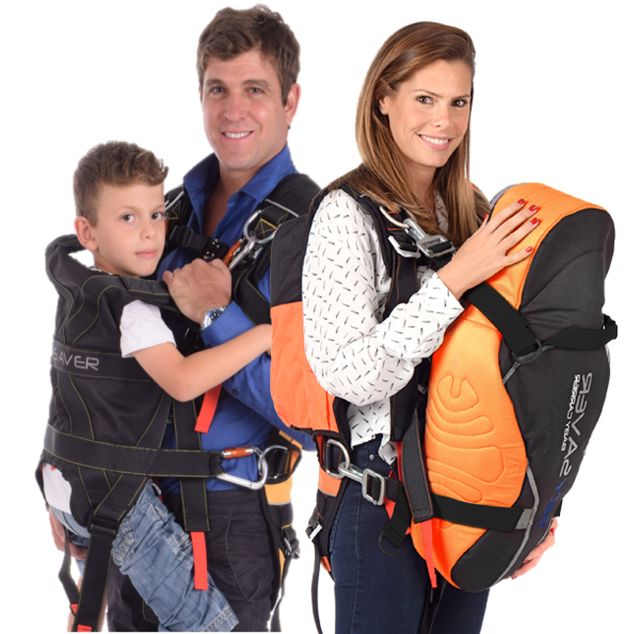
Parent Edition
Complete high-rise evacuation solution for a parent, maximum safety and fast deployment.
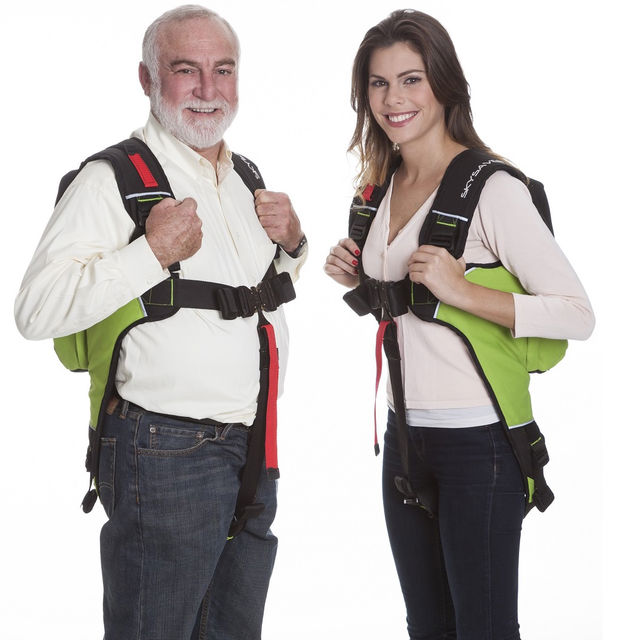
Single Self-Rescue Kit
Complete emergency evacuation kit for high-rise fast, safe descent during critical emergencies.
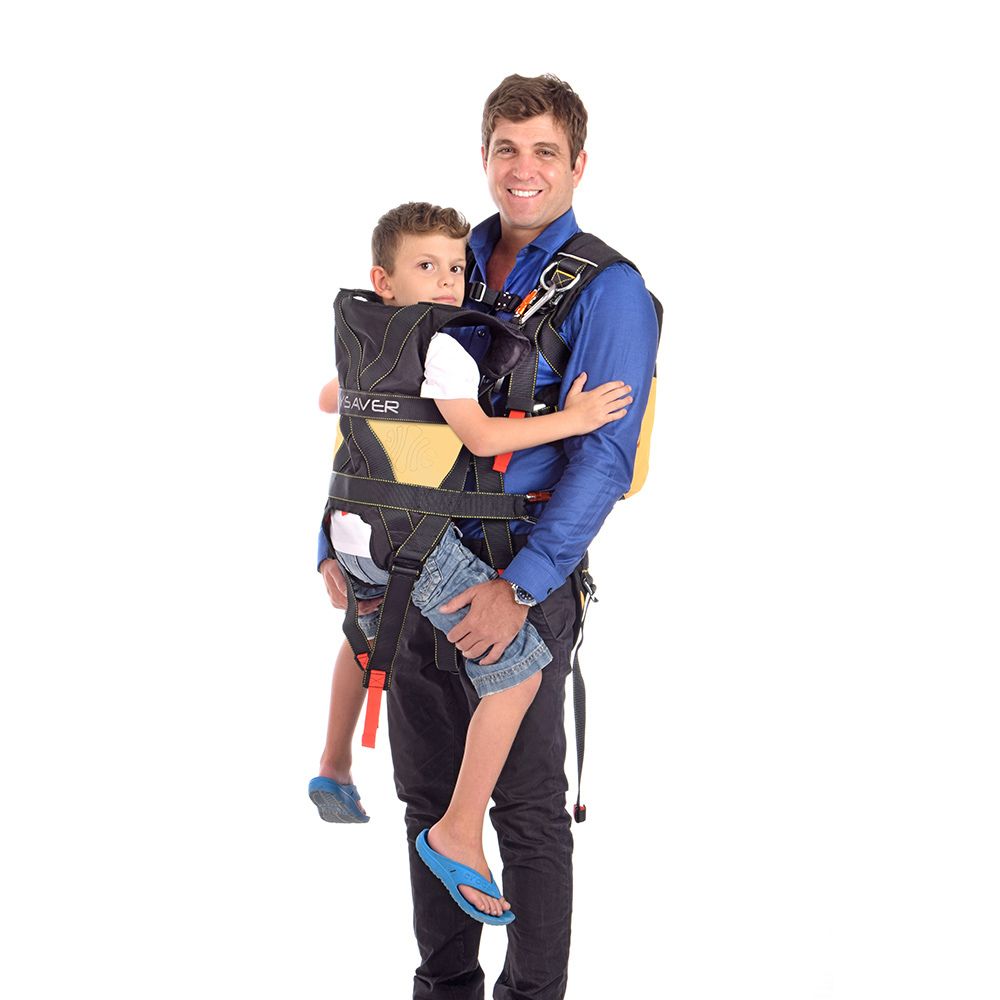
Attachable Child Harness
Lightweight child safety harness designed for secure, controlled evacuation from high-rise buildings.
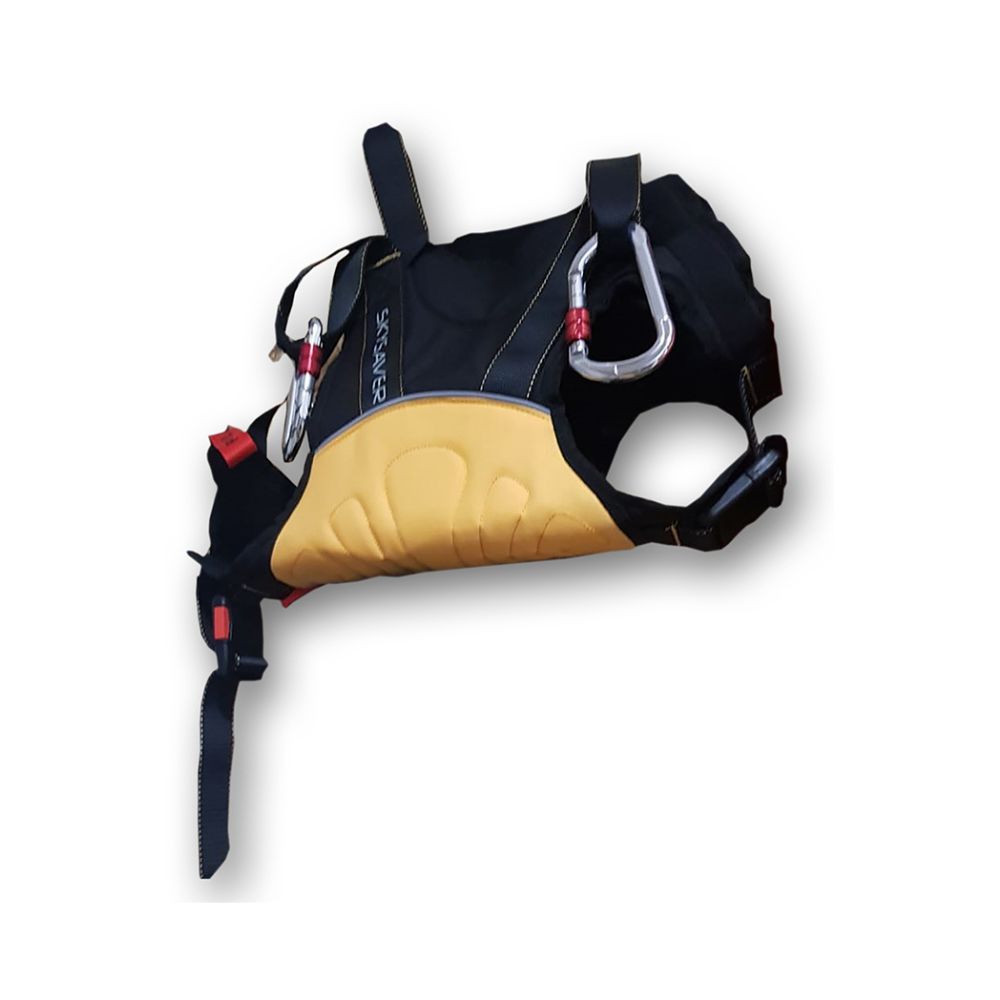
Attachable Pet Harnesses
Secure, lightweight safety harness designed for fast and controlled pet evacuation from high-rise buildings.

single Self-Rescue Harnesseses
Professional external safety harness for secure personal evacuation from high-rise buildings.
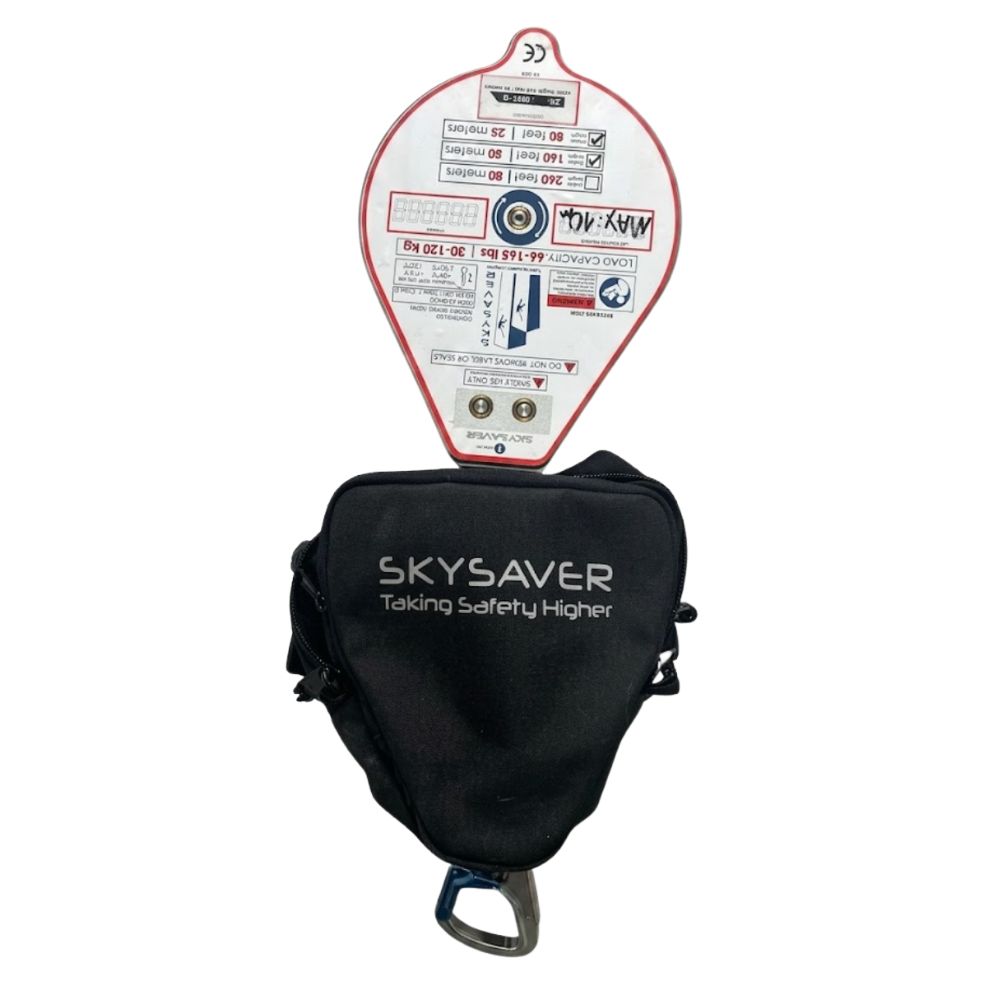
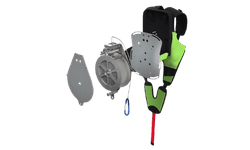
Controlled Descent Device (CDD)
External CDD unit for safe, controlled descent during high-rise emergency evacuation.