Every year in the United States, more than 2,500 people die in fires, and the overwhelming majority of those deaths — roughly eight out of ten — occur in residential settings. Homes, apartments, and condominiums are where Americans feel safest, yet they are also where fire poses its greatest statistical threat. Against this backdrop, one question becomes increasingly pressing for homeowners and renters alike: should I install fire sprinklers? The evidence, as this article will explore, makes a compelling case that for many households, the answer is yes.

How Fire Sprinklers Work — and Why They Are So Effective
There is a persistent and widespread misconception that fire sprinklers work like the systems you see in movie scenes — where a single trigger causes every sprinkler in a building to simultaneously drench everything in sight. In reality, residential fire sprinkler systems are elegantly simple and remarkably targeted. Each individual sprinkler head responds independently to heat in its immediate vicinity, activating only when temperatures in that specific area reach between 135 and 165 degrees Fahrenheit. This means that in a typical house fire, only the one or two sprinklers closest to the fire will activate — dramatically reducing water damage to the rest of the home while concentrating suppression exactly where it is needed.
This heat-triggered activation mechanism is crucial to understanding why sprinklers so dramatically outperform smoke alarms as a life-safety tool. A smoke alarm performs an essential function — it alerts occupants to the presence of fire — but it cannot act on that detection. It can only warn. A fire sprinkler system, by contrast, does not wait for human response. It intervenes autonomously, applying water directly to the fire before flames, heat, and toxic gases have time to spread through the structure. According to the National Fire Protection Association, residential sprinklers reduce the risk of dying in a home fire by approximately 80 percent when compared to homes equipped with only smoke alarms. That figure alone is reason enough to take the question seriously.
Debunking Common Myths About Residential Sprinklers
Despite decades of evidence supporting their effectiveness, fire sprinklers remain underutilized in American homes, largely due to persistent myths that cloud the public’s understanding. The most common objection is cost — many homeowners assume that installing a residential sprinkler system is prohibitively expensive. In reality, the cost of retrofitting an existing home with a sprinkler system varies significantly by region and property size, but for new construction, the incremental cost of including sprinklers is often surprisingly modest and is frequently offset by reduced homeowner’s insurance premiums. Insurance agencies routinely offer discounts ranging from 5 to 30 percent on fire coverage for homes with installed sprinkler systems — savings that accumulate meaningfully over the life of a mortgage.
Another myth is that sprinklers cause more water damage than they prevent. Studies consistently contradict this. Sprinkler systems use dramatically less water than a fire hose deployed by firefighters — according to the NFPA, water usage to combat a home fire can be reduced by as much as 91 percent when a sprinkler system is in place and controls the fire before the fire department arrives. Moreover, the total damage from fire, smoke, and heat in an unsprinklered home that escalates to a full structural fire dwarfs any water damage that a well-functioning residential sprinkler might cause. Understanding how fires spread makes it evident that speed of intervention is everything — and no intervention is faster than an automatic suppression system already installed in the room where the fire begins.
The Life-Safety Case: Response Time and Toxic Gas Prevention
One of the most underappreciated benefits of residential fire sprinklers is their role in limiting the production and spread of toxic combustion gases. In a structure fire, carbon monoxide and other poisonous byproducts of combustion often kill or incapacitate occupants before flames ever reach them. A sprinkler system that activates within the first minutes of a fire — before the blaze grows large enough to overwhelm a room’s oxygen supply — dramatically curtails the generation of these lethal gases. This gives occupants more time to evacuate safely and in a more coherent state of mind than if they were forced to navigate a smoke-filled building while carbon monoxide was already affecting their cognitive function.
Time is the governing variable in residential fire survival. Fires that once took thirty minutes to fully engulf a room can now do so in as little as three to four minutes due to the prevalence of synthetic materials in modern furniture and home construction. Sprinkler systems are among the only residential technologies capable of matching that speed of escalation with an equally rapid response. Understanding how fast fire spreads in a modern home context is sobering — and it reinforces why passive detection alone is insufficient.
Sprinklers in High-Rise Buildings and Multi-Family Units
For residents of high-rise condominiums, apartment towers, and multi-family buildings, the conversation around fire sprinklers takes on added dimensions. Building codes in many jurisdictions now mandate sprinkler systems in new high-rise construction, but older buildings may have been grandfathered in under prior standards. Residents of older high-rises should investigate whether their building’s suppression systems have been updated and should advocate with building management for upgrades where appropriate. The unique challenges of high-rise evacuation make suppression systems even more critical in those environments, because any additional time gained before an evacuation becomes necessary can be the difference between an orderly exit and a catastrophic one.
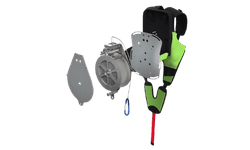
Even in sprinklered buildings, individual residents on upper floors benefit from layering their preparedness. The SkySaver rescue backpack is a personal controlled-descent device that allows individuals to evacuate through a window from virtually any floor at a controlled, safe speed. While sprinklers buy time and often contain fires before evacuation becomes necessary, they are not infallible — fires can originate in ways that exceed a system’s suppression capacity. Having a personal evacuation tool like the SkySaver backpack as a complement to building-level suppression systems represents a genuinely comprehensive approach to high-rise fire safety.
Maintenance and Long-Term Ownership
One of the most practical advantages of residential sprinkler systems is their remarkably low maintenance burden. Homeowners are advised to conduct a simple visual inspection of sprinkler heads periodically to ensure nothing is blocking or hanging from them, and an annual functional test — which can be performed by the homeowner or a contractor — verifies that water flow is adequate. Beyond those minimal requirements, a properly installed residential sprinkler system requires little ongoing attention and is designed to remain functional for decades. Compared to the cost of fire restoration, the cost of insurance premiums without a sprinkler discount, and the incalculable value of the lives it may protect, routine maintenance is an extraordinarily small ask.
The question of whether to install fire sprinklers ultimately comes down to how seriously you take your family’s safety and how realistically you assess the risks that fire poses to your home. Given the data — the 80 percent reduction in fire death risk, the insurance savings, the reduced water and fire damage, the autonomous response that needs no human action in the critical first moments — the case for residential sprinklers is difficult to argue against. Pair that investment with a practiced emergency action plan and the right evacuation tools, and you have constructed a genuinely robust personal fire safety framework.
For residents of elevated buildings who want an additional layer of protection beyond sprinkler systems and smoke alarms, explore SkySaver’s rescue backpacks today. Whether sprinklers buy you the time you need or you face a scenario where self-evacuation through a window becomes the only option, get yours today and ensure your preparedness is as complete as it can be.
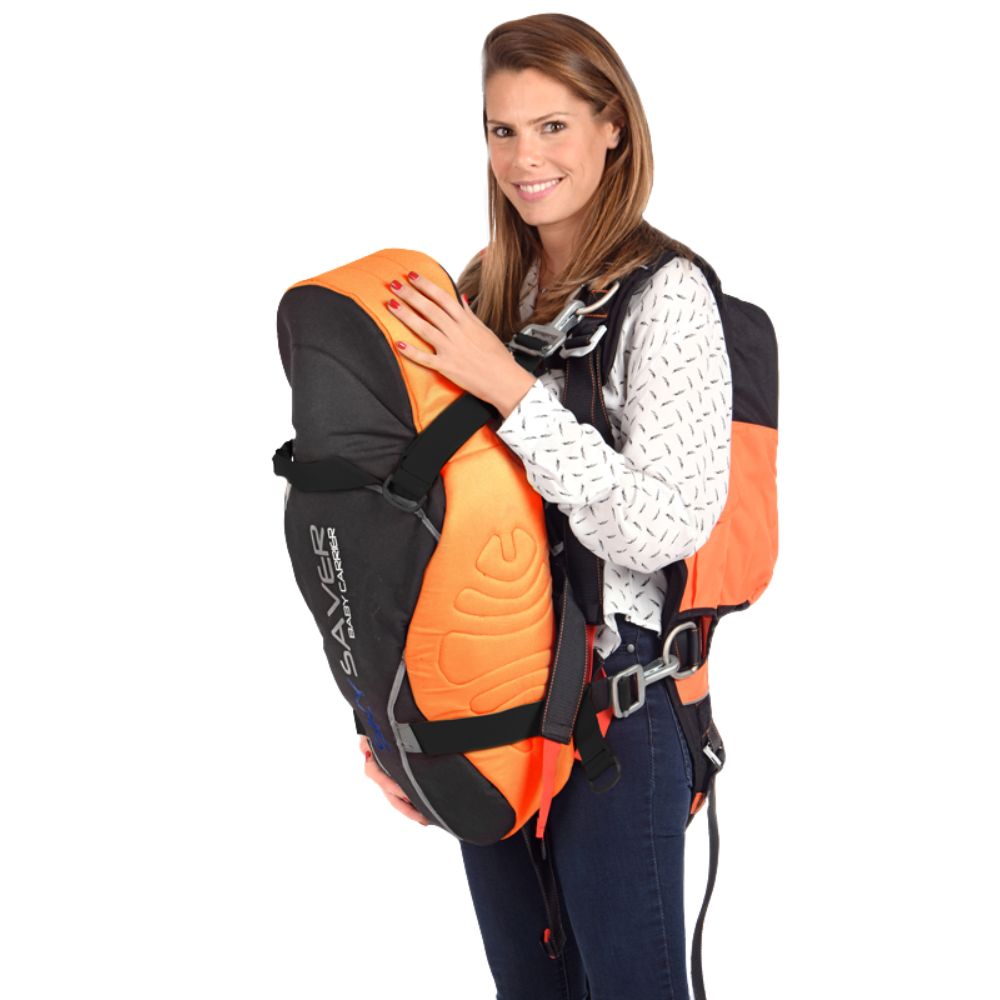
Attachable Baby Harness
Lightweight safety harness for fast and secure infant evacuation in high-rise emergencies.
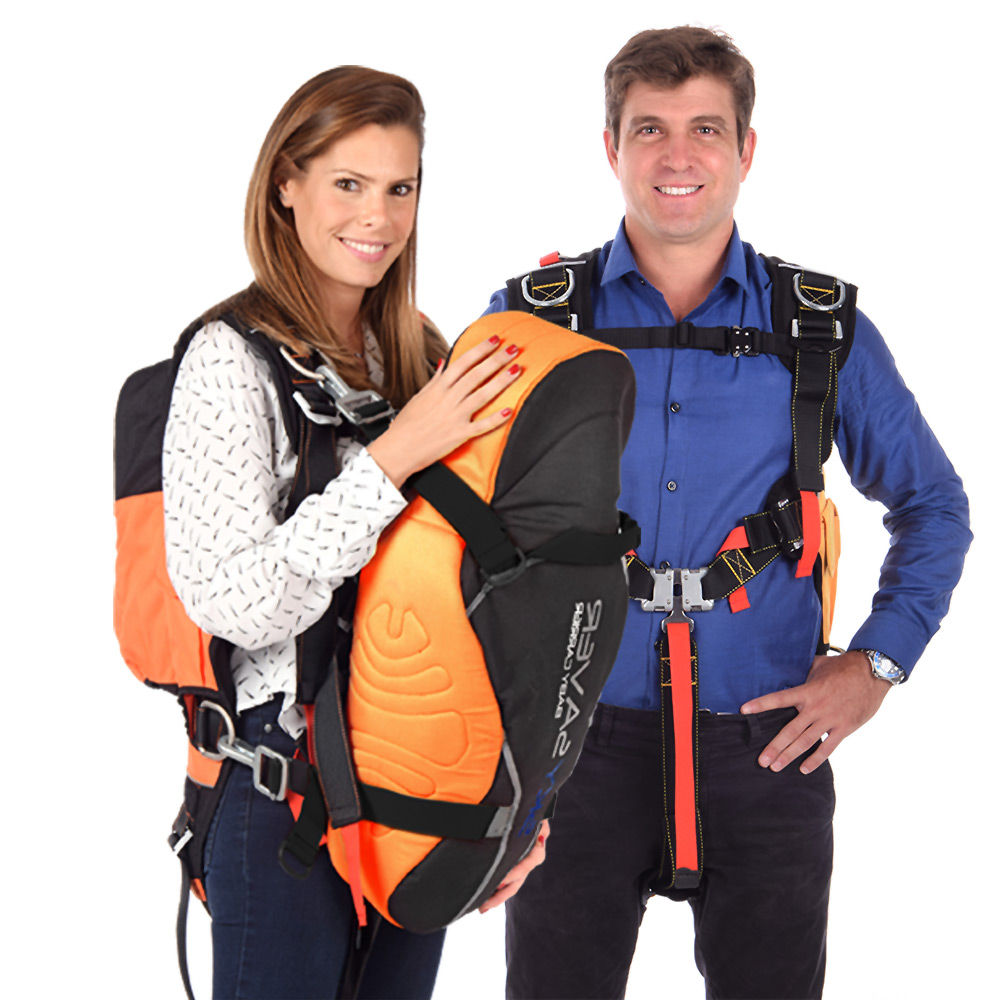
Parent Package
Complete emergency evacuation kit for the parent and dependant. Fast, safe descent from high-rise buildings.
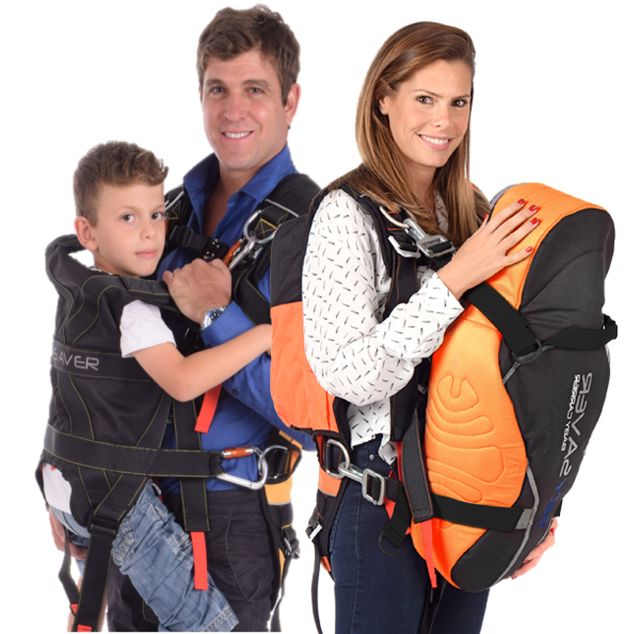
Parent Edition
Complete high-rise evacuation solution for a parent, maximum safety and fast deployment.
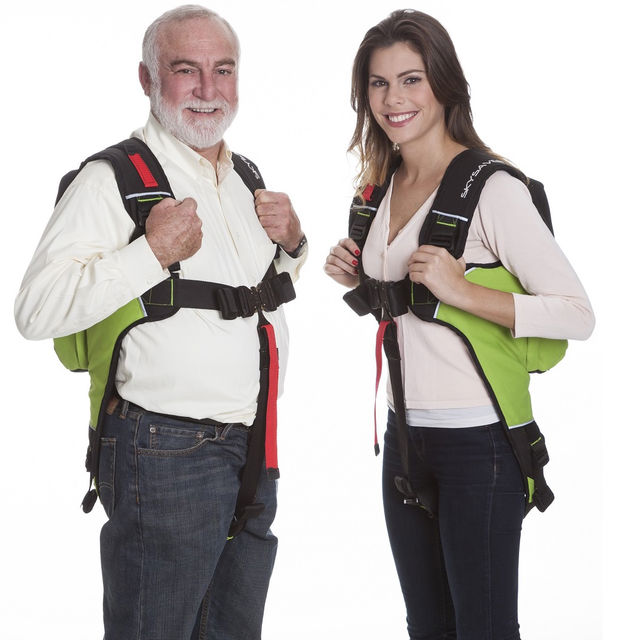
Single Self-Rescue Kit
Complete emergency evacuation kit for high-rise fast, safe descent during critical emergencies.

Attachable Child Harness
Lightweight child safety harness designed for secure, controlled evacuation from high-rise buildings.
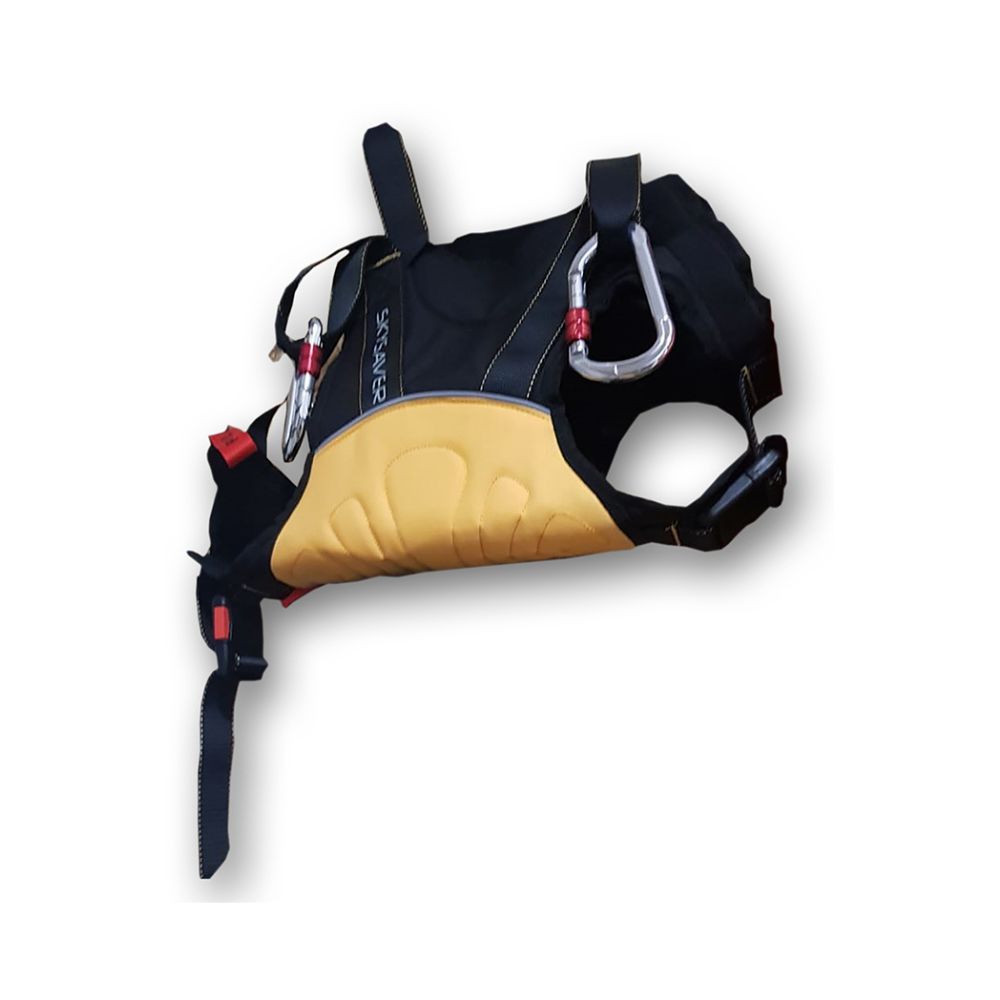
Attachable Pet Harnesses
Secure, lightweight safety harness designed for fast and controlled pet evacuation from high-rise buildings.

single Self-Rescue Harnesseses
Professional external safety harness for secure personal evacuation from high-rise buildings.
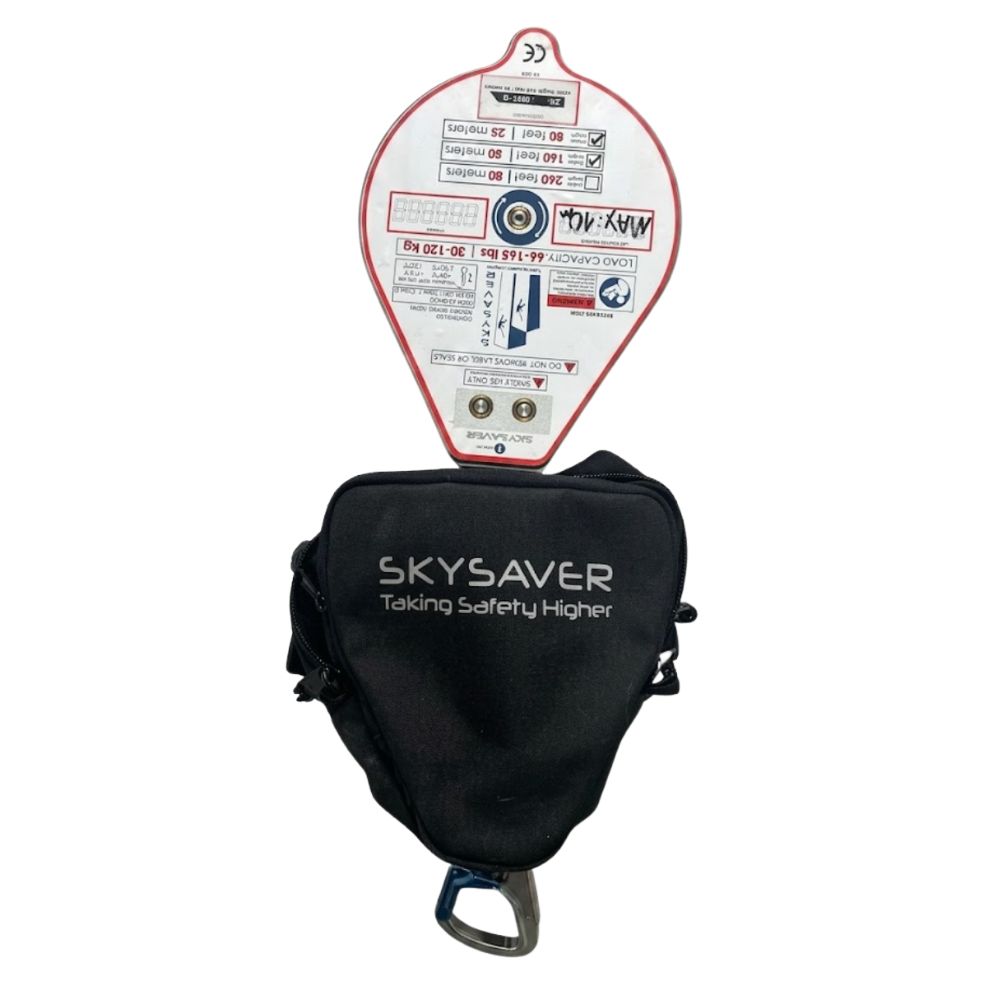
Controlled Descent Device (CDD)
External CDD unit for safe, controlled descent during high-rise emergency evacuation.