Everyone knows that fire is hot — but the full range of temperatures that fire can reach is something that surprises most people. Fire is not a single phenomenon with a fixed temperature. It is a chemical process whose heat output varies enormously depending on the fuel being consumed, the oxidizer present, and the physical conditions of the combustion environment. A candle flame and a propane torch are both fire, yet their temperatures differ by more than a thousand degrees Celsius. Understanding this temperature spectrum has real implications for fire safety, building design, and emergency response.

The Temperature Spectrum: From Candles to Lightning
At the lower end of the spectrum, common everyday fire sources burn at temperatures that are still dangerous to the human body but relatively modest compared to industrial or natural phenomena. A cigarette burns at roughly 510 to 621 degrees Celsius (950 to 1,150 degrees Fahrenheit) at its hottest point, which is more than enough to ignite upholstery, paper, or bedding — making it one of the leading causes of fatal residential fires. A burning match produces temperatures in the range of 600 to 800 degrees Celsius (1,112 to 1,472 degrees Fahrenheit), while a candle flame varies considerably depending on the type of wax and wick, spanning roughly 600 to 1,400 degrees Celsius (1,112 to 2,552 degrees Fahrenheit).
Moving into the industrial range, a Bunsen burner achieves approximately 1,570 degrees Celsius (2,858 degrees Fahrenheit), while propane and wood fires both reach around 1,977 degrees Celsius (3,590 degrees Fahrenheit) under optimal conditions. These temperatures are sufficient to melt many common metals and are the working range for metalworking, glassblowing, and ceramics production.
At the far extreme of naturally occurring fire phenomena, a lightning bolt generates a channel of plasma reaching approximately 30,000 degrees Celsius (54,032 degrees Fahrenheit) — roughly five times hotter than the surface of the sun. This extraordinary temperature exists for only a fraction of a second, but it is sufficient to ignite fires, fuse soil into glass, and cause catastrophic structural damage to trees and buildings.
The following table provides a clear reference for how fire temperatures vary by fuel source:
| Fuel | Temperature Celsius | Temperature Fahrenheit |
| Incandescent Light | 100–300 | 212–572 |
| Cigarettes | 510–621 | 950–1,150 |
| Stove Element | >550 | >1,022 |
| Match | 600–800 | 1,112–1,472 |
| Candle Flame | 600–1,400 | 1,112–2,552 |
| Electrical Spark | 1,316 | 2,400 |
| Bunsen Burner | 1,570 | 2,858 |
| Propane | 1,977 | 3,590 |
| Wood | 1,977 | 3,590 |
| Lightning | 30,000 | 54,032 |
How Hot Do House Fires and High-Rise Fires Get?
A typical residential or high-rise fire burns at approximately 593 degrees Celsius (1,100 degrees Fahrenheit) on average, though localized temperatures in specific areas — particularly at the fire’s point of origin or in confined spaces — can be significantly higher. This temperature range is below the melting point of most metals, which is why items such as jewelry, silverware, tools, filing cabinets, cookware, and fire safes are often found intact after house fires. Stone tables and ceramic objects frequently survive as well. However, the structural elements of a building — particularly steel beams and supports — can lose significant load-bearing capacity at these temperatures even without melting, which is why structure fires pose such serious collapse risks for firefighters.

Despite temperatures that are modest on the cosmic scale, residential fires cause an estimated $8.6 billion in property damage annually according to FEMA, and they account for the overwhelming majority of fire-related deaths and injuries in the United States. The temperature of the fire itself is only part of the danger. Smoke, carbon monoxide, structural collapse, and the psychological effects of panic under extreme stress all contribute to fire fatalities. For a deeper look at what the statistics reveal about fire’s impact on American lives and property, the SkySaver blog on fire’s impact on the United States provides essential context.
What Fire Temperature Means for Your Safety
The practical implications of fire temperature data extend well beyond academic curiosity. Understanding that even a modest residential fire generates temperatures far beyond human survivability changes how you should think about fire response. The human body cannot withstand temperatures above roughly 48 degrees Celsius (118 degrees Fahrenheit) for extended periods, and hot gas inhalation causes fatal injury to airways almost instantly at temperatures above 150 degrees Celsius. This means that the thermal environment of a burning room becomes lethal well before the flames reach an occupant.
This reality reinforces the absolute priority of early detection and immediate evacuation. The window of time during which a building occupant can safely move through a fire-affected environment is measured in seconds to minutes, not in the extended timeframes that many people imagine. Understanding how fast fire spreads alongside how hot it gets provides the complete picture of why delay is so dangerous once a fire has started.
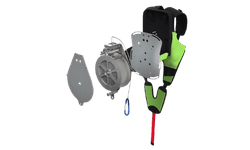
For residents of high-rise buildings, the challenge is particularly acute. When stairwells fill with superheated smoke and conventional evacuation routes are blocked, the choice between remaining in a burning building and attempting to escape through a window becomes very real. This is precisely the scenario that the SkySaver rescue backpack was designed to address — providing a means of controlled descent from high-rise windows for individuals who have no other viable exit. When every degree of fire temperature represents a greater threat to survival, having a dedicated escape solution is not an optional extra but a fundamental safety investment.
Make every effort to protect yourself and your household from fire risk. Install and test smoke detectors regularly, maintain fire extinguishers in accessible locations, practice your evacuation plan, and ensure you have the tools needed to escape when conventional routes are unavailable. Explore SkySaver’s range and take the decisive step toward comprehensive high-rise fire safety today.
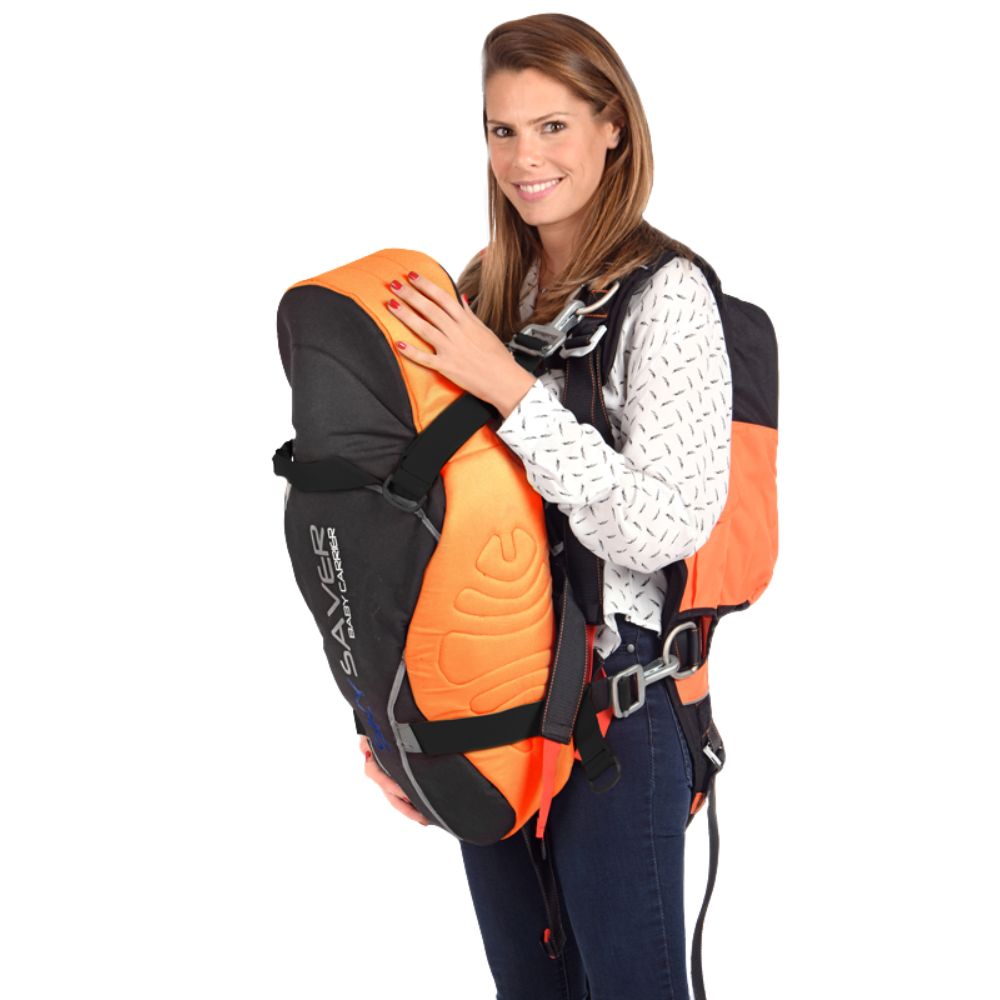
Attachable Baby Harness
Lightweight safety harness for fast and secure infant evacuation in high-rise emergencies.
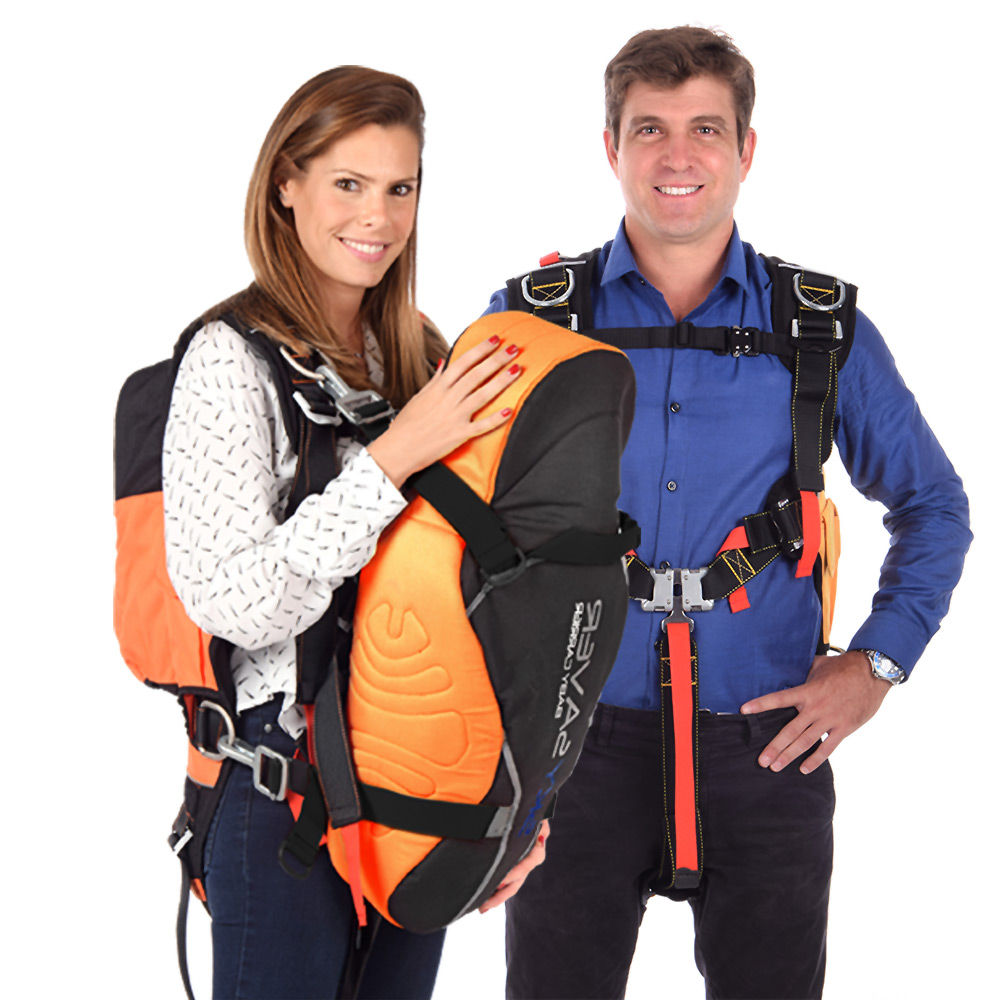
Parent Package
Complete emergency evacuation kit for the parent and dependant. Fast, safe descent from high-rise buildings.
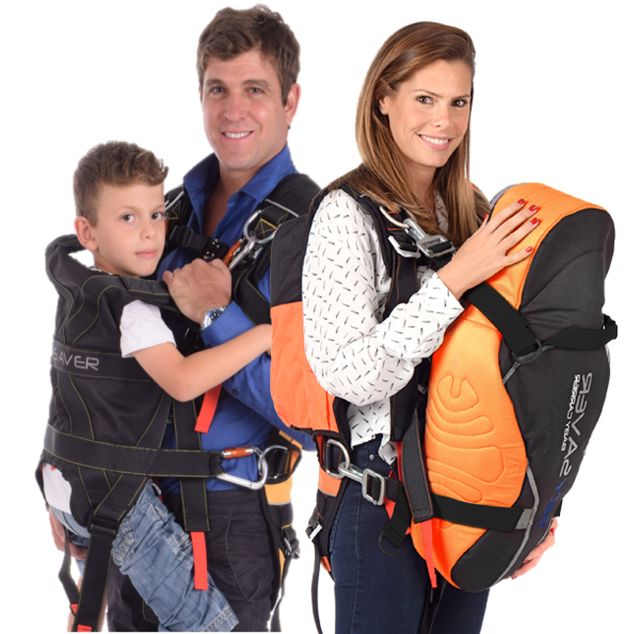
Parent Edition
Complete high-rise evacuation solution for a parent, maximum safety and fast deployment.
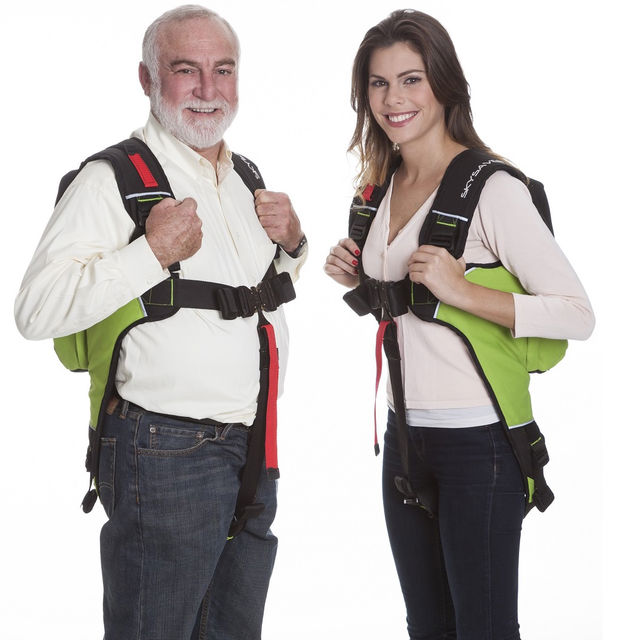
Single Self-Rescue Kit
Complete emergency evacuation kit for high-rise fast, safe descent during critical emergencies.
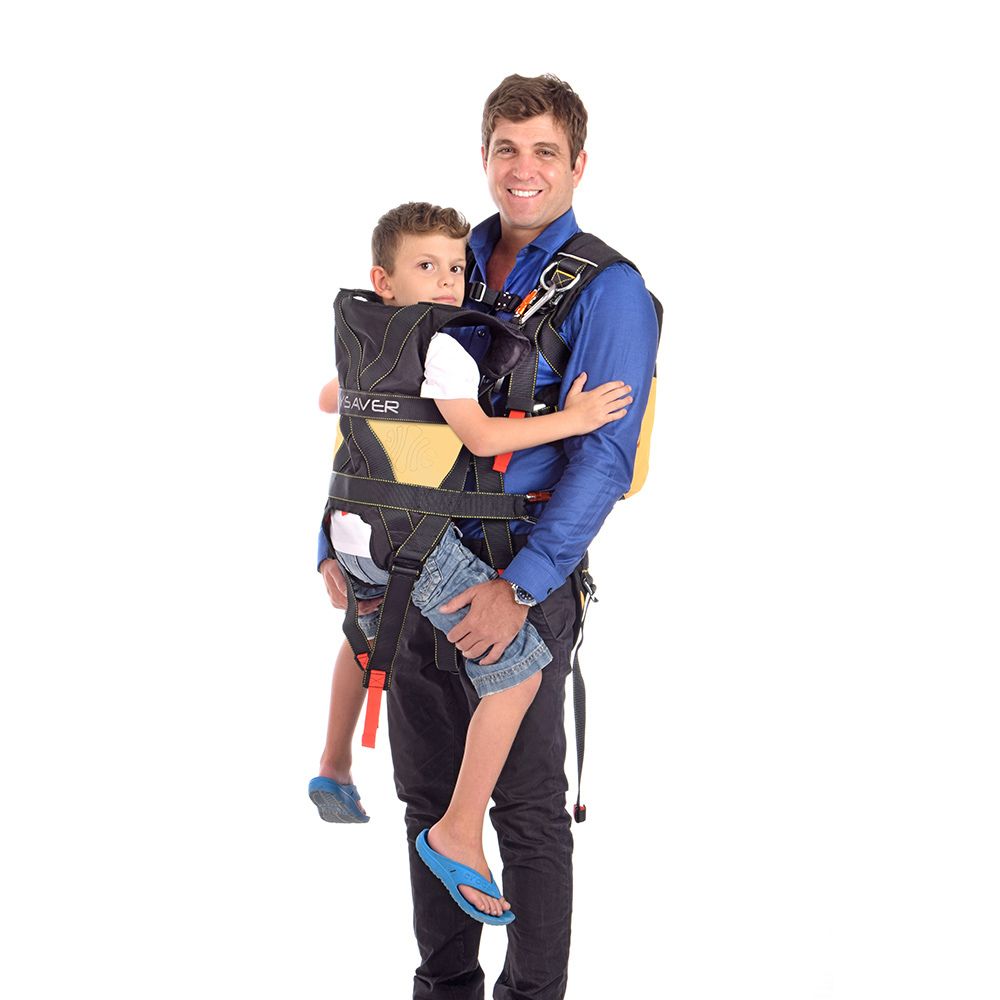
Attachable Child Harness
Lightweight child safety harness designed for secure, controlled evacuation from high-rise buildings.
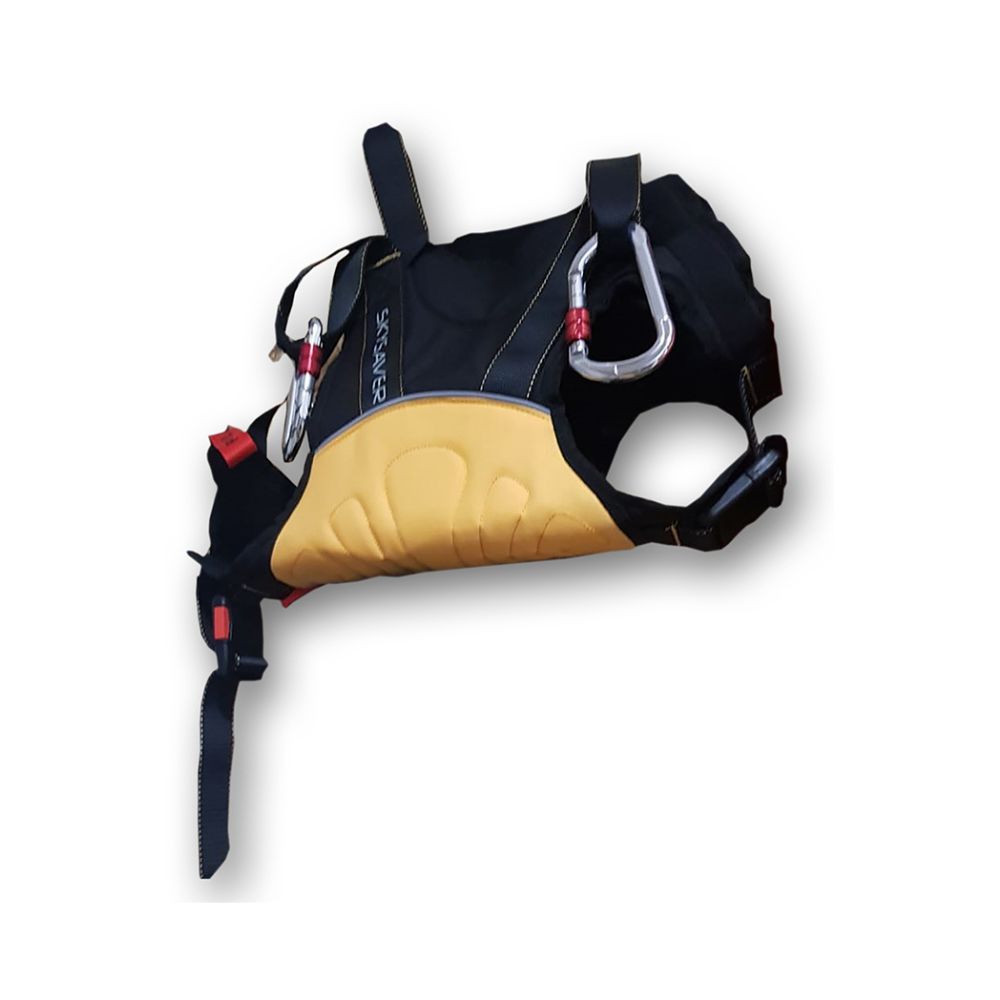
Attachable Pet Harnesses
Secure, lightweight safety harness designed for fast and controlled pet evacuation from high-rise buildings.

single Self-Rescue Harnesseses
Professional external safety harness for secure personal evacuation from high-rise buildings.
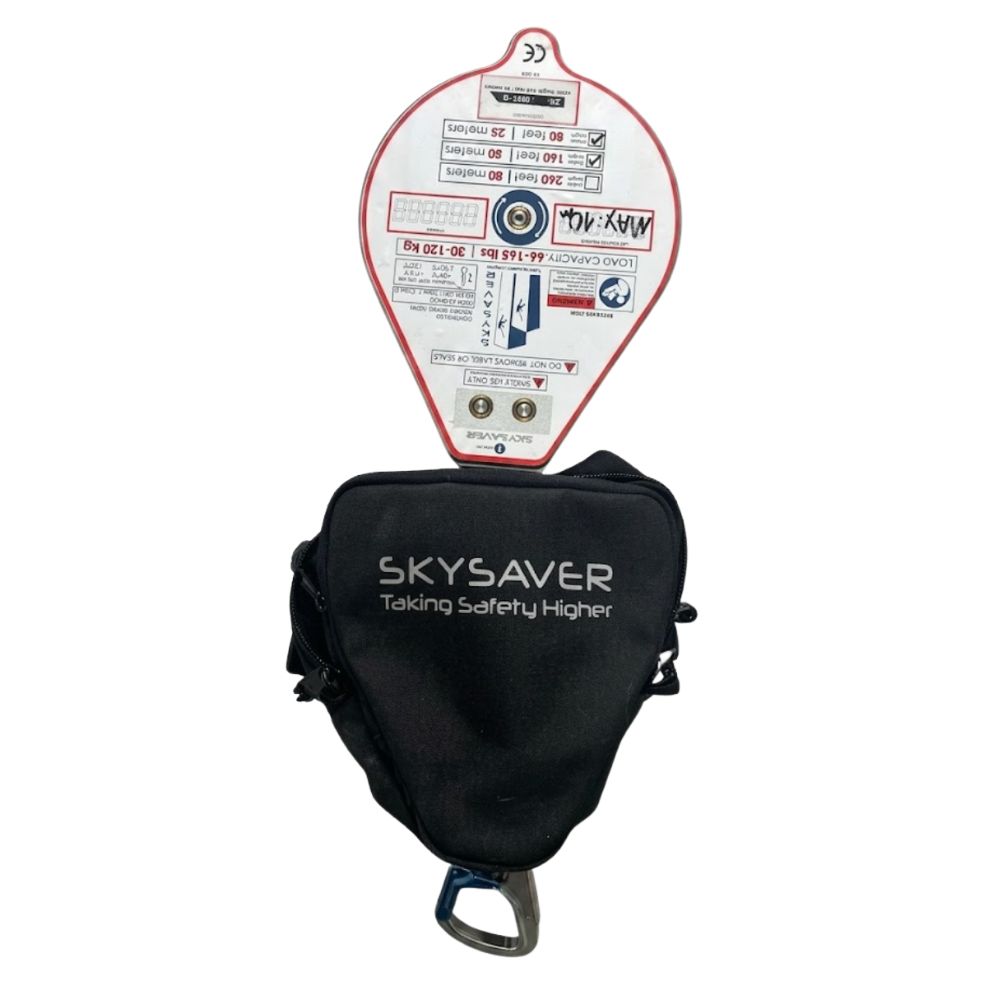
Controlled Descent Device (CDD)
External CDD unit for safe, controlled descent during high-rise emergency evacuation.